
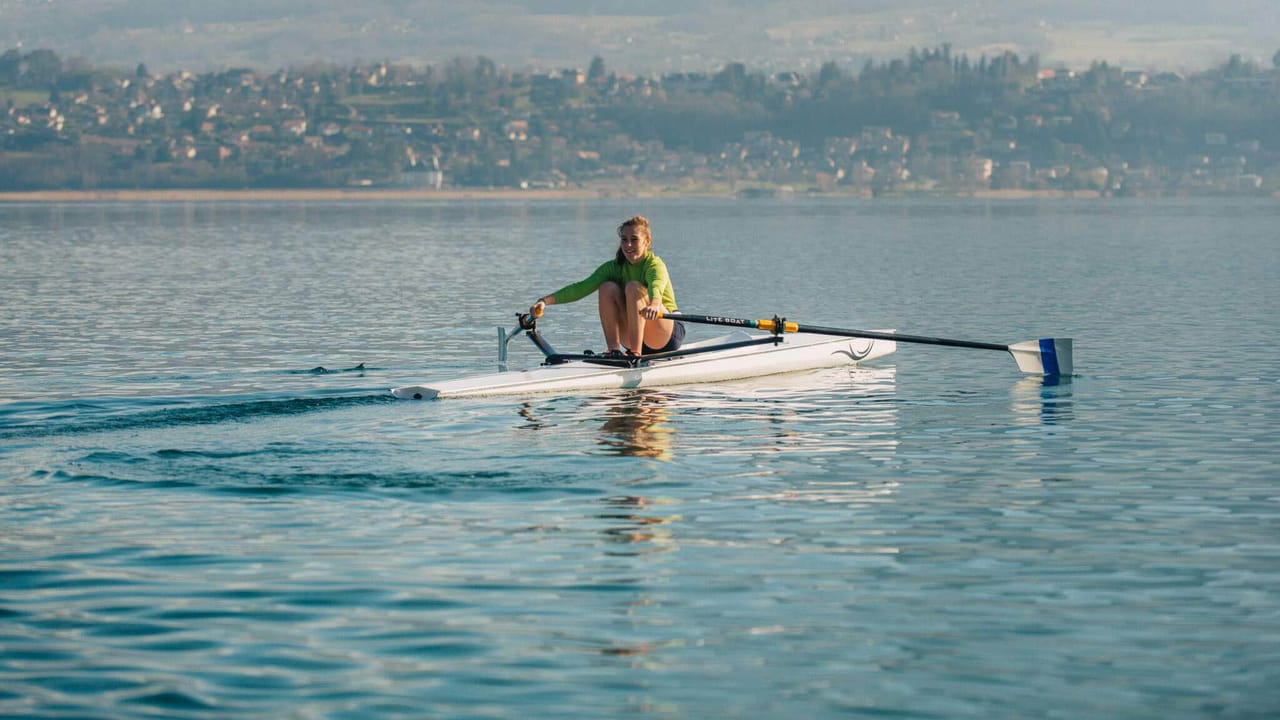
Configurare un Liteboat LiteRIVER significa far coincidere barca, vogatore e logistica prima ancora di parlare di prestazione. La scheda ufficiale identifica una barca singola da tempo libero e allenamento per utilizzatori con esperienza sulle imbarcazioni fluviali, destinata a laghi e acque calme. Dichiara 5,60 metri di lunghezza, 0,60 di larghezza, un peso indicativo di 22 chilogrammi e un carico inferiore a 110 chilogrammi. Le versioni S e L vengono scelte in funzione del peso del vogatore. Sedile e scalmiera sono inclusi; carrellino e remi sono consigliati. Tutto il resto deve essere verificato nella distinta, senza dedurre materiali, regolazioni o dotazioni dalle fotografie. La guida seguente organizza consegna, uso e manutenzione senza simulare una prova non eseguita.
Scheda di configurazione da compilare
| Area | Dato ufficiale | Elemento da registrare |
|---|---|---|
| Versione | S oppure L | Sigla e peso del vogatore |
| Lunghezza | 5,60 m | Spazio di trasporto e deposito |
| Larghezza | 0,60 m | Supporti e accessi |
| Peso | 22 kg indicativi | Peso reale della consegna |
| Carico | Inferiore a 110 kg | Persona ed equipaggiamento |
| Dotazioni incluse | Sedile e scalmiera | Completezza e matricole disponibili |
| Accessori consigliati | Carrellino e remi | Modello e compatibilità |
| Uso indicato | Laghi e acque calme | Bacino e limiti operativi |
Prima scelta: versione S oppure L
La pagina ufficiale collega le due versioni al peso del vogatore, ma non mostra nell’area tecnica corrente una tabella completa degli intervalli. L’ordine deve quindi riportare la versione raccomandata dal costruttore o dal rivenditore per la persona prevista, insieme al criterio usato. Se l’imbarcazione sarà condivisa, si dichiarano tutti gli utilizzatori e si verifica che la soluzione resti adatta. La conferma non può essere soltanto telefonica: sigla, eventuale numero di serie e configurazione compaiono su preventivo, fattura e verbale. Prima della consegna si prova anche la possibilità di regolare la posizione senza raggiungere fine corsa o creare interferenze fra gambe, sedile e struttura.

verifica del carico inferiore a 110 chilogrammi
Il limite va trattato come dato operativo. Si pesa il vogatore con l’abbigliamento normalmente utilizzato e si aggiungono dispositivi personali, acqua e oggetti ammessi a bordo. Occorre chiarire con la documentazione applicabile come il costruttore definisca il carico e mantenere un margine prudente. Nulla deve muoversi liberamente, bloccare il sedile o interferire con i remi. La sequenza di verifiche registra il valore complessivo, non soltanto il peso corporeo. Se cambia l’utilizzatore o si aggiunge equipaggiamento, il calcolo viene ripetuto. Restare sotto il limite non rende automaticamente idonee condizioni meteo, corrente o distanza dalla riva: sono verifiche separate e tutte necessarie.
Consegna del sedile incluso
Il sedile deve essere presente, integro e compatibile con le guide dell’esemplare. Si verifica lo scorrimento lungo l’intera corsa, ascoltando rumori e cercando impuntamenti, gioco laterale o punti duri. Guide e superfici vengono fotografate pulite, così i controlli successivi avranno un riferimento. Si annotano eventuali componenti sostituibili e il metodo di pulizia indicato dal manuale. Non si applicano oli o spray senza autorizzazione: un prodotto inadatto può trattenere sabbia o danneggiare materiali. Durante la prova a secco il sedile non deve uscire dalle guide né colpire violentemente i fine corsa. Ogni anomalia viene chiusa prima dell’uso in acqua.

Scalmiera, scalmi e simmetria
La scalmiera inclusa viene controllata come componente strutturale e regolabile. I bracci devono essere allineati, i fissaggi completi e le sedi degli scalmi prive di gioco anomalo. Le misure di regolazione vengono annotate su entrambi i lati, così da evitare differenze introdotte durante trasporto o rimontaggio. Se la scalmiera è amovibile, la procedura deve essere disponibile e la minuteria identificata. Non si usano i bracci come maniglie di sollevamento salvo esplicita indicazione. Durante il rimessaggio nessun peso viene appoggiato su questa parte. Dopo un urto o una caduta si sospende l’uso fino a verifica, anche se la deformazione non è evidente a prima vista.
Poggiapiedi e posizione di lavoro
La pagina pubblica non offre una quota universale per la posizione dei piedi. La regolazione va quindi eseguita sul vogatore e registrata. Cinghie, appoggi, fissaggi e possibilità di liberare rapidamente i piedi devono essere provati a terra e poi in ambiente protetto. Le ginocchia non devono incontrare ostacoli durante la corsa del sedile; l’impugnatura dei remi deve poter completare il gesto senza costringere il busto in posizioni non controllabili. Una configurazione che sembra comoda per pochi colpi può diventare problematica in una sessione più lunga. Dolore o perdita di coordinazione sono segnali per fermarsi e rivalutare, non per serrare ulteriormente le cinghie.

Selezione dei remi
Il cantiere consiglia di procurarsi un paio di remi e rimanda alla propria gamma di accessori. Lunghezza, pala, manicotto, collare e impugnatura devono risultare adatti al LiteRIVER, alla versione e al vogatore secondo l’indicazione ufficiale ricevuta. I due remi vengono confrontati per integrità e regolazione. Si controllano superfici, bordi della pala, collari, manicotti e corretta rotazione negli scalmi. Il verbale riporta modello e caratteristiche, evitando descrizioni generiche come “remi standard”. Dopo l’uso si puliscono e asciugano, quindi si conservano orizzontali o secondo istruzioni, senza pressioni che possano deformarli. Un elemento danneggiato viene isolato fino alla riparazione approvata.
Carrellino: compatibilità e punti di appoggio
Il carrellino consigliato deve sostenere lo scafo nei punti previsti e mantenere la barca stabile durante il percorso a terra. Prima dell’acquisto si verificano sagoma, imbottiture, cinghie, ruote e sistema di fermo. Si effettua una prova completa dal deposito all’acqua con percorso libero, senza trascinare la barca o farla urtare sui bordi. Le cinghie trattengono senza schiacciare e non passano su parti mobili. Ruote e assi vengono risciacquati quando esposti a sabbia o acqua aggressiva e controllati prima dell’uscita successiva. Il carrellino non rimane in acqua oltre il necessario e viene recuperato in posizione sicura prima che vento o pendenza lo spostino.

Supporti, rastrelliera e deposito
Con 5,60 metri di lunghezza, il deposito richiede misure precise. I supporti devono distribuire i carichi e non interferire con scalmiera, guide o accessori. Si controllano distanza, altezza e protezioni, oltre alla capacità della struttura di sopportare il peso reale e le sollecitazioni del luogo. La barca viene fissata contro spostamenti causati dal vento senza creare punti di compressione. Locale e copertura devono permettere asciugatura e ispezione. Non si accatastano oggetti sullo scafo. Se il rimessaggio è condiviso, si etichettano versione e proprietario e si definiscono regole di movimentazione, perché un sollevamento improprio da parte di terzi può danneggiare componenti leggeri senza lasciare subito un segno evidente.
Trasporto su veicolo
Il trasporto deve rispettare normativa, capacità del portapacchi o rimorchio e istruzioni del costruttore. Si misura l’ingombro totale e si identificano supporti, cinghie e protezioni compatibili. La tensione delle cinghie si controlla dopo i primi chilometri e a intervalli, ma non si eccede per compensare un appoggio sbagliato. Estremità e parti sporgenti vengono segnalate secondo le regole applicabili. Prima della partenza si rimuovono o bloccano gli elementi che potrebbero muoversi. All’arrivo, prima del varo, si ispezionano scafo, scalmiera, sedile e remi. Fotografie prima e dopo il viaggio aiutano a distinguere un danno di trasporto da normale usura.

Ispezione dello scafo senza ipotesi sui materiali
La pagina prodotto corrente non specifica in modo univoco materiale e stratificazione, quindi la sequenza di verifiche non li inventa. Registra invece ciò che è osservabile: graffi, urti, deformazioni, differenze di lucentezza, riparazioni, crepe o movimenti. La luce radente e fotografie ravvicinate permettono confronti. Fondo ed estremità vengono esaminati dopo ogni varo problematico. Qualunque intervento deve usare prodotti e metodo confermati per la costruzione effettiva tramite documentazione o assistenza Liteboat. Solventi, abrasivi, fori e adesivi scelti per analogia con un’altra barca possono peggiorare il danno. Il numero di serie collega l’esemplare alla corretta procedura e deve essere riportato nel fascicolo di manutenzione.
Nessun impianto motore da censire
Il LiteRIVER è mosso dal vogatore tramite i remi; la scheda esaminata non dichiara motore, serbatoio carburante, batterie o impianto elettrico di bordo. La sequenza di verifiche non deve riempire queste sezioni con dotazioni immaginarie. Se il proprietario vuole aggiungere strumenti, luci, supporti o altri accessori, la compatibilità va autorizzata prima di forare o incollare. Massa, posizione, resistenza all’acqua e interferenza con la voga vengono valutate. Qualunque aggiunta contribuisce al carico e può modificare movimentazione o garanzia. La semplicità impiantistica riduce alcune manutenzioni, ma aumenta l’importanza di regolazioni meccaniche, equipaggiamento personale e preparazione del vogatore.

Protocollo per la prima uscita
La prima prova si organizza su acqua calma, vicino a riva, con meteo stabile e assistenza adeguata. Prima del varo si completano versione, carico, sedile, poggiapiedi, scalmiera, remi e dispositivi personali. In acqua si procede per fasi: equilibrio statico, colpi brevi, arresto, controllo direzionale, rientro e uscita dalla barca. Non si cercano velocità o distanze. La pagina ufficiale non pubblica prestazioni misurate, quindi il verbale descrive soltanto condizioni e comportamento osservato per quello specifico vogatore. Se compaiono difficoltà di controllo, dolore o regolazioni fuori corsa, la sessione termina. La soluzione si cerca a terra con istruttore, rivenditore o assistenza, non allontanandosi.
Meteo, bacino e piano di rientro
Laghi e acque calme restano ambienti variabili. La sequenza di verifiche registra previsione, vento, visibilità, temperatura dell’acqua, traffico e limitazioni locali. Si definiscono rotta, distanza massima e orario di rientro e si informa un contatto a terra. Il punto di alaggio deve restare accessibile. Raffiche, corrente locale o moto ondoso prodotto da altre unità possono superare rapidamente l’esperienza disponibile. Le immagini ufficiali non sostituiscono la valutazione del giorno. Il vogatore porta solo oggetti ammessi e fissati; un mezzo di comunicazione, se previsto dal piano e dalla normativa, deve essere raggiungibile anche dopo un imprevisto. In dubbio, rinviare l’uscita è una decisione tecnica.

Controlli dopo il rientro
Appena a terra si confrontano le condizioni con le fotografie iniziali. Si cercano nuovi segni sul fondo, sulle estremità e sui punti di appoggio; si verifica che scalmiera e scalmi non abbiano acquisito gioco. Sedile e guide vengono liberati da acqua e detriti. Remi, carrellino e cinghie si controllano prima di riporli. Se la barca è stata usata in acqua che richiede risciacquo, si segue la procedura indicata e si asciuga completamente. Le anomalie si annotano con data e circostanza, evitando riparazioni immediate non autorizzate. Un registro coerente permette di riconoscere la progressione di un difetto e fornisce elementi utili all’assistenza.
Piano di manutenzione per frequenza
Prima di ogni uscita: identità della versione, carico, meteo, scafo, fissaggi, sedile, scalmiera, remi, cinghie e carrellino. Dopo ogni uscita: pulizia, asciugatura, ispezione e registrazione dei rilievi. Periodicamente, secondo manuale e intensità d’uso: verifica accurata di guide, componenti mobili, serraggi autorizzati, protezioni dei supporti e stato degli accessori. Prima e dopo ogni trasporto: controllo di appoggi, cinghie e danni. A inizio stagione: prova assistita, revisione della documentazione e verifica dei dispositivi personali. Gli intervalli del costruttore prevalgono su questa organizzazione generale; ogni ricambio deve essere identificabile e compatibile.
Garanzia: due anni più cinque previa registrazione
Liteboat comunica una garanzia legale di due anni e un’estensione gratuita di cinque anni se la barca viene registrata sul proprio sito. Il fascicolo di consegna deve contenere condizioni applicabili, prova di registrazione, fattura, numero di serie, versione e data. Non si presume che ogni evento sia coperto: esclusioni, manutenzione richiesta e procedura di segnalazione vanno letti. Quando compare un difetto si documentano immagini, luogo, utilizzo e interventi precedenti e si contatta l’assistenza prima di modificare il componente. Una cronologia completa tutela proprietario e tecnico e rende più semplice stabilire se si tratta di usura, danno da movimentazione o problema da valutare in garanzia.
sequenza di verifiche finale di consegna
La consegna si chiude quando modello, versione, numero di serie e documenti coincidono; sedile e scalmiera sono presenti e verificati; remi e carrellino, se acquistati, risultano compatibili; peso reale e carico previsto sono registrati; supporti e trasporto sono stati provati. Il vogatore completa una sessione assistita nelle acque calme indicate, con regolazioni annotate e procedura di rientro conosciuta. Le condizioni di garanzia e la registrazione vengono archiviate. Non si accettano campi riempiti per supposizione, in particolare materiali e dotazioni non dichiarati. Il LiteRIVER è una piattaforma essenziale: la sua affidabilità quotidiana dipende dalla precisione con cui configurazione, tecnica personale e logistica vengono tenute insieme.