
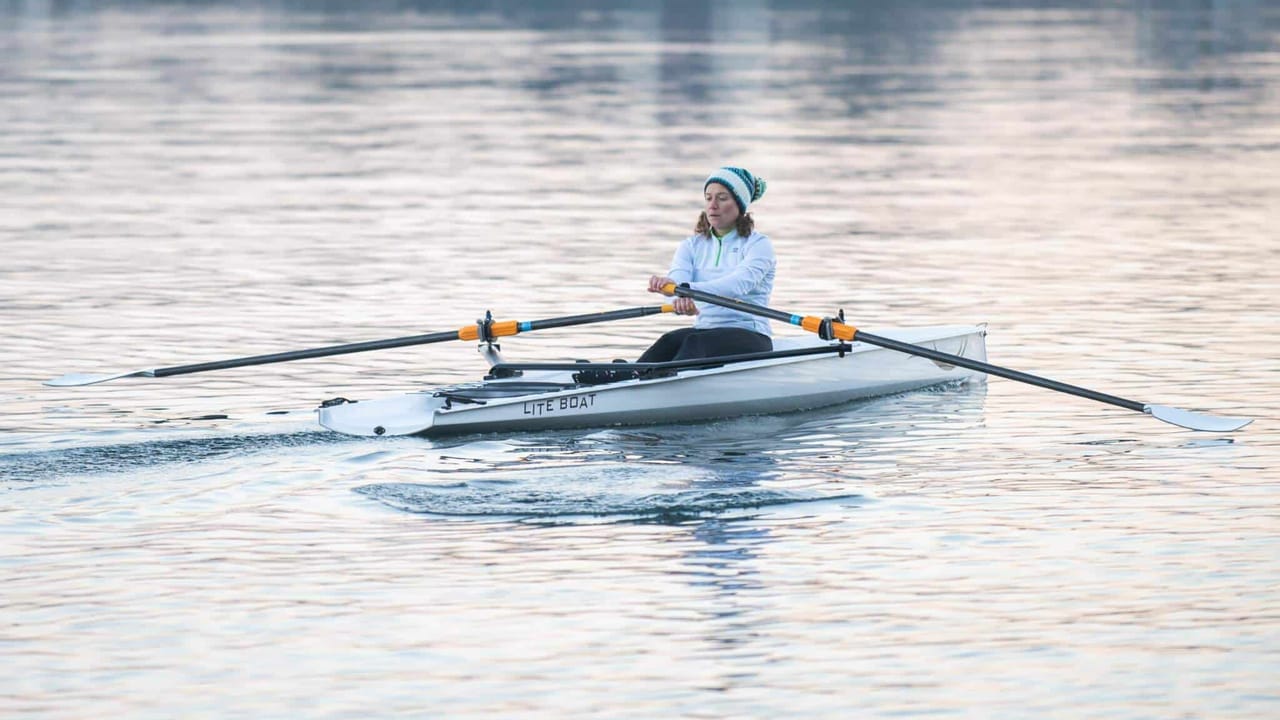
Configurare un Liteboat LiteSport 4.6 significa coordinare barca, vogatore, remi, scalmiera, sedile, carrellino e dotazioni per acque protette. Il modello è una singola da diporto rivolta in particolare a persone sotto i 75 chilogrammi, utilizzabile secondo il costruttore da principianti ed esperti in mare riparato, fiumi e laghi. La scheda commerciale indica 4,60 metri, 0,70 metri, 23 chilogrammi indicativi e carico inferiore a 100 chilogrammi; il manuale corrente presenta 4,62 metri, 0,75 metri massimi, 25 chilogrammi e 75 chilogrammi di carico massimo. La sequenza di verifiche deve quindi partire dall’identità dell’esemplare, non da una media fra documenti discordanti.
Scheda di configurazione da allegare all’ordine
| Elemento | Configurazione dichiarata | Conferma richiesta |
|---|---|---|
| Equipaggio | Una persona | Targhetta dell’esemplare |
| Profilo | Vogatore leggero | Massa e regolazioni reali |
| Dimensioni | 4,60–4,62 × 0,70–0,75 m | Revisione applicabile |
| Peso | 23 kg indicativi o 25 kg | Pesata alla consegna |
| Carico | <100 kg o massimo 75 kg | Dato scritto sul numero di scafo |
| Inclusi | Sedile e scalmiera | Distinta firmata |
| Da abbinare | Remi e carrellino | Codici compatibili |
| Uso | Acque protette | Regole e dotazioni locali |
Prima verifica: targhetta e numero HIN
La targhetta costruttore deve identificare marca, categoria, tipo, carico massimo raccomandato e numero di persone; il numero HIN è separato. Entrambi vengono fotografati al ritiro e confrontati con fattura, ordine e manuale consegnato. Questa procedura risolve molti equivoci: il valore applicabile non è quello ricordato dal catalogo, ma quello riferito all’unità. Il manuale inquadra le barche a propulsione umana nella Division 240 e spiega che non rientrano tra le unità marcate CE. Se è richiesta una registrazione, si verifica la procedura con l’autorità del proprio Paese e si richiede al costruttore la dichiarazione prevista, senza affidarsi a formule generiche.

Seconda verifica: massa del vogatore e carico
Il 4.6 è presentato per vogatori sotto i 75 chilogrammi, mentre la pagina commerciale espone un carico inferiore a 100. Il manuale corrente torna a 75 chilogrammi massimi. La sequenza di verifiche deve separare profilo del vogatore e limite dell’unità, ottenendo un chiarimento scritto prima del pagamento. Si pesa la persona con abbigliamento e dispositivo personale e si aggiungono gli oggetti ammessi secondo la definizione contrattuale di carico. Bottiglia e materiale nella rete posteriore non sono “gratis” nel bilancio. Se l’utilizzatore è vicino al limite, non si compensa riducendo accessori o interpretando il simbolo “inferiore a”: si sceglie una configurazione approvata per quel peso.
Regolazione del poggiapiedi
La posizione del poggiapiedi determina escursione, assetto e capacità di spingere senza raggiungere brutalmente il fine corsa. Si prova a terra su supporti adatti, con bracci montati e sedile pulito. Le regolazioni devono risultare accessibili, simmetriche e bloccate; scarpe, cinghie e sistemi effettivamente installati vengono controllati secondo la distinta. Il vano bottiglia integrato nell’area dei piedi non deve ostacolare il movimento. Ogni utilizzatore riceve una misura annotata, così il settaggio può essere ripristinato quando la barca è condivisa. Modifiche permanenti, fori o spessori improvvisati non sostituiscono un adattamento previsto dal costruttore.

Controllo di sedile e guide
Il sedile incluso deve scorrere in modo uniforme per tutta la corsa prevista. Prima del varo si rimuovono sabbia, sale e detriti, quindi si osservano guide, ruote o pattini presenti, fine corsa e giochi laterali. Un rumore nuovo, una resistenza localizzata o un impatto a fine movimento richiedono correzione a terra. Non si applicano grassi o spray senza istruzione: possono trattenere sporco o danneggiare componenti. Dopo la voga si pulisce la zona e si lascia asciugare. La sequenza di verifiche registra l’anomalia, non soltanto l’intervento, perché una difficoltà ricorrente può derivare da regolazione, deformazione o contaminazione e richiede diagnosi diversa.
Montaggio dei bracci in meno di un minuto
Il tempo dichiarato dal cantiere è un’indicazione di semplicità, non il criterio di accettazione. Il montaggio è valido solo se sedi e fissaggi sono puliti, tutti i componenti sono presenti e la geometria è simmetrica. Si esegue la procedura del manuale, si controlla l’assenza di gioco e si verifica che gli scalmi lavorino alla stessa quota prevista. Minuteria e bracci smontati vengono riposti in una borsa identificata, senza contatto che possa graffiare o deformare lo scafo. Durante trasporto e alaggio non si usa la scalmiera come punto di presa. Una fotografia del montaggio corretto aiuta chi prepara la barca occasionalmente.

Abbinamento dei remi
I remi non sono indicati come inclusi; Liteboat consiglia di acquistarne una coppia insieme al carrellino. La configurazione deve riportare modello, lunghezza, tipo di pala, manicotto, collare e rigidità effettivamente ordinati. Il fatto che un remo entri nello scalmo non dimostra compatibilità ergonomica. Alla consegna si confrontano i due elementi e si controllano identificazione, asta, pala, impugnatura e protezioni. La regolazione iniziale viene eseguita con un tecnico e provata vicino a riva. Dopo acqua salata si applica la routine prescritta; durante il rimessaggio i remi restano sostenuti senza carichi trasversali e separati da oggetti che possano danneggiare le pale.
Rete posteriore: carico e fissaggio
La rete posteriore è prevista per il giubbotto di salvataggio o materiale leggero. Si verifica tensione, continuità, punti di fissaggio e assenza di abrasioni. Ogni oggetto deve rimanere trattenuto quando la barca si inclina e non può raggiungere guide, sedile o remi. Prima di partire si prova l’accesso senza compromettere l’equilibrio. La rete non modifica il carico massimo e non trasforma il 4.6 in una piattaforma da trasporto. Dopo l’uscita viene sciacquata quando necessario e lasciata asciugare. Elastici induriti, cuciture cedute o attacchi allentati comportano la sostituzione con un ricambio compatibile, non nodi casuali che cambiano la distribuzione delle forze.

Bottiglia e area del pozzetto
La scheda presenta un alloggiamento integrato per la bottiglia e indica la bottiglia come inclusa. La sequenza di verifiche verifica che recipiente e sede siano compatibili, trattenuti e raggiungibili senza lasciare i comandi in modo insicuro. Il vano non deve contenere acqua stagnante, sabbia o oggetti sciolti. Dopo l’uso si svuota, risciacqua e asciuga. Eventuali accessori personali nell’area del pozzetto vengono limitati a quelli che non ostacolano piedi, cinghie, sedile o uscita di emergenza. Un telefono o una chiave richiedono custodia e fissaggio adeguati; la loro presenza non viene giustificata dal semplice fatto che esista uno spazio libero.
Carrellino di alaggio
Il carrellino deve corrispondere alla geometria del 4.6, con supporti che distribuiscano la pressione nelle zone ammesse. Si controllano portata, larghezza, ruote, assi, cinghie e sistema di fermo. La barca non viene trascinata sul fondo e la scalmiera non diventa un timone o una maniglia. Il percorso dal deposito all’acqua si libera prima di caricare l’unità; pendenze e scalini richiedono assistenza. Sale e sabbia vengono rimossi da ruote e cuscinetti secondo le istruzioni. Nel rimessaggio il carrellino non è automaticamente un supporto permanente: occorre verificare che i punti di contatto siano adatti alla sosta prolungata.

Cavalletti, copertura e trasporto
Tra gli accessori proposti compaiono cavalletti pieghevoli e coperture. I cavalletti devono avere portata adeguata, superfici pulite e distanza coerente con le zone di appoggio. Una copertura protegge da polvere e luce solo se compatibile, ventilata e fissata senza concentrare carichi. Sul veicolo si utilizzano supporti e cinghie approvati, verificando lunghezza, larghezza reale e sporgenze secondo le regole stradali. Dopo pochi chilometri si controlla l’assestamento. Il peso contenuto non elimina il rischio vento: durante sollevamento e sosta la barca resta controllata. Bracci, sedile, remi e minuteria vengono assicurati separatamente quando la procedura lo richiede.
sequenza di verifiche meteo e acque protette
Il manuale colloca il modello in categoria D per acque protette e descrive vento fino a forza 4, onde significative fino a 0,30 metri e occasionali fino a 0,50 metri, entro due miglia da un riparo con dotazione obbligatoria. Questi numeri sono il confine documentale, non una raccomandazione per il principiante. La partenza richiede previsione, osservazione locale, temperatura dell’acqua, corrente, traffico, visibilità e possibilità di rientro. Il percorso iniziale resta vicino alla riva e sotto assistenza. Se vento o onde crescono, si rientra prima che il controllo peggiori. Navigare paralleli all’onda aumenta il rischio ricordato dal manuale e va evitato quando non necessario.

Equipaggiamento personale e comunicazioni
La dotazione deve rispettare normativa, distanza dal riparo, temperatura e condizioni reali. Il dispositivo personale viene scelto per attività a remi, indossato correttamente e verificato perché non interferisca con il gesto. Abbigliamento e protezione termica considerano l’acqua, non soltanto l’aria. Un contatto a terra riceve percorso e orario di rientro; il sistema di comunicazione rimane accessibile e protetto. Prima di allontanarsi si prova la liberazione dei piedi e la procedura in caso di ribaltamento in ambiente controllato. L’utilizzatore non presume che la stabilità dichiarata elimini la possibilità di capovolgimento, soprattutto con onde laterali o movimento non coordinato.
Lavaggio e apertura dei vani
A fine uscita si rimuovono sporco, sale e acqua con i metodi ammessi. Il manuale richiede di aprire portelli e sfiato posteriore per una ventilazione ottimale. Si asciugano pozzetto, vano bottiglia, rete, sedile, guide, bracci e remi; prima della voga successiva si ripristina la configurazione chiusa prevista. Prodotti protettivi contro i raggi UV devono essere compatibili e non vengono applicati sui componenti di scorrimento senza indicazione. La sequenza di verifiche distingue operazioni dopo ogni uso, controlli mensili e interventi stagionali. Fotografie degli stessi punti permettono di seguire abrasioni, macchie e giochi senza confonderli con variazioni di luce.

Rimessaggio tra 10 e 30 gradi
La documentazione raccomanda un luogo asciutto fra 10 e 30 gradi e vieta di lasciare la barca all’esterno durante l’inverno per il rischio gelo. Si evita anche esposizione prolungata ai raggi UV, umidità intrappolata e contatto con sostanze incompatibili. Supporti e cinghie non devono deformare lo scafo; bracci e remi vengono riposti protetti e identificati. Prima della pausa lunga si effettua un inventario con foto e si annotano eventuali lavori. Alla riapertura si controllano targhetta, scafo, fissaggi, sedile, guide, rete, portelli, sfiato, remi e carrellino. La semplice assenza d’uso non garantisce che tutto sia rimasto regolato.
Materiali e riparazioni: chiedere la specifica
Liteboat descrive per la propria officina processi di infusione e competenze sui compositi, ma la pagina del 4.6 non identifica in modo sufficiente il laminato dell’esemplare. La manutenzione non deve trasformare una pratica generale di cantiere in una specifica presunta. Prima di incollare, forare, levigare o riparare si richiedono materiale, finitura, procedura e ricambi riferiti al numero HIN. Un danno viene fotografato, isolato e valutato da personale competente. Il registro dell’intervento contiene causa, estensione, prodotti, temperature, tempi e autore. Questa tracciabilità tutela garanzia, sicurezza e rivendita e rende verificabile la differenza tra difetto, urto e normale usura.
Garanzia di sette anni
La comunicazione del modello mostra sette anni di garanzia. Prima di considerarla acquisita si leggono durata legale, eventuale estensione, registrazione richiesta, esclusioni territoriali e obblighi di manutenzione. Ordine, fattura, targhetta, HIN, manuale e distinta rimangono nello stesso dossier. Una richiesta di assistenza deve descrivere sintomo, data, condizioni e fotografie, evitando interventi preventivi non autorizzati che cancellino le evidenze. Accessori acquistati separatamente possono avere condizioni differenti. Il controllo di consegna viene firmato solo dopo aver verificato quantità, integrità e corrispondenza dei codici. La garanzia è un processo documentale oltre che una promessa commerciale.
Collaudo vicino a riva
Il collaudo deve verificare regolazioni e controllo, non inseguire una velocità che il costruttore non dichiara. Si parte con acqua protetta, meteo stabile, assistenza e rientro immediato disponibile. Prima si prova l’entrata, la liberazione dei piedi, il sedile e il montaggio dei remi; poi si osservano partenza, arresto, direzione, simmetria del gesto e comfort. Ogni modifica viene eseguita a terra e annotata. Dolore, impuntamento o instabilità non si compensano forzando la tecnica. La configurazione è accettata quando il vogatore controlla tutte le fasi, la documentazione coincide con l’esemplare e la logistica dal deposito all’acqua è ripetibile.
sequenza di verifiche contrattuale finale
Prima del saldo si devono avere conferma scritta di lunghezza, larghezza, peso e soprattutto carico massimo del numero di scafo; targhetta e HIN leggibili; sedile e scalmiera presenti; remi e carrellino con codici compatibili; manuale applicabile; condizioni di garanzia; verbale fotografico e prova protetta. Si controllano rete, vano bottiglia, bracci, fissaggi, portelli, sfiato, guide e accessori. Se il venditore non risolve il conflitto tra 75 e meno di 100 chilogrammi, l’acquisto non è pronto. Il LiteSport 4.6 offre una configurazione compatta e ordinata soltanto quando numeri, persona e componenti formano un insieme verificato.