
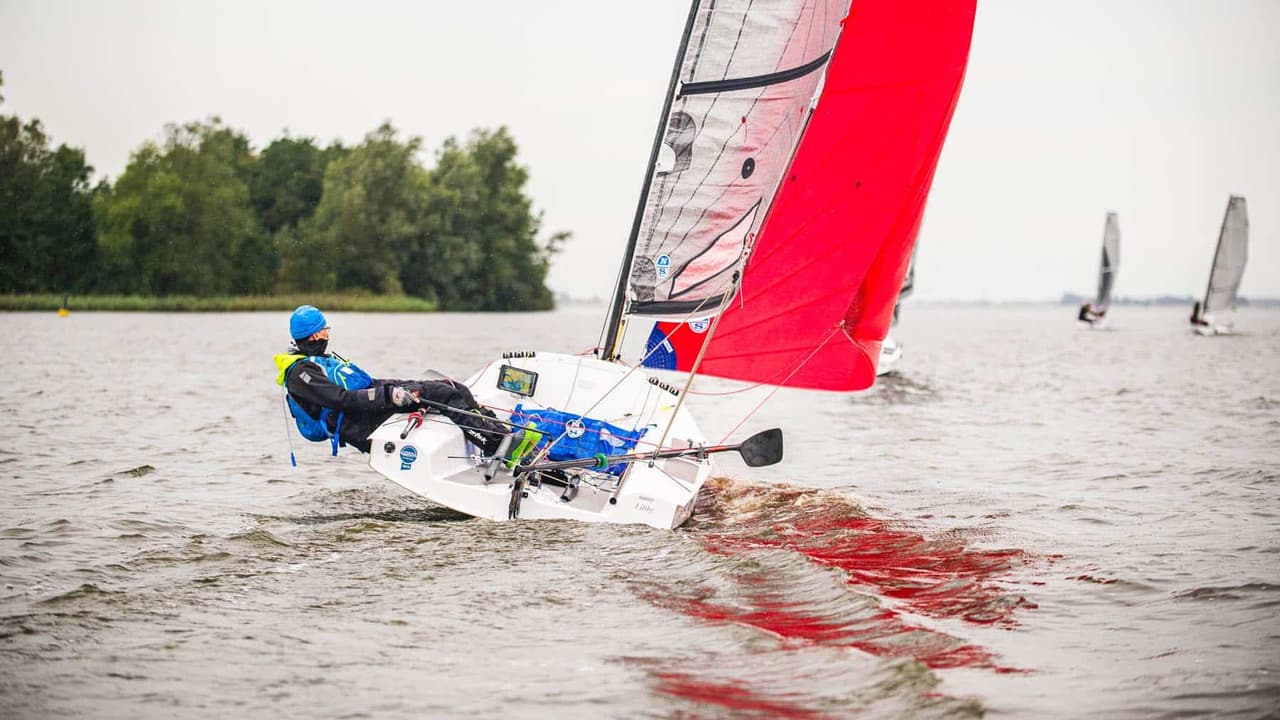
Configurare un Liteboat XP20 significa decidere prima della partenza quali funzioni servono davvero: voga, vela, pernottamento, trasporto e, se previsto, supporto elettrico. Lo scafo di sei metri riunisce una postazione di canottaggio, una randa da 10 m², appendici mobili e una cabina per due. Questa versatilità funziona soltanto se componenti e carichi hanno una posizione definita in ogni fase. La guida seguente traduce i dati pubblicati dal costruttore in controlli pratici, senza sostituire manuali, limiti della barca, dotazioni obbligatorie o valutazione del comandante.
Scheda tecnica per preparare la configurazione
| Elemento | Dato dichiarato | Controllo operativo |
|---|---|---|
| Lunghezza | 6,00 m | Misurare spazio di rimessaggio, invaso e rimorchio |
| Larghezza | 1,80 m | Verificare passaggi, appoggi e ingombro stradale applicabile |
| Pescaggio minimo | 0,15 m | Confermare che deriva e timone siano sollevati negli approcci |
| Pescaggio con deriva | 1,20 m | Inserire la quota nella pianificazione dei fondali |
| Peso | 150 kg | Aggiungere persone, viveri, sicurezza e optional al bilancio reale |
| Albero | 7,00 m in due parti | Controllare giunto, trasporto e zona libera per il montaggio |
| Randa | 10 m² | Provare issata, ammainata e terzaroli prima dell’uscita |
| Gennaker | 11 m², opzionale | Imbarcare solo con scotte, sacca e manovre complete |
Scegliere fra assetto voga, vela e misto
La prima sequenza di verifiche non riguarda il meteo, ma la missione. Per una sessione di canottaggio puro si può evitare di portare materiale velico non necessario e alzare la deriva, come consiglia Liteboat. Per una giornata a vela, remi e sedile scorrevole devono avere fissaggi o stivaggi sicuri. Nell’assetto misto la randa può restare issata durante la voga, perché il boma è abbastanza alto da non interferire con il gesto; in alternativa la vela viene assicurata mediante le clip previste. Prima di lasciare terra si deve sapere quale configurazione sarà usata per partenza, tratto principale, approdo e possibile rientro senza vento.
Inventario dei componenti prima del varo
Un inventario semplice evita che un perno mancante emerga soltanto sulla rampa. Per la voga servono sedile scorrevole, puntapiedi Flex-feet, remi in carbonio, scalmiere e relativi fissaggi. Per la vela occorrono le due sezioni dell’albero, randa North Sails, drizza, scotta, timone, barra, deriva e ritenute. Gennaker da 11 m², fiocco avvolgibile da 4 m², cinghie di richiamo, secondo paio di remi, copertura, sacche, ruote, rimorchio, tenda e motore elettrico appartengono alle opzioni: vanno segnati soltanto se realmente presenti. Ogni componente deve avere una custodia e un posto durante la navigazione.

Controllo di scafo, gelcoat e portelli
Liteboat descrive lo scafo come composito in vetro, carbonio e anima strutturale, prodotto in infusione sottovuoto sotto gelcoat bianco. Prima del varo si osservano prua, fondo accessibile, spigoli, aree di appoggio, attacchi di timone e deriva e basi delle scalmiere. Non servono ipotesi sugli spessori: servono confronti nel tempo, fotografie delle anomalie e interventi coerenti con le indicazioni del costruttore. I portelli devono chiudere senza materiale sulle battute; guarnizioni e superfici vanno pulite. La cabina viene ispezionata per accertare che nessun oggetto possa spostarsi verso l’ingresso o ostacolare la chiusura.
Montaggio dell’albero in due sezioni
L’albero in carbonio misura sette metri ed è formato da due parti. Il montaggio si esegue in una zona libera da linee elettriche, rami e passaggio di persone. Si puliscono le superfici di accoppiamento, si uniscono le sezioni fino alla posizione prevista e si controllano eventuali segni, scheggiature o giochi. Prima di armare la randa si verifica il piede d’albero e si dispone la drizza senza torsioni. Il costruttore indica un albero stagno che contribuisce al raddrizzamento della barca dopo una forte sbandata: tappi, superfici e giunti non vanno quindi forati o modificati senza una procedura approvata.

Randa, scotta e prova dei terzaroli
La randa standard ha una superficie dichiarata di 10 m². A terra si controllano tessuto, cuciture, punti di mura e penna, stecche se presenti nella vela consegnata, scotta e percorso libero delle manovre. La riduzione deve essere provata in anticipo: quando il vento aumenta non è il momento di scoprire l’ordine dei passaggi. Liteboat conferma la possibilità di prendere una mano di terzaroli. La sequenza di verifiche deve specificare chi governa, chi riduce e dove vengono trattenute le parti di vela. Le cinghie di richiamo opzionali aiutano l’equipaggio a contrastare la sbandata, ma non sostituiscono una riduzione tempestiva.
Deriva zavorrata: corsa e ritenuta
La deriva mobile porta il pescaggio dichiarato da 0,15 a 1,20 metri. Prima del varo si prova l’intera corsa, si controllano superficie e bordi e si rimuovono sabbia o corpi estranei dalla sede. In voga Liteboat suggerisce di sollevarla per aumentare l’efficienza. In acque basse il costruttore raccomanda di non bloccarla in posizione inferiore, così che possa reagire a un contatto. A vela deve invece lavorare nella posizione prevista e con il sistema di controllo correttamente disposto. La presenza di zavorra rende ancora più importante assicurare il componente durante movimentazione, smontaggio e trasporto.

Timone rimovibile: montaggio e prova
Il timone è rimovibile e la pala può essere sollevata. Si installa verificando perni, accoppiamenti, barra e ritenute, poi si prova il movimento completo prima di entrare in acqua. Cime o scotte non devono raggiungere snodi e pala. Durante l’avvicinamento alla riva si solleva con anticipo, senza aspettare il contatto con il fondo. Dopo lo smontaggio, la ferramenta va risciacquata e la pala riposta in una sacca protetta. Un segno di sfregamento nuovo, un gioco aumentato o una corsa dura richiedono diagnosi prima dell’uscita successiva; forzare il meccanismo non è una procedura di manutenzione.
Regolare la postazione di canottaggio
La singola postazione comprende sedile scorrevole in schiuma, puntapiedi Flex-feet e remi in carbonio. La regolazione parte dal puntapiedi: il vogatore deve raggiungere una corsa completa senza arrivare agli arresti in modo violento. Si verifica che il sedile scorra libero, che le piastre siano simmetriche e che gli scalmi trattengano correttamente i remi. Una prova breve vicino al punto di partenza permette di correggere posizione e bilanciamento. Quando è presente un passeggero, Liteboat indica la seduta sui lati della barca; la sua posizione deve lasciare libera la corsa dei remi e mantenere accessibili le dotazioni essenziali.

Stivare remi e sedile durante la vela
Nel passaggio alla vela, i remi vengono fissati all’interno tramite gli attacchi predisposti e il sedile scorrevole può essere collocato in cabina. La verifica non termina quando gli oggetti sono appoggiati: bisogna scuoterli con cautela e accertare che non possano liberarsi con onda o sbandata. Le pale non devono sporgere nel percorso del timoniere, mentre il sedile non deve bloccare ingresso, chiusura o accesso alle sacche. Per il ritorno alla voga l’ordine si inverte solo dopo aver ridotto la tela e stabilizzato la barca. Una sequenza scritta aiuta l’equipaggio occasionale a non saltare i passaggi.
Gennaker e fiocco: quando aggiungerli
Il gennaker da 11 m² e il fiocco avvolgibile da 4 m² sono optional separati. Il primo è indicato per le andature portanti e il costruttore ne ammette l’uso dal traverso in funzione della forza del vento. Liteboat cita punte fino a 15 nodi sottovento con vento forte, ma non è un valore da assumere come obiettivo operativo. Prima di imbarcare il gennaker si controllano sacca, scotte, punti di attacco, issata e ammainata. Il fiocco richiede a sua volta un sistema completo e compatibile. Se l’equipaggio non ha provato la manovra in condizioni facili, lasciare la vela a terra può essere la configurazione più razionale.

Cabina, tenda e assetto da bivacco
La cabina offre due posti per dormire e una larghezza dichiarata di 1,50 metri all’altezza delle spalle. Prima di un pernottamento si prova l’accesso con la barca ancora a terra, si preparano sacche impermeabili e si definisce dove tenere scarpe, indumenti umidi e dispositivi luminosi. La tenda opzionale copre la parte anteriore del pozzetto e ripara l’ingresso: montaggio, tiranti e ripiegamento vanno collaudati prima del viaggio. Con vento durante la navigazione, Liteboat raccomanda di chiudere il tambuccio. Nessuna sacca deve impedire questa operazione o ridurre l’accesso rapido all’esterno.
Distribuzione di viveri, acqua e sicurezza
Il costruttore dichiara spazio abbondante per equipaggiamento e cibo, ma il volume non elimina il limite di massa né gli effetti sul trim. Si prepara un elenco con peso e collocazione: acqua e oggetti densi vicino al centro e in basso, materiale di emergenza raggiungibile, sacchi da bivacco protetti e niente sopra i percorsi di drenaggio. La cifra di 150 kg descrive la barca equipaggiata, non l’insieme pronto alla spedizione. Persone, dotazioni, cibo e optional vanno aggiunti. Una prova in acqua calma, con carico completo e persone nelle posizioni previste, mostra se prua e poppa mantengono un assetto ragionevole.

Rientro a bordo e gestione dell’acqua
Liteboat collega il bordo libero basso e il pozzetto aperto alla facilità di rientro e al drenaggio rapido dell’acqua. Il cantiere descrive anche la barca come inaffondabile e la deriva zavorrata, insieme all’albero stagno, come parte della capacità di raddrizzamento. Sono caratteristiche ufficiali da conoscere, non sostituti di addestramento e dispositivi personali. Equipaggio e comandante devono concordare una procedura di recupero, provarla in ambiente controllato se appropriato e sapere come chiedere aiuto. Prima di ogni uscita si controllano chiusure della cabina, portelli, volumi accessibili e libertà degli scarichi.
Ruote rimovibili e sequenza di alaggio
Le gambe con ruote rimovibili e il rimorchio combinato per strada e alaggio sono optional. Con 150 kg dichiarati, il costruttore considera la barca movimentabile a mano usando le ruote, ma pendenza, ghiaia, sabbia e distanza possono cambiare lo sforzo. La sequenza di verifiche di alaggio assegna una persona alla prua, una al controllo laterale quando disponibile e vieta di sollevare da timone, deriva o componenti del pozzetto. Prima di muovere si chiudono portelli e cabina, si assicurano albero e remi e si controlla il percorso. Le ruote si smontano e si fissano prima di lasciare la zona protetta.

Motore elettrico e impianto da documentare
Liteboat elenca un motore elettrico fra le opzioni, senza pubblicare nella scheda corrente potenza, batteria o autonomia. La configurazione deve quindi essere definita dal materiale effettivamente fornito. Si registrano modello, massa della batteria, posizione, supporto, connettori, protezioni, caricatore e istruzioni. Prima dell’uso si controllano fissaggi, carica e assenza di danni ai cavi. La batteria influenza trim e stivaggio; non va collocata dove ostacola il drenaggio o l’accesso alla cabina. Qualsiasi modifica del supporto o dei collegamenti richiede indicazioni compatibili con il sistema, non soluzioni improvvisate.
sequenza di verifiche meteo e rotta
La scelta dell’assetto viene confrontata con vento, onda, temperatura, visibilità, fondali e ripari disponibili. Il costruttore indica che la barca può risalire fino a circa 45 gradi rispetto al vento e precisa che il mare formato modifica questa capacità. Non bisogna quindi pianificare un rientro contando su un angolo teorico. La rotta deve includere alternative raggiungibili a remi, margine di luce e punti nei quali la deriva può essere sollevata senza pericolo. Si concordano soglie conservative per ridurre la randa, rinunciare al gennaker, invertire la rotta o cercare riparo.
Risciacquo, asciugatura e manutenzione periodica
Dopo acqua salata si risciacquano scafo, appendici, ferramenta, remi, albero, carrello e manovre con acqua dolce. Cabina, tenda, vele e sacche vengono asciugate prima del deposito. Il controllo periodico comprende gelcoat, portelli e guarnizioni, corsa della deriva, giochi del timone, giunto dell’albero, cuciture, cime e sedile. I componenti in carbonio si proteggono dagli urti durante il trasporto. L’inventario viene aggiornato quando una parte passa in riparazione, così nessuno presume che sia a bordo. Una piccola anomalia annotata subito è più facile da seguire di un difetto ricordato soltanto al varo successivo.
sequenza di verifiche finale prima di lasciare terra
Prima della partenza si confermano identità della barca, documenti e dotazioni applicabili; meteo e rotta; chiusura di cabina e portelli; montaggio di deriva e timone; accoppiamento dell’albero; randa e terzaroli; fissaggio di remi, sedile e carico; disponibilità delle attrezzature personali. Si prova il passaggio fra propulsioni con l’equipaggio reale e si verifica che ogni persona sappia dove sedersi e come muoversi. L’XP20 premia una configurazione essenziale e coerente: portare meno componenti, ma tutti controllati, è spesso preferibile a imbarcare ogni optional senza un ruolo preciso.