
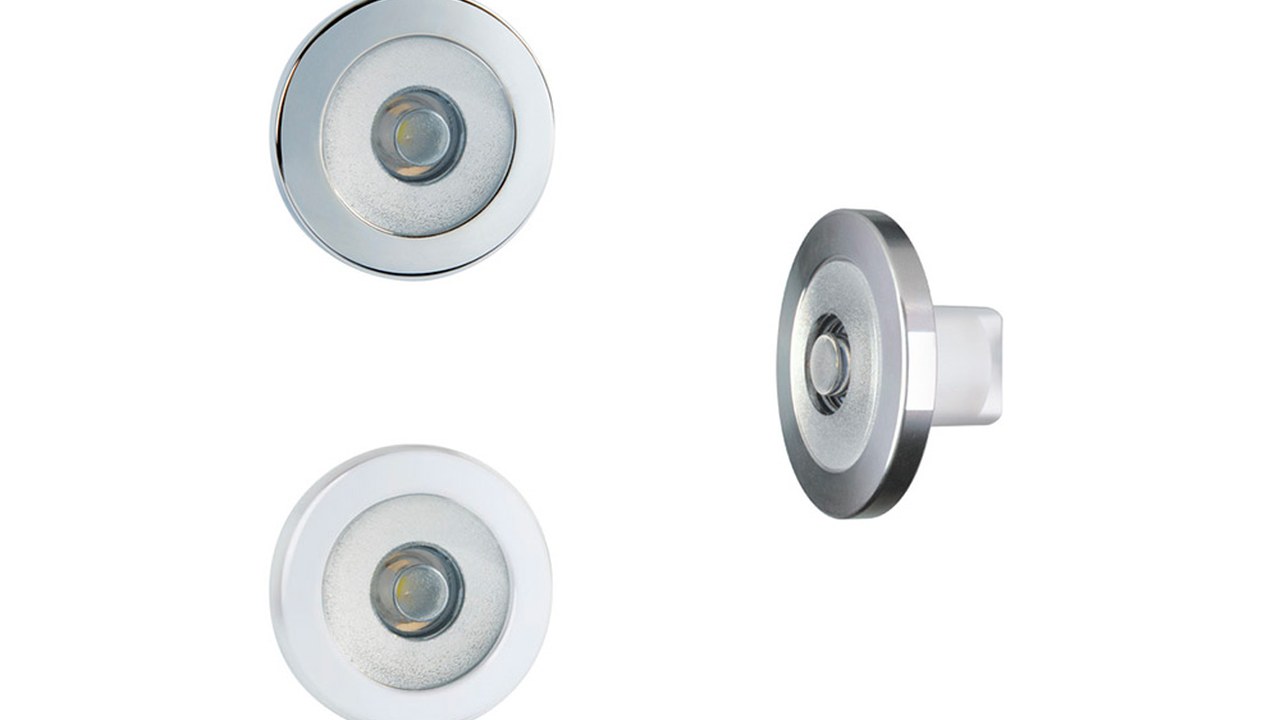
Una luce LED che si accende non dimostra che l’impianto sia corretto: dietro un cielino possono restare giunzioni inaccessibili, dimmer incompatibili, circuiti non protetti o apparecchi assegnati alla zona sbagliata. Quick Marine Lighting organizza l’offerta ufficiale in famiglie distinte, dai downlight alle luci lineari, di lettura, cortesia e subacquee, oltre a controlli e accessori. Per il tecnico questa varietà impone di conservare codice, variante e documentazione di ciascun componente e di verificare l’intera catena dalla sorgente al comando. la procedura seguente copre rilievo, posa, alimentazione, controllo, prova notturna e fascicolo finale senza inventare valori non applicabili al modello realmente installato. L’obiettivo non è uniformare prodotti diversi, ma rendere verificabili le interfacce che il cantiere costruisce attorno a ciascuno di essi. Ogni esito deve poter essere ripetuto da un manutentore che disponga di schemi aggiornati, strumenti dichiarati e accesso ai componenti reali. La prova considera inoltre la barca nella configurazione d’uso, con arredi chiusi, batterie di bordo, strumenti accesi e tutte le utenze appartenenti alla stessa scena. In questo modo un comportamento corretto sul banco non nasconde cadute, riflessi o incompatibilità che compaiono soltanto dopo l’integrazione. Le osservazioni soggettive sul comfort restano separate dalle misure elettriche, ma entrambe devono essere registrate perché rispondono a rischi diversi. La consegna diventa così una verifica ripetibile e non una dimostrazione preparata dal solo installatore.
Aprire un registro punto per punto
Ogni apparecchio riceve un identificatore collegato a zona, funzione, produttore, serie, modello, variante, finitura, circuito e comando. La scheda include revisione della documentazione ufficiale e fotografia della confezione o marcatura prima che il componente venga nascosto. Prodotti simili non vengono accorpati perché alimentazione, posa, controllo e protezione possono cambiare tra versioni. Ogni sostituzione di cantiere richiede approvazione e revisione del registro prima della posa.
Rilievo di spazi e superfici
Il tecnico misura profondità disponibili, spessori, strutture, coibentazioni, percorsi dei cavi e accessi di manutenzione per ciascuna posizione. Vetri, superfici lucide, tessuti e arredi vengono annotati perché influenzano riflessi, assorbimento e ombre. Le normali posizioni degli occhi di timoniere, passeggeri e persone in cuccetta entrano nel rilievo insieme alle quote fisiche. Zone non ispezionabili restano dichiarate e non vengono riempite con dimensioni presunte.
Associare la famiglia alla funzione
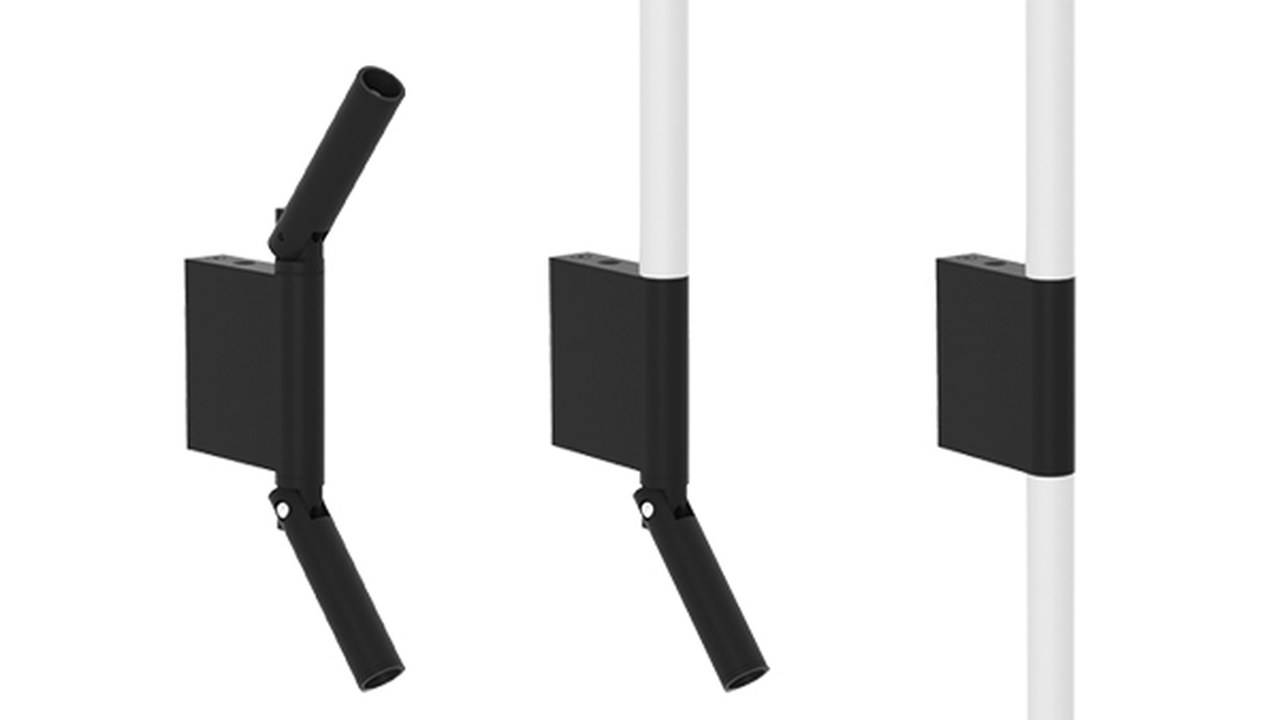
Il catalogo ufficiale distingue downlight, retrattili, apparecchi di superficie, sistemi lineari, parete, lettura, cortesia, subacquei, paralumi, controlli e accessori. la procedura verifica che la famiglia selezionata risponda alla funzione e che il modello specifico sia adatto alla posa prevista. Una denominazione commerciale o una fotografia non sostituiscono scheda, istruzioni e codice completo. Quando manca un dato necessario, l’installazione viene sospesa fino a conferma documentata.
Matrice di conformità dell’impianto
Per ogni punto si registrano requisito, fonte, valore previsto, valore osservato, responsabile, data ed esito. Le righe coprono supporto, foro, fissaggio, alimentazione, polarità quando pertinente, protezione, comando, accesso e prova visiva. Le non conformità restano aperte con azione e scadenza, senza trasformare una prova di accensione in accettazione. La matrice finale coincide con la barca consegnata e non con il progetto prima delle varianti.
| Zona | Funzione da progettare | Controllo prima della consegna |
|---|---|---|
| Coperta e passaggi | Orientamento, uniformità e assenza di abbagliamento | Prova notturna dalle normali posizioni operative |
| Interni | Luce generale, lettura e atmosfera su circuiti distinti | Scenari, dimmerazione e riflessi sulle superfici |
| Locali tecnici | Visibilità di valvole, quadri, sentina e manutenzione | Accesso, comando e illuminamento utile |
| Subacquea | Compatibilità di scafo, posa, tenuta e dissipazione | Ispezione, prova e documentazione del modello |
| Impianto | Circuiti, cavi, protezioni, controlli e sorgenti | Misure elettriche e aggiornamento degli schemi |
Verificare campione e mock-up
Prima della serie si installa un campione nella stratigrafia reale con diffusore, finitura, driver e comando previsti. La prova controlla fascio, omogeneità, riflessi, colore percepito, regolazione e interferenze con pannelli o isolamento. Il campione viene osservato dalla posizione d’uso e non soltanto frontalmente sul banco del fornitore. Esito e modifiche vengono approvati prima di replicare fori e cablaggi su tutta la barca.
Fori, fissaggi e supporti
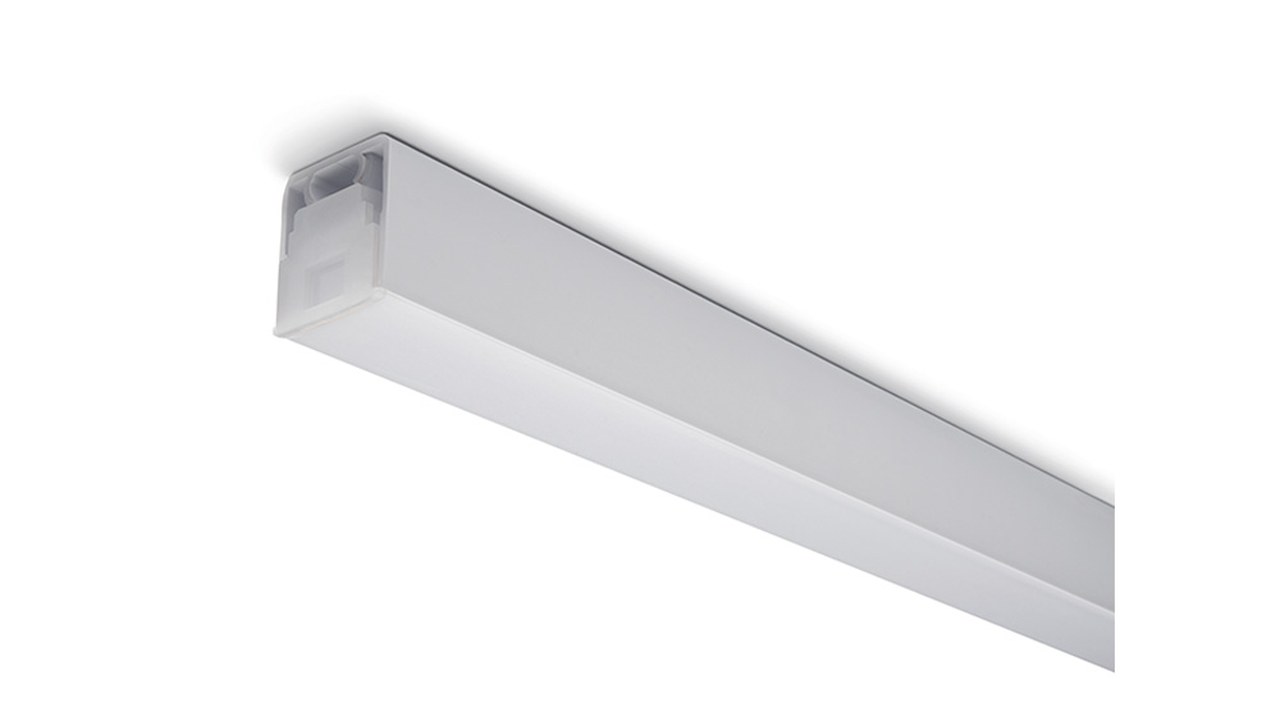
Diametro, profondità, spessore utile e sistema di fissaggio vengono confrontati con le istruzioni del modello prima di lavorare cielino o mobile. Il tecnico esclude interferenze con rinforzi, tubazioni, cavi, isolamento e meccanismi presenti dietro la superficie. Supporti fragili o sensibili al calore ricevono una soluzione progettata e documentata, non un adattamento improvvisato. Trucioli e residui vengono rimossi prima di collegare o chiudere il vano.
Cablaggio tracciato e protetto
Percorso, tipo, sezione, lunghezza, posa e identificazione dei conduttori vengono riportati sullo schema reale. Attraversamenti, bordi, zone mobili e sorgenti termiche ricevono protezione coerente con il rischio osservato. Le giunzioni restano accessibili, sostenute e protette dall’ambiente della zona senza tensione meccanica sui terminali. Ogni derivazione viene riconosciuta a entrambe le estremità e nel punto di distribuzione.
Calcolare carico e caduta di tensione
La corrente deriva dalla configurazione documentata, mentre il calcolo usa lunghezza completa, sezione, temperatura e modalità di posa. Il tecnico considera tutti gli apparecchi accesi nella stessa scena e non soltanto un campione collegato vicino alla batteria. Valori ammessi e tensione applicabile provengono dalla documentazione del componente e dal progetto elettrico della barca. Il risultato guida conduttori e distribuzione prima della posa, poi viene verificato con misure sull’impianto finito.
Protezione e selettività dei circuiti
Ogni circuito deve avere protezione coordinata con conduttori, carico, sorgente e capacità di interruzione richiesta dal progetto. Zone essenziali e percorsi non vengono concentrate dietro un unico dispositivo quando il suo intervento lascerebbe la barca al buio. Quadro, etichette e schema usano la stessa nomenclatura e consentono di isolare una zona senza tentativi. La prova include intervento o isolamento controllato secondo procedura sicura e verifica delle parti che restano alimentate.
Driver e alimentatori identificabili
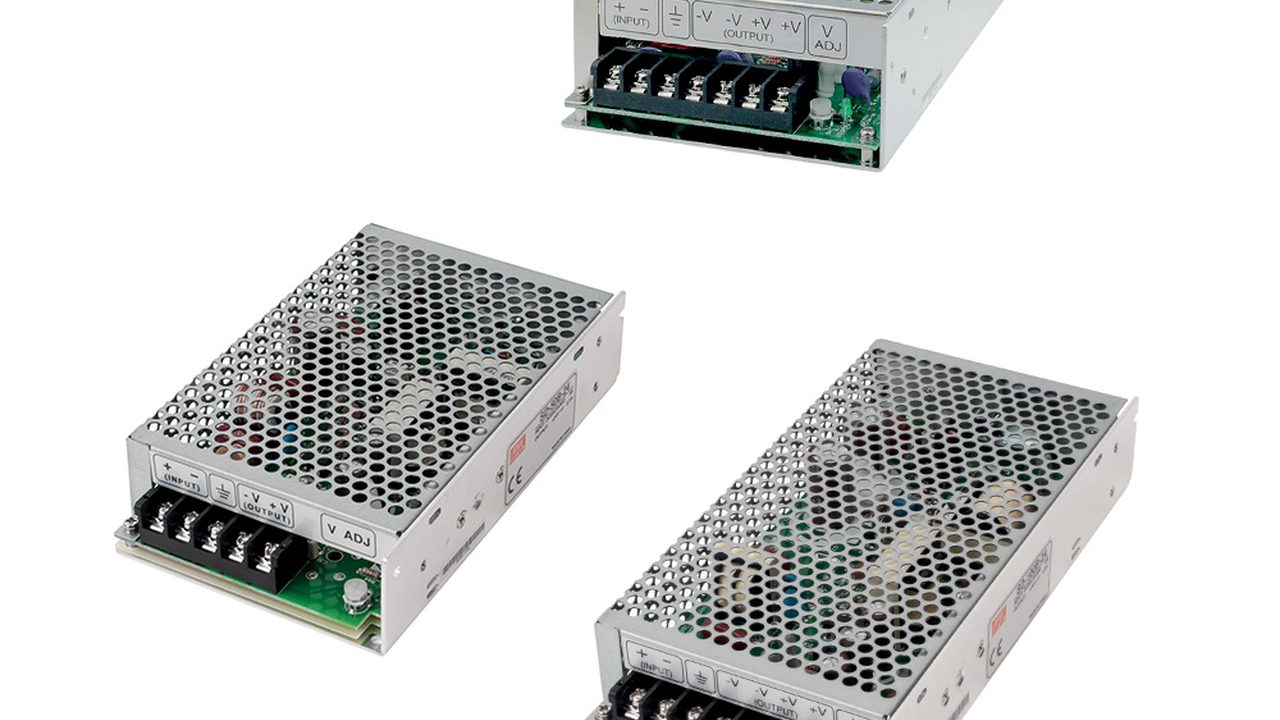
Driver, convertitori e alimentatori sono componenti dell’impianto e ricevono codice, posizione, ventilazione e accesso nel fascicolo. Ingresso, uscita, carico ammesso e compatibilità con apparecchio e comando vengono verificati sulla documentazione applicabile. Il tecnico evita collocazioni sigillate dietro finiture che impediscano diagnosi o sostituzione. Temperatura e rumorosità anomala vengono osservate durante una scena prolungata nelle condizioni di consegna.
Dimmer: provare tutta la corsa
La prova parte dall’accensione al livello minimo e attraversa l’intera regolazione cercando salti, spegnimenti, sfarfallio o risposta disuguale. Si verificano memoria, riavvio dopo interruzione, comando da più postazioni e comportamento di gruppi misti. Apparecchio, driver, dimmer e protocollo restano associati alla configurazione approvata e non vengono combinati per analogia. Il verbale registra scena, livello, durata e anomalia osservata invece di usare un generico funziona.
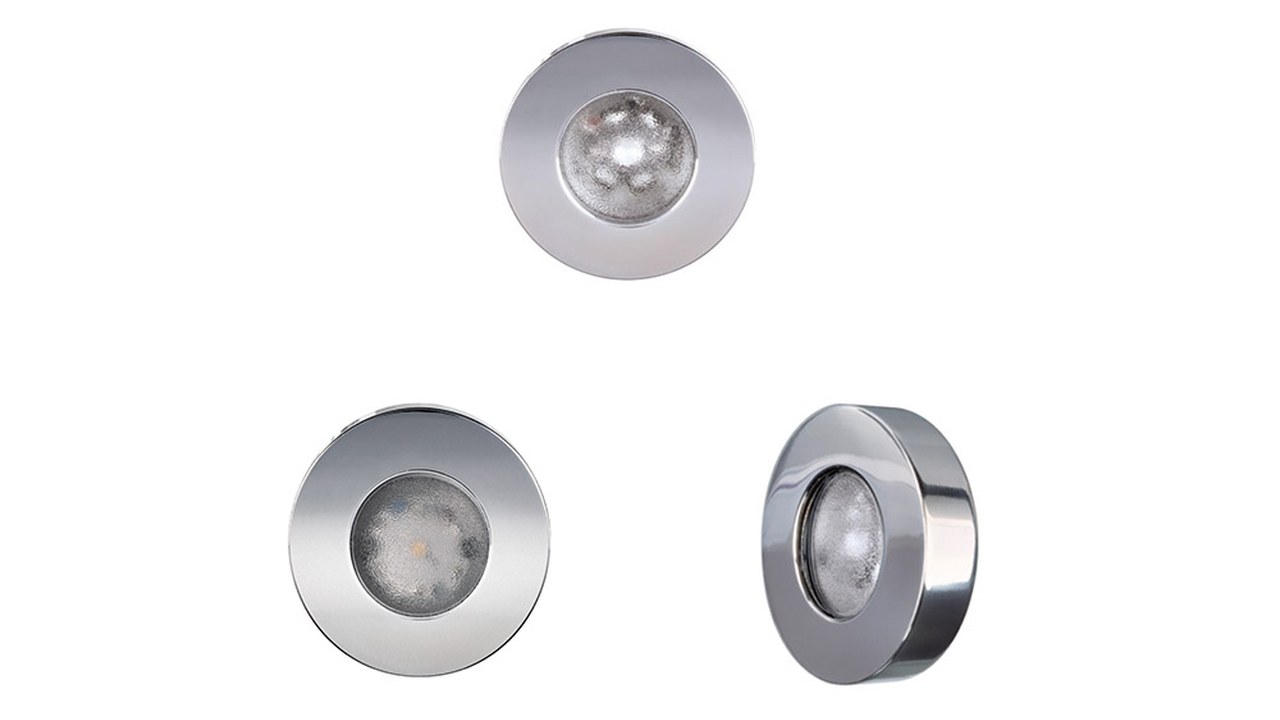
Sistemi lineari e terminali
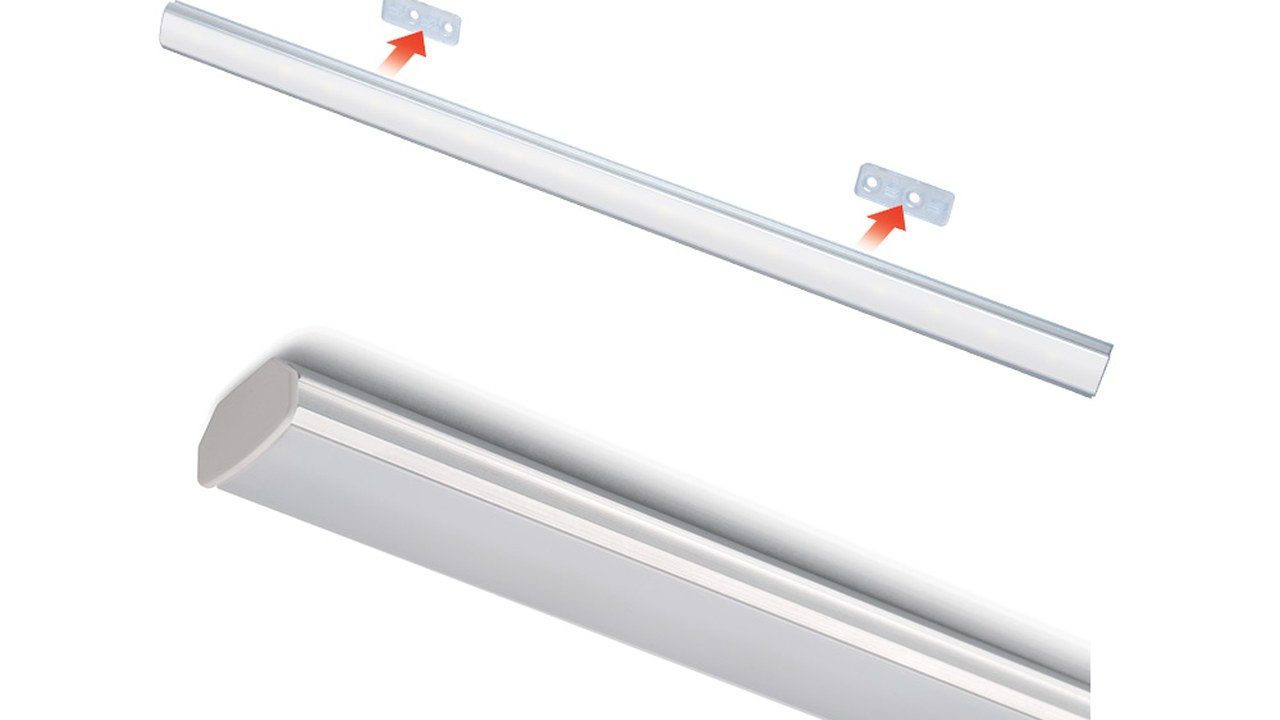
Profilo, diffusore, sorgente, alimentazione, giunzioni e terminali vengono controllati come un sistema completo. Lunghezze e punti di alimentazione rispettano la configurazione documentata, evitando linee disomogenee o cadute visibili lungo il percorso. Raggi, angoli e attraversamenti non devono forzare il componente né schiacciare il cablaggio dietro il rivestimento. Prima della chiusura si prova continuità luminosa e si fotografa ogni giunzione nascosta.
Luci di lettura e parti mobili
Bracci, snodi e teste orientabili vengono azionati ripetutamente verificando stabilità, fine corsa e assenza di sfregamento sul cavo. Il fascio raggiunge il piano di lettura senza colpire direttamente la cuccetta vicina o chi entra nella cabina. Fissaggio e supporto tollerano la leva generata dall’uso e restano accessibili per un controllo successivo. Comando locale e circuito vengono identificati chiaramente anche quando la luce è integrata nell’arredo.
Cortesia e percorsi notturni
Con le luci generali spente si percorrono gradini, corridoi, bagni e accessi in entrambe le direzioni. la procedura cerca zone d’ombra, abbagliamento basso, riflessi su superfici bagnate e comandi difficili da trovare. Sensori o automatismi vengono provati con porte, persone e tempi reali, conservando una modalità manuale comprensibile. Il percorso verso coperta non deve accendere luci capaci di disturbare la plancia o l’osservazione esterna.
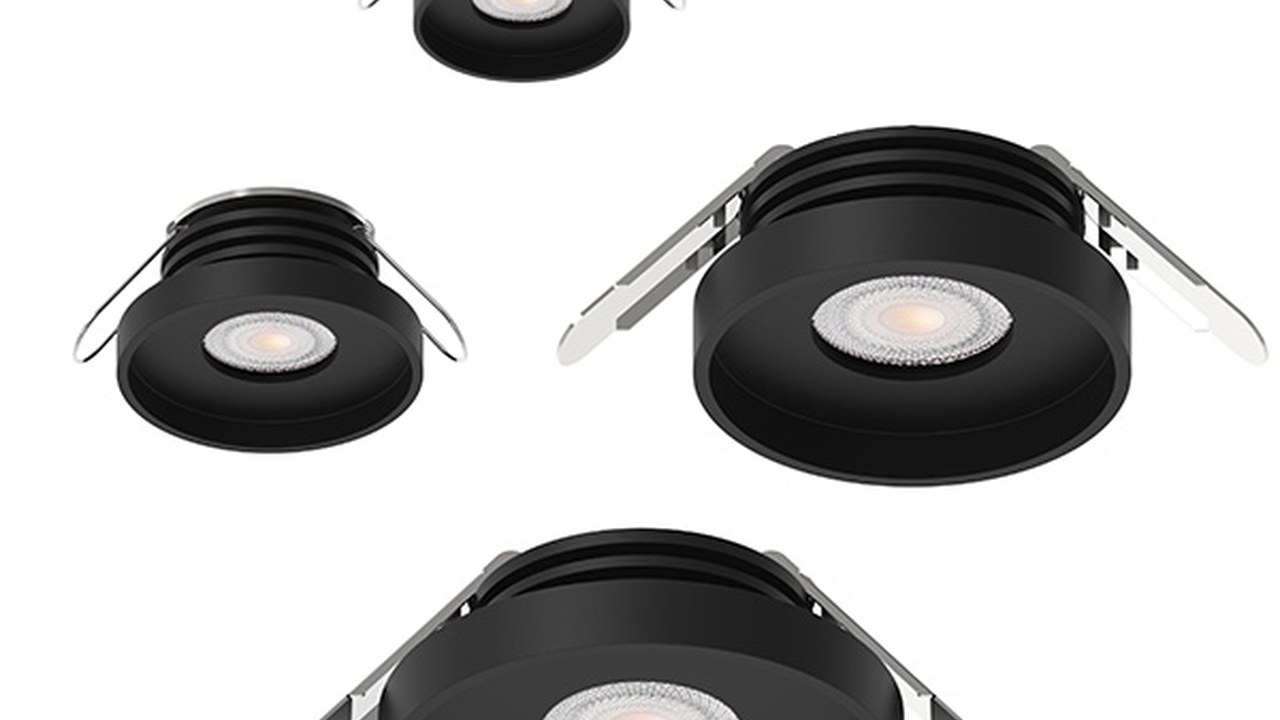
Plancia e prova dei riflessi
La verifica avviene con parabrezza, tende, schermi e strumenti nella configurazione normale di navigazione notturna. Ogni scena interna viene osservata dalla seduta del timoniere e dai punti di vedetta, cercando immagini riflesse e perdita di contrasto. Dimmerazione e orientamento vengono corretti senza compromettere la lettura di carte, comandi e passaggi. L’esito viene registrato al buio; una fotografia diurna non può chiudere questo controllo.
RGBW, scenari e logica di controllo
Canali colore, controller, interfacce e alimentazioni vengono identificati insieme agli apparecchi comandati. Si verificano bianco funzionale, limiti impostati, risposta ai comandi, riavvio e modalità locale in caso di indisponibilità del sistema centrale. La prova controlla che colori ed effetti non vengano confusi con luci di navigazione o segnali osservabili all’esterno. Indirizzi, gruppi e scene vengono esportati e consegnati come parte della configurazione tecnica.
Subacquee: controllare posa e tenuta
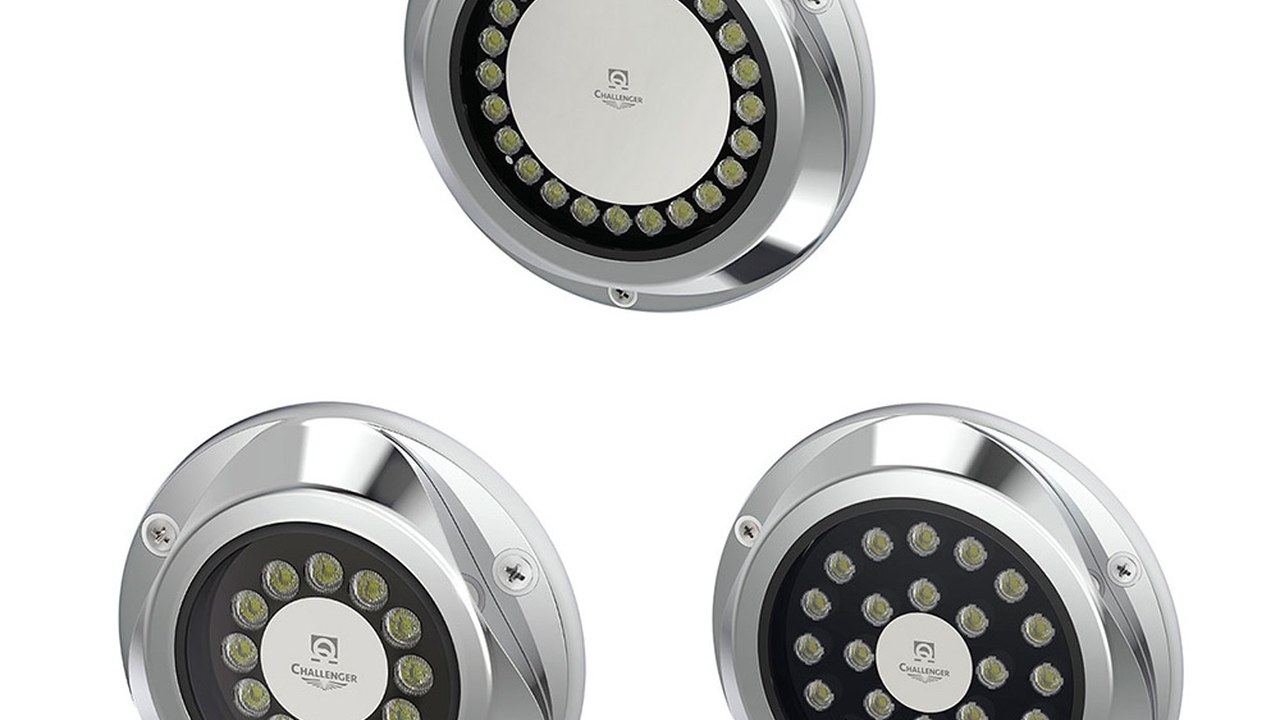
Per ogni luce subacquea si verificano modello, scafo, foro o fissaggio, materiale, sigillatura, orientamento e accesso secondo documentazione applicabile. Cavi e passaggi interni vengono protetti e resi ispezionabili, mentre la zona di sentina resta osservabile durante le prime prove. Il funzionamento rispetta condizioni e limitazioni dichiarate dal produttore, senza prove a secco non autorizzate. Dopo il varo si controllano tenuta, uniformità, comando e assenza di anomalie prima dell’accettazione.
Controllo termico e prova prolungata
Una scena completa resta attiva per il tempo previsto mentre si osservano apparecchi, driver, dimmer, quadri e vani chiusi. Temperature e limiti vengono interpretati soltanto con strumenti, condizioni e documentazione applicabili alla configurazione. Odore, scolorimento, rumore, spegnimenti o variazioni di intensità sospendono l’accettazione e avviano una diagnosi tracciata. La nuova prova avviene dopo il rimedio e nelle stesse condizioni, così l’esito è confrontabile.
Misure finali e consegna
Il verbale registra tensione alla sorgente e nei punti previsti, assorbimento dei circuiti, scena attiva, stato della batteria, strumento e ora. Si allegano fotografie di quadro, protezioni, giunzioni accessibili, componenti nascosti prima della chiusura e risultato notturno. Distinta, schemi, manuali, codici ricambio e configurazione dei controlli vengono aggiornati allo stato realmente consegnato. Equipaggio e manutentore provano accensione, regolazione, isolamento e gestione di una zona guasta.
Verdetto operativo
Un impianto LED è conforme quando ogni componente è identificato, accessibile, protetto, comandato correttamente e provato nella sua funzione reale. Le famiglie Quick aiutano a scegliere soluzioni diverse, ma impediscono di trattare tutti gli apparecchi come equivalenti soltanto perché usano tecnologia LED. Mock-up, calcolo, test della dimmerazione, prova notturna e fascicolo as-built intercettano i difetti che la semplice accensione lascia nascosti. la procedura si chiude soltanto quando osservazioni e misure coincidono con progetto e documentazione della configurazione installata.