
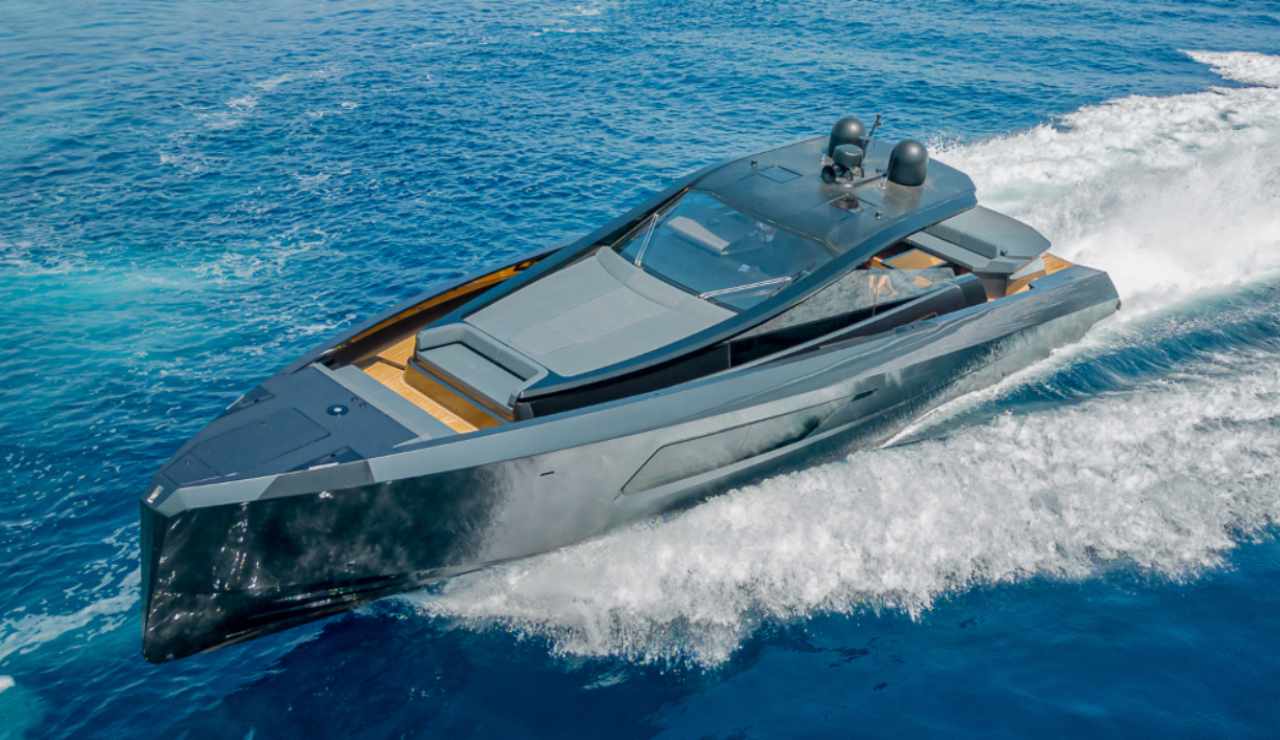
Il Maori 64 unisce il carattere di una sport boat pura a un’impostazione di coperta votata alla socialità diurna e alla crociera breve. È concepito per sostenere velocità elevate con un comportamento prevedibile, limitando spruzzi a bordo e mantenendo il baricentro basso. La carena planante è ottimizzata per i regimi in cui i surface drive esprimono il massimo rendimento.
Dati di targa e ordine di grandezza

Profilo del cantiere
Origine e sviluppo
Il marchio nasce in Sardegna, all’interno di un distretto nautico che respira il mare dodici mesi all’anno. L’impronta iniziale viene da una lettura radicale del concetto di “barca aperta”: volumi essenziali, superfici tese, poche concessioni all’ornamento. Nel tempo si consolida una vera e propria scuola di pensiero: yacht come strumenti per vivere il litorale con velocità, precisione di controllo e grande apertura verso l’elemento acqua.
Filosofia progettuale
Il cantiere privilegia tre assi cardinali: leggerezza strutturale con laminazioni controllate, continuità stilistica basata su linee pure, personalizzazione profonda che scende fino al dettaglio della ferramenta. La ricerca di performance non è mai fine a sé stessa: serve a mantenere alte medie di trasferimento, a ridurre i tempi d’esposizione su mare critico e a offrire all’armatore un oggetto evocativo ma concreto nella gestione quotidiana.
Reputazione e collocazione
Produzione volutamente contenuta, rapporto diretto con il committente e un forte radicamento mediterraneo hanno costruito un’immagine di boutique yard: si compra un “pezzo” con una firma chiara, non una piattaforma seriale. In contesti charter di fascia alta, i modelli del marchio sono scelti per la riconoscibilità estetica e per la facilità di fruizione all’ancora.
Analisi tecnica approfondita
Architettura navale e geometrie
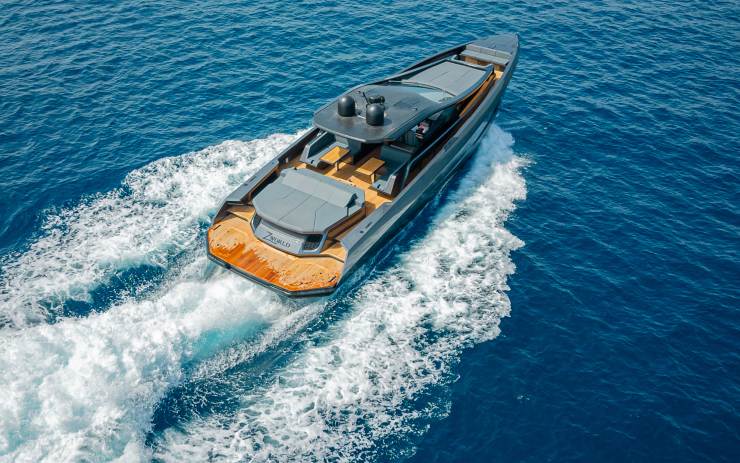
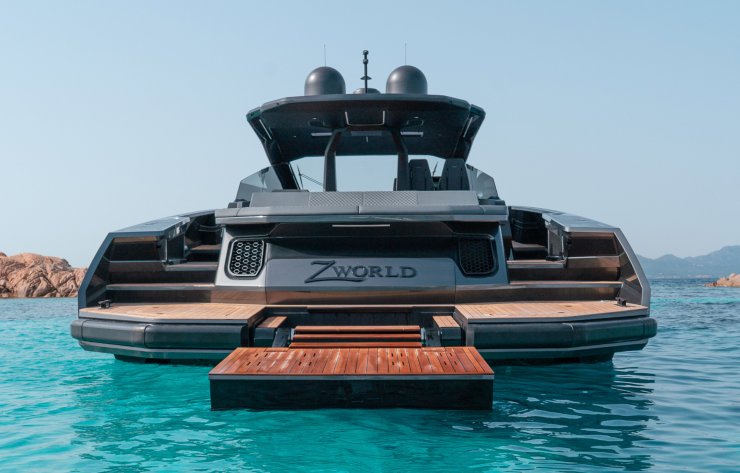
La carena è fortemente orientata alla planata: deadrise importante a poppa per una risposta morbida sul mosso e pattini di sostegno disegnati per sostenere l’assetto senza generare reazioni nervose. Le murate, che scendono verso la linea di galleggiamento, sono la cifra estetica e funzionale: aumentano la sensazione di contatto con il mare e deviano l’acqua lontano dalla zona living. Il baglio generoso garantisce stabilità trasversale in sosta e piattaforma ampia per arredi e flussi.
Materiali e processi
Scafo e sovrastruttura sono in composito con largo impiego di sandwich a core chiuso; l’infusione sottovuoto consente un rapporto fibra/resina accurato, spessori uniformi e riduzione dei punti di debolezza. Le aree a carico concentrato (basamenti, attacchi drive, longheroni) prevedono rinforzi a densità superiore o pelli monolitiche. La scelta della matrice resina privilegia l’immunità all’idrolisi e la tenuta meccanica in regime dinamico, riducendo i rischi di degrado nel medio periodo.
Impiantistica di bordo
Il ponte di comando è un glass bridge con più display integrati: propulsione, navigazione, automazione di bordo e gestione energetica dialogano su rete digitale. L’impianto A/C è a zone, con logiche di inverter per comprimere i picchi di assorbimento durante la rada. Sono previste telecamere per sala macchine e sistemi di monitoraggio che permettono il controllo remoto dei parametri essenziali.

Propulsione e trasmissione
Il cuore della barca è l’abbinamento tra motori diesel di media-alta potenza e trasmissioni a superficie. L’elica parzialmente emersa riduce la resistenza indotta, la regolazione di assetto e immersione permette di scegliere l’angolo ottimale in funzione di carico e stato del mare. In manovra lenta, la precisione è affidata a thruster dedicati; su richiesta è disponibile un’interfaccia joystick che somma in modo intelligente le spinte.
Prestazioni e autonomia
Le velocità massime sono nel giro dei quaranta nodi al primo step di potenza e crescono sensibilmente con allestimenti più muscolari, carena pulita e condizioni favorevoli. La crociera tipica a 36–38 nodi è sostenibile finché il mare non “rompe” corto; in quel caso conviene scendere su un gradino intermedio di 30–32 nodi, che risulta spesso il punto di miglior efficienza. L’autonomia reale dipende da capacità serbatoi, peso d’esercizio e andature: nell’impiego consapevole si può programmare una traversata di 250–300 miglia con buffer prudenziale.
Sicurezza e ridondanza
Gli impianti vitali sono compartimentati: sentine frazionate, antincendio fisso in sala macchine, alimentazioni ridondate per i servizi essenziali e circuiti separati per banchina, generatore e inverter/carica. La plancia presenta indicatori chiave sempre in vista (temperature, pressioni, livelli) e allarmi con priorità gerarchica chiara.
Design, architettura e layout
Linguaggio stilistico
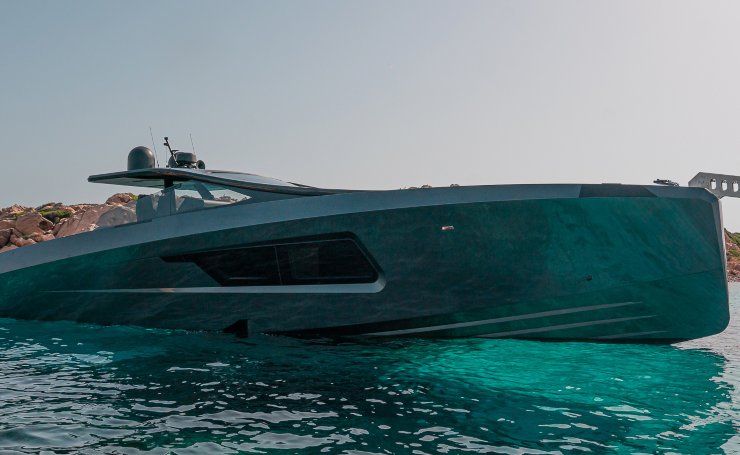
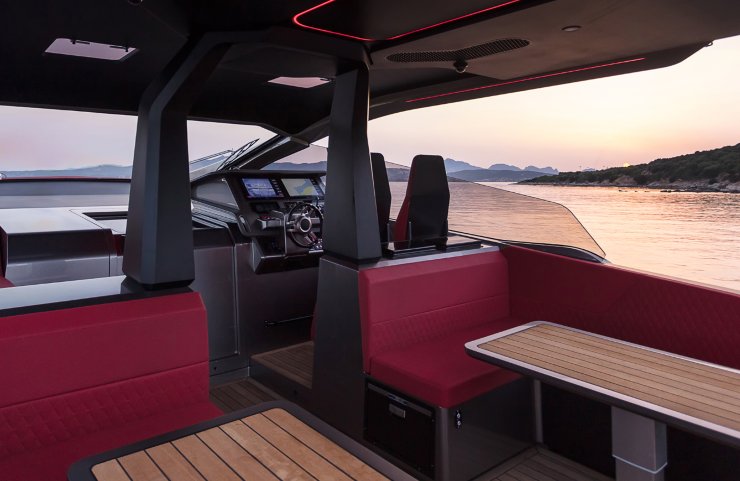
Il 64 interpreta l’open mediterraneo con superfici pure, spigoli netti e un profilo affilato. L’hard top è snello e arretrato: protegge dove serve, ma lascia passare luce e aria. La sezione del parabrezza, inclinata e proporzionata, contribuisce all’effetto “visiera” senza penalizzare la visibilità nei cambi di pendenza.
Ergonomia di coperta
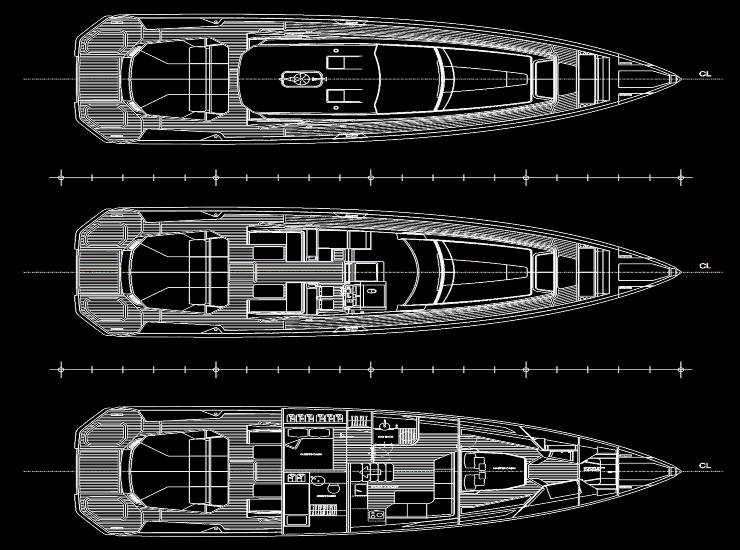
La coperta è organizzata in tre atti: prua dedicata al relax con prendisole ampi; centro barca con dinette sotto il tetto rigido e blocco bar completo; poppa come beach area con accesso diretto all’acqua e al garage. I passavanti sono dimensionati per muoversi con sicurezza anche a barca in movimento, le maniglie cadono naturalmente dove servono, le altezze sedute permettono conversazioni senza urlare.
Interni e vivibilità
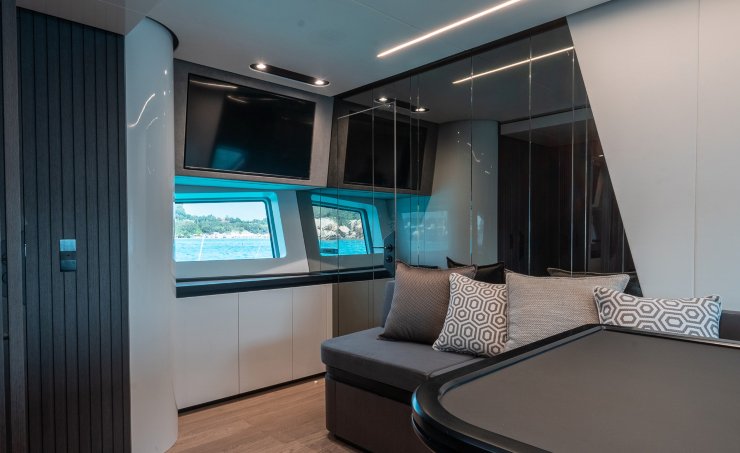
Gli ambienti sottocoperta privilegiano luminosità e semplicità: superfici opache che non affaticano, toni neutri e legni a poro aperto. Le configurazioni tipiche vanno dalla cabina armatoriale con salone convertibile a soluzioni a due cabine con due bagni e locale equipaggio. I volumi sono sfruttati con attenzione, con gavoni profondi e percorsi aria condizionata studiati per evitare punti caldi.
Layout
Dettagli di costruzione percepiti
Le giunzioni tra pannelli e le linee di fuga sono regolari; le cerniere, i perni e la bulloneria mostrano la cura su cui il cantiere costruisce la reputazione. La plancia poggia su supporti antivibranti e le paratie tecniche celano cablaggi ordinati con raggi di curvatura corretti: segni inconfondibili di una costruzione pensata per durare.
Innovazione e ricerca
Composito e processi controllati
L’infusione sottovuoto su sandwich permette di ottenere pezzi ripetitivi con pesi a progetto e minori scarti di produzione. Questo si traduce in risposte elastiche prevedibili e in una base ideale per la messa a punto dei drive a superficie, molto sensibili alle variazioni di massa.
Stabilizzazione e comfort dinamico
La predisposizione a giroscopio riduce in modo drastico il rollio alla fonda. In trasferimento a velocità medie, l’effetto si avverte sul comfort degli ospiti del pozzetto e sulla riduzione della fatica del timoniere, che si trova a correggere meno sul beccheggio laterale.
Energia e domotica
L’adozione di LED, inverter per la climatizzazione e digital switching per razionalizzare i carichi porta a consumi più intelligenti in rada. La gestione energetica visualizza assorbimenti, priorità e soglie: l’utente vede cosa sta accadendo e può intervenire prima che il generatore lavori inutilmente fuori range ottimale.
Vita a bordo: scenari d’uso
Giornata balneare
Si sale la mattina, si impostano 30–34 nodi e in meno di un’ora si è in una cala riparata. Piattaforma in acqua, tender varato in pochi minuti, toys pronti. Sotto il tetto rigido l’ombra è piena e ventilata; frigoriferi e piastra sono dove devono essere, senza percorsi tortuosi dal blocco cucina al tavolo. A fine giornata, risalita e chiusure rapide: tutto torna in posizione senza sforzo.
Trasferimento con mare corto
La prua affilata e il deadrise a poppa consentono di mantenere un ritmo brillante contenendo i colpi. Regolando assetto e immersione dei drive, la barca “si siede” quanto basta per evitare risonanze fastidiose. Il parabrezza, ben inclinato, difende gli occupanti da spruzzi e moscerini a alte medie di velocità.
Weekend esteso
Due cabine, due bagni, stivaggi profondi: ciò che serve per rimanere fuori senza compromessi. La climatizzazione multizona evita zone fredde o calde; l’illuminazione indiretta crea atmosfera senza abbagliare. In navigazione serale, la lettura degli strumenti è chiara e non invadente, grazie a palette cromatiche non affaticanti.
Prestazioni in mare: guida e sensazioni
Accelerazione e risposta
Dal regime di sollevamento alla crociera, l’uscita dall’acqua è netta e il passaggio alla portanza è rapido ma progressivo. La barra resta leggera, il feedback del timone immediato. In curva si apprezza l’aderenza laterale: gli appoggi sono pieni, la perdita di sostegno arriva graduale e leggibile, senza sorprese.
Controllo dell’assetto
Il valore aggiunto dei surface è il controllo fine: piccoli ritocchi di trim e immersione generano cambiamenti percepibili nella rumorosità e nella resistenza. Una volta “presa la mano”, l’armatore troverà il proprio set point in pochi minuti e lo replicherà quasi a memoria, adattandolo al carico della giornata.
Comfort acustico
La sala macchine è isolata con cura; in marcia, nel living sotto hard top si conversa senza dover alzare il tono. L’aria in ingresso alla macchina è canalizzata per evitare fischi e sfiati nei cambi di regime. Sottocoperta le vibrazioni sono percepibili ma smorzate, coerenti con un open ad alte prestazioni.
Mercato e concorrenza
Segmento di riferimento
Il 64 si colloca nel quadrante degli open di pregio fra 60 e 66 piedi con forte identità stilistica e attitudine alla velocità. Il prezzo dipende in maniera sensibile da motori, vernici speciali, elettronica avanzata, stabilizzazione e personalizzazioni degli interni. Il valore percepito, oltre ai numeri, si gioca sulla coerenza del progetto e sulla qualità dei dettagli visibili.

Confronto con alternative
Open sportivi con IPS
Molto facili in manovra e parsimoniosi a 25–32 nodi, ma raramente raggiungono la stessa tensione dinamica e la stessa prontezza oltre i 35 nodi di un surface ben tarato.
“Transformer” di coperta
Soluzioni scenografiche e modularità estrema; sacrificano qualcosa in termini di velocità pura e risposta sull’onda corta. Ideali per evento e hospitality.
Missili fuori bordo
Velocità di picco altissime e manutenzione semplificata dei gruppi propulsori; in coperta il timbro acustico dei motori resta più presente, e il baricentro può risentirne.
Granturismo “classici” ad asse
Comfort lineare e prevedibilità totale, ma con top speed inferiori e minor finezza di regolazione alle andature molto alte.

Punti di forza distintivi
- Linea inconfondibile che comunica esclusività anche a distanza.
- Regime di crociera elevato con controllo assetto puntuale.
- Coperta pragmatica pensata per l’uso reale, non per l’effetto vetrina.
- Costruzione accurata con cablaggi ordinati e finiture curate.
Criticità oggettive
- Curva d’apprendimento nella gestione dei surface: serve un timoniere che ami “guidare”.
- Consumi coerenti con la categoria: il miglior rendimento si ottiene con barca pulita e andatura corretta allo stato del mare.
- Prezzo d’accesso elevato a fronte di personalizzazioni importanti, in linea con la natura boutique del marchio.
Clientela, canali e gestione
A chi parla questa barca
L’armatore tipo è esperto, desidera un oggetto con firma, non vuole rinunciare alla velocità e pretende un ponte che funzioni davvero per ospiti e famiglia. In ambito charter premium, la barca lavora bene per giornate “esperienziali” ad alto tasso estetico, con rientro rapido anche al calare del meteo.
Manutenzione intelligente
Il programma ottimale prevede attenzione costante a carena, eliche, convergenze drive, cinghie e raffreddamento. Un calendario di controlli mirati, oltre a preservare prestazioni, mantiene un valore residuo superiore e rende la vendita sul secondario più lineare.
Prospettive future
Evoluzioni plausibili
La piattaforma si presta a aggiornamenti ciclici: pacchetti elettronica di nuova generazione, banchi batterie più capienti, interventi di alleggerimento su arredi e componenti, accessori per beach area sempre più integrati. Sul fronte comfort, è realistico attendersi un uso ancora più esteso della stabilizzazione e ulteriori ottimizzazioni acustiche.
Direzione del cantiere
La linea seguita finora — pulizia formale, performance autentiche, personalizzazione sartoriale — è la bussola dell’intera gamma. Il 64 rimane una pietra angolare: è abbastanza grande per vivere il mare in grande, ma abbastanza compatto da restare “guidabile” come uno strumento sportivo.
Immagini extra

Consigli operativi dell’esperto
Messa a punto iniziale
- Eseguire una prova a vuoto e una prova a pieno carico, annotando assetti e regimi per replicabilità.
- Stabilire due cruise di riferimento: uno “alto” per mare buono e uno “medio” per onda corta.
- Verificare la pulizia carena ogni 4–6 settimane nella stagione d’uso intenso.
Uso quotidiano
- Prevedere check di 60 secondi prima di ogni partenza (livelli, pompe, allarmi, logiche A/C).
- Gestire il peso mobile (ancore, toys, cambusa) con criterio: il bilanciamento incide davvero sul comfort.
- Impostare curve di consumo con riferimenti personali: pochi dati ben presi valgono più di mille tabelle.
Conservazione del valore
- Tenere cronologia documentata di interventi e aggiornamenti.
- Inserire dotazioni appetibili (stabilizzatore, tendalini rapidi, verniciature premium) già in fase d’ordine.
- Curare detailing esterno e piccole “riprese” interne a fine stagione.
Video
Conclusioni
Il Maori 64 ft è l’interpretazione più schietta del concetto di open mediterraneo ad alte prestazioni: scafo leggero ma solido, trasmissioni a superficie per medie davvero elevate, coperta funzionale e interni senza fronzoli inutili. È una barca che chiede al timoniere di essere protagonista — di ascoltare la carena, di lavorare di fino con i drive — e che in cambio offre ritmo, controllo e un’estetica che non passa inosservata. In un panorama affollato di modelli scenografici o, all’opposto, iper-razionali, questo 64 piedi si piazza nel punto d’incontro tra piacere di guida, efficienza alle alte andature e identità di marca. Per l’armatore che cerca un 60–66’ con firma netta, sensazioni forti e usabilità vera, resta una scelta di grande coerenza.