
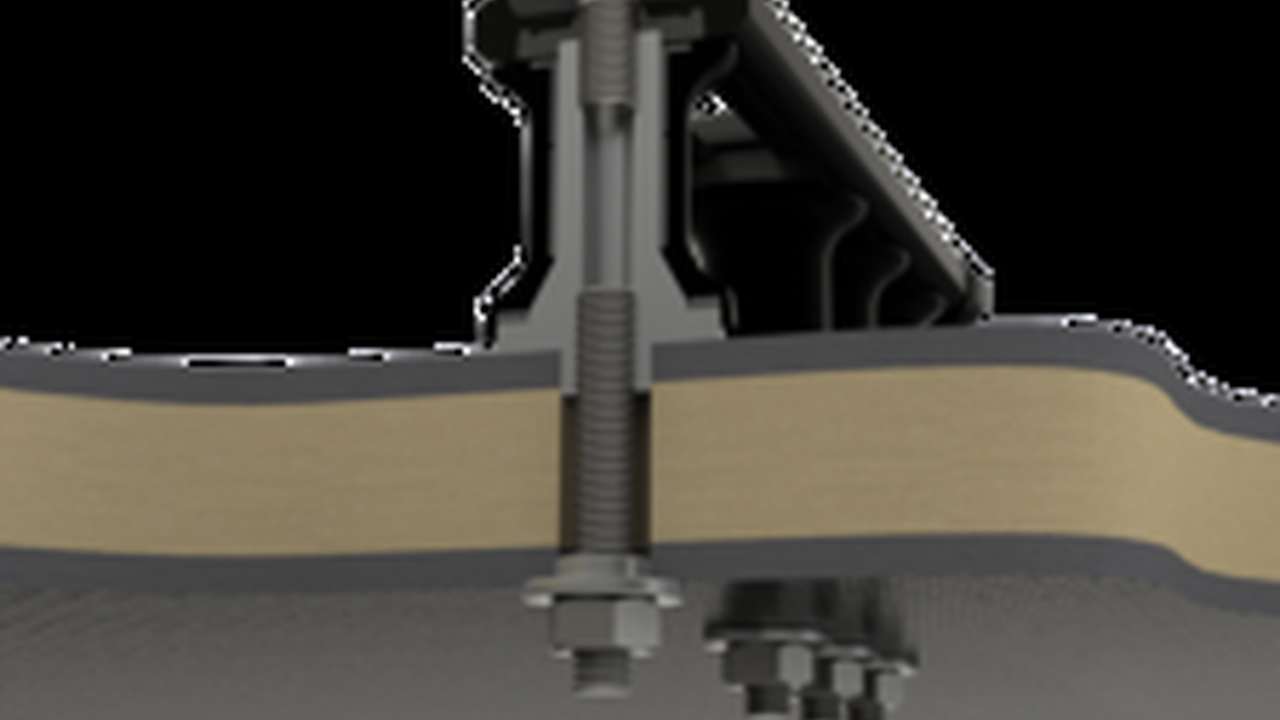
Se una drizza è dura anche a vela scarica, il winch non è sempre il colpevole. Una puleggia dell’organizer può essere sporca, consumata o caricata lateralmente; una cima fuori diametro può sedere male; la base può essersi deformata. Le serie Spinlock T25, T38 e T50 hanno misure e limiti diversi, quindi la verifica parte dal codice. questa analisi segue ogni via dal piede d’albero allo stopper, separa attrito, disallineamento e problemi strutturali e conclude con una prova progressiva.
Scaricare tutte le manovre prima di toccare l’organizer
Le cime vengono rese prive di carico e trattenute con sistemi alternativi appropriati. Nessuno infila dita tra linea e puleggia, anche quando sembra libera. Si segna la posizione delle manovre per ricostruire l’ordine corretto. Se l’unità è impilata, si considera anche il livello superiore. L’ispezione comincia soltanto quando l’intero gruppo non può muoversi per una raffica, una vela sospesa o un comando dell’equipaggio.
Identificare serie, numero di vie e variante
Si legge il modello e si annotano T25, T38 o T50, numero di pulegge, versione simmetrica o asimmetrica ed eventuale impilamento. La forma da sola non basta. Si registra quale cima occupa ogni via e lo stopper di destinazione. Se il codice non è leggibile, diametro delle pulegge e schema di foratura aiutano ma non autorizzano ricambi finché l’identificazione non è certa. Una configurazione mista richiede la documentazione di tutti i livelli.
| Controllo | T25 | T38 | T50 |
|---|---|---|---|
| Puleggia | 25 mm composita | 38 mm composita | 50 mm composita |
| Cima massima | 10 mm | 12 mm | 14 mm |
| SWL per via | 400 kg | 600 kg | 1000 kg |
| SWL totale | vie × 200 kg | vie × 300 kg | vie × 500 kg |
| Segnale tipico | usura sulla striscia | rotazione o curva | carico e supporto |
Misurare il diametro reale di ogni cima
T25 accetta cime fino a 10 millimetri, T38 fino a 12 e T50 fino a 14. Si misura il tratto libero e quello che attraversa la puleggia, cercando appiattimento, rigonfiamento e calza spostata. Una linea al massimo nominale può sedere male se deformata o contaminata. Il controllo non forza la cima dentro la gola. Se il diametro effettivo non è compatibile, la linea viene esclusa o il percorso ridisegnato prima della prova.
Provare una puleggia alla volta senza la cima
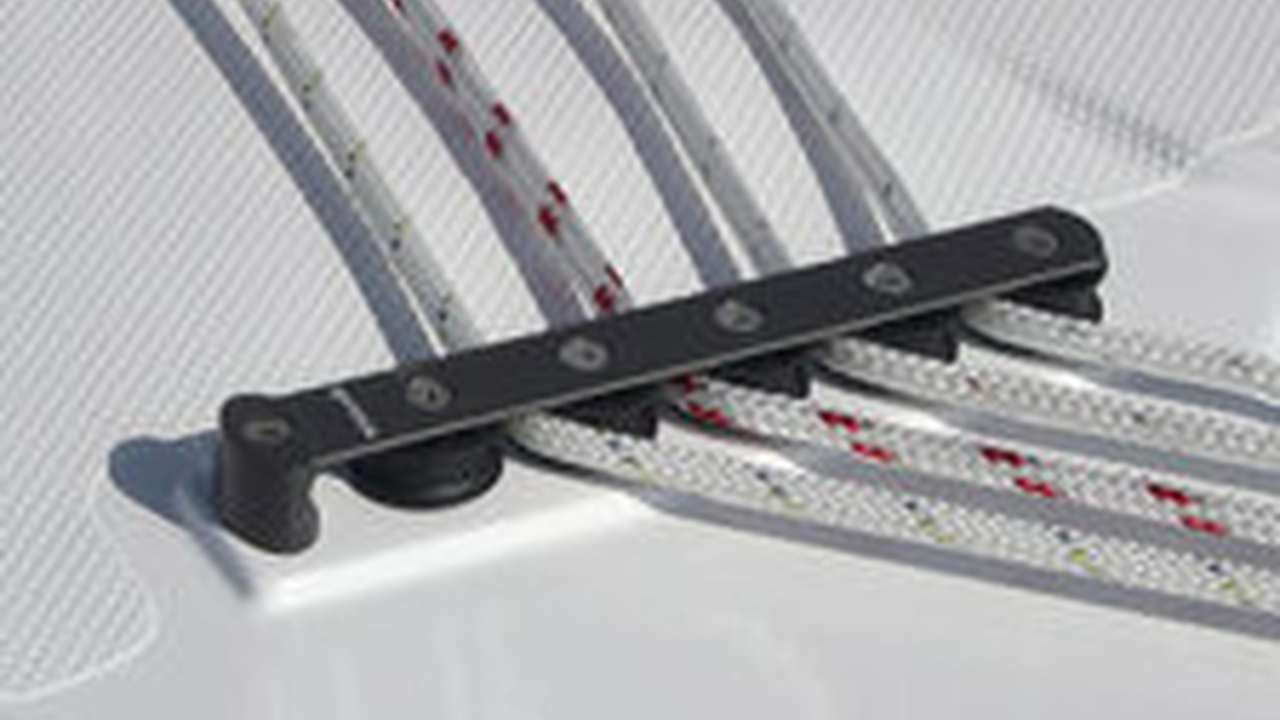
Con il gruppo scarico si solleva la linea e si fa ruotare ogni puleggia con metodo uniforme. Si confrontano resistenza, rumore e gioco tra vie. Una puleggia bloccata può trasformare l’organizer in un semplice pattino, lucidando la calza. Una che gira ma oscilla può avere usura. Il confronto interno è utile perché le condizioni ambientali sono comuni. Non si applicano lubrificanti non previsti: prima si pulisce e si consulta la procedura della serie.
Cercare sale, sabbia e fibre negli spazi laterali
I depositi si accumulano tra puleggia, asse e carter. Si risciacqua con acqua dolce, si usa un getto moderato e si lascia drenare. Utensili metallici non vengono inseriti tra le parti per forzare la rotazione. Fibre della calza possono indicare un danno già in corso. Dopo la pulizia si ripete la prova a vuoto. Se la resistenza resta elevata o il gioco aumenta, il gruppo non torna in servizio fino alla valutazione del componente.
Osservare i segni laterali sulla cima e sul fairing
Un solo fianco lucido, polvere concentrata o un terminale segnato indicano deviazione laterale. T38 e T50 integrano fairing per gestire carichi laterali, ma la loro presenza non rende corretto un ingresso obliquo continuo. Si tende una linea leggera lungo l’asse dal rinvio allo stopper e si osserva lo scostamento. La correzione può richiedere una via diversa, lo spostamento di un elemento o una guida appropriata, non l’aumento della tensione.
Controllare l’angolo verticale in ingresso e uscita
La cima deve sedere nella gola senza sollevarsi né premere sul bordo. Un organizer impilato cambia l’altezza delle vie superiori; un piede d’albero alto o uno stopper basso può creare un salto verticale. Si osserva la linea da lato con carico minimo controllato. Tracce sopra o sotto la gola confermano un percorso errato. Il difetto geometrico viene risolto prima di attribuire la durezza al cuscinetto o alla costruzione della cima.
Verificare il limite per via e quello totale
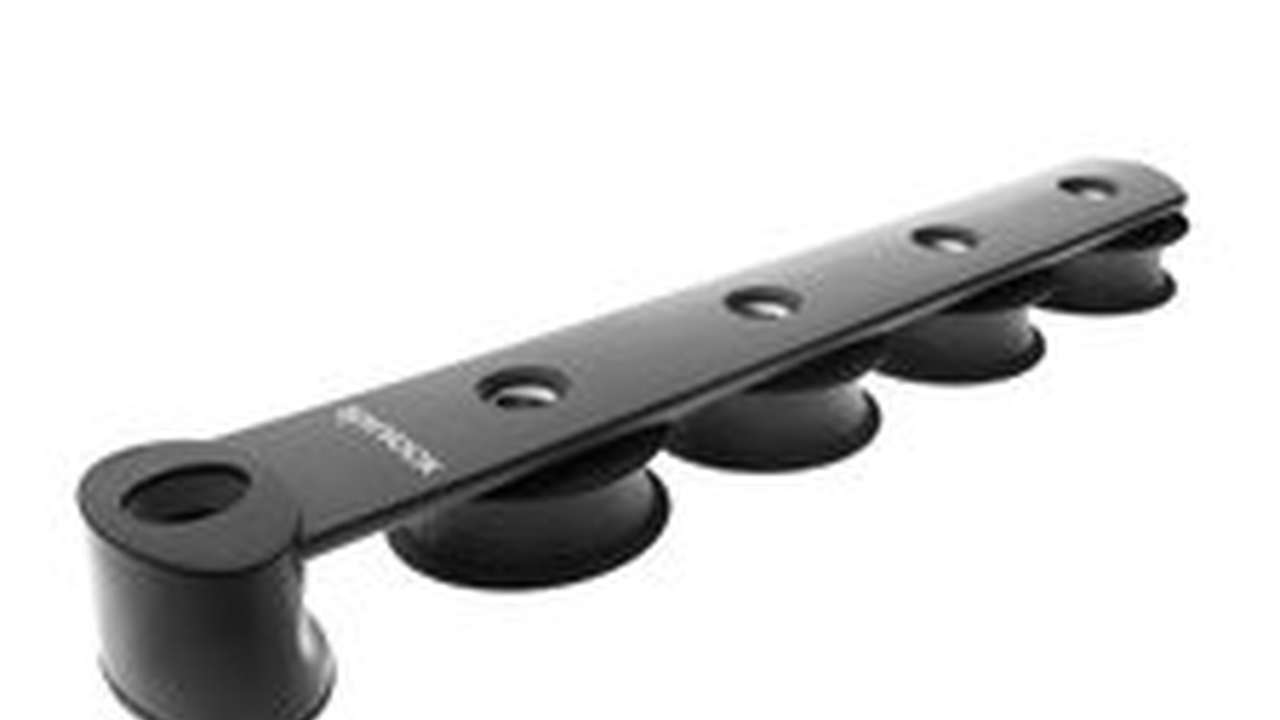
Il limite dichiarato della singola puleggia non coincide con la quota usata per il totale: T25 è 400 chilogrammi per via e numero vie per 200 nel gruppo; T38 600 e numero vie per 300; T50 1000 e numero vie per 500. Si ricostruiscono le manovre che possono essere caricate contemporaneamente. Una via conforme può far parte di una batteria complessivamente sovraccarica. La verifica del carico precede qualunque prova in tensione.
Controllare la curva della base e il contatto sulla tuga
T38 e T50 dispongono di funzione Vari-camber per seguire la curvatura della coperta; T25 usa una base inox non collegata adatta a superfici curve. Si cerca luce sotto il corpo, sigillante espulso e appoggio soltanto sui bordi. Il serraggio non deve costringere una forma incompatibile. Una base deformata può frenare le pulegge o caricare i fissaggi in modo irregolare. Il supporto viene ripristinato prima del rimontaggio.
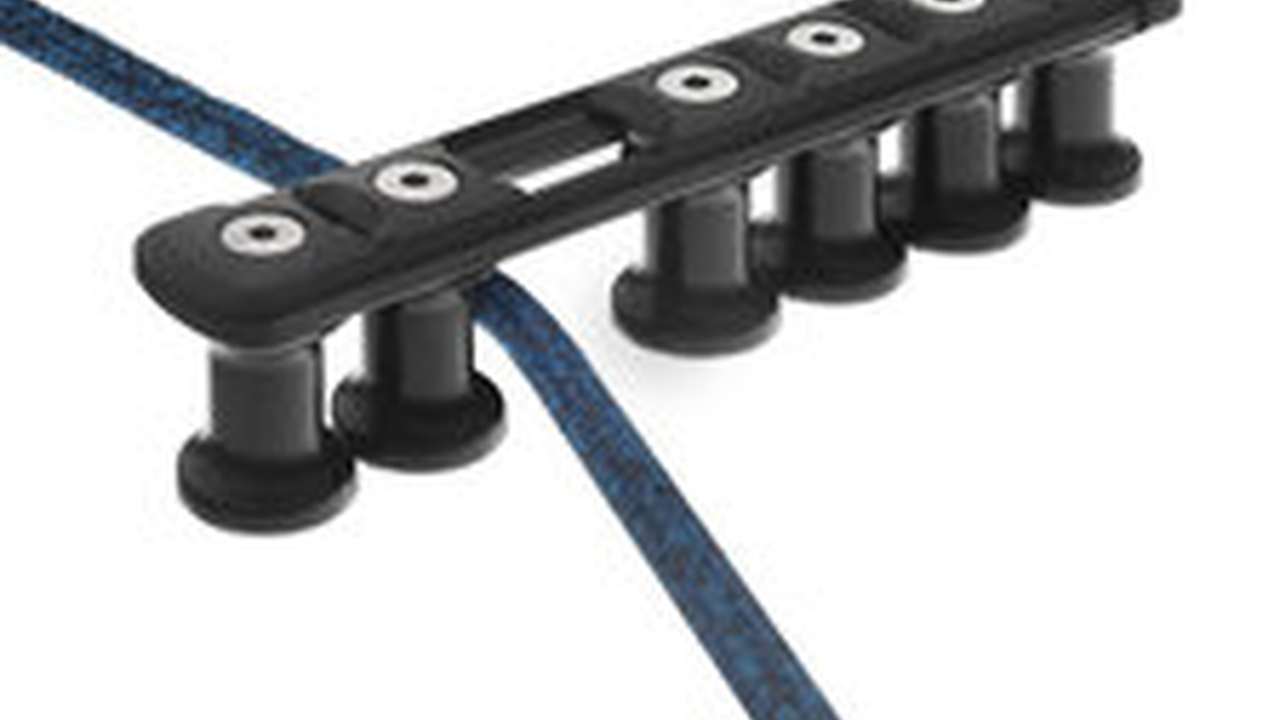
Esaminare l’impilamento e le vie nascoste
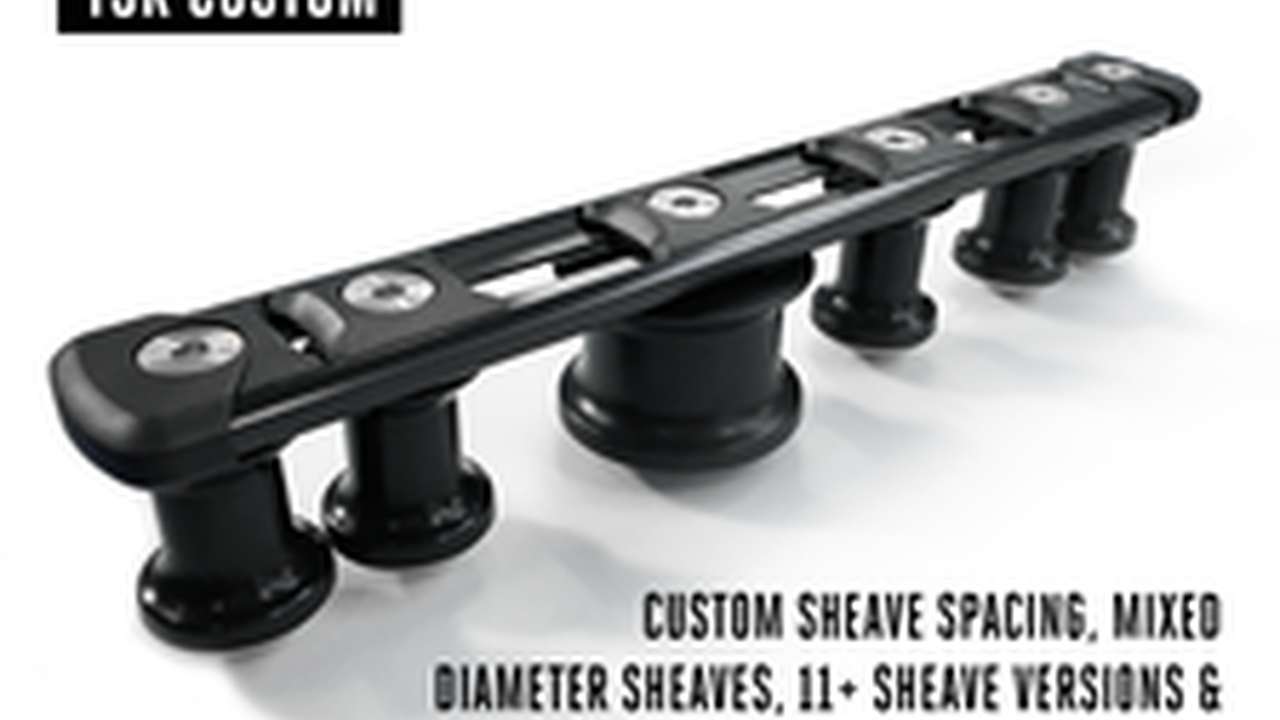
T38 e T50 possono essere impilati nelle configurazioni previste. Si controllano separatamente livello superiore e inferiore, accessibilità, allineamento e contatto tra i corpi. Le cime non devono sfregare sulla struttura del piano vicino. Un’unità aggiunta successivamente può aver cambiato gli angoli senza aggiornare stopper o guide. la procedura registra l’ordine dei livelli e verifica che i fissaggi e il supporto siano dimensionati per la configurazione completa.
Controllare la striscia antiusura di T25
T25 integra una striscia in acciaio inossidabile per prevenire danni locali alla cima. Si osservano bordi sollevati, deformazioni, graffi profondi e depositi. La striscia protegge nei punti previsti, ma non deve diventare una superficie tagliente. Se è segnata soltanto su una via, si confronta il percorso di quella manovra. Non si lucida o piega il metallo senza una procedura: un profilo modificato può cambiare appoggio e tenuta della linea.
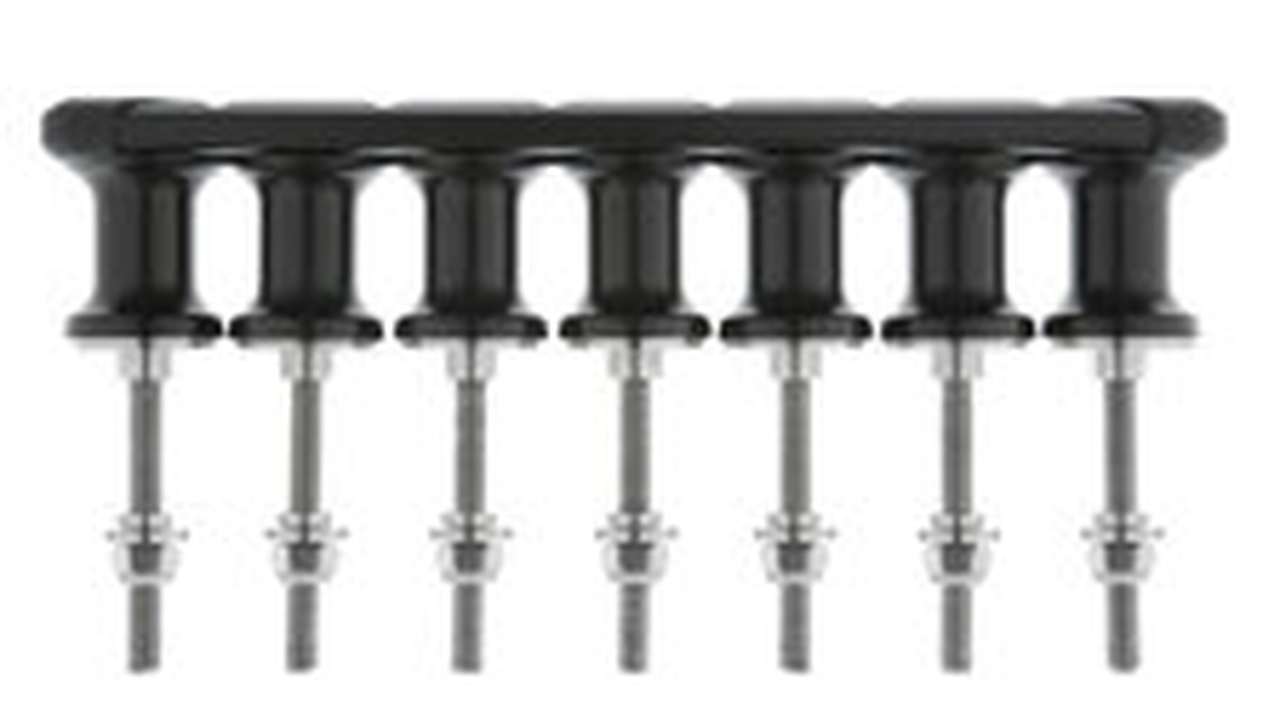
Verificare bulloni, teste svasate e movimento del corpo
T25 indica due M5 svasati non forniti. Per ogni serie si segue lo schema specifico e si controllano teste, dadi, rondelle e contropiastra. Una persona applica un tiro moderato mentre l’altra osserva la base; qualunque movimento relativo impone l’arresto. Il serraggio eccessivo può deformare carter o coperta. La coppia viene applicata secondo materiali e istruzioni, senza usare la chiave per compensare fori ovalizzati o un rinforzo insufficiente.
Cercare infiltrazioni sotto coperta
Aloni, umidità, odore, sigillante degradato e corrosione dei fissaggi rivelano una tenuta compromessa. Su sandwich si verifica anche lo schiacciamento dell’anima. La perdita può non essere visibile dall’alto perché il corpo copre i fori. Se compare acqua, l’organizer viene rimosso con procedura controllata, la struttura asciugata e ripristinata, poi i fori vengono nuovamente sigillati. Un semplice cordone esterno non risolve il percorso interno dell’umidità.
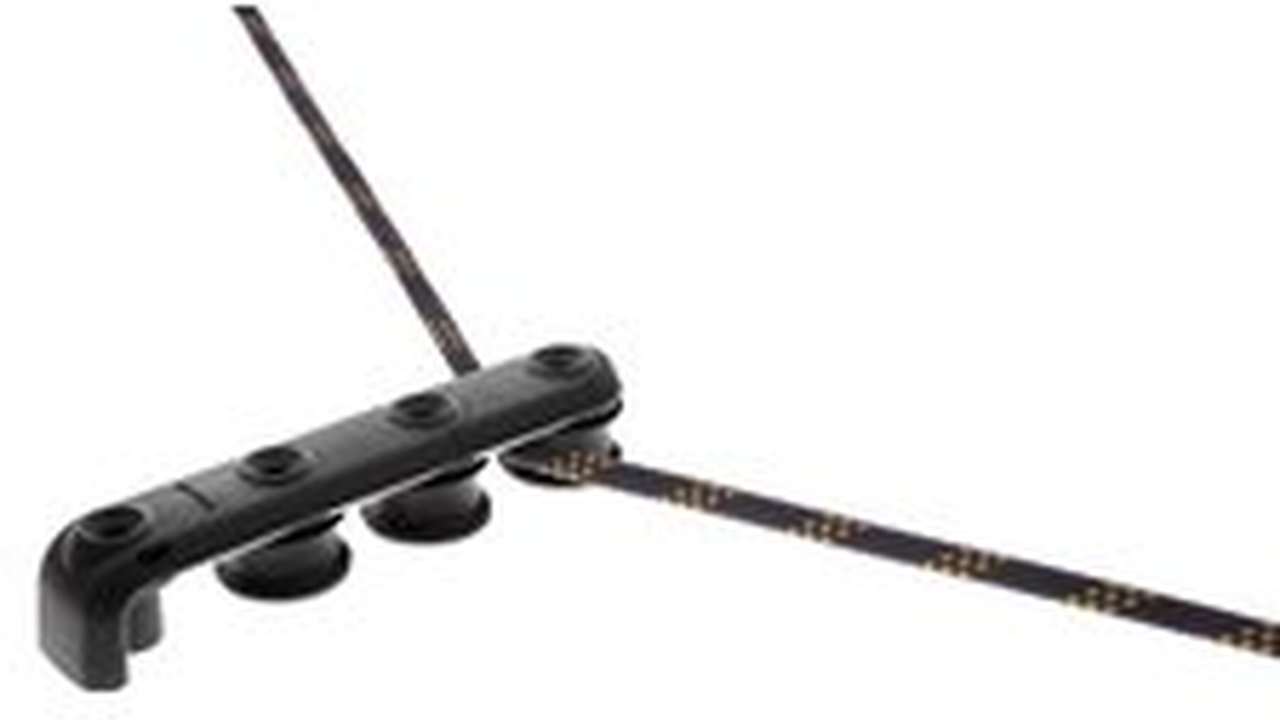
Seguire la cima fino allo stopper e al winch
Una puleggia libera può essere accusata ingiustamente se la resistenza nasce nello stopper, in un rinvio precedente o sul tamburo. Ogni linea viene verificata per sezioni: piede d’albero-organizer, organizer-stopper e stopper-winch. Si libera un elemento alla volta e si confronta lo sforzo. Il metodo evita sostituzioni casuali e mostra eventuali incroci. Il percorso viene documentato perché, dopo aver rimesso tutte le cime, l’ordine errato può ricreare il difetto.
Confrontare peso e configurazione con il modello
Un T25 a due vie pesa 64 grammi e aggiunge 20 grammi per ogni puleggia ulteriore. T38 a due vie pesa 115 grammi, con 30 grammi aggiuntivi per via; T50 a due vie pesa 195 grammi. Il peso non diagnostica da solo un guasto, ma aiuta a riconoscere la configurazione e parti estranee. Una differenza significativa porta a controllare sovrapposizioni, distanziali o componenti non documentati prima del rimontaggio.
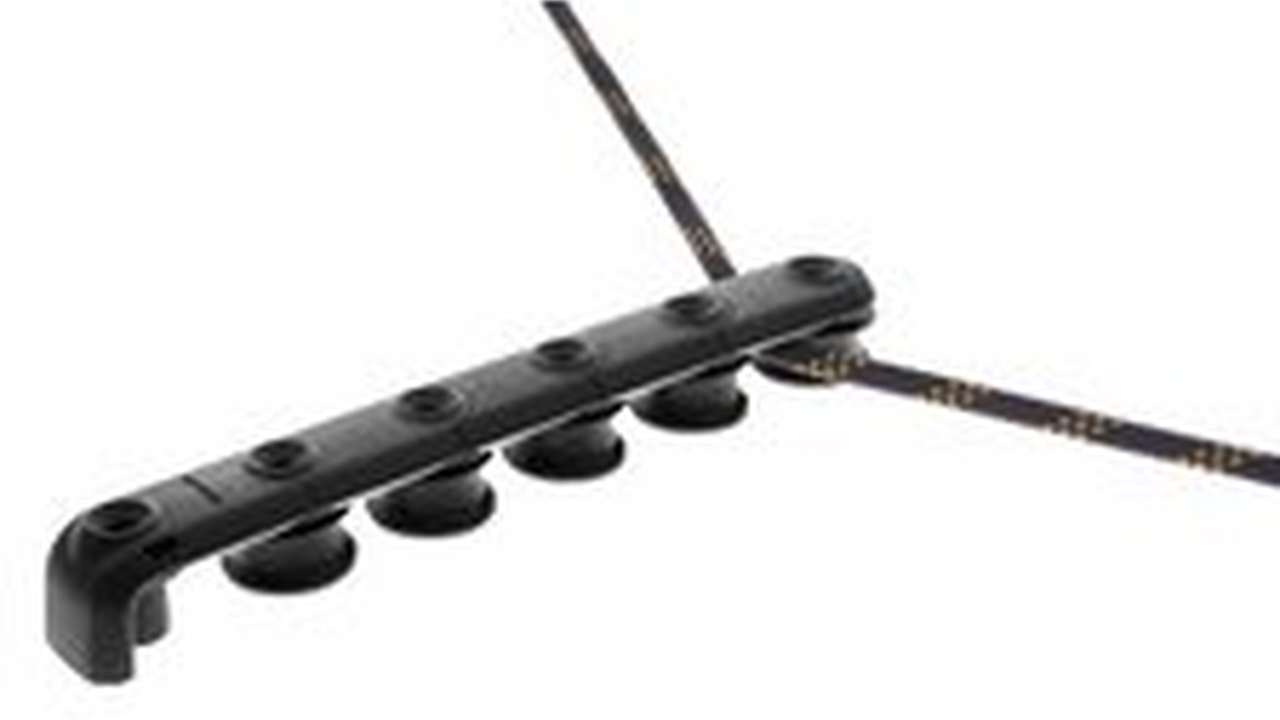
Eseguire una prova progressiva e osservabile
Dopo pulizia e correzioni, la cima viene caricata gradualmente entro la procedura stabilita. Un riferimento sulla calza mostra scorrimento o sfregamento. Si osservano rotazione della puleggia, stabilità della base e continuità verso lo stopper. Nessuno resta nella linea di richiamo. La prova si interrompe a rumori, calore, movimento o incremento anomalo dello sforzo. Il risultato non cerca il limite del prodotto: conferma il normale percorso operativo della specifica manovra.
Registrare via, sintomo e intervento
La scheda riporta serie, numero di vie, posizione della cima, diametro, stato della puleggia, segni laterali, fissaggi, tenuta e prova. “Organizer pulito” non basta: al controllo successivo bisogna sapere quale drizza era dura e perché. Se si cambia la cima o lo stopper, l’allineamento viene verificato di nuovo. Una fotografia dall’alto e una laterale aiutano a riconoscere spostamenti futuri, ma non sostituiscono le misure.
Confrontare lo sforzo prima e dopo l’intervento
La verifica usa la stessa manovra, lo stesso percorso e una condizione controllata comparabile. Non serve inventare un valore di rendimento: si registra se la cima scorre con continuità, se la puleggia gira e se il winch riceve il carico senza scatti. Una riduzione apparente ottenuta cambiando contemporaneamente linea, stopper e percorso non identifica la causa. Quando sono necessari più interventi, vengono applicati e provati per fasi. Così la manutenzione produce una diagnosi ripetibile e permette di riconoscere un attrito che ritorna prima che la calza venga nuovamente danneggiata.
La drizza torna scorrevole quando la causa è eliminata
la procedura separa una puleggia bloccata da cima sovradimensionata, deviazione laterale, base deformata o problema nello stopper. T25, T38 e T50 vengono valutati con i rispettivi diametri e limiti, compreso il totale del gruppo. Pulizia, struttura e tenuta completano il controllo meccanico. Solo quando ogni via gira, la base resta ferma e il percorso è centrato, l’organizer torna a distribuire le manovre senza trasformare il winch in una cura per l’attrito. La chiusura della scheda richiede inoltre che tutte le protezioni siano rimontate, le cime riconsegnate alle vie registrate e l’equipaggio informato delle modifiche effettuate.