
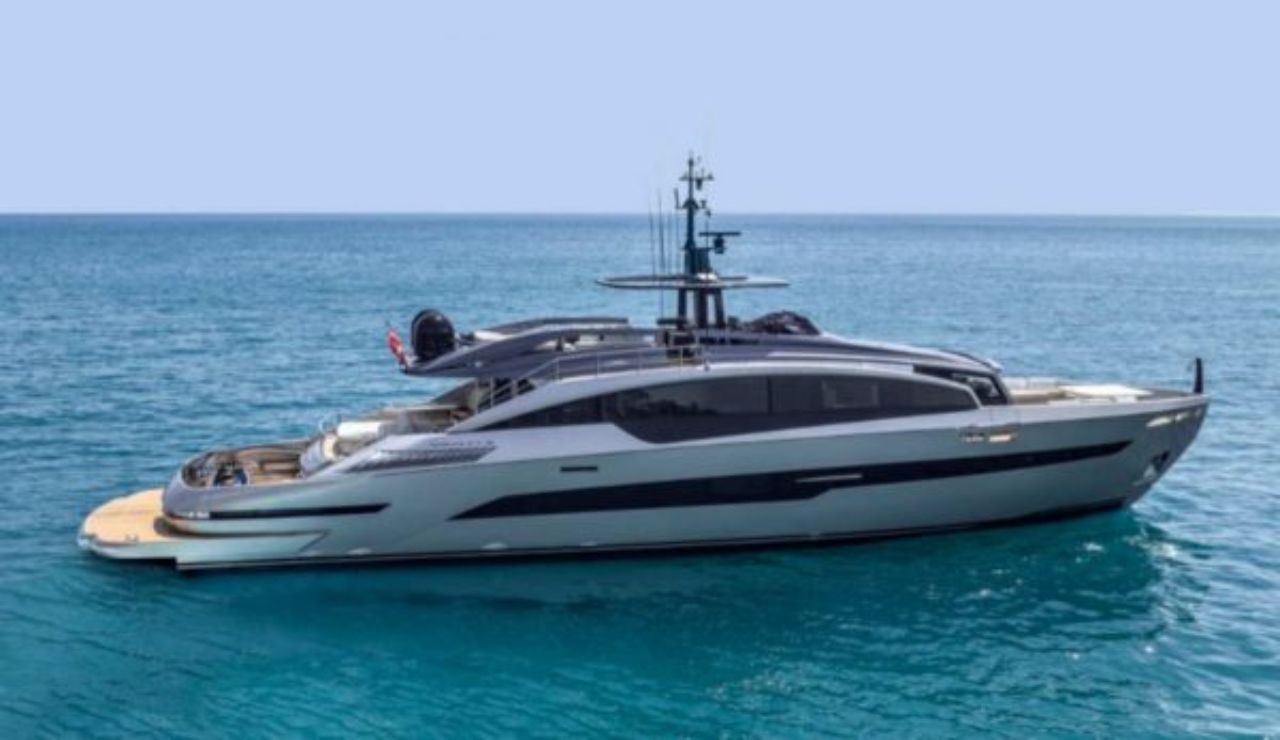
Il Pershing GTX116 è l’interpretazione più compiuta del concetto di Sport Utility Yacht: un 35 metri planante con tripla propulsione a waterjet, in grado di coniugare prestazioni da gran turismo con una sorprendente vivibilità outdoor su più livelli e un beach club a tutta larghezza. Il progetto nasce dalla sinergia tra il Ferretti Group Strategic Product Committee (guidato da Piero Ferrari), lo studio di Fulvio De Simoni e il Ferretti Group Engineering Department, a garanzia di un’impostazione ingegneristica rigorosa e di una coerenza stilistica tipicamente Pershing. L’impianto architettonico privilegia una distribuzione verticale dell’esperienza a bordo: club di poppa sul livello dell’acqua, cockpit rialzato, main deck con salone passante e terrazza laterale abbattibile, oltre a uno sportfly essenziale e focalizzato sulla conduzione attiva. L’obiettivo è ottenere 35 nodi di velocità di punta con un consumo e una rumorosità contenuti, senza sacrificare comfort, privacy e logistica di equipaggio.
DNA progettuale e filosofia
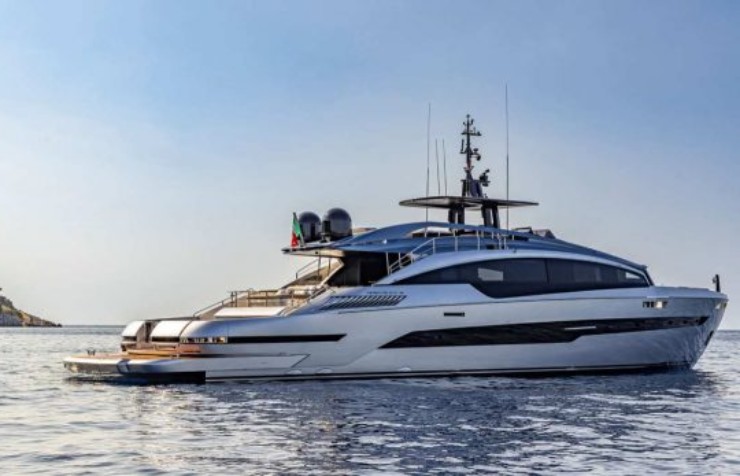
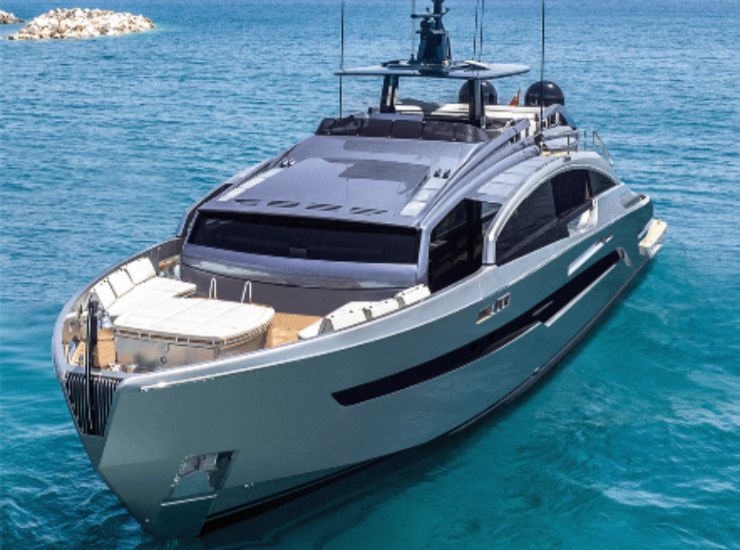
La filosofia del GTX116 è la traduzione nautica del Gran Turismo: accelerazione vigorosa, crociera sostenuta e controllo elevato sull’assetto, accompagnati da un design aerodinamico e da una geometria di volumi che enfatizza l’interazione continua con il mare. Il profilo slanciato, le ampie superfici vetrate e il bow styling con richiami automobilistici definiscono un linguaggio espressivo che resta funzionale: luce naturale in abbondanza, visibilità ottimizzata, linee di carena coerenti con la propulsione a getti e la richiesta di pescaggio ridotto.
Profilo del cantiere navale
Storia, reputazione, approccio ingegneristico
Pershing, brand del Ferretti Group, è sinonimo di yacht ad alte prestazioni con una tradizione incentrata su propulsioni evolute (surface drive e, negli ultimi anni, waterjet su unità maggiori), riduzione dei pesi, cura maniacale dell’ergonomia di plancia e qualità costruttiva industriale. Il GTX116, costruito nello stabilimento del Plug and Mould del Gruppo, rappresenta un’evoluzione del linguaggio Pershing: più spazio vivibile, più contatto con l’acqua, mantenendo la firma dinamica e l’accelerazione tipica del marchio.
Collaborazioni progettuali
Il disegno esterno e gli interni portano la firma di Fulvio De Simoni, mentre l’architettura navale e l’ingegnerizzazione sono a cura del Ferretti Group Engineering Department. Tale combinazione garantisce coerenza tra stile, idrodinamica e industrializzazione, con un occhio all’affidabilità operativa su cicli d’uso intensivi (charter premium e armatori privati “active use”).
Analisi tecnica approfondita
Dimensioni e architettura navale
Il GTX116 misura circa 35,2 m di lunghezza fuori tutto con baglio massimo di circa 7,7 m e pescaggio nell’ordine di 1,45–1,50 m. L’impostazione è quella di uno scafo planante con distribuzione dei volumi mirata a massimizzare il metacentro trasversale e la stabilità a rollio, in sinergia con i sistemi di stabilizzazione e con la spinta dei waterjet. Il dislocamento a vuoto attorno ai 130 t e a pieno carico circa 150 t si allineano al segmento, mentre la linea di galleggiamento (LWL) di quasi 30 metri favorisce resa propulsiva e comfort in crociera sostenuta.
- LOA ~ 35,33 m
- Baglio ~ 7,72 m
- Pescaggio ~ 1,47 m
- Dislocamento a vuoto ~ 130 t; a pieno carico ~ 150 t
- Serbatoi carburante ~ 14.500 l; acqua dolce ~ 2.000 l
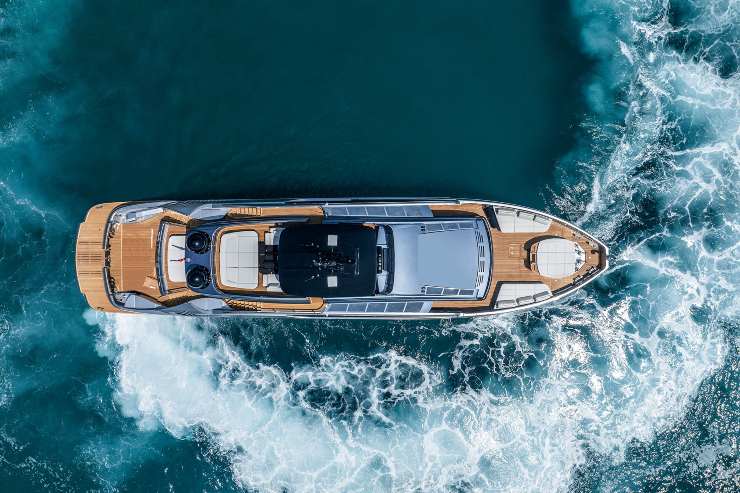
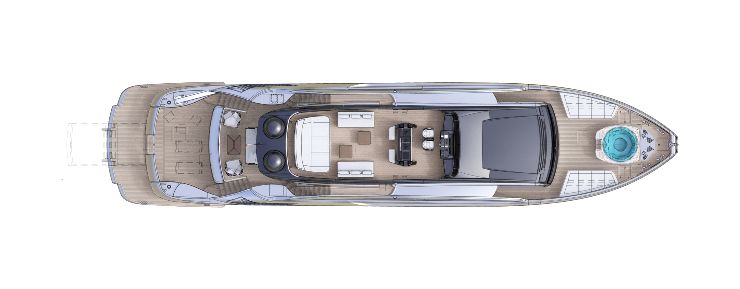
L’architettura dell’area poppiera è un elemento ingegneristicamente distintivo: taffrail elettroidraulico e alette laterali abbattibili che creano, con la piattaforma, un beach club di circa 39–40 m², con connessione diretta al cockpit superiore (oltre 35 m²). Tale struttura introduce complessità impiantistica (circuiti idraulici, controlli di sicurezza e interblocco) ma offre una fruibilità d’uso unica, anche in rada con moto ondoso contenuto, ampliando l’area di contatto con l’acqua.
Materiali di costruzione
La scocca del GTX116 è in composito GRP (vetroresina), così come la sovrastruttura; il ponte adotta teak nelle aree pedonabili. L’impiego del composito consente di ottimizzare rapporto rigidezza/peso e di gestire con efficacia geometrie complesse (alette e paratie integrate). Elementi in carbonio sono impiegati come finiture e componenti locali ad alta rigidezza (es. dettagli alla plancia, inserti), in linea con la tradizione Pershing di alleggerimento selettivo.
Motorizzazioni, propulsione e trasmissione
La piattaforma propulsiva prevede tre MAN V12 accoppiati a waterjet Kamewa, con due livelli di potenza: 1.800 mhp (standard) o 2.000 mhp (optional). La scelta dei waterjet rispetto ai tradizionali assi/eline o ai surface drive su unità più piccole risponde a tre esigenze: pescaggio minimo (accesso in baie basse), manovrabilità (joystick con gestione dei tre getti) e comfort vibro-acustico a medio-alte velocità. Con il pacchetto da 2.000 mhp la velocità massima dichiarata è ~34–35 nodi e la crociera ~29–30 nodi.
- Configurazioni motori: 3 × MAN V12 1800 (standard) oppure 3 × MAN V12 2000 (optional)
- Trasmissione: tripli waterjet
- Velocità massima: ~34–35 kn; crociera: ~29–30 kn
- Autonomia a crociera: ~400 nm (dati indicativi di cantiere)
Dal punto di vista ingegneristico, la tri-propulsione richiede layout macchina molto compatto: passaggi manutentivi attorno ai propulsori laterali sono più stretti, ma rimangono gestibili; idraulica waterjet, bow thruster e stabilizzatori sono raggruppati per una manutenzione ordinata e per semplificare le routine di ispezione.
Prestazioni: velocità, crociera, autonomia, consumi
Con 6.000 mhp installati (opzione 3×2000), il GTX116 sviluppa spinte simmetriche e un assetto che, grazie al profilo di carena e alla fine tunizzazione dei getti, consente di rimanere in crociera stabile a ~29–30 kn. L’autonomia indicativa di ~400 nm a crociera è coerente con un consumo specifico per motore nell’intorno dei valori attesi per V12 con curve di potenza marine. Va ricordato che i waterjet privilegiano reattività e pescaggio a scapito di parte dell’efficienza propulsiva rispetto a eliche tradizionali: la range strategy tipica prevede crociere sostenute tra 26–30 nodi e, quando utile, speed-down a regimi economici (~10 kn) per raddoppiare la portata.
Sistemi di bordo: elettronica, domotica, navigazione
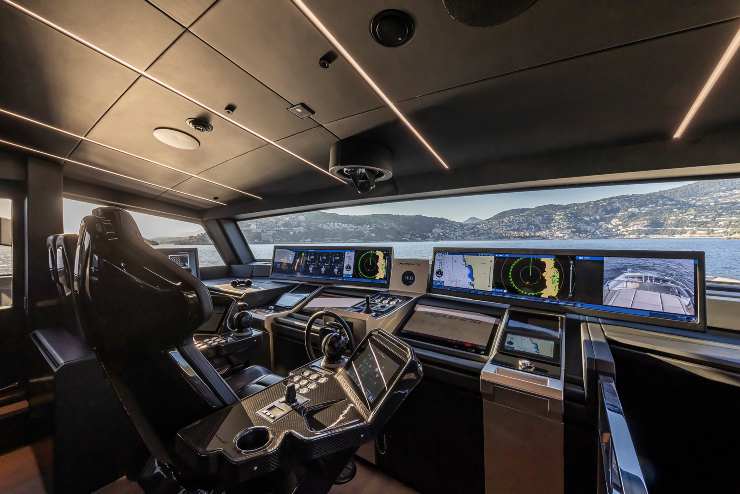
La plancia principale e lo upper helm adottano MFD a scomparsa, joystick per la gestione fine dei tre jet a bassa velocità e un bow thruster dedicato. L’ergonomia è pensata per la conduzione sportiva: comandi doppi per i waterjet, impaginazione human-centered delle interfacce, e un layout pulito che privilegia visibilità e tempi di reazione. A livello di domotica, l’impiantistica integra controllo luci, oscuranti elettrici in cabina armatoriale, climatizzazione multizona e monitoraggio impianti dal bridge.
Stabilizzazione e sicurezza
Il GTX116 prevede stabilizzatori (specifiche e tipologia personalizzabili in base all’armatore) integrati nei circuiti idraulici di bordo e dimensionati per mitigare il rollio sia all’ancora sia in trasferimento a velocità moderate. La logica di controllo dialoga con i sistemi di navigazione e con il joystick low-speed, a garanzia di coerenza tra comfort e maneggevolezza.
Design e architettura degli interni
Firme stilistiche e layout
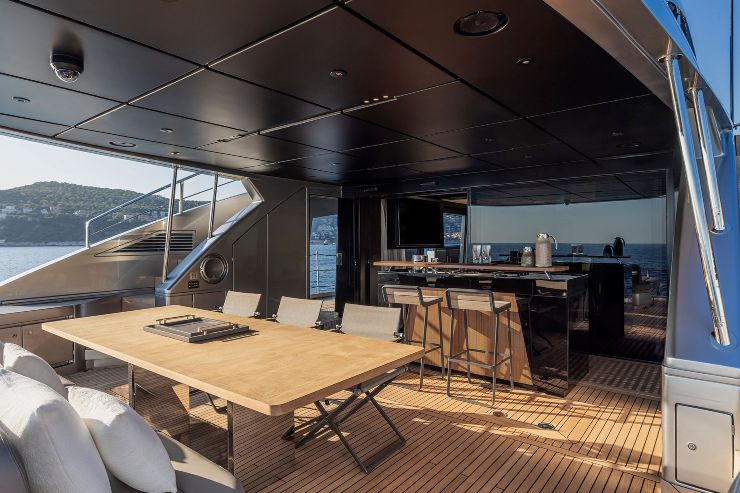
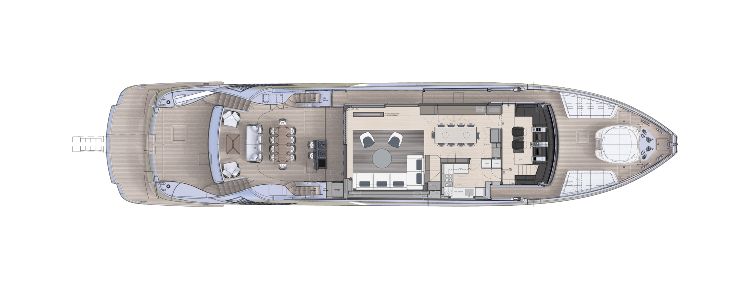
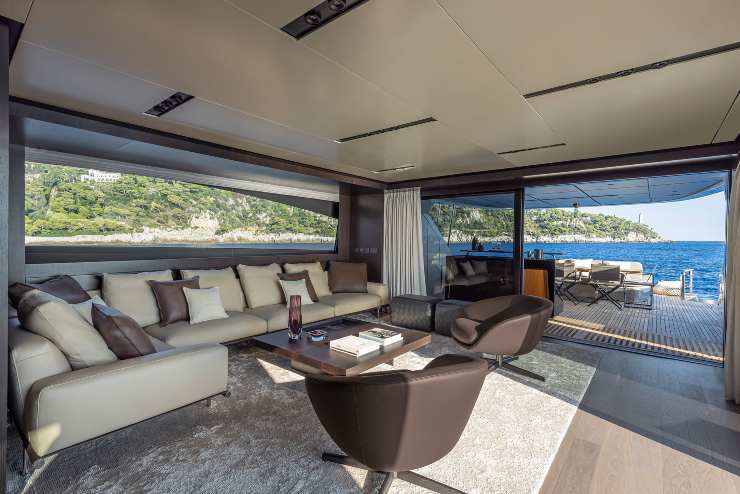
Gli interni portano il segno di Fulvio De Simoni e riflettono la dualità del progetto: sportività razionale e ospitalità residenziale. Il salone principale è un ambiente passante, inondata da luce naturale e collegato alla terrazza laterale con porta scorrevole flush e balcone abbattibile: un gesto scenico che crea un flusso cross-deck estremamente riuscito. Le finiture (es. Poltrona Frau) e l’illuminazione integrata nei mobili sottolineano la qualità artigianale.
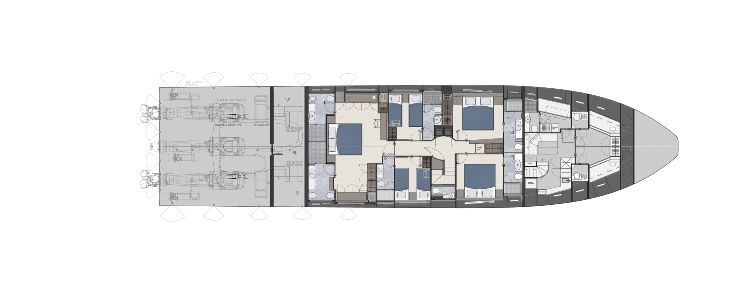
- Cabine ospiti: layout tipico a 5 cabine, tutte con bagno en suite
- Equipaggio: fino a 5 posti in 3 cabine con pantry e lavanderia
- Day head dedicato a metà ponte inferiore
- Capacità ospiti tipica: 10 persone
Studio degli spazi, ergonomia, privacy
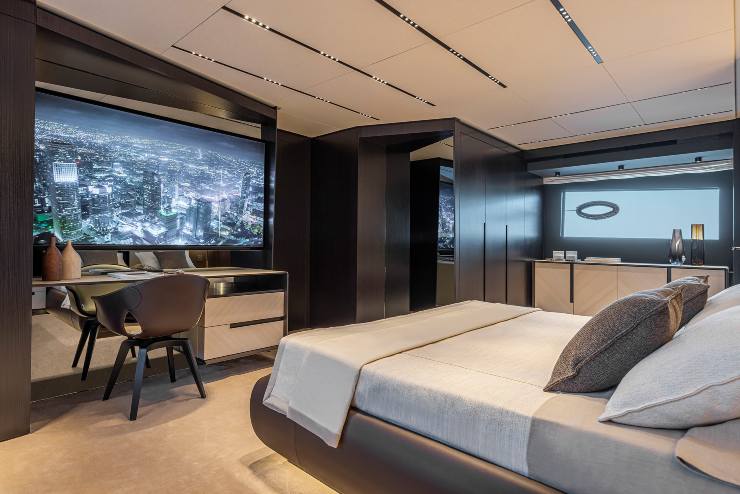
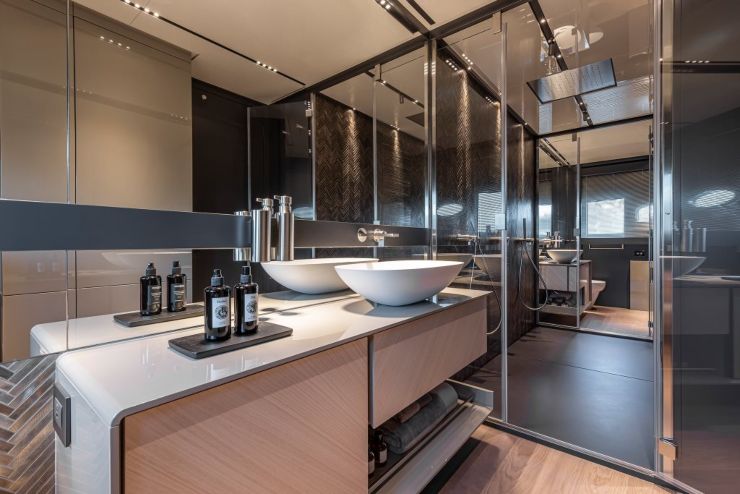
Il corridoio del ponte inferiore beneficia di altezze generose e di aperture a scafo che portano luce diffusa nelle cabine doppie simmetriche. Le due cabine twin, entrambe en suite, consentono flessibilità nell’ospitalità (famiglie con bambini, coppie di amici, charter multiruolo), mentre l’armatoriale introduce una soluzione bagno bipartita con doccia centrale oversize, tipica di yacht di dimensioni superiori. Sistemi di oscuramento elettrico permettono di passare dal panorama alla privacy con un gesto.
Innovazione e ricerca
Propulsione a waterjet e interfaccia uomo-macchina
La scelta dei waterjet su un 35 metri è, di per sé, una dichiarazione: reattività in manovra, assenza di appendici sporgenti (sicurezza per attività balneari a poppa), pescaggio contenuto, vibrazioni ridotte e rumore più filtrato a determinati regimi. L’interfaccia joystick estende l’accessibilità operativa in spazi ristretti (marina affollati, ormeggi di poppa tipici del Mediterraneo) e consente micro-aggiustamenti sui tre jet, aumentando la confidenza del timoniere e riducendo la fatica mentale nelle manovre ripetute.
Soluzioni per ridurre consumi ed emissioni
Sebbene le motorizzazioni siano tradizionali diesel, l’efficienza complessiva è ricercata attraverso ottimizzazione idrodinamica della carena, gestione attiva della spinta dei jet e pianificazione dei profili di crociera: a parità di velocità, l’assetto costante e il trim regolare permettono di abbassare i consumi specifici e migliorare il comfort acustico. La modalità economica a ~10 kn estende l’autonomia fino a ~800 nm (dato di riferimento di cantiere), utile per trasferimenti notturni o weather windows sfavorevoli.
Tecnologie di stabilizzazione e sicurezza funzionale
Il sistema di stabilizzazione dialoga con il monitoraggio impianti (temperature, pressioni, stati idraulici), integrando logiche di fail-safe e allarmi di soglia per mantenere disponibilità e integrità durante l’uso prolungato. La meccanica delle alette/taffrail è sorvegliata da sensori di corsa e pressione, con interblocchi che inibiscono movimenti in condizioni non sicure (ad es. velocità oltre soglie, presenza di persone in zona critica).
Vita a bordo e comfort
Beach club, cockpit e sky deck
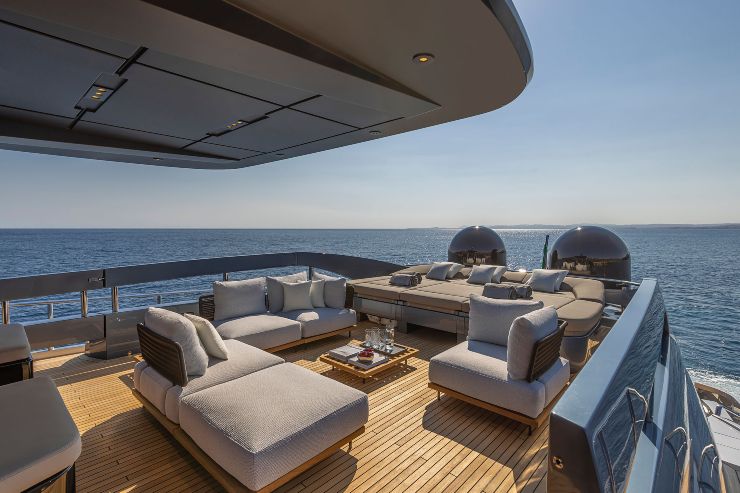
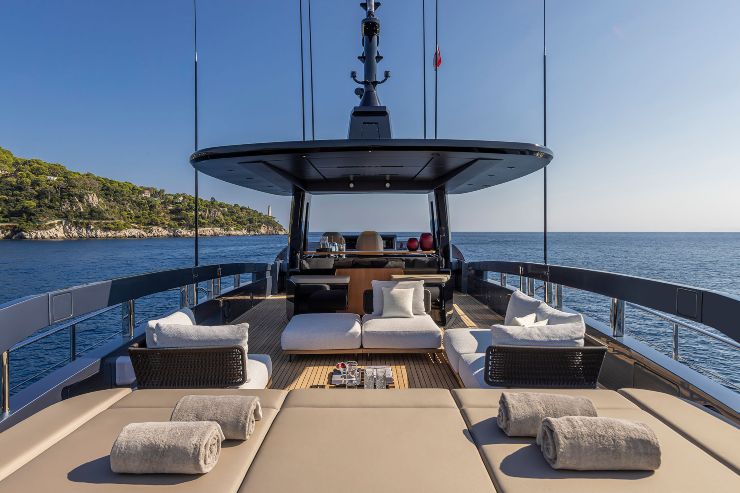
Il beach club è il baricentro sociale: con le ali laterali sollevate e la piattaforma trasformatrice abbassata, la superficie utile raggiunge dimensioni rare per la classe (circa 39–40 m²). Dal club si accede al cockpit superiore, che offre dining, bar e frigoriferi sotto le murate; soprastante, lo sportfly concentra timoneria e prendisole, con set-up minimalista e parabrezza monolitico a massimizzare la visibilità in navigazione sportiva.
Interni: materiali, arredi, illuminotecnica
Materiali caldi e superfici mat si alternano a elementi tecnici (inserzioni carbon look) per dichiarare la doppia natura dell’imbarcazione. L’illuminazione è stratificata: indiretta a taglio, puntuale funzionale e accenti scenografici su vanterie e guardaroba retroilluminati (apertura con accensione automatica). Tale regia luminosa consente di passare dal mood sportivo al mood residenziale con semplicità.
Prestazioni in navigazione: note da test e feedback
Sensazioni al timone e controllo
Al timone, il GTX116 comunica come una gran turismo su acqua: accelerazione piena ma progressiva, risposta pronta ai comandi con i tre jet che consentono micro-regolazioni di prora e assetto in imbardata anche a basse andature. Lo upper helm regala una postura dominante, con MFD a vista quando necessari e cruscotto sgombro per evitare overload cognitivo. A velocità, la prua lunga e lo sweep del parabrezza disegnano una corsia visiva ampia, mentre le vibrazioni percepite restano coerenti con la fascia di 30–35 kn per una barca di 35 m con tripla propulsione.
Manovra e ormeggio
In manovra, il joystick che orchestra i tre waterjet alleggerisce i compiti dell’equipaggio, specie in marina affollati e con vento traverso. La risposta è intuitiva, grazie alla capacità dei getti di modulare spinta e direzione quasi istantaneamente. Il bow thruster assiste nelle correzioni trasversali, mentre la timoneria mantiene “leggibilità” degli stati d’impianto con diagnostica chiara.
Mercato e concorrenza
Posizionamento per prezzo e segmento
Il GTX116 si colloca nel segmento 35 m planante premium, con prezzi “ask” che—per unità nuove e in costruzione—sono pubblicamente variabili, ma nell’ordine delle decine di milioni di dollari/euro, a seconda di specifiche e dotazioni (diversi broker indicano valori indicativi attorno a 16–21,5 milioni USD per slot e unità configurate). Trattandosi di mercato su misura, la forbice riflette personalizzazioni estese (layout, finiture, pacchetti elettronica e toys).
Analisi dei competitor diretti
- Riva 110’ Dolcevita: icona di stile e finitura, velocità di classe (circa metà anni 20 in kn), enfasi sul luxury experience più che sul beach club “immersione totale”; meno aggressivo come teatro di poppa. :contentReference
- Sanlorenzo SL120 Asymmetric: sfrutta l’asimmetria per ampliare il salone e creare balconi laterali impact, ma il beach club non raggiunge la stessa scala/esibizione del GTX116; è forte per design sartoriale e layout flessibile.
- Mangusta / Overmarine 33–35 m veloci: prestazioni elevate, interpretazione open-sportiva, beach club meno “architettonico” nella messa in scena rispetto al doppio livello Pershing.
Trend del settore
Il trend guida è l’ibridazione tra performance yacht e beach house: spazi esterni ampliati, integrazione di balconi, taffrail attive e garage multi-toy (tender > 5 m, PWC, foil). La domanda di joystick e sistemi a bassa rumorosità cresce anche sulle taglie superyacht, mentre le soluzioni “asymmetric” e “open-air link” (cross-deck doors) ottimizzano metri lineari a bordo. In questo contesto, il GTX116 rappresenta la lettura Pershing più sportiva e coerente con l’uso diurno mediterraneo.
Clientela target
Gli acquirenti tipici sono armatori privati con esperienza su yacht performanti (20–30 m) che desiderano salire di classe mantenendo velocità e sensazioni di guida; società di charter luxury focalizzate su esperienze day-to-night ad alta scenografia; broker e family office che cercano asset liquidi su mercati USA/Med, dove beach club e accesso acque basse (waterjet) sono plus decisivi.
Risultati e riconoscimenti
Dal lancio della prima unità (2023) all’avanzamento delle hull successive (fino alla #4 varata nel 2024), il modello ha consolidato la propria presenza sui principali marketplace, con slot in costruzione e unità in mostra a eventi e saloni internazionali. L’apprezzamento del pubblico e della stampa specializzata si concentra su: beach club di scala, plancia scenografica, tri-jet maneggevole e layout a 5 cabine in 35 m.
Prospettive future
Il GTX116 indica la rotta della gamma GTX (già estesa a 80 e 70): alto tasso di outdoor living, beach club “abitabile”, controllo attivo dei sistemi per democratizzare la conduzione di scafi veloci su taglie superyacht. In prospettiva, l’evoluzione più probabile riguarderà elettrificazione ausiliaria (hotel load, HVAC, thruster/stabilizzatori con power management ibrido), wing ridisegnate per efficienza strutturale e una ulteriore ottimizzazione del rumore percepito a 30 kn con pacchetti fonoassorbenti di nuova generazione.
Scheda tecnica sintetica
- Progetto: Ferretti Group Strategic Product Committee – Fulvio De Simoni – Ferretti Group Engineering
- Scafo/Sovrastruttura: composito GRP; ponte teak
- LOA: ~35,2 m — Baglio: ~7,7 m — Pescaggio: ~1,45–1,50 m
- Dislocamento: ~130 t (a vuoto) / ~150 t (a pieno carico)
- Motori: 3 × MAN V12 (1.800 mhp std, 2.000 mhp opt) con waterjet Kamewa
- Velocità: max ~34–35 kn; crociera ~29–30 kn
- Autonomia: ~400 nm a crociera; ~800 nm a 10 kn
- Layout ospiti: 5 cabine, tutte en suite; equipaggio 3 cabine / 5 posti
- Beach club: ~39–40 m²; cockpit ~35 m²; aree esterne complessive ~150–165 m²
Confronto con concorrenti (lettura ingegneristica)
Riva 110’ Dolcevita vs Pershing GTX116
Riva 110’ privilegia lusso e silenziosità con crociera attorno ai 25–26 nodi (configurazioni tipiche), in un involucro estetico ineguagliabile; il GTX116 propone un beach club “immersivo” su due livelli e una dinamica di guida più “coinvolgente”, con 35 nodi raggiungibili e joystick su tripli jet per manovre “chirurgiche”. In termini di missione, la scelta dipende dal peso relativo di teatro poppiero vs glamour diffuso.
Sanlorenzo SL120A vs Pershing GTX116
SL120A massimizza il salone grazie all’asimmetria e innesta balconi sorprendenti; il GTX116 estremizza il rapporto mare-uomo con beach club espanso e taffrail attivo. Sotto il profilo impiantistico, il Pershing introduce una tri-propulsione a jet (fine tuning più complesso, ma manovrabilità superiore); Sanlorenzo resta su un’architettura più tradizionale, meno esigente in termini di integrazione e service space.
Galleria immagini
Note operative per armatori, charter e management
Uso privato intensivo
Per armatori che intendono navigare spesso a 26–30 kn, è consigliabile un piano di manutenzione predittiva su idraulica waterjet, monitoraggio vibro-acustico e controlli periodici sugli attuatori del taffrail. La disposizione dei macchinari è compatta: pianificare interventi a finestra (stagionali) e scorte parti soggette a usura riduce downtime e costi imprevisti.
Charter di lusso
Per operatori charter, il beach club e la terrazza laterale sono strumenti di differenziazione unici. L’equipaggio potrà proporre set-up modulari (mobili leggeri, shade) a seconda dell’itinerario e del profilo ospiti; il garage con tender > 5 m e PWC supporta attività water-sports ad ampio spettro. La tri-propulsione con joystick consente ormeggi puntuali in rada affollata e transiti in acque basse.
Video
Conclusioni sul posizionamento nel settore
Il Pershing GTX116 riassume il manifesto della linea GTX: spazio vissuto e prestazioni senza compromessi. L’architettura poppiera a due livelli, la terrazza laterale e la tri-propulsione waterjet offrono una esperienza d’uso che nessun diretto concorrente replica in modo così “sportivo”. Se la missione è navigare veloce, con teatro a contatto col mare e una plancia che invita a condurre, il GTX116 è una delle proposte più coerenti e tecnicamente compiute della classe 35 m.