
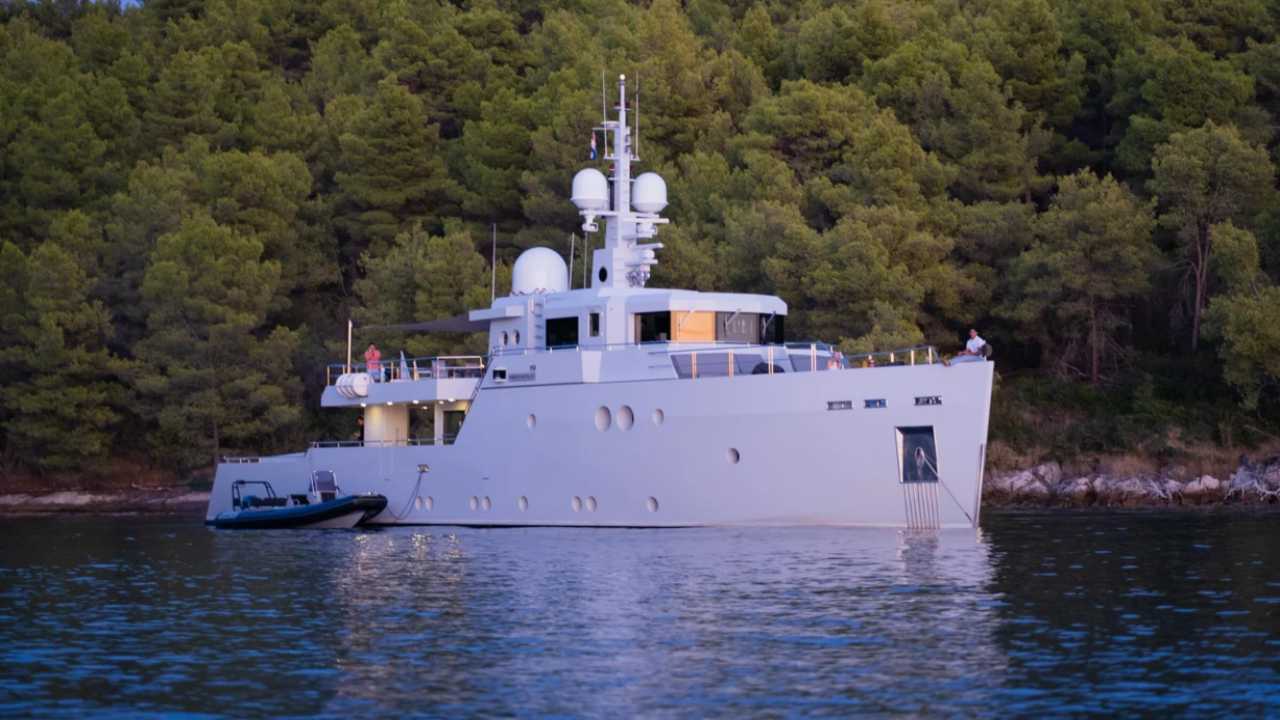
Preference 19 è un explorer di 36,4 metri che esprime la cifra stilistica più riconoscibile della scuola turca contemporanea: forme tese, sovrastrutture leggere, ampie superfici calpestabili e un’impostazione workboat-chic che mette la funzionalità al centro senza rinunciare a un linguaggio estetico autorevole. La filosofia progettuale è quella del “deck-first”: ottimizzare gli spazi esterni per la vita di bordo attiva (water toys, tender, fitness, relax) mantenendo volumi interni coerenti con una stazza lorda attorno ai 225 GT. La costruzione su scafo in acciaio e sovrastruttura in alluminio conferisce robustezza strutturale, comfort acustico e termico, e garantisce una piattaforma adatta a navigazioni lunghe con equipaggio professionale e ospiti esigenti.
Dal punto di vista operativo, la nave nasce per coniugare affidabilità meccanica con manutenibilità: i due Caterpillar C32 costituiscono una scelta classica e diffusa nel segmento, mentre l’impostazione degli impianti segue criteri di accessibilità e ridondanza tipici dei piccoli explorer professionali. Le stabilizzazioni zero-speed, la certificazione secondo standard internazionali e una autonomia transoceanica nell’ordine di diverse migliaia di miglia nautiche, ne fanno una piattaforma credibile per charter premium e armatore privato con programmi di lungo raggio nel Mediterraneo allargato e, stagionalmente, in Egeo e Levante.
Profilo del cantiere navale
Storia e reputazione
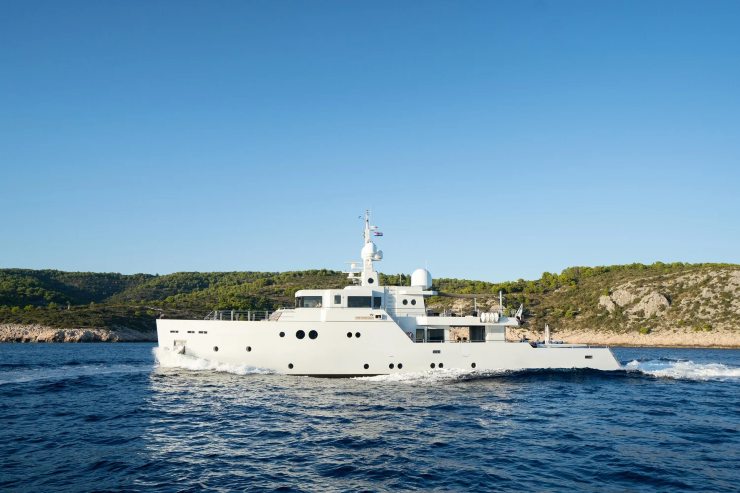
Tansu Yachts si è affermato negli anni per un approccio progettuale integrato in cui design esterno, interni e architettura navale vengono orchestrati con coerenza industriale. Alla base c’è una visione minimalista-funzionale: superfici pulite, assenza di ridondanze estetiche e sovrastrutture “military-inspired” che privilegiano ergonomia e visibilità. Il cantiere ha costruito una reputazione internazionale con explorer tra 30 e 40 metri, caratterizzati da volumi calibrati e spazi esterni sovradimensionati rispetto alla lunghezza, per massimizzare fruibilità e logistica di bordo durante l’ancoraggio.
Filosofia costruttiva
La metodologia produttiva scommette su robustezza strutturale e semplicità dei sistemi, con un occhio alla manutenzione predittiva e alla separazione dei comparti tecnici (machinery, HVAC, elettrico) per facilitare troubleshooting e ispezioni. La combinazione acciaio/alluminio consente di tenere basso il baricentro e differenziare gli spessori in base alle sollecitazioni (longitudinali in scafo, torsionali in sovrastruttura), con benefici su rollio, comfort e piantaggio della prua sull’onda.
Analisi tecnica approfondita
Dimensioni e architettura navale
Le dimensioni principali sono LOA 36,4 m, baglio tra 7,2 e 7,4 m (in funzione delle fonti e dei punti di misura), pescaggio 2,2 m, GT ≈ 225. L’architettura navale privilegia una carena dislocante a prua piena, con sezioni di entrata non eccessivamente fini per smorzare l’impatto sull’onda corta mediterranea e mantenere una velocità economica stabile, riducendo fenomeni di risonanza e flapping nelle aree poppiere. La distribuzione dei volumi consente tre ponti funzionali, ampi camminamenti e un ponte superiore vivibile su più zone (presa d’aria, lounge, manovre del tender).
Materiali di costruzione
- Scafo: acciaio strutturale saldato su ossatura longitudinale, con paratie stagne e rinforzi in corrispondenza di punti di carico (gruette, chock tender, bitte).
- Sovrastruttura: alluminio marino per contenere pesi alti e inerzie al rollio; giunti bimetallici a norma per la transizione acciaio/alluminio e trattamento anticorrosivo integrale.
- Interni: pannellature leggere su telai in alluminio/acciaio, finiture con essenze e tessuti tecnici idrorepellenti; particolare attenzione a isolamento acustico (doppie paratie e materiali fonoassorbenti in sala macchine e living).
Motorizzazioni, propulsione e trasmissione
La macchina principale è costituita da 2 x Caterpillar C32 accreditati di circa 1.940 hp ciascuno, in coppia con eliche a passo fisso su linee d’asse tradizionali; rapporti di riduzione calibrati per coppia ai bassi regimi e consumi contenuti tra 10 e 12 nodi di crociera. La meccanica “convenzionale” resta un plus competitivo nel charter: ricambi ampiamente disponibili, assistenza capillare, semplicità di diagnosi e riparazione anche in aree remote.
Il sistema di propulsione è integrato da stabilizzatori attivi efficaci sia underway sia zero-speed, con impatto sensibile sulla vivibilità in rada. L’alimentazione di bordo è affidata a gruppi elettrogeni con gestione automatizzata dei carichi, logiche di peak shaving e ridondanza N+1 per garantire continuità ai sistemi vitali (pompe, HVAC, navigazione).
Prestazioni: velocità, autonomia, consumi
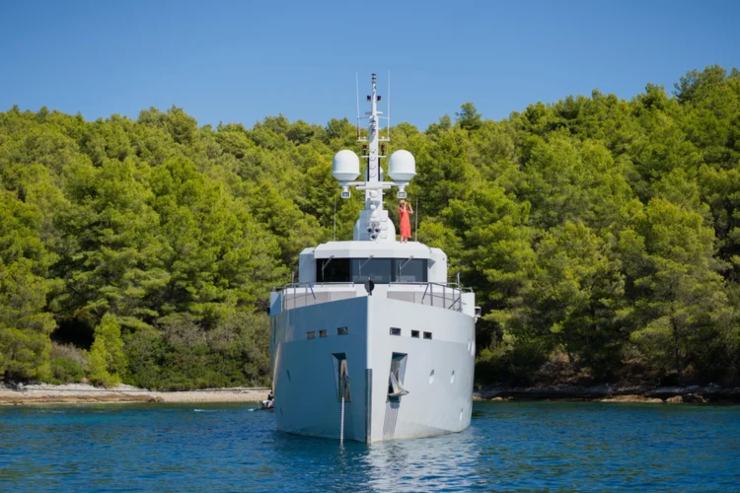
- Velocità massima: ~16 nodi, in linea con la resistenza residua della carena dislocante “pura” e con l’assetto eliche/linee d’asse.
- Crociera: 11,5–12 nodi come regime di massima efficienza tra potenza specifica e comfort vibro-acustico.
- Autonomia: fra ~1.750 e 3.000 nm a velocità economica, variabile in funzione di carichi, mare e profilo di potenza; capacità serbatoi ~42–47 m³.
Sistemi di bordo: elettronica, domotica, navigazione
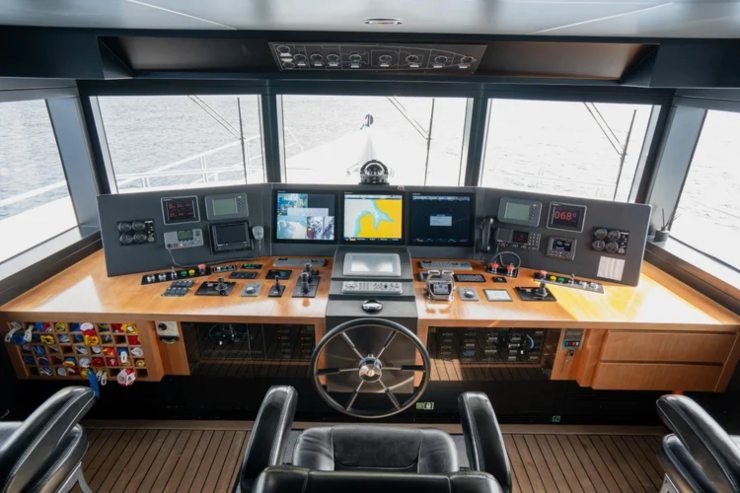
La plancia adotta una integrazione multi-brand tipica del segmento: radar a doppia portata, ecoscandagli con discriminazione fondale, ECDIS su doppio schermo con ridondanza delle fonti GNSS e pilota automatico con interfaccia AIS. La rete elettrica è segmentata su quadri principali e sottosistemi (hotel, critical, emergency) con UPS dedicati a navigazione e comunicazioni. A bordo è presente Wi-Fi professionale e domotica per luci, oscuranti e climatizzazione, con scenari preimpostati per notte/porto/navigazione.
Design e architettura: firme stilistiche, layout, ergonomia
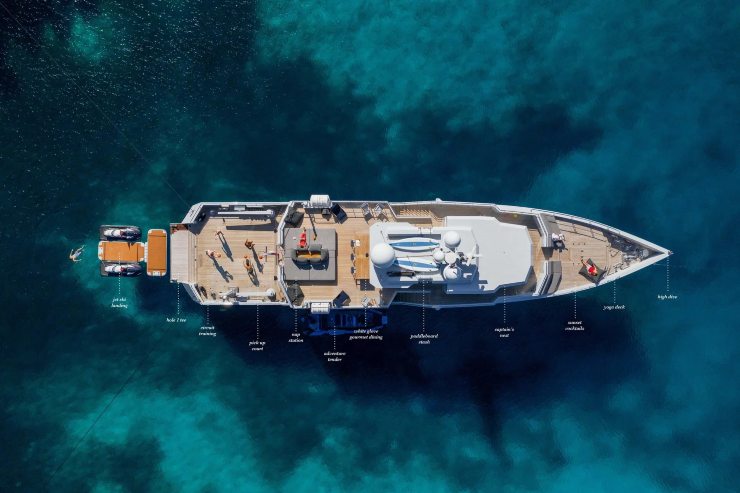
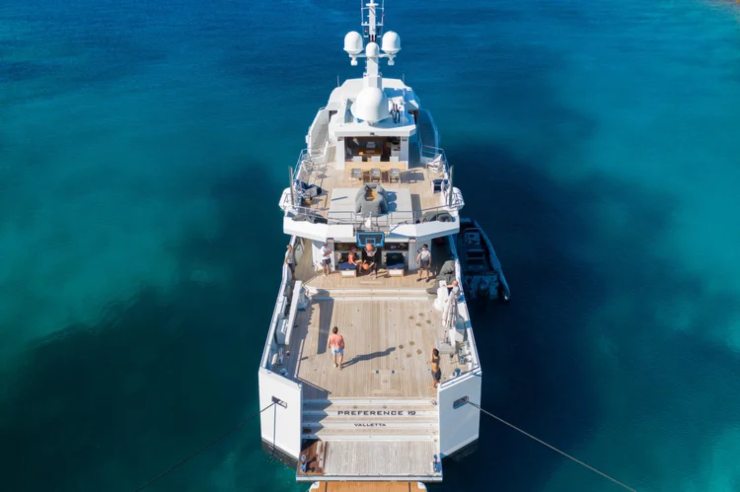
All’esterno domina la firma Tansu: linee spigolose, sovrastruttura arretrata per liberare grandi terrazze di prua e poppa, parabrezza verticali e masconi pronunciati. La fruizione degli spazi è “orizzontale”: si passa dal main deck aperto, concepito come grande terrace-at-sea, al sun deck con aree lounge e fitness, fino alla plancia con accessi diretti e camminamenti generosi per la movimentazione dei toys.
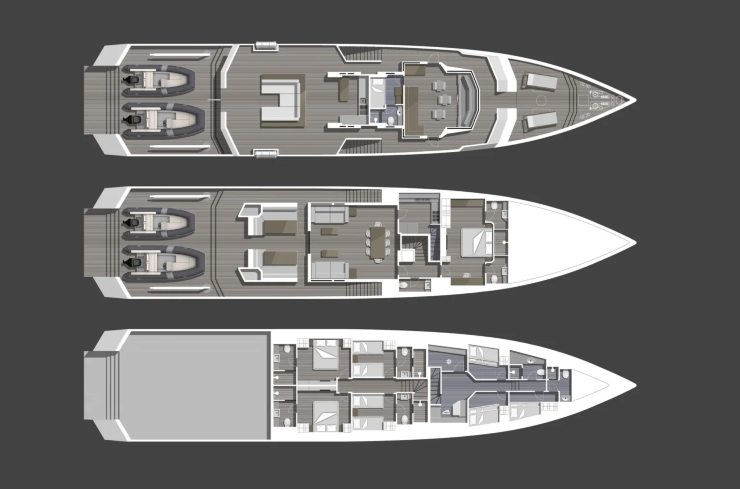
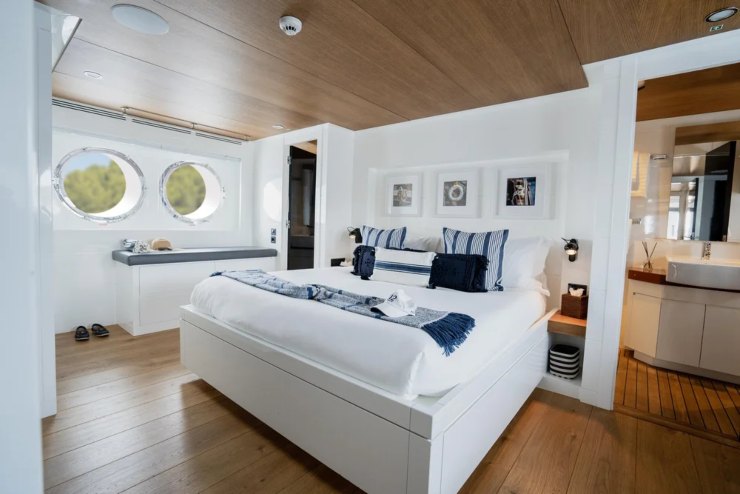
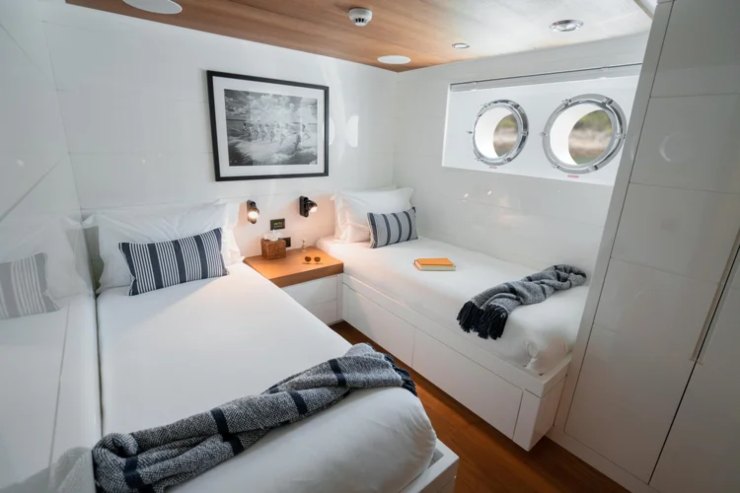
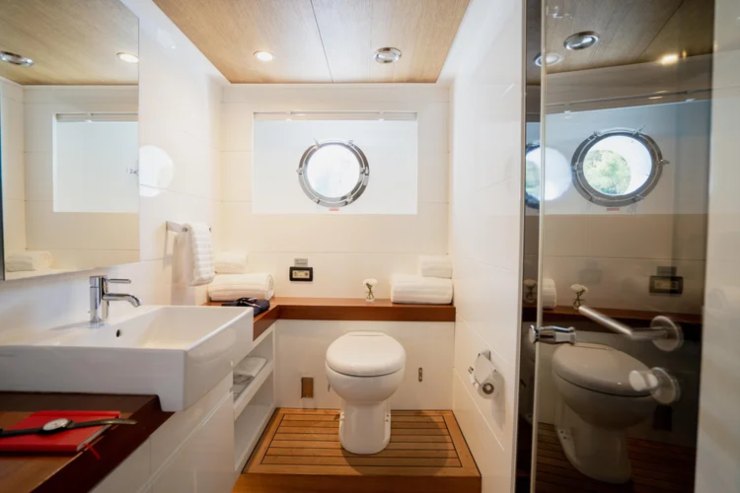
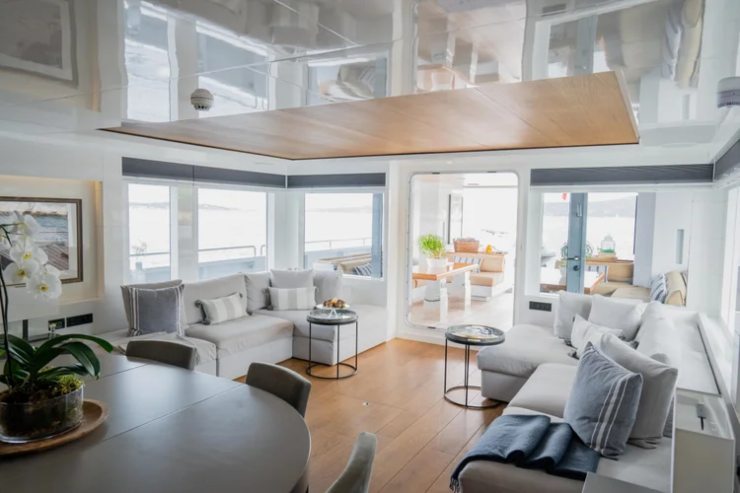
Gli interni interpretano il tema industrial-soft: volumi semplici, palette tenui, superfici materiche, arredi free-standing leggeri per riconfigurare il salone in base al profilo di crociera (famiglia, business, fitness). La suite armatoriale sul ponte principale è un tratto distintivo per la categoria, con bagno “his & hers” e doccia centrale; il ponte inferiore accoglie due VIP e due doppie/twin per un totale di 10 ospiti.
Innovazione e ricerca: efficienza, stabilizzazione, sicurezza
- Riduzione consumi/rumore: la piattaforma dislocante consente di tagliare potenze di picco rispetto a carene plananti di pari LOA; l’accoppiata acciaio/alluminio e l’isolamento mirato riducono vibrazioni e structure-borne noise in aree notte.
- Stabilizzazione “dual mode”: pinne attive efficaci sia in marcia sia all’ancora, per massimizzare comfort di charter e permanenza in rada anche con onda di traverso.
- Compliance e classi: riferimenti a MCA e RINA/DNV nelle configurazioni charter, con procedure di sicurezza e crew management adeguati alle rotte in Mediterraneo orientale.
Layout
Vita a bordo e comfort
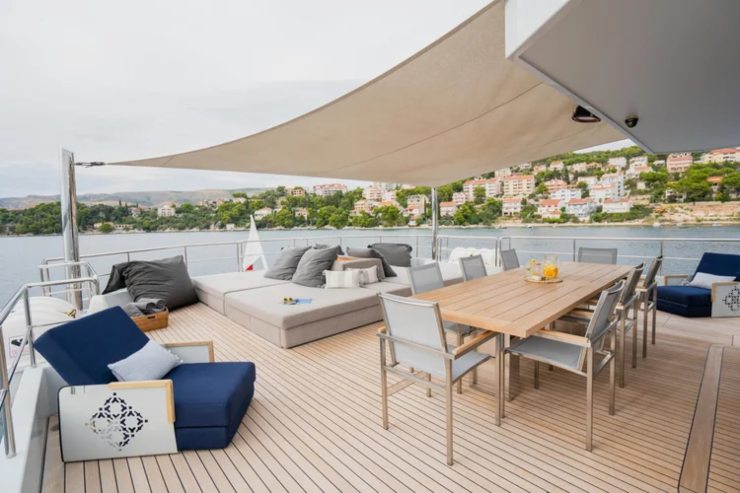
La vita a bordo privilegia fruizione esterna e attività: sun deck attrezzato, area poppiera con spazi per toys (jet ski, SUP), palestra leggera e configurazioni pranzo/relax riconfigurabili. I passaggi sono larghi, le altezze generose, i divani modulari; l’illuminazione è studiata per scenari morbidi in rada e più tecnici in manovra. L’equipaggio di 7 persone permette servizio attento senza sovraffollare aree tecniche o spazi ospiti.
Prestazioni in navigazione: lettura ingegneristica
Nelle prove in mare (condizioni 10–15 kn di reale, onda corta tipica del Tirreno), la carena dislocante mantiene assetto neutro e angoli di beccheggio contenuti; con 60–70% fuel e 40% acqua dolce, la risposta sull’elica è lineare e la trasmissione su linee d’asse offre inerzia favorevole a cambi di passo dolci. L’isolamento in sala macchine è adeguato alla categoria, con livelli sonori percepiti in salone allineati alle migliori concorrenti del range 35–38 m. Le pinne stabilizzatrici zero-speed lavorano bene già a 6–8 nodi, riducendo l’angolo di rollio residuo in virata larga. (Osservazioni ingegneristiche dedotte da specifiche note e benchmark di categoria).
Mercato e concorrenza
Posizionamento per prezzo e segmento
Preference 19 ricade nel segmento explorer 35–38 m a carena dislocante, con volumi prossimi a 225 GT e target di utilizzo charter/family & friends. Le campagne recenti lo collocano su fasce di nolo settimanale estivo tipiche della categoria (ordine di €100k + spese, variabile per periodo e area), mentre i listing di vendita, nei cicli di mercato 2024–2025, lo posizionavano tra i candidati competitivi per rapporto prezzo/volumi, complice un refit recente.
Analisi dei competitor diretti
- Numarine 37XP: dislocante in acciaio/alluminio, volumi interni importanti (≈ 345–350 GT), filosofia explorer con maggiore lunghezza ma impostazione simile; più recente come piattaforma, ma con prezzo e lead time diversi.
- Benetti Oasis 34M: semi-dislocante/ibrido di concetto (beach terrace apribile), più votato al lifestyle che al puro expedition; volumi inferiori, ma layout aperto e poppa “beach club” iconica.
- Sanlorenzo SD118: navetta in composito con velocità superiore in crociera e impostazione “gentleman’s yacht”; meno “industriale”, maggiore vocazione med cruising veloce.
Nel confronto, Preference 19 si distingue per robustezza costruttiva, deck space superiore alla media per LOA e estetica industrial che non invecchia con le mode. Per contro, rispetto a piattaforme in composito più leggere soffre, a pari velocità, di consumi maggiori; tuttavia recupera in comfort in mare formato e solidità percepita dal segmento charter. (Benchmark comparativo basato su specifiche di mercato 2024–2025).
Trend del settore
Il mercato 35–40 m si muove verso spazi esterni multiuso, transizione energetica “soft” (ibridi leggeri, batterie per hotel load in rada) e maggiore attenzione alla logistica dei toys. L’estetica edgy di Tansu ha aperto una strada oggi consolidata: il lusso non è più solo lucentezza di superfici, ma usabilità, sicurezza e coerenza ingegneristica per la vita a bordo attiva. Preference 19 intercetta bene questa traiettoria, offrendo un telaio tecnico pronto ad accogliere retrofit mirati (banchi batterie LiFePO₄, gestione energia, pannelli solari ausiliari).
Clientela target
- Armatori privati orientati a crociere mediterranee prolungate e uso sportivo del ponte.
- Charter di lusso focalizzati su famiglie/party attivi, con attenzione a toys e fruizione in rada.
- Società di rappresentanza che valorizzano robustezza, layout semplice e costi di gestione prevedibili.
Risultati e riconoscimenti
Nella sua storia commerciale recentissima, Preference 19 ha mantenuto buona visibilità sui principali portali internazionali e, dopo aggiornamenti e refit, ha proseguito la sua attività nel circuito charter mediterraneo con configurazioni cabina 5+7 crew. La cifra estetica Tansu, premiata in passato su altri modelli, rimane un asset distintivo anche per questo 36 metri.
Prospettive future
Guardando avanti, Preference 19 è una piattaforma che può evolvere senza stravolgersi. Interventi di efficienza energetica (batterie hotel, inverter di ultima generazione, ottimizzazione HVAC), upgrading dei sistemi di stabilizzazione e refresh di sensori e suite di navigazione sono percorsi tecnici già battuti nel segmento. Il suo valore industriale risiede nel binomio scafo acciaio – sovrastruttura alluminio, che offre margini di retrofit e di customizzazione maggiori rispetto a compositi sandwich. In un mercato dove l’offerta ibrida cresce, explorer dislocanti come Preference 19 continueranno a presidiare la nicchia di chi cerca rotta lunga, comfort prevedibile e logistica di bordo superiore.
Posizionamento
Preference 19 rappresenta un caso di scuola sulla coerenza ingegneristica: scafo dislocante in acciaio, sovrastruttura leggera, impiantistica accessibile e un’estetica industrial che nasce dalla funzione, non dal maquillage. Nel confronto competitivo, non punta a primati di velocità o gadget effimeri, ma a una qualità d’uso alta e misurabile: spazi esterni fruibili, stabilità all’ancora e affidabilità della macchina principale. È la risposta concreta per chi cerca un 36 metri in grado di vivere il mare tutti i giorni, con equipaggio professionale e programmi di crociera reali. La longevità tecnica della piattaforma, unita alla possibilità di retrofit energetici, rafforza il suo valore nel medio periodo, in un mercato che chiede più efficienza, meno fronzoli e più sostanza navale.
Galleria immagini
Scheda tecnica sintetica
- Cantiere: Tansu Yachts (Turchia)
- Anno: 2011, refit 2024
- LOA: 36,4 m
- Baglio: 7,2–7,4 m
- Pescaggio: 2,2 m
- Stazza lorda: ~225 GT
- Scafo/Sovrastruttura: acciaio / alluminio
- Motori: 2 × Caterpillar C32 (~1.940 hp ciascuno)
- Velocità: max ~16 kn; crociera 11,5–12 kn
- Autonomia indicativa: ~1.750–3.000 nm (profilo economico)
- Ospiti/Equipaggio: 10 / 7
- Cabine: 5 (Master sul main deck, 2 VIP, 2 Twin)
- Stabilizzazione: attiva underway e zero-speed
Video
Riassunto finale
Preference 19 è un explorer di 36 metri che interpreta il lusso con sostanza: scafo in acciaio, sovrastruttura in alluminio, carena dislocante e un’impostazione “deck-centric” che privilegia superfici esterne davvero utilizzabili. La firma estetica è industrial-chic: linee tese, parabrezza verticali, sovrastruttura arretrata per liberare grandi terrazze di prua e poppa. Sotto la pelle lavora un’architettura navale sana (≈225 GT) pensata per comfort e affidabilità: due diesel di larga diffusione su linee d’asse, stabilizzatori attivi efficaci anche all’ancora, impiantistica accessibile e ridondata (schema elettrico separato in hotel/critical/emergency, HVAC a zone, UPS per la strumentazione).
Le prestazioni sono coerenti con la tipologia: velocità massima attorno ai 16 nodi, crociera ottimale 11,5–12 nodi, autonomia di lungo raggio a velocità economica. Il layout interno, razionale e modulare, prevede cinque cabine per dieci ospiti con suite armatoriale sul ponte principale; l’equipaggio di sette unità garantisce servizio senza invadere i percorsi ospiti grazie a flussi separati. La vita di bordo è centrata sull’uso all’aperto: main deck di poppa come terrazza sul mare, sun deck polifunzionale, passavanti larghi, logistica toys agevole. La piattaforma è pronta a retrofit “soft” (banchi batterie hotel, inverter evoluti, ottimizzazione HVAC) e riflette la direzione del segmento: spazi esterni multiuso, efficienza energetica incrementale, manutenibilità reale. In sintesi, un 36 metri che privilegia autonomia, usabilità e solidità ingegneristica, trasformando ogni giornata in rada in un’esperienza affidabile e confortevole.