

Quando la prolunga scatta, gira a vuoto o restituisce il comando con ritardo, il difetto non è sempre nel tubo. Il gioco può nascere nel giunto universale, nel fissaggio alla barra, nel meccanismo telescopico, nella clip o perfino da un contatto che devia lo stick durante la manovra. La famiglia Ronstan Battlestick distingue prolunghe fisse, telescopiche, in lega e in carbonio, più giunti e accessori dedicati. La diagnosi efficace separa questi sottosistemi e cerca il primo punto in cui il movimento della mano non coincide più con quello della barra.
Il sintomo va riprodotto senza forzare
La prima prova si svolge con barca ferma, timone scarico e area libera. Si muove la prolunga lentamente in più direzioni, osservando giunto, base e barra. Non si strattona per “sentire meglio”: un carico arbitrario può aggravare una fessura o mascherare la sede esatta del gioco. Si annota se lo scatto compare sempre allo stesso angolo, solo a una determinata lunghezza telescopica oppure quando il tubo tocca un elemento del pozzetto.
Il ritardo si localizza tenendo separati i componenti
Una persona muove la maniglia di pochi millimetri mentre un’altra osserva la base. Se il tubo ruota ma il giunto non segue, il problema è nella connessione fra i due; se il giunto si muove ma la barra resta ferma, si esaminano fissaggio e supporto. Se tutta la barra segue ma il timone risponde tardi, la ricerca prosegue nel sistema di governo e non si attribuisce automaticamente la colpa alla prolunga.
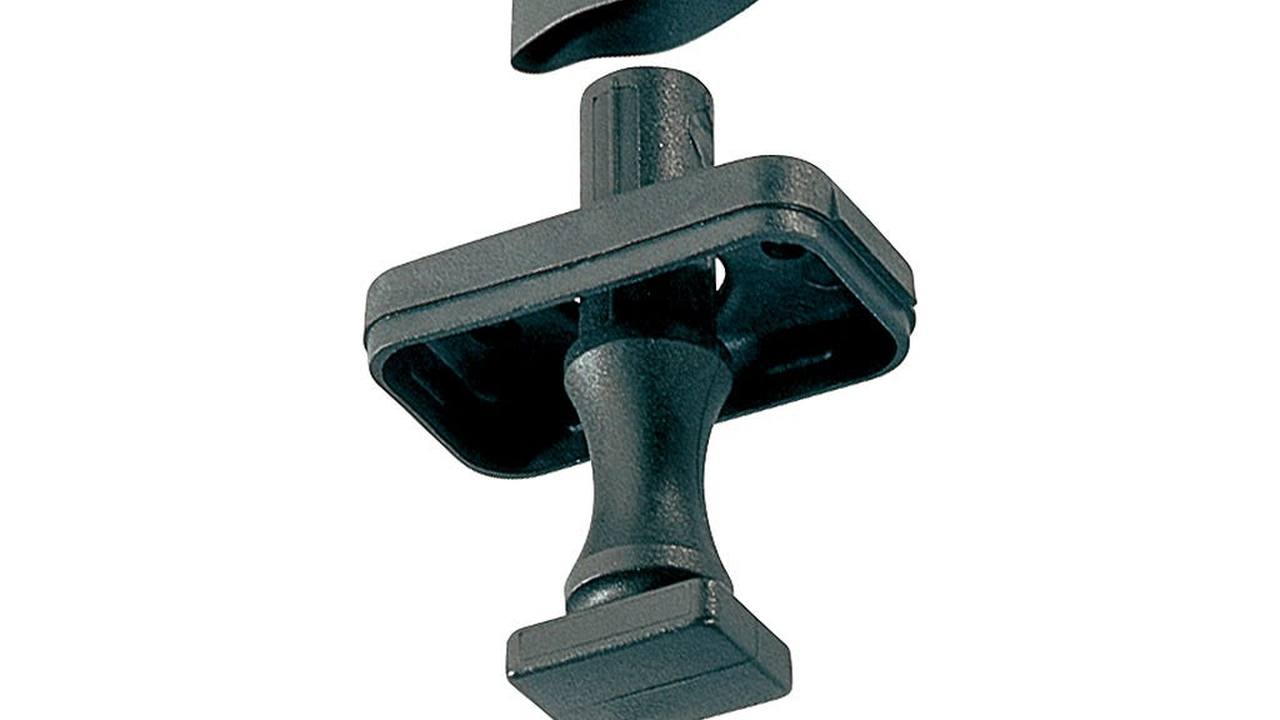
Il giunto deve articolarsi in modo uniforme
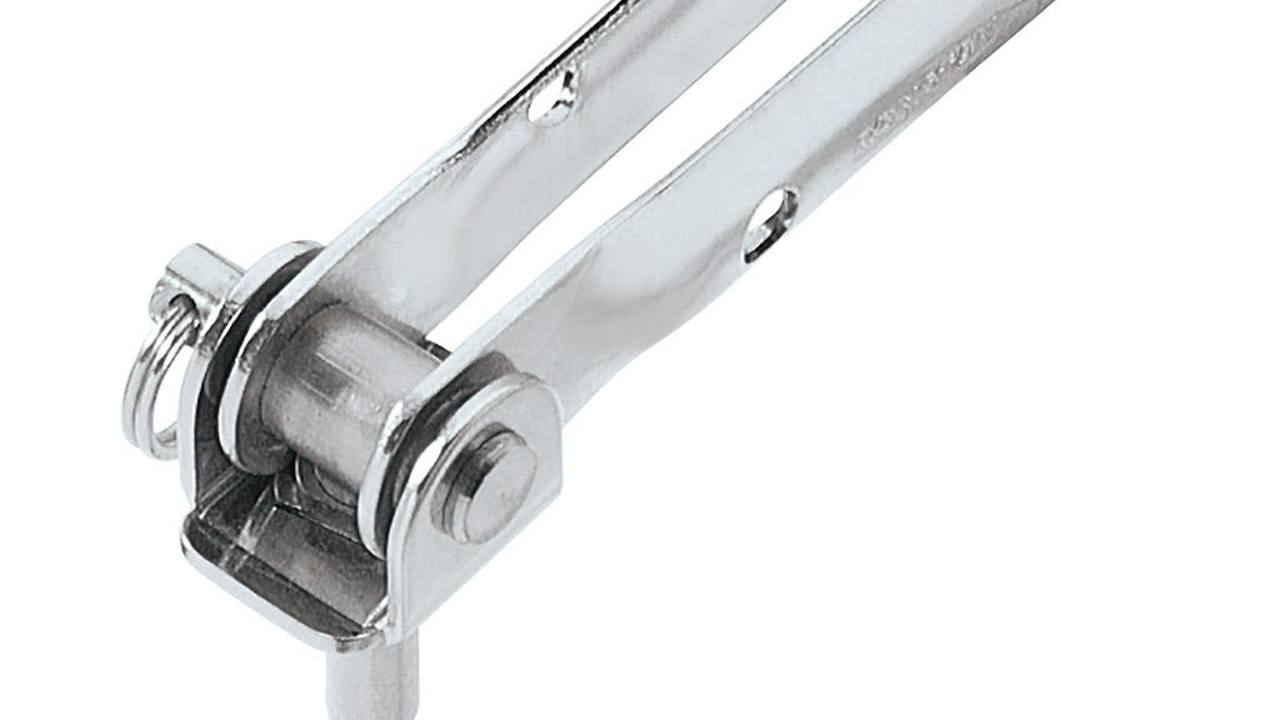
Ronstan descrive il giunto in uretano delle Battlestick con rotazione uniforme in tutte le direzioni. Zone dure, memoria permanente, tagli, rigonfiamenti o ritorno irregolare richiedono attenzione. Il giunto non viene lubrificato con prodotti casuali né scaldato per renderlo più morbido. Si pulisce secondo indicazioni applicabili e si confronta la forma con il componente integro. Un elemento lesionato viene sostituito con il codice compatibile, non fasciato per continuare a navigare.
RF3133, RF1121 e RF1127 non sono lo stesso ricambio
RF3133 è un giunto universale in uretano dichiarato per tubo con diametro interno di 13,5 millimetri. RF1121 usa un fissaggio passante; RF1127 è una versione avvitata. Prima di ordinare si identifica l’interfaccia presente, il diametro e il modo in cui la base è collegata alla barra. Un giunto che entra fisicamente non è necessariamente equivalente. Adattare fori o diametri può introdurre eccentricità, gioco o indebolimento non documentato.
La base che si muove lascia tracce leggibili
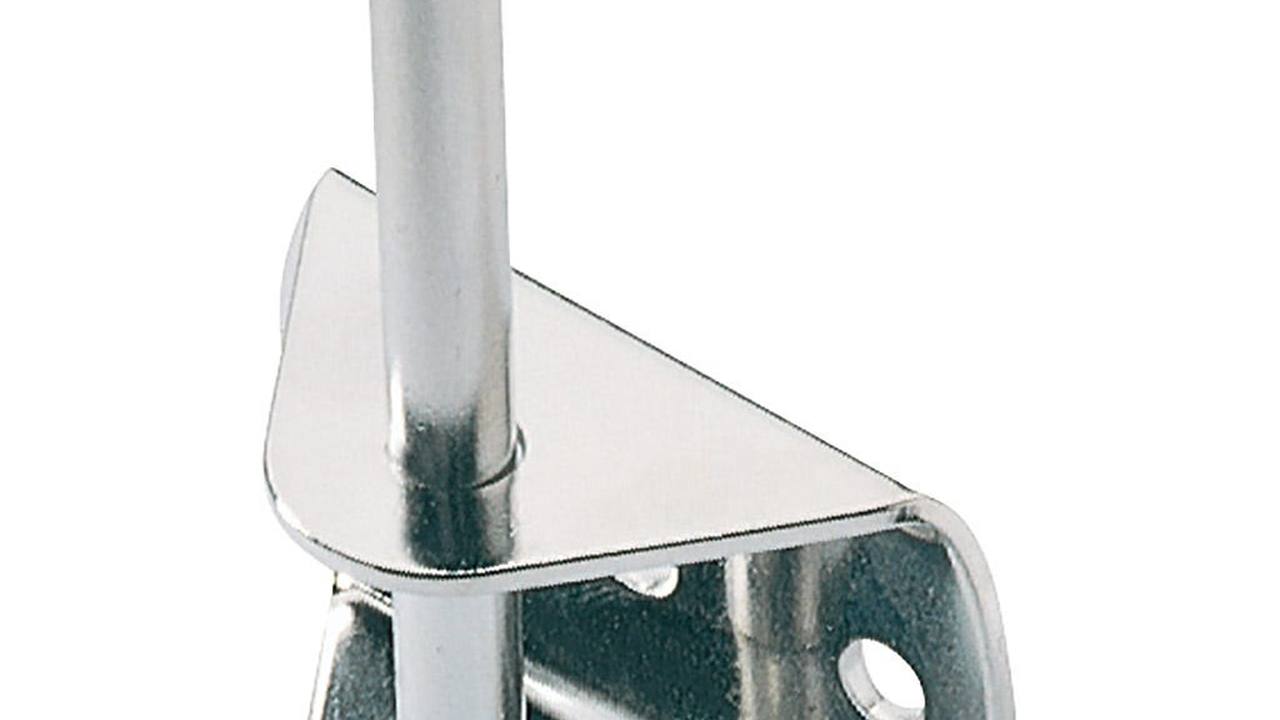
Polvere scura, lucidatura ad arco, impronte attorno alla vite o sigillante separato indicano movimento relativo. La diagnosi cerca l’origine senza serrare alla cieca. Si verifica che supporto, elemento di fissaggio e barra non siano deformati o degradati. La coppia applicabile deve provenire dalla documentazione corretta; se manca, non viene inventata. Un serraggio maggiore può schiacciare il supporto e nascondere il lasco per poche manovre.
Il tubo in lega si controlla lungo le scanalature
Le prolunghe fisse in lega Ronstan usano un profilo scanalato anodizzato. Si cerca una variazione di rettilineità facendo ruotare il tubo senza caricarlo, poi si osservano ammaccature, solchi profondi e zone in cui l’anodizzazione è stata rimossa. Una piega non si raddrizza a bordo: la manipolazione può creare danni ulteriori. Se la risposta cambia in un punto preciso, la prolunga viene tolta dal servizio finché il componente non è valutato o sostituito.
Il carbonio richiede luce radente e attenzione agli urti
Le Battlestick in carbonio sono descritte come rigide, leggere e rastremate. Graffi superficiali, segni da schiacciamento e danni da urto non vengono interpretati soltanto dal colore. Si pulisce la zona, la si osserva con luce radente e si confronta la continuità della superficie, senza battere il tubo o fletterlo per prova. Qualunque dubbio strutturale porta a sospendere l’uso e seguire il percorso indicato dal produttore.
Il telescopico può generare gioco solo in alcune posizioni
I modelli Ronstan coprono intervalli 740–1210, 1070–1770 e 1530–2490 millimetri. Si prova il movimento alle lunghezze operative, mai oltre i limiti dichiarati. Se il gioco cresce con l’estensione, si osservano sovrapposizione, superfici di scorrimento e meccanismo di fermo. Sporco e sale possono cambiare la sensazione, ma la pulizia non autorizza a smontare o modificare parti senza istruzioni. Un blocco incerto rende la prolunga non idonea all’uso.
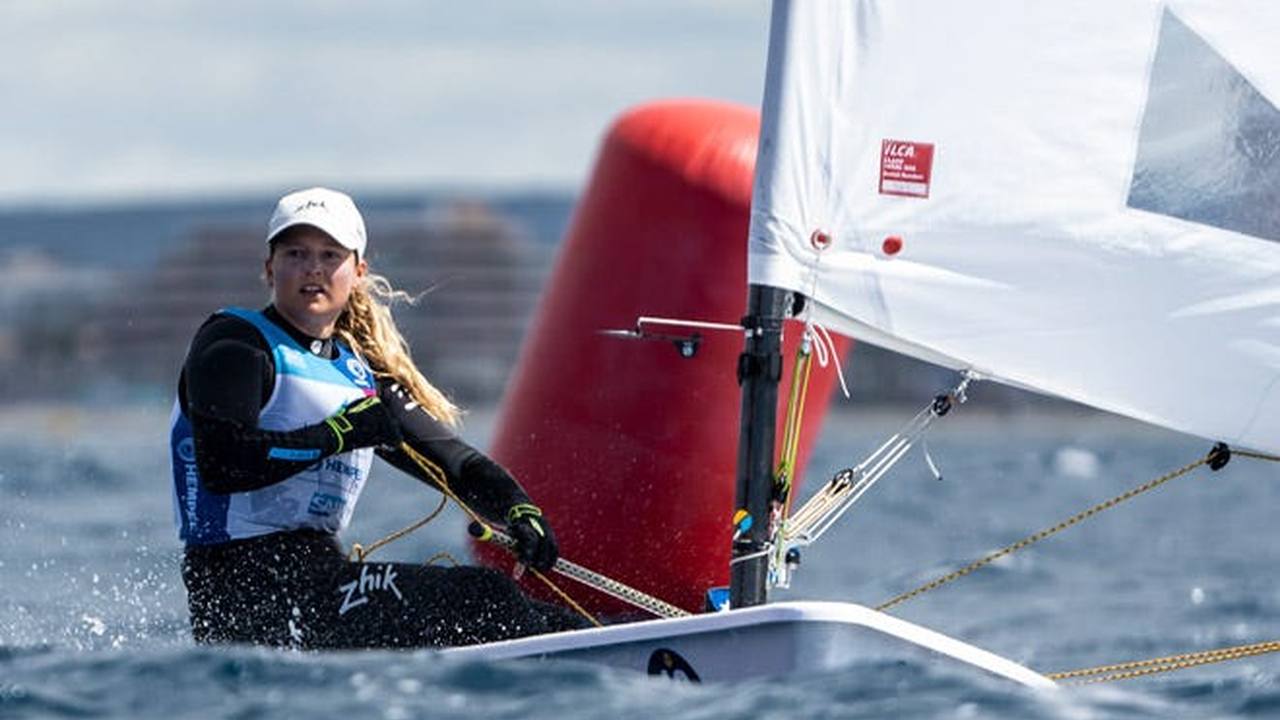
La tabella impedisce diagnosi per tentativi
| Sintomo | Prima zona da osservare | Segno utile | Azione sicura |
|---|---|---|---|
| Gioco vicino alla base | Giunto e fissaggio | Movimento relativo o lucidatura | Fermare e identificare il ricambio |
| Scatto a un angolo | Articolazione e interferenze | Contatto o piega del giunto | Rimuovere la causa, non forzare |
| Telescopico che rientra | Meccanismo di blocco | Tenuta diversa con la lunghezza | Sospendere l’uso |
| Impugnatura che ruota | EVA, pomello e tubo | Scorrimento o distacco | Sostituire componente compatibile |
| Risposta dura | Intero governo | La barra resiste anche senza stick | Diagnosticare timone e ferramenta |
L’impugnatura non deve ruotare sul tubo
Ronstan definisce l’EVA fermo, antiscivolo e non assorbente. Se la presa gira, scorre o presenta distacchi, la mano introduce un movimento che non raggiunge subito il tubo. Si segna la posizione con un riferimento rimovibile e si verifica lo slittamento durante un movimento leggero. Non si colma lo spazio con nastro generico: cambierebbe diametro, drenaggio e capacità di ispezione. Si individua il ricambio o la procedura applicabile.
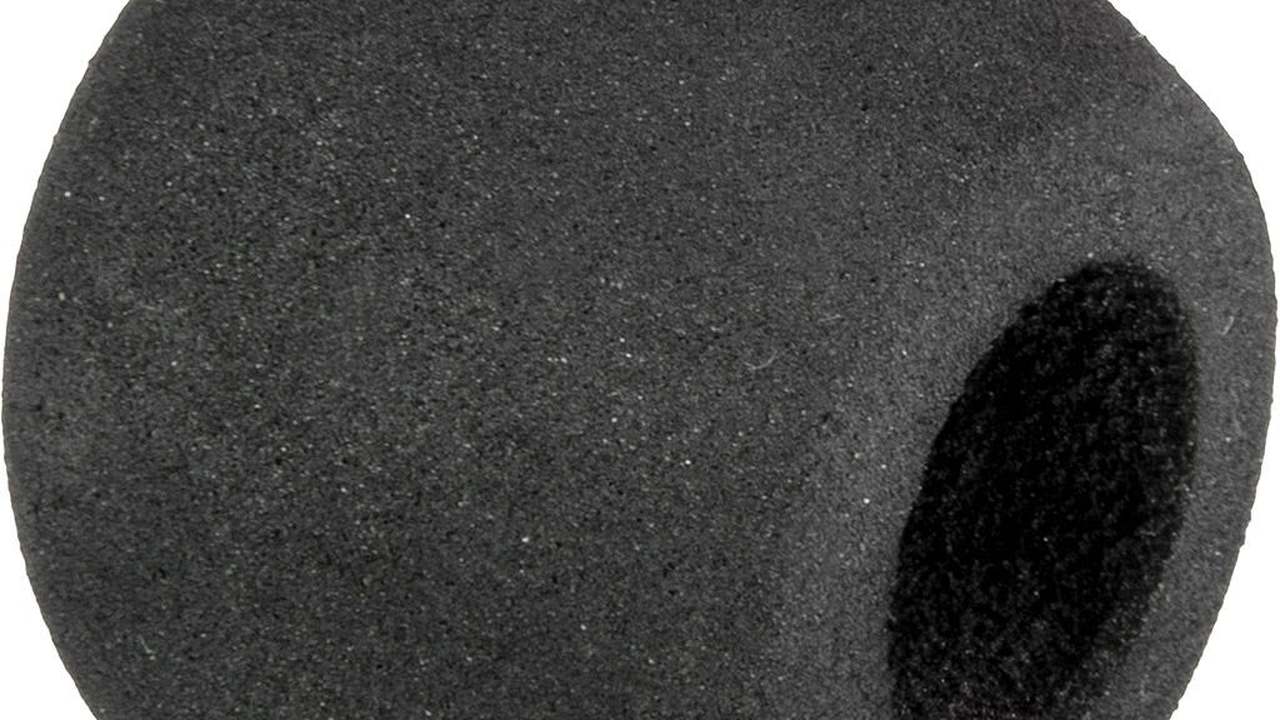
Il pomello terminale rivela usi impropri
RF1136 è il pomello per tubo da 16 millimetri. Consumo asimmetrico, segni di urto o allentamento possono indicare che la prolunga tocca regolarmente la coperta o viene usata come appiglio. Dopo la sostituzione, la causa geometrica deve essere corretta; altrimenti il nuovo elemento ripeterà il danno. Il pomello deve offrire un riferimento tattile senza diventare un punto che cattura scotte, abbigliamento o cavi.
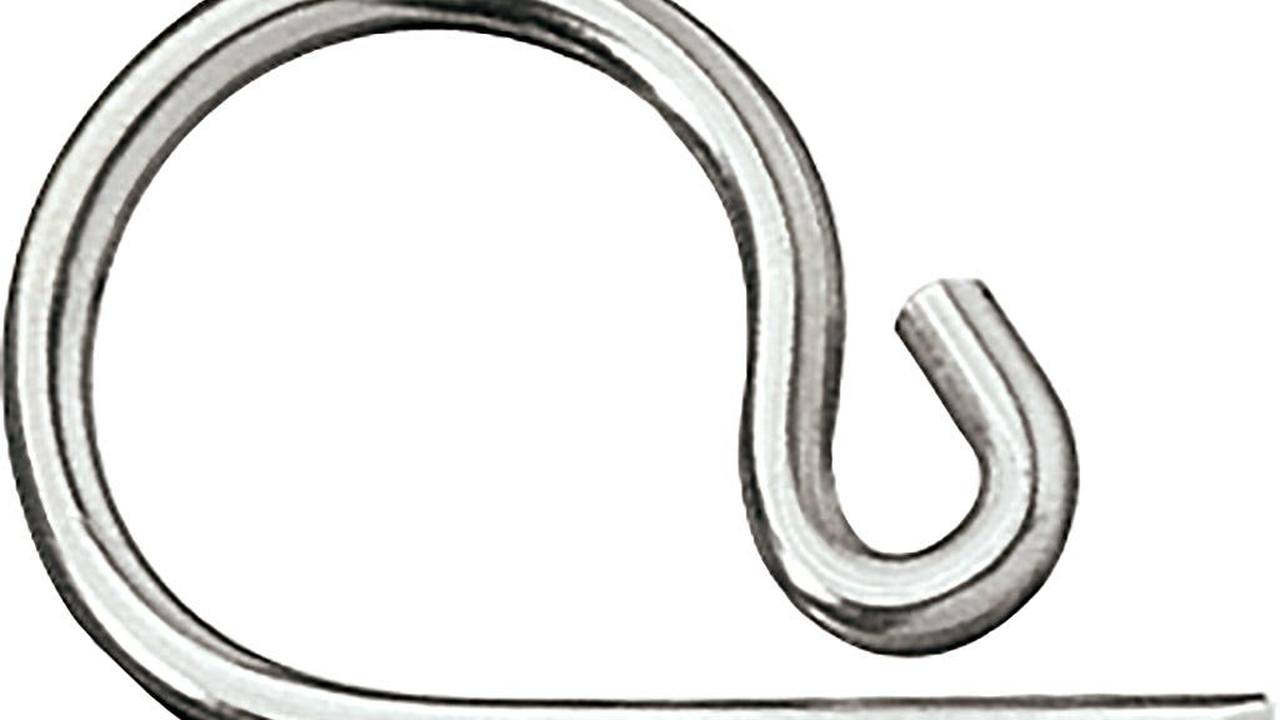
La clip di ritenuta può segnare il tubo
RF1135-16 e RF1135-20 corrispondono a tubi da 16 e 20 millimetri. Una clip errata può essere troppo serrata, troppo libera o lasciare una traccia concentrata. Si osservano i bordi della ritenuta, la zona di ingresso e il punto in cui lo stick riposa. La prolunga deve uscire con l’azione prevista senza essere strappata lateralmente. Una ritenuta allentata non viene deformata a caldo o chiusa con mezzi improvvisati.
Il contatto esterno può imitare un giunto difettoso
Una scotta sotto lo stick, un bordo del gavone o la seduta del timoniere possono creare un punto duro sempre allo stesso angolo. La prova viene ripetuta con pozzetto ordinato e poi nella configurazione reale, osservando l’intero arco. Se il sintomo scompare senza carico sul timone ma torna con equipaggio in posizione, si misura l’interferenza. La soluzione riguarda il percorso o la geometria, non la lubrificazione del giunto.
La barra dura va provata senza prolunga
Con procedure sicure si separa il comportamento della prolunga da quello del sistema di governo. Se la barra resta dura o discontinua senza lo stick, si esaminano asse, pala, ferramenta e possibili ostacoli secondo la documentazione della barca. Usare una prolunga più lunga per vincere la resistenza aumenta il momento e può peggiorare il problema. Il comando deve tornare libero per la causa corretta, non grazie a una leva maggiore.
Sale e contaminanti modificano la sensazione
Depositi attorno a giunto, telescopio e clip possono produrre attrito o impedire l’ispezione. Il risciacquo e l’asciugatura fanno parte della manutenzione, ma non giustificano solventi o lubrificanti non approvati. Si osserva se l’acqua ristagna nella posizione di stivaggio e se la base è accessibile. La corrosione su fissaggi o adattatore richiede identificazione dei materiali e valutazione dell’interfaccia, non semplice copertura cosmetica.
Il confronto con le specifiche evita scambi di misura
Le versioni fisse in lega pubblicate includono 610 millimetri e 150 grammi per RF3128, 1030 e 215 per RF3130, 2030 e 415 per RF3122, 2500 e 515 per RF3137. I telescopici RF3132 e RF3124 sono rispettivamente 1070–1770 a 400 grammi e 1530–2490 a 485. Questi dati aiutano a riconoscere un componente sostituito con la misura errata o una distinta non aggiornata.
Dopo la riparazione si prova una matrice di movimenti
Il controllo finale comprende centro, angoli utili, passaggio di lato e, per i telescopici, tutte le lunghezze operative stabilite. Si verifica corrispondenza immediata fra mano e barra, ritorno uniforme del giunto, stabilità del blocco e assenza di contatti. La prova comincia a bassa velocità e in condizioni controllate. Un singolo movimento libero al pontile non dimostra che la prolunga sia pronta per tutte le manovre.
Un ricambio nuovo non assolve la causa originaria
Se il giunto precedente si è tagliato sempre sullo stesso lato, se la clip ha inciso il tubo o se il pomello ha urtato la coperta, montare un elemento identico ripristina soltanto temporaneamente il sistema. Prima del ritorno in servizio si ricostruisce la traiettoria che ha prodotto il segno. Si controllano posizione della base, limite della barra, altezza dello stick e passaggio delle cime. Il ricambio deve lavorare libero nella configurazione reale. Quando il danno dipende da un’interferenza, la correzione viene documentata insieme alla sostituzione per impedire che la stessa anomalia venga considerata normale al controllo successivo.
Le prove comparative devono usare condizioni uguali
Per capire se un intervento ha eliminato il gioco si ripete la stessa sequenza, con la stessa lunghezza telescopica e il timone nella medesima posizione. Cambiare contemporaneamente regolazione, carico e postura rende il confronto ambiguo. Si usa un riferimento visivo rimovibile per osservare eventuali movimenti relativi fra impugnatura, tubo, giunto e barra, senza aggiungere materiali che possano alterare la funzione. Se il ritardo rimane, la ricerca prosegue verso il primo elemento che si muove senza trascinare il successivo. Questo metodo evita di dichiarare risolta un’anomalia soltanto perché, in una prova diversa, non si è manifestata.
La scheda di intervento chiude davvero la diagnosi
Si registrano sintomo, angolo, lunghezza, codice del componente, segni trovati, azione eseguita e risultato della prova. Fotografie ravvicinate documentano giunto, fissaggio, tubo e ritenuta. Se il problema non è riproducibile, non viene dichiarato risolto: si limita l’uso e si approfondisce. La tracciabilità evita che un gioco intermittente venga dimenticato dopo una pulizia e consente di riconoscere una ricorrenza.
Il comando deve tornare continuo, non soltanto più silenzioso
Una buona riparazione non si giudica dall’assenza di rumore, ma dalla continuità fra mano, prolunga, giunto e barra. Identificare il primo movimento perso permette di intervenire sul pezzo corretto senza serrare, incollare o lubrificare a caso. La gamma Battlestick offre ricambi e configurazioni diverse proprio perché fissaggi e diametri non sono equivalenti. Quando il sistema torna libero e senza gioco, il timoniere recupera una risposta prevedibile e verificabile.