
Configurare la Quarken 35 Sport Tourer significa coordinare motori, impianti, coperta trasformabile e servizi sottocoperta prima che ogni optional diventi un’aggiunta isolata. La barca misura 10,68 metri senza i fuoribordo, ha un baglio di 3,48 metri e nasce attorno a due Yamaha F300. Il costruttore propone anche la coppia di F350, ma la scelta corretta dipende dal carico reale e dal programma, non dal solo valore di potenza.
La configurazione di base da fissare sul contratto
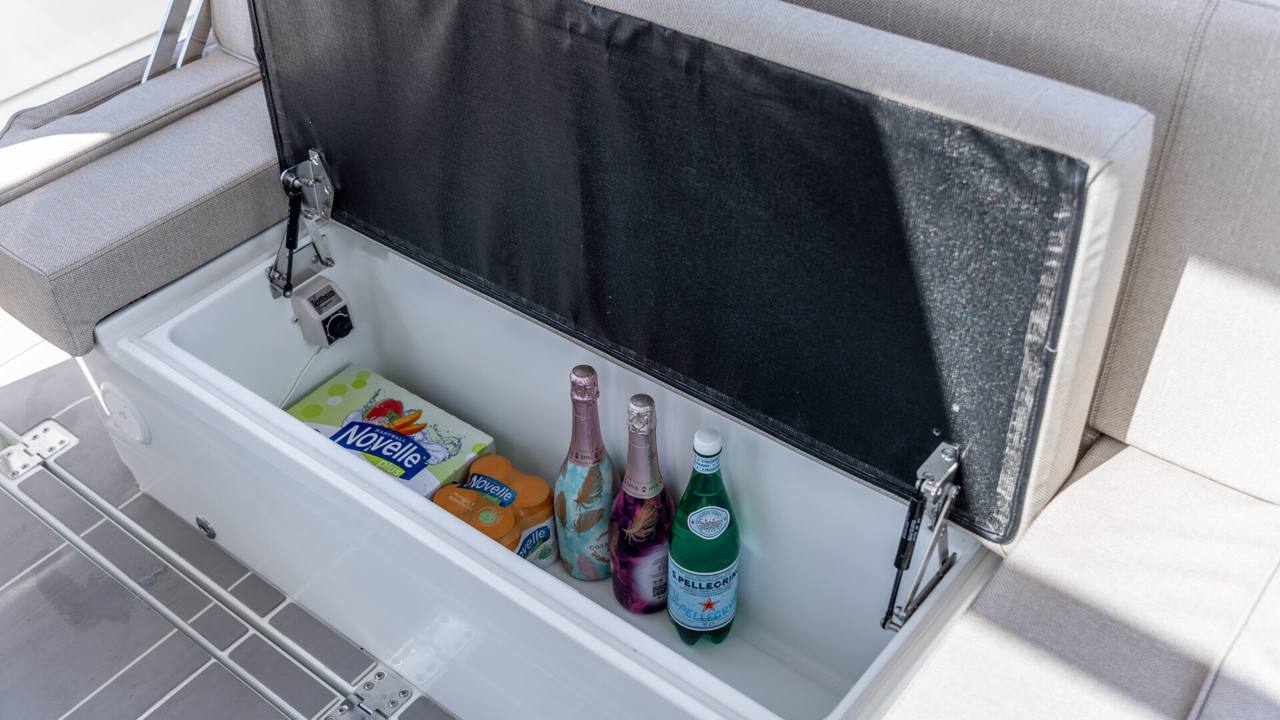
Il punto di partenza è una distinta precisa di ciò che è standard sulla singola unità. La scheda corrente indica T-top in vetroresina con parabrezza e lucernario, passavanti di dritta, wet bar, frigorifero, prendisole poppiero trasformabile, terrazze manuali, cabina prodiera e locale toilette separato. Alcuni pacchetti e accessori possono variare nel tempo: ogni voce deve quindi comparire nell’ordine con codice, quantità e condizioni di installazione.
La classificazione è presentata come C / B. Va confermato quale categoria si applichi alla configurazione ordinata, insieme al numero massimo di persone e agli eventuali limiti di carico. Il valore commerciale di dieci passeggeri non sostituisce la documentazione dell’unità consegnata.
Scheda tecnica per il collaudo
| Parametro | Valore dichiarato | Controllo in consegna |
|---|---|---|
| Lunghezza senza motori | 10,68 m | Rilevare ingombro totale con fuoribordo |
| Baglio | 3,48 m | Verificare ingombro con terrazze aperte |
| Peso stimato con motori | 4.800 kg | Richiedere peso della configurazione effettiva |
| Pescaggio alle eliche | 1,00 m | Annotare assetto e trim di riferimento |
| Motorizzazione | 2 × 300 hp | Matricole, eliche, livelli e diagnosi |
| Opzione motori | 2 × 350 hp | Confermare peso, eliche e prestazioni contrattuali |
| Persone | 10 | Confrontare con targhetta e certificato |
| Posti letto | 2 + 1 | Provare trasformazione del divano |
| Carburante | 700 l | Provare indicatore e sfiato |
| Acqua dolce | 120 l | Controllare pompa e tenuta |
| Acque nere | 120 l | Verificare valvole e indicatore |
| Velocità massima stimata | 44 kn | Non confondere con una garanzia di prova |
Due F300 o due F350
La coppia di Yamaha F300 è la motorizzazione indicata di serie. Comprende sterzo elettrico digitale, comando elettronico, display LAN da 5 pollici, sistema senza chiave e protezione elettronica Yamaha. I F350 sono presentati tra le possibilità di configurazione. La differenza deve essere valutata sull’intero sistema: peso sullo specchio, eliche, consumo, intervalli di manutenzione, copertura assicurativa e risposta con barca carica.
La velocità massima stimata fino a 44 nodi non definisce da sola l’installazione migliore. Durante la prova occorre registrare regime, velocità, assetto, carico, vento e stato del mare. Senza questi elementi il numero non è confrontabile. Anche la facilità di manovra a bassa velocità merita più attenzione della punta massima se la barca frequenterà porti stretti.

Plancia, display e campo visivo
La seduta di guida doppia è regolabile elettricamente. Il cruscotto può accogliere due display Garmin da 12 pollici e sistemi Yamaha di assistenza, secondo la configurazione scelta. Prima di approvare il layout bisogna simulare la posizione del pilota seduto e in piedi: parabrezza, montanti del T-top, strumenti e persone non devono creare zone cieche.
Il collaudo include retroilluminazione dei comandi, luminosità automatica, leggibilità con occhiali polarizzati, allarmi sonori, pagine motore e integrazione dei sensori. Tutte le schermate importanti devono essere disponibili senza una sequenza eccessiva di tocchi. La ricarica del telefono, se ordinata, va provata con il dispositivo realmente utilizzato.

Sterzo, trim e manovra
La dotazione dichiarata comprende Yamaha DES e steer-by-wire, propulsore di prua con batteria dedicata e sistema ZipWake per il controllo automatico dell’assetto. Ogni sottosistema deve essere verificato separatamente e poi in modo integrato. Al timone non devono comparire giochi, messaggi intermittenti o differenze anomale di risposta tra i due motori.
Per ZipWake vanno controllati inizializzazione, indicazione della posizione e ritorno a un assetto neutro. Il propulsore di prua va provato con tensione misurata e motori principali nelle condizioni previste dal manuale. Se si ordina un pacchetto Helm Master con autopilota, il collaudo deve comprendere calibrazione, sensori e funzioni effettivamente abilitate.
Carburante: capacità e controlli
Il serbatoio in alluminio è dichiarato da 700 litri. La pagina tecnica non fornisce una curva completa dei consumi, quindi non si deve trasformare la capacità in un’autonomia teorica priva di riscontri. Dopo le prime uscite è utile costruire una tabella propria, basata su litri consumati, ore motore, velocità e condizioni.
In consegna si controllano bocchettone, sfiato, tenuta, indicatore e accessibilità alle connessioni. Il rifornimento deve avvenire senza riflussi o odori persistenti. Una prima taratura pratica dell’indicatore, svolta con quantità note, aiuta a capire quanto carburante rimanga realmente nelle diverse letture.

Impianto elettrico e quattro batterie
Il costruttore dichiara quattro batterie: due dedicate ai motori e due ai servizi. Il propulsore di prua ha una propria batteria. Questa architettura richiede uno schema aggiornato con capacità, tipo di accumulatori, protezioni, sezionamenti e logica di ricarica. L’etichettatura deve corrispondere allo schema e risultare leggibile anche nei vani meno accessibili.
La prova elettrica parte a riposo, prosegue con i principali carichi inseriti e termina con i motori in moto. Si misurano tensione, corrente di ricarica e cadute sui circuiti più impegnativi. Frigorifero, luci, pompe, strumenti e accessori non devono compromettere l’avviamento. Ogni optional elettrico deve avere un assorbimento documentato e una protezione correttamente dimensionata.
Sentina, drenaggi e pompe
Sono dichiarate due pompe di sentina elettriche e una manuale. Il pozzetto è auto-svuotante con scarico rapido a poppa, mentre anche il gavone dell’ancora è drenato. In consegna non basta sentire il rumore delle pompe: si deve verificare l’aspirazione con acqua, il funzionamento degli interruttori automatici e l’uscita libera dagli scarichi.
Le terrazze, il gavone sottopavimento e il vano sotto il prendisole aggiungono superfici dove l’acqua può raccogliersi. Tutti i canali devono essere visibili e sgombri. Dopo il lavaggio è utile attendere e controllare se compaiano ristagni o infiltrazioni nei volumi chiusi.

Acqua dolce e wet bar
I 120 litri di acqua dolce alimentano wet bar e servizi. Il blocco cucina esterno comprende lavello e contenimento; frigorifero e tavolo pieghevole completano la zona. Il controllo deve includere pompa, pressostato, rubinetti, scarichi e assenza di perdite nelle connessioni nascoste. Il serbatoio va riempito almeno in parte prima del collaudo.
Fornelli elettrici o diesel e ulteriori apparecchiature risultano tra le possibilità di allestimento. Se ordinati, cambiano carico elettrico, ventilazione e procedure d’uso. È fondamentale distinguere chiaramente il wet bar standard dagli elementi aggiunti, soprattutto quando un pacchetto commerciale accorpa dotazioni eterogenee.
Locale toilette, acque nere e doccia
Il locale separato comprende toilette elettrica, doccia, bidet, mobile lavabo e specchio. Il serbatoio delle acque nere è dichiarato da 120 litri. Prima della consegna si verificano funzionamento della toilette, indicatore, valvole, fascette, sfiato e possibilità di accesso per la manutenzione. Ogni circuito deve essere identificato senza ambiguità.
La doccia va provata controllando portata, scarico e asciugatura del vano. La capacità del serbatoio non elimina la necessità di una gestione attenta: con più persone, 120 litri di acqua dolce possono diminuire rapidamente. Una procedura semplice per carico, scarico e risciacquo evita gran parte dei problemi successivi.

Cabina prodiera e posti letto
La configurazione standard dichiara un letto matrimoniale e un divano trasformabile per un posto aggiuntivo. Portello apribile, luci di lettura USB-C, illuminazione diffusa e tavolo completano l’ambiente. La trasformazione va eseguita durante il collaudo: cuscini, supporti e parti mobili devono trovare una collocazione sicura sia di giorno sia di notte.
Il passaggio verso il locale toilette deve restare praticabile con il letto preparato. Vanno controllati aerazione, oscuramento, chiusura del portello, prese e accesso ai vani. Il pacchetto cabina poppiera disponibile per la gamma 35 è una voce distinta: se interessa, occorre verificare compatibilità, accesso, ventilazione, massa aggiunta e numero di posti letto riportato nei documenti.
T-top e dotazioni di coperta
Il T-top in vetroresina incorpora lucernario e tendina, mentre il parabrezza protegge la plancia. La barca resta aperta lateralmente. Nel collaudo vanno controllati sigillature, drenaggi, fissaggi, rumorosità e funzionamento della tendina. Eventuali luci, barre o supporti installati sul tetto devono avere passaggi cavo stagni e protezioni dedicate.
Il passavanti di dritta, le sei bitte, le battagliole e il gavone dell’ancora devono essere esaminati con cime e parabordi a bordo. Non è sufficiente verificare la coperta vuota: la configurazione reale comprende oggetti che possono limitare appigli, aperture e percorsi.

Terrazze e arredi mobili
Le terrazze laterali si aprono manualmente. Il prendisole poppiero impiega uno schienale ribaltabile e offre stivaggio sottostante; a prua è presente un secondo prendisole-divano. Per ciascun elemento bisogna controllare arresti, cerniere, supporti, drenaggio e procedura di movimentazione. Le terrazze devono essere chiuse e bloccate prima della navigazione secondo le istruzioni.
Il tavolo pieghevole, i cuscini e le dotazioni sportive richiedono un piano di stivaggio. Ogni elemento deve rimanere fermo in accelerazione e lasciare liberi gli accessi tecnici. Una barca trasformabile funziona bene solo quando il passaggio da una configurazione all’altra è rapido e ripetibile.
verifica della prova in acqua
La prova parte con livelli, eliche, carico e condizioni registrati. Si controllano avviamento a freddo, sincronizzazione, innesti, sterzo, risposta progressiva e visibilità. A diverse andature si annotano regime, velocità, assetto e consumo mostrato dagli strumenti, senza trasformare una singola uscita in una promessa universale.
Le manovre includono marcia indietro, arresto, virate strette e uso del propulsore di prua. Si ascoltano vibrazioni del T-top e degli arredi, si controllano spruzzi e stabilità degli oggetti. Al rientro si ispezionano sentina, vani motore, connessioni, scarichi e livelli: molte anomalie emergono soltanto dopo che la barca ha lavorato.

sequenza di verifiche documentale e manutenzione iniziale
La consegna deve includere dichiarazione di conformità, manuali, matricole di scafo e motori, elenco degli optional, schemi elettrici e idraulici, certificati delle batterie e piano di manutenzione. Versione software e configurazione degli strumenti vanno annotate. Le chiavi elettroniche e i dispositivi di sicurezza devono essere consegnati e provati.
Le prime scadenze riguardano motori, eliche, fissaggi, filtri, batterie, pompe e organi delle terrazze. Un registro con ore, interventi e anomalie rende più semplice distinguere usura, installazione e uso. Per una barca ricca di parti trasformabili è utile aggiungere fotografie dei vani ordinati al momento della consegna.
Configurazione consigliata per programma
Per uscite giornaliere contano protezione solare, frigorifero, stivaggio e semplicità. Per trasferimenti frequenti diventano prioritari elettronica, sistemi di manovra e protezione dal maltempo. Per pernottamenti acquistano peso capacità elettrica, gestione dell’acqua, oscuramento e qualità della cabina. Non esiste un pacchetto universalmente corretto.
La Quarken 35 Sport Tourer offre una base completa, ma chiede disciplina nella scelta degli optional. Prima di firmare conviene trasformare il proprio programma in una matrice di carichi, persone, miglia, notti e porti. Motori e accessori si selezionano dopo questa analisi; il collaudo verifica che la barca consegnata corrisponda davvero alla configurazione concordata.