
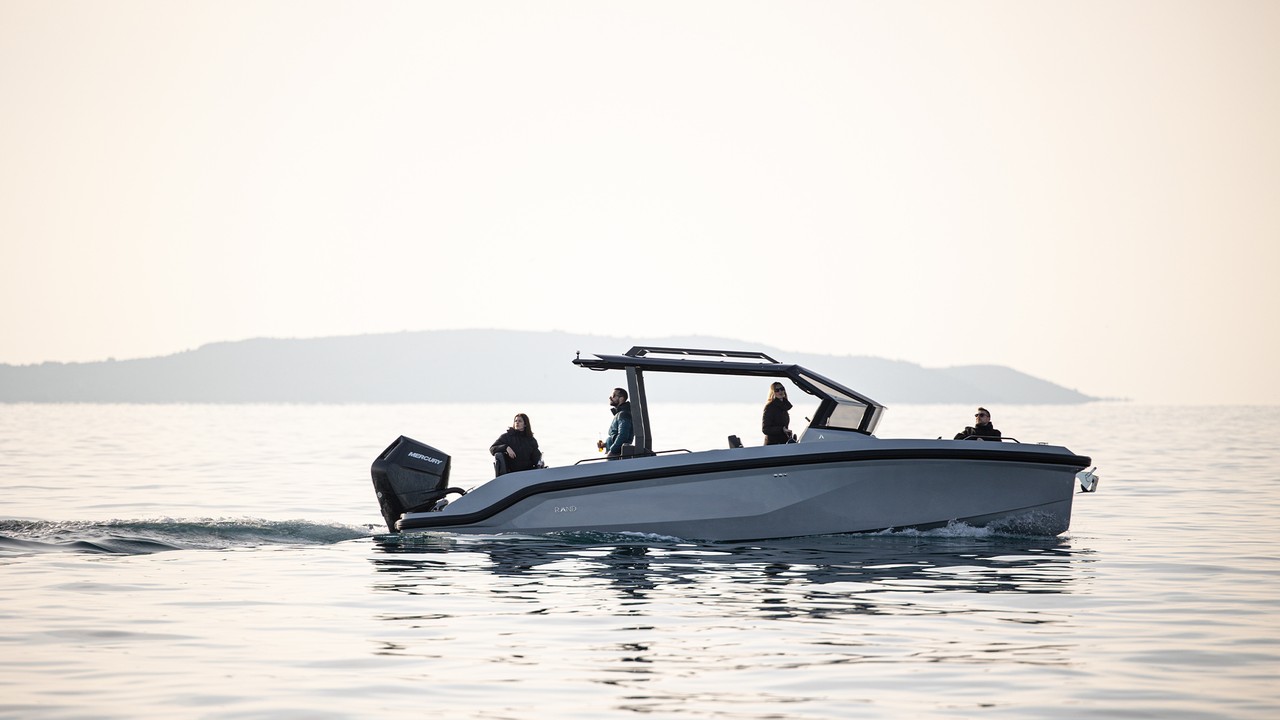
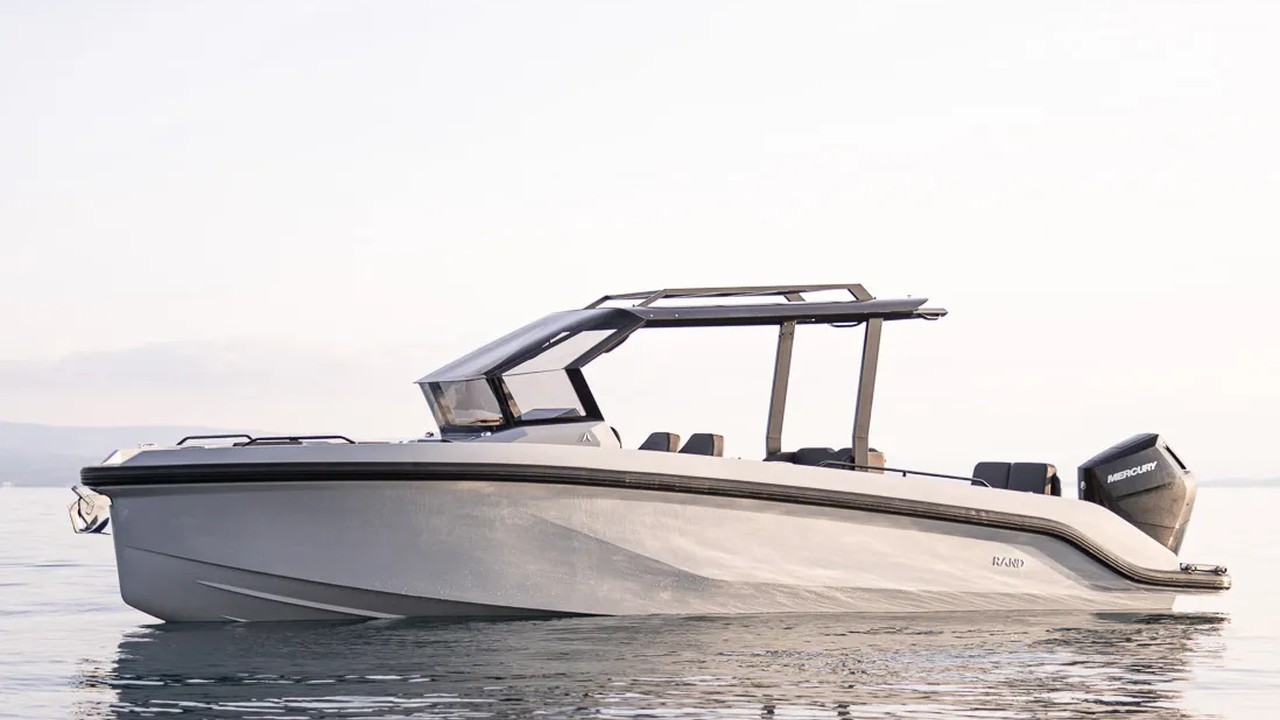
RAND Roamer 29 è un open di 8,82 metri di lunghezza scafo e 2,72 metri di baglio, costruito attorno a una consolle protetta da parabrezza e hardtop e a una coperta trasformabile. Il costruttore dichiara 0,41 metri di pescaggio, 2.650 chilogrammi di peso e una portata massima di dieci persone. L’elemento più importante non è però una singola misura: il modello può essere configurato con propulsione fuoribordo, entrobordo o elettrica. Cambiano masse, manutenzione, spazi tecnici, autonomia e procedure. Per scegliere correttamente bisogna quindi partire dal programma d’uso e chiudere la configurazione come un sistema, senza sommare optional scollegati.
Dati principali e controlli preliminari
Il baglio di 2,72 metri mantiene dimensioni gestibili per molti posti barca, ma ingombri effettivi, hardtop, antenne, motori e parabordi vanno misurati sull’esemplare. Il peso dichiarato non sostituisce quello operativo, che include propulsore scelto, batterie o carburante, acqua, dotazioni, persone e bagagli. Il pescaggio di 0,41 metri è un riferimento di progetto; piedi, eliche e carico possono modificare la quota critica. La verifica deve collegare certificazione, numero di scafo e distinta di allestimento.
| Voce | Dato dichiarato | Controllo necessario |
|---|---|---|
| Lunghezza scafo | 8,82 m | Sporgenze e motori |
| Baglio | 2,72 m | Posto barca e parabordi |
| Pescaggio | 0,41 m | Configurazione propulsiva |
| Peso | 2.650 kg | Peso operativo reale |
| Persone | Massimo 10 | Carico e sedute |
| Propulsione | Fuoribordo, entrobordo, elettrica | Distinta installata |
Carena, prua e campo operativo
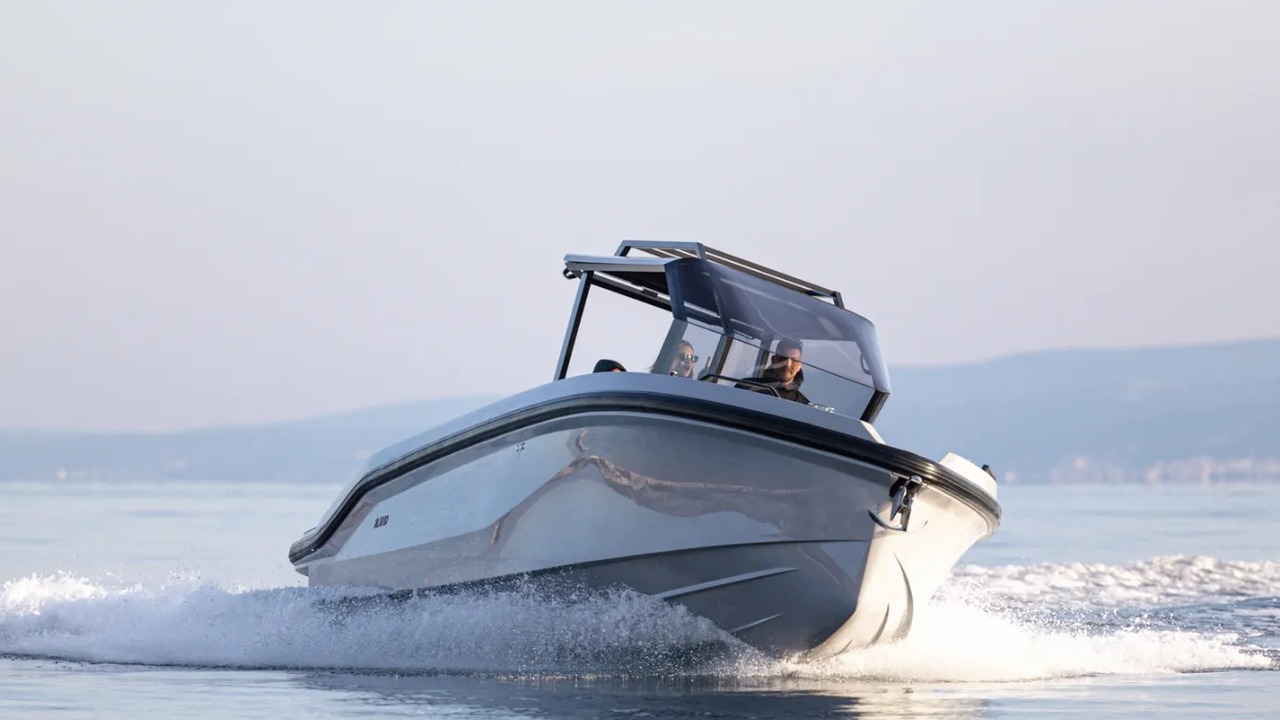
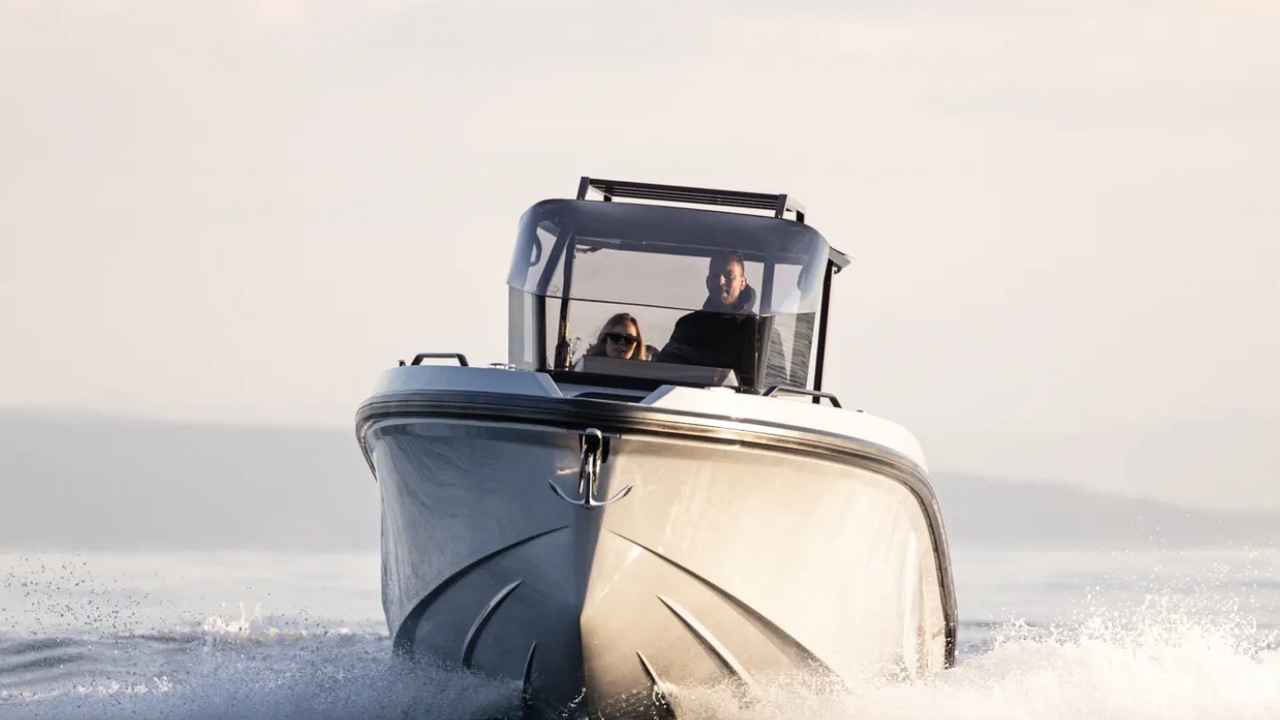
Il costruttore descrive una prua affilata con forte svasatura e una carena con angolo pensato per l’impiego offshore. Sono indicazioni da verificare osservando profilo, pattini, spigoli e distribuzione dei volumi. La svasatura può contribuire a deviare gli spruzzi, mentre l’ingresso stretto deve lavorare insieme alla parte poppiera per sostenere il carico. In prova si annotano mare, vento e quantità a bordo, perché un open di nove metri cambia risposta quando dieci persone occupano pozzetto e prua.
Struttura e ispezione dello scafo
La qualità dell’esemplare si valuta nei punti che le finiture nascondono: gavoni, basi dell’hardtop, attacchi delle sedute, specchio di poppa e accessi tecnici. Si cercano superfici regolari, drenaggi chiari, bordi protetti e bulloneria con contropiastre. Le aperture non devono cambiare allineamento nell’onda. Ogni passaggio aggiunto per cavi, pannelli o accessori richiede sigillatura. In alaggio si controllano carena, prese, trasduttori e protezioni; eventuali riparazioni devono essere documentate e interpretate da un tecnico, non giudicate dal solo colore.
Hardtop e parabrezza come sistema
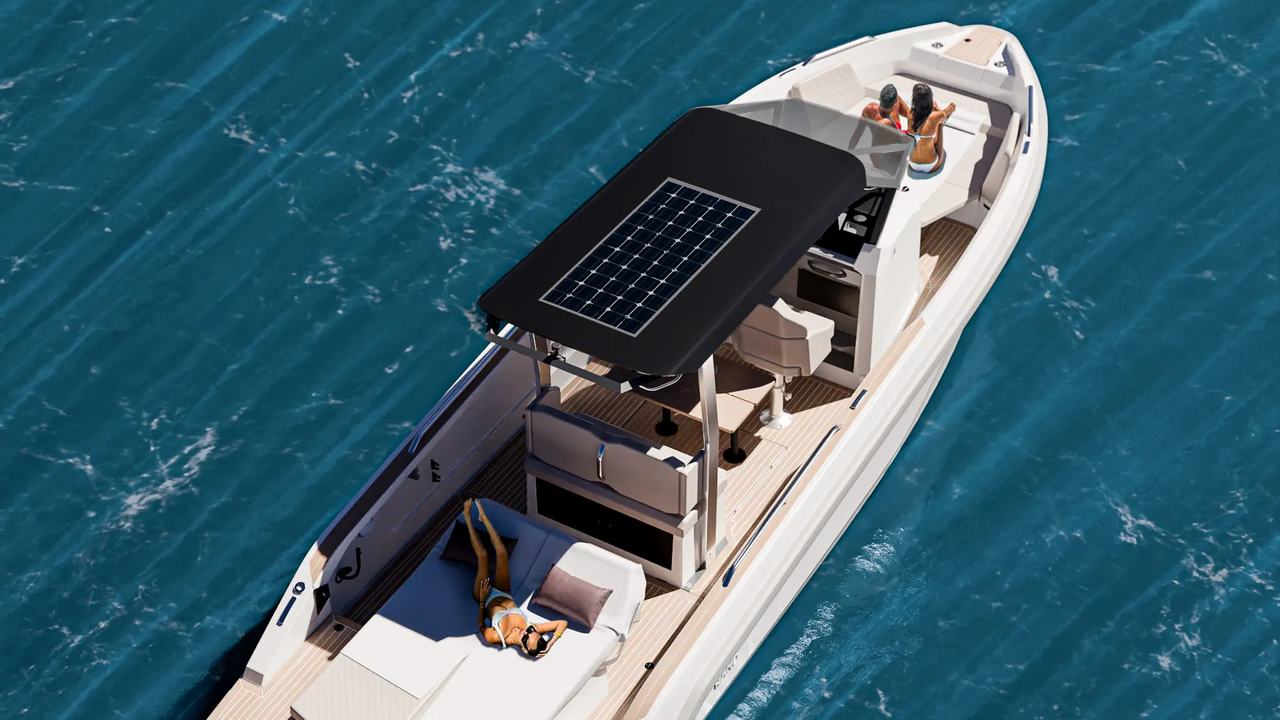
La struttura superiore combina acciaio, vetro e composito per proteggere pilota e passeggero. Non è un semplice elemento estetico: introduce carichi, cablaggi, superfici esposte e punti di fissaggio. Si verifica rigidità, assenza di infiltrazioni, drenaggio e visibilità attraverso il parabrezza. Antenne, luci o pannelli non devono compromettere tenuta e manutenzione. In navigazione si osservano vibrazioni e riflessi; all’ormeggio si controlla che la protezione non ostacoli la comunicazione con prua e poppa.
Postazione di guida e sedili sospesi
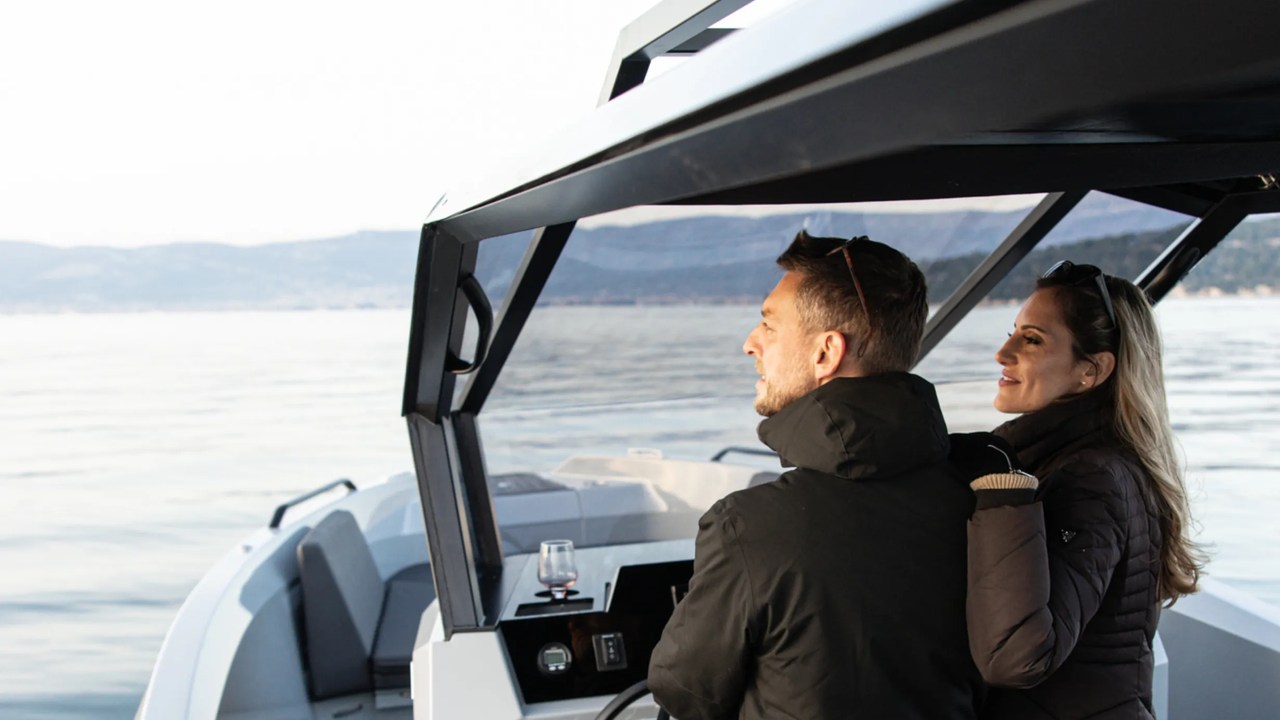
I sedili a guscio con sospensione puntano a ridurre gli urti trasmessi al corpo. Regolazione, corsa e bloccaggio vanno provati con il peso reale delle persone. Il pilota deve raggiungere volante, manetta, trim, display, VHF e comandi di sicurezza mantenendo appoggio. Il passeggero non deve interferire con la visuale o con l’uscita dalla postazione. La sospensione non autorizza velocità incompatibili con l’onda: serve a gestire gli impatti residui, mentre rotta e andatura restano le prime forme di protezione.
Fuoribordo singolo da 300 o 400 hp
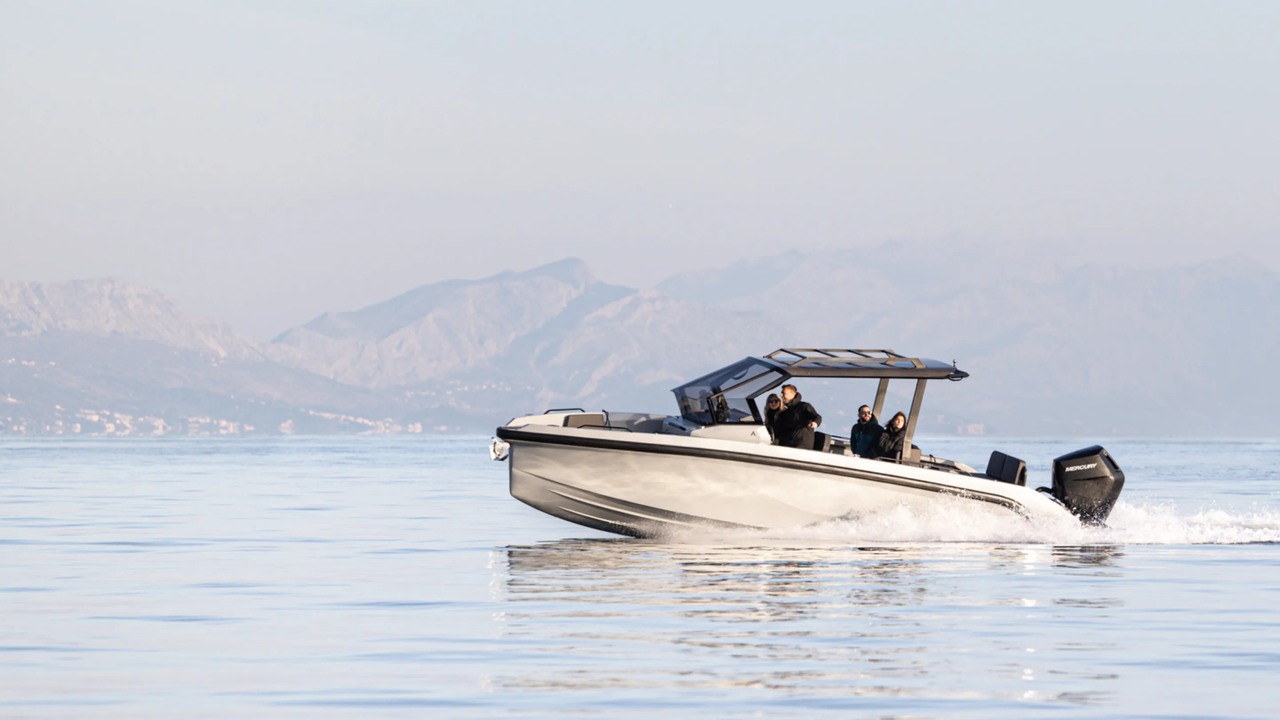
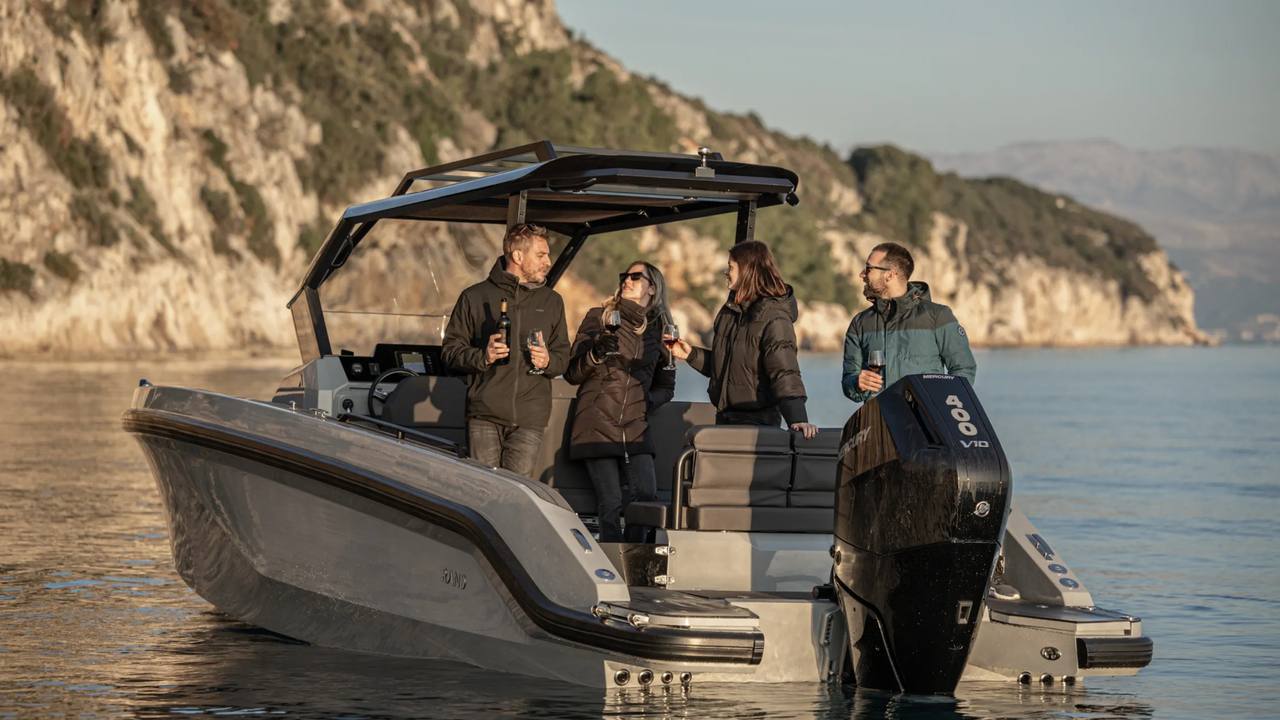
Le configurazioni dichiarate includono Mercury F300, con velocità indicata di 38 nodi, e Mercury F400 V10, con 45 nodi indicati. Sono prestazioni calcolate o stimate dal costruttore e non garantite: cambiano con carico, elica e condizioni. Il singolo fuoribordo concentra manutenzione e libera volumi interni, ma richiede attenzione a specchio, sterzo, tubazioni e passaggi dei cavi. Si controllano altezza di montaggio, possibilità di sollevare il piede e interferenze con piattaforma e cime.
Doppio fuoribordo e carico poppiero
La soluzione con due Mercury F250 è associata a una velocità indicata di 50 nodi. Due motori offrono ridondanza parziale e una diversa risposta in manovra, ma aumentano peso, costo, consumi, componenti e ingombro di poppa. La verifica deve includere portata dello specchio, batterie, filtri separatori, cablaggi e accesso ai servizi. In prova si leggono ore e allarmi di entrambe le centraline e si testa il governo con procedure controllate. Due propulsori non rendono sicura una configurazione senza manutenzione.
Entrobordo benzina e diesel
Fra le alternative dichiarate compaiono MerCruiser 6.2 litri da 350 hp, con 40 nodi indicati, e Mercury Diesel 3.0 litri da 270 hp, con 36 nodi indicati. L’entrobordo sposta masse e introduce vano motore, ventilazione, scarico, raffreddamento, trasmissione e accessi specifici. Il vantaggio o lo svantaggio dipendono dal programma, non dal carburante in astratto. Si verifica possibilità di raggiungere filtri, cinghie, giranti e valvole, oltre alla separazione fra locali tecnici e spazi destinati alle persone.
Propulsione elettrica da 245 kW
La configurazione elettrica da 245 kW è abbinata a 117 kWh e a un’autonomia indicata di 90 chilometri a otto nodi, con velocità massima indicata di 36 nodi. Questi numeri richiedono condizioni e profilo d’uso coerenti; accelerazioni e velocità elevate aumentano la richiesta energetica. La scelta deve partire dalla disponibilità di ricarica, dai tempi fra due uscite e dalla potenza del punto di connessione. Batterie, inverter, raffreddamento, isolamento e procedure di emergenza devono essere documentati nella distinta.
Propulsione elettrica da 270 kW
La variante da 270 kW utilizza 130 kWh e riporta 100 chilometri a otto nodi e 40 nodi di velocità massima indicata. La maggiore capacità non elimina la necessità di pianificare riserva, temperatura, vento e deviazioni. Si controllano stato di salute della batteria, registri di ricarica, diagnostica e garanzia. Il porto deve autorizzare e sostenere il carico richiesto. Collegamenti improvvisati o prolunghe non dimensionate non sono accettabili. Per l’armatore conta l’energia realmente disponibile dopo anni, non soltanto quella nominale iniziale.
Bilancio elettrico e servizi
Anche nelle versioni termiche, strumenti, frigorifero, pompe, illuminazione, verricello e dispositivi personali formano un bilancio. Si separano avviamento e servizi, si identificano protezioni e si misura la caduta di tensione con carichi attivi. Nella versione elettrica la propulsione ad alta tensione deve restare segregata dai servizi a bassa tensione. Il proprietario deve sapere come isolare i circuiti e chi può intervenire. Aggiornamenti software e backup delle configurazioni diventano parte della manutenzione, insieme a morsetti, ventilazione e protezione dall’acqua.
Pozzetto centrale e sedute trasformabili
Il pozzetto ruota attorno a tavolo centrale, sedili di guida girevoli a 180 gradi e sedute intermedie con schienale ribaltabile. La trasformazione deve essere intuitiva ma soprattutto sicura: ogni elemento va bloccato prima di accelerare. Si provano cerniere, fermi, spigoli e passaggi con equipaggio completo. Tavolo e cuscini richiedono stivaggi dedicati quando non sono in uso. La circolazione verso prua e piattaforma deve rimanere libera anche nella configurazione conviviale, altrimenti il layout funziona soltanto in fotografia.
Zona prodiera e prendisole
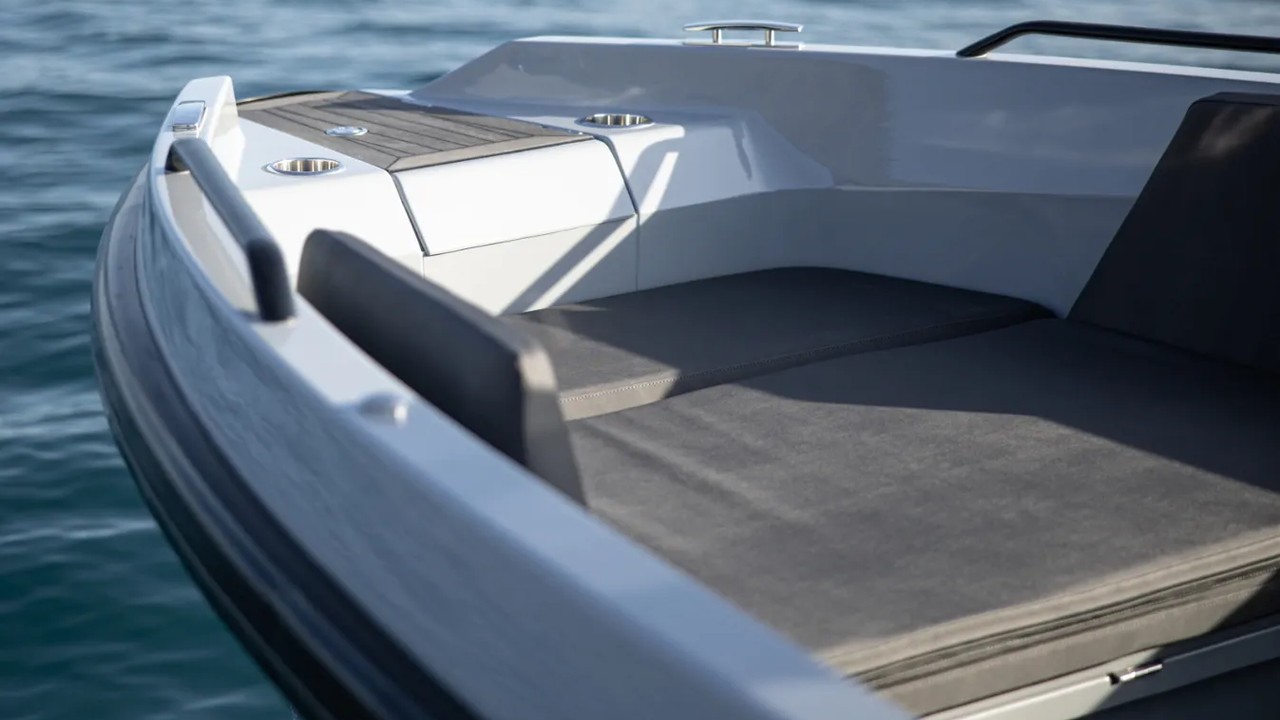
A prua è prevista un’area trasformabile in prendisole e, secondo il layout, in spazio riparato per il riposo. La verifica riguarda dimensioni utili, ventilazione, drenaggio e sicurezza nell’accesso. Cuscini e componenti mobili devono avere ritenute. In navigazione nessuno dovrebbe occupare posizioni incompatibili con appigli, visuale del pilota o condizioni del mare. Ancora, cima e dotazioni di prua restano raggiungibili senza smontare mezzo allestimento. Una zona molto flessibile è valida solo se la conversione non nasconde gli accessi tecnici.
Bagno e stivaggio tecnico
Il Roamer 29 integra un locale toilette con luce dall’alto e volumi di stivaggio accessibili anche dal bagno. Su un open di questa taglia è una dotazione importante, ma va controllata come impianto: ventilazione, pompa, valvole, serbatoio, scarichi e possibilità di pulizia. Nessun oggetto deve bloccare prese a mare o componenti. Le superfici devono drenare e asciugare. In consegna si identifica ogni valvola e si prova il sistema con acqua, verificando che pompe e sensori non lavorino in modo continuo.
Piattaforma poppiera e accesso all’acqua
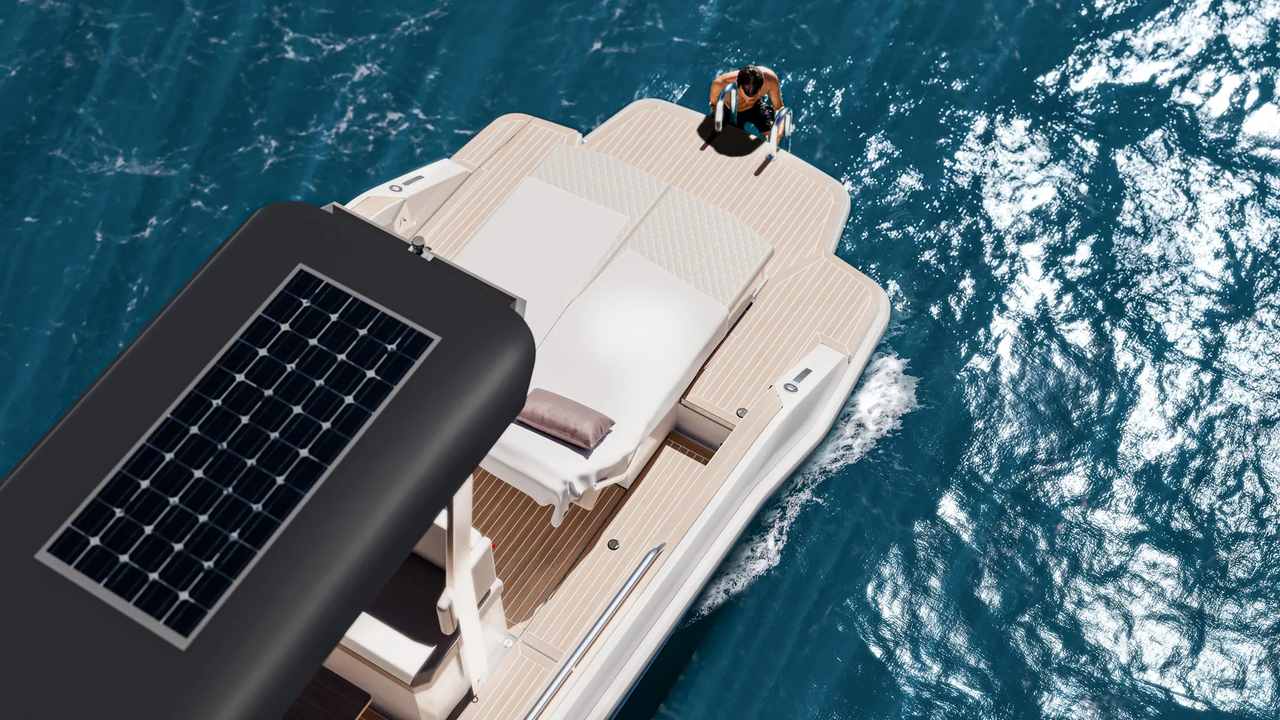
La piattaforma cambia in funzione della propulsione. Con il singolo o doppio fuoribordo bisogna considerare piedi, eliche, sterzo e spazio libero; con l’entrobordo o l’elettrico la geometria può essere diversa. La risalita si prova con propulsione disattivata, controllando scaletta e maniglia. Cime, attrezzatura da bagno e parabordi devono avere un posto che non crei interferenze. Gli scarichi del pozzetto devono funzionare anche a barca carica. Prima di entrare in acqua si stabilisce chi controlla comandi e chi assiste.
Dieci persone: carico e procedure
La portata massima dichiarata è dieci persone, ma dieci adulti con bagagli trasformano assetto, accelerazione e circolazione. Il comandante distribuisce i pesi, assegna sedute e mantiene libere vie di passaggio. Giubbotti, estintori, VHF e dotazioni devono essere accessibili senza svuotare gavoni. Il briefing comprende appigli, uso della toilette, posizione durante la planata e arresto di emergenza. La categoria di progettazione e i limiti esatti vanno letti sui documenti dell’esemplare: non si deducono dalla pagina commerciale.
Optional che richiedono un progetto
Pannello solare, refrigerazione, elettronica, audio, coperture, riscaldamento dell’acqua e accessori di coperta possono essere utili, ma introducono peso, assorbimenti e manutenzione. Ogni scelta deve avere sorgente, protezione e percorso cavi documentati. Un pannello sull’hardtop influenza ombre e passaggi; un frigorifero cambia il bilancio dei servizi; un verricello richiede corrente e fissaggi adeguati. La distinta finale deve distinguere dotazione standard, opzioni di cantiere e installazioni successive, così da rendere chiara la responsabilità tecnica.
Prova in mare per configurazione
La prova si prepara con quantità di energia o carburante, numero di persone, dotazioni, vento e onda registrati. A più regimi stabilizzati si misurano velocità GPS, consumo o potenza assorbita, rumorosità e assetto. Si provano accelerazione, virata, decelerazione e manovra in porto senza cercare subito il dato massimo. Le velocità indicate dal costruttore non sono garanzie. Per l’elettrico si registra anche la variazione percentuale della batteria; per termico, temperatura, pressioni e allarmi. Solo una procedura comune rende confrontabili le versioni.
controlli di consegna e giudizio tecnico
La consegna deve comprendere identificazione dello scafo, certificazione, manuali, schemi, garanzie e distinta completa. Si verificano fissaggi dell’hardtop, sedili sospesi, chiusure, drenaggi, pompe, bagno, strumenti e sistemi di sicurezza. Propulsore e trasmissione richiedono diagnostica e prova dedicata; nella versione elettrica si aggiungono ricarica e isolamento. RAND Roamer 29 è interessante perché una stessa piattaforma può rispondere a programmi molto diversi. Proprio questa ampiezza impone metodo: la configurazione migliore non è la più potente o ricca, ma quella in cui propulsione, energia, coperta e manutenzione rimangono coerenti con l’uso reale.