
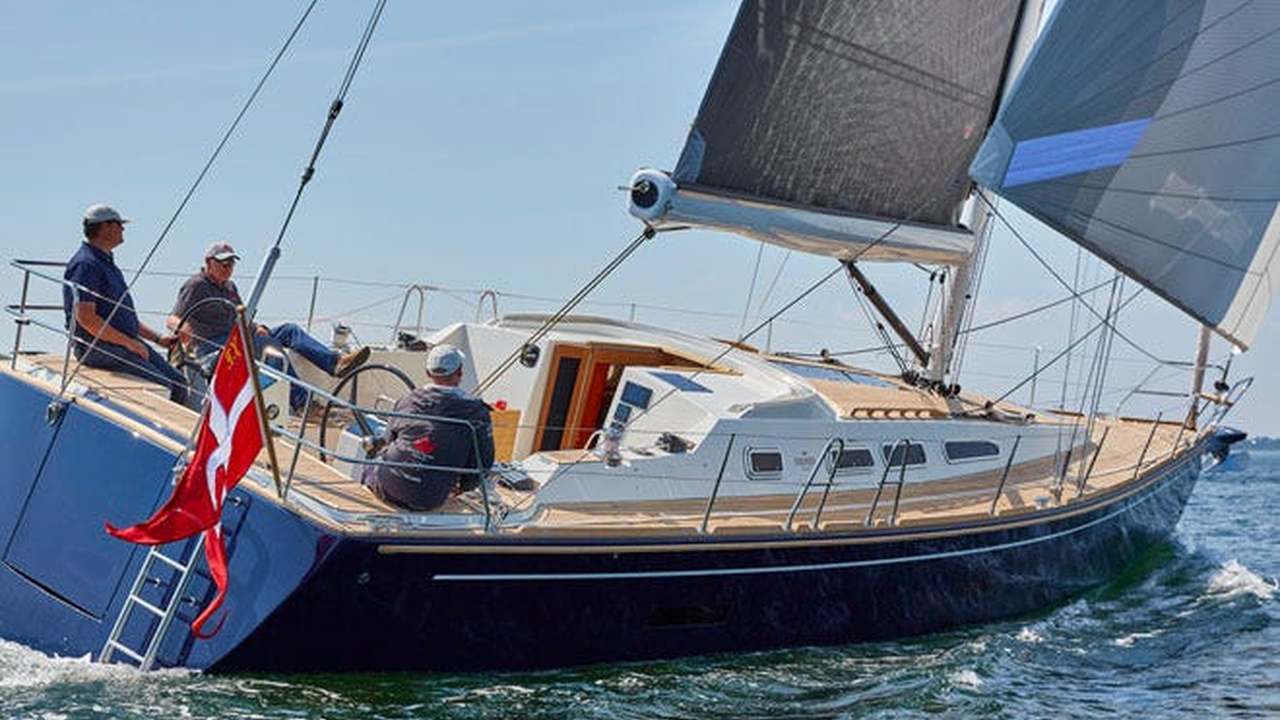
Quando la randa inciampa sempre alla stessa altezza, il sistema sta offrendo una coordinata. Su Ronstan Series 22 quella quota può coincidere con un giunto, il gate, una vite, una deformazione oppure un punto nel quale la vela inclina un carrello. La risposta corretta non è aumentare la forza sulla drizza. Si scaricano le manovre, si identifica la rotaia da 22 millimetri e si confronta il comportamento di più carrelli nello stesso tratto, preservando sfere, vela e sicurezza dell’equipaggio.
Fermare la manovra conserva il primo indizio
Un verricello può superare resistenze che la mano riconosce immediatamente, ma trasferisce il carico a corpo, fissaggi e tessuto. Appena la forza cambia, si interrompe, si stabilizza la barca e si riducono drizza, scotta e vang con ordine. Si segna la quota del punto duro senza mettere mani presso componenti caricati. Questa posizione guiderà tutte le prove successive e impedisce tentativi casuali.
Confermare che la rotaia sia Series 22
La famiglia usa rotaia da 22 millimetri, disponibile come mast track e come luff groove. Si legge il codice quando accessibile, si misura la sezione e si fotografa il profilo. Non si prova un carrello di altra serie per confronto: una forma apparentemente vicina può danneggiare pista o sfere. La diagnosi annota anche se i carrelli sono tradizionali oppure captive.
Il cappuccio non è il finecorsa
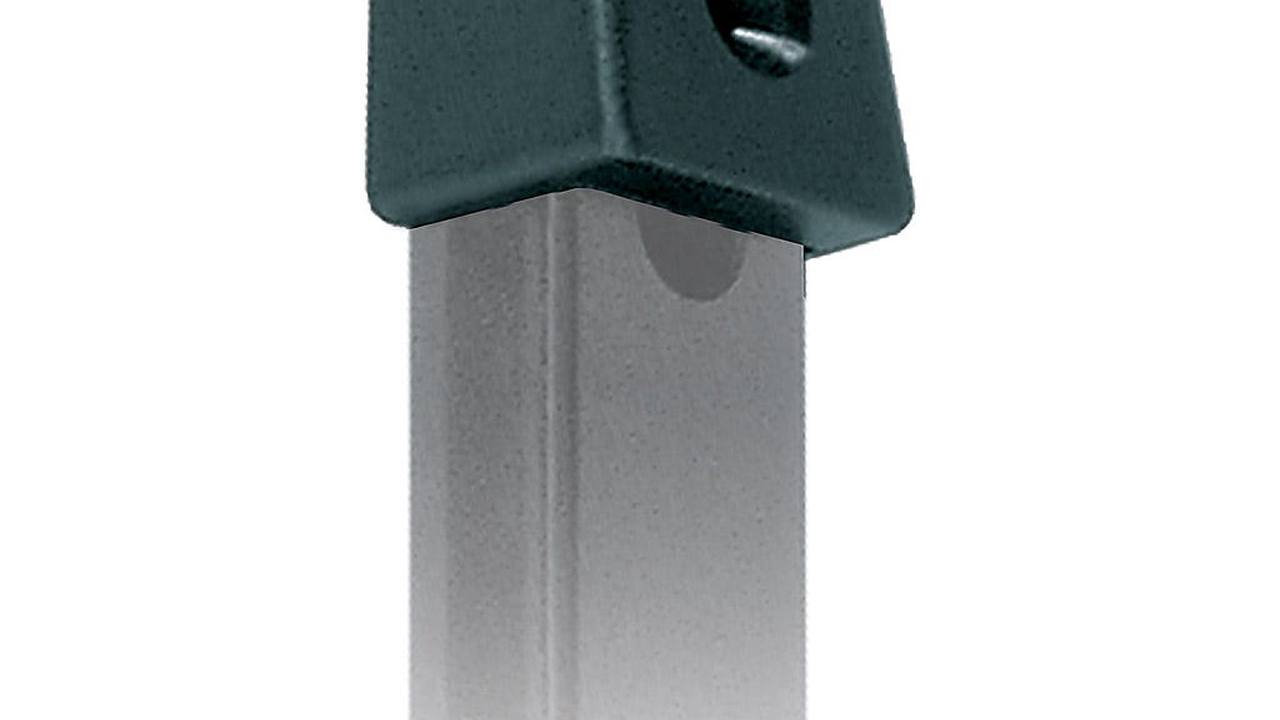
L’end cap protegge il bordo del profilo, mentre l’end stop in lega trattiene i carrelli. Se la resistenza compare all’estremità, si controlla che il finecorsa sia stabile, integro e nella posizione corretta. Non lo si rimuove finché ogni carrello non è trattenuto con un metodo sicuro. Anche nel captive, le sfere restano nel corpo ma il carrello può uscire e cadere.
Se tutti frenano alla stessa quota, osservare la rotaia
Si porta lentamente un intermedio e, in un secondo momento controllato, un altro carrello verso il punto segnato. Se entrambi cambiano resistenza nello stesso punto, il sospetto si concentra su giunto, gate, fissaggio o profilo. Se uno solo frena lungo più tratti, il difetto segue invece il corpo o il suo collegamento. La prova viene svolta senza tensioni laterali della vela.
Il gate da 325 millimetri è un punto sensibile
Series 22 prevede tratti gate da 325 millimetri per mast track e luff groove. La funzione è permettere ingresso e uscita dei carrelli, quindi deve aprirsi per servizio e chiudersi mantenendo continuità di corsa. Un bordo non allineato, un fissaggio sporgente o una chiusura incompleta possono creare l’inciampo ricorrente. Non si lima il profilo in opera senza aver verificato montaggio e causa.
Il carrello intermedio è il miglior elemento di confronto
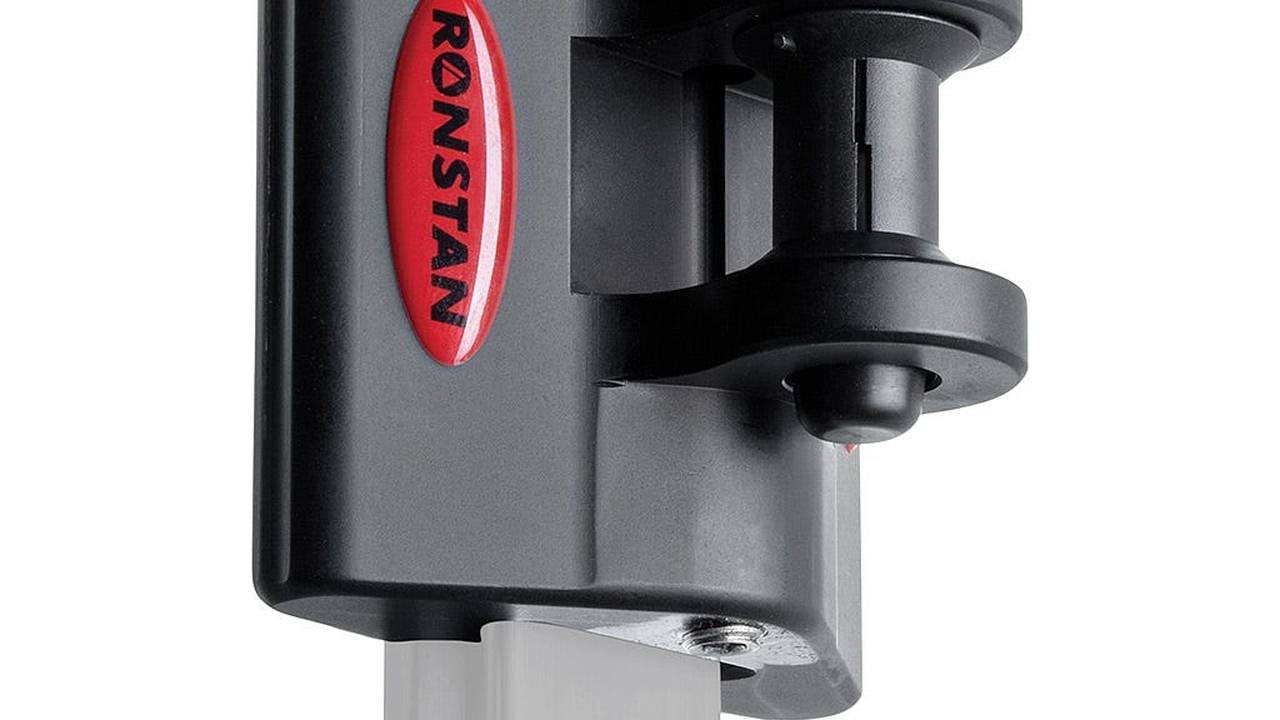
L’intermedio tradizionale misura 64 per 57 millimetri; il captive 57 per 47 ed esiste per rotaia standard e luff groove. Privo della compressione diretta di una stecca, aiuta a separare l’attrito della pista da quello imposto dalla vela. Se scorre libero dove il carrello stecca frena, si osservano articolazione, ricettacolo e tensione laterale prima di intervenire sulla rotaia.
Pulire prima di interpretare l’usura
Il tratto accessibile viene risciacquato con acqua dolce e lasciato drenare. Sale cristallizzato e particelle possono creare una resistenza che sembra un giunto. Non si aggiungono prodotti generici per rendere temporaneamente più fluida la corsa: possono trattenere sporco e cancellare gli indizi. Dopo la pulizia si ripete la prova alla stessa quota e con lo stesso livello di carico.
Una vite sporgente produce un sintomo netto
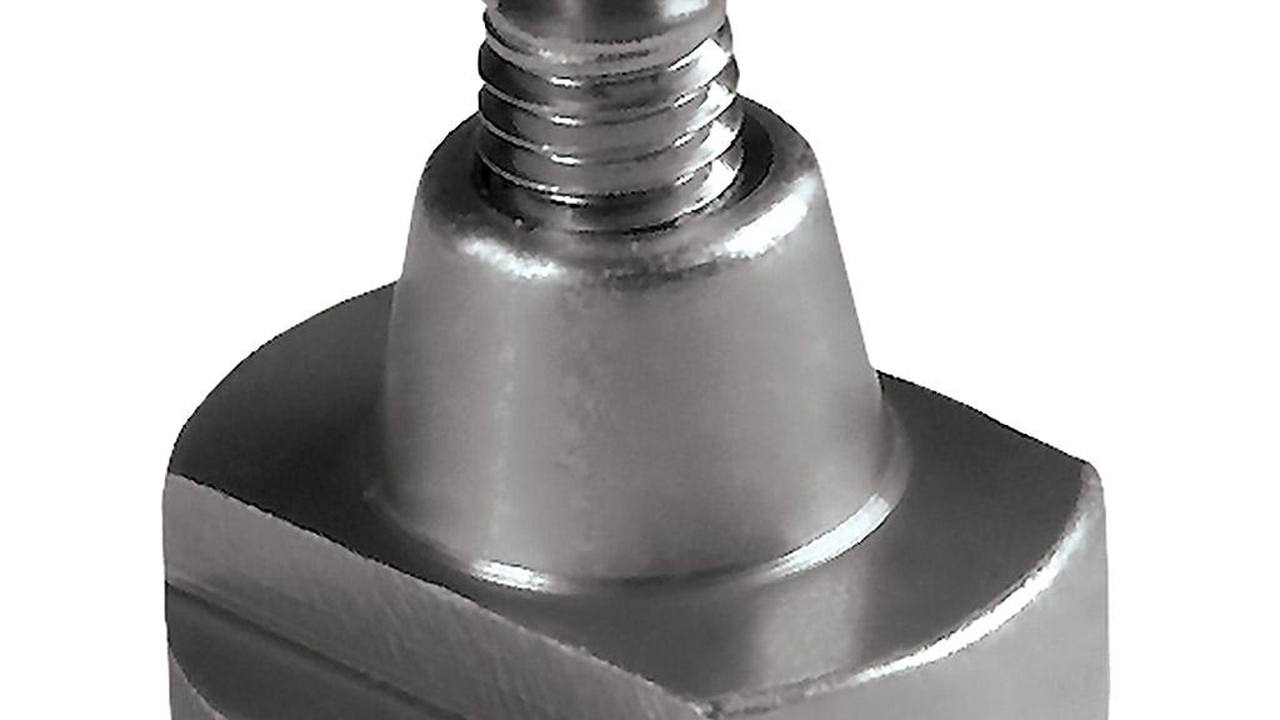
Le mast track Series 22 da 2.025 e 3.025 millimetri sono associate a fissaggi svasati M6 e slug; il gate ha quattro punti. Una testa non a filo o uno slug mal posizionato può interferire con il corpo. Il controllo visivo usa luce radente e non prevede serraggi casuali: se un fissaggio è mobile o l’appoggio non è continuo, occorre ripristinare l’installazione prevista.
I giunti possono aprirsi soltanto sotto carico
A riposo due tratti possono apparire allineati. Con la vela in tensione, una differenza di appoggio può creare un gradino. Si confronta quindi il passaggio scarico con una seconda prova a tensione moderata, osservando il profilo senza avvicinarsi alle parti in movimento. Se la resistenza nasce soltanto sotto carico, la geometria della rotaia e l’allineamento dell’albero assumono priorità.
La penna può inclinare il carrello superiore
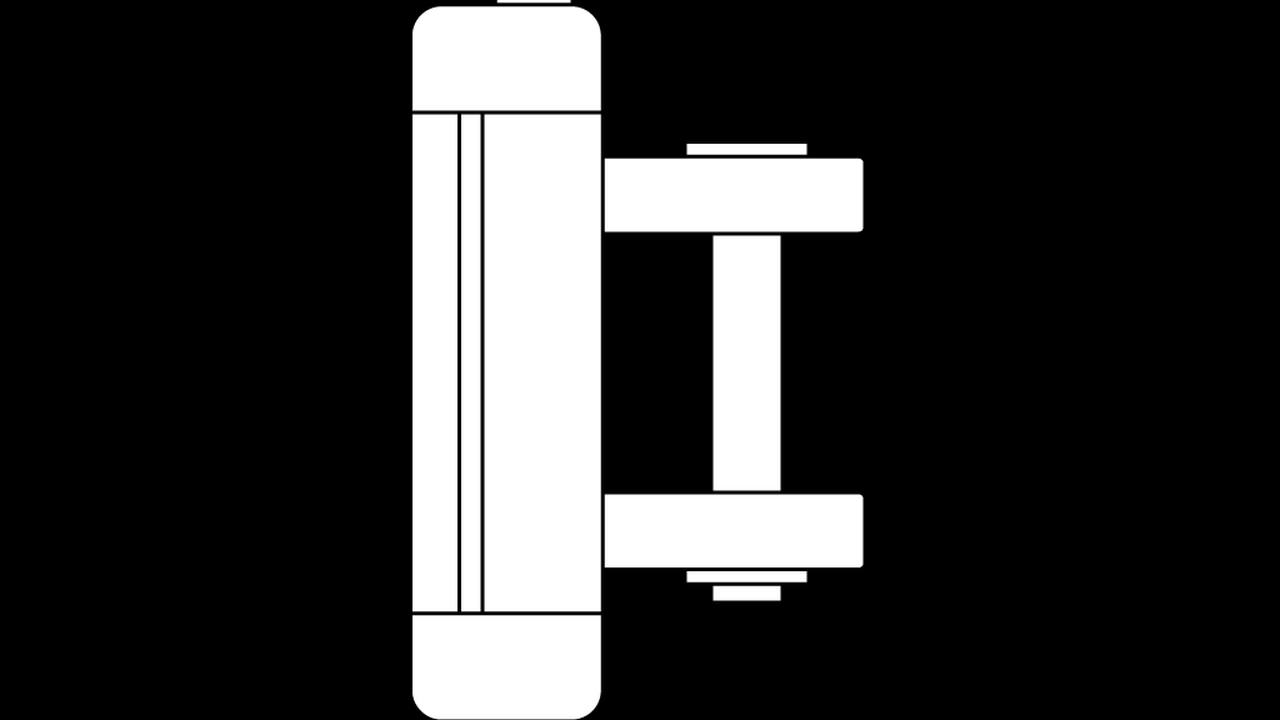
Il carrello tradizionale della penna misura 206 per 57 millimetri; il captive circa 233 per 47. Quando l’inciampo è vicino alla testa, si controlla l’angolo della drizza, la tavoletta e lo spazio residuo. Una trazione non centrata può fare lavorare il corpo sul bordo della pista. La diagnosi osserva se la resistenza cambia allentando progressivamente la tensione.
La stecca può trasformare un passaggio libero in un arresto
Il carrello tradizionale della stecca misura 77 per 57 millimetri, il captive 72 per 47. Se l’intermedio supera il punto e quello della stecca no, si verifica il giunto articolato. Il ricettacolo deve muoversi senza arrivare a battuta e senza imporre rotazione al carrello. Cuciture, coperture o terminali fuori asse possono ridurre la libertà soltanto quando la stecca è compressa.
Il quick-release deve essere completamente chiuso
Il rapido tradizionale misura 120 per 57 millimetri; il captive circa 116 per 47, con varianti per standard e luff groove. Una chiusura parziale o sporca può introdurre gioco e inclinazione. Il meccanismo viene esaminato a vela trattenuta e scarica, senza aprirlo in modo incontrollato. Se non raggiunge con chiarezza la posizione corretta, la barca non riprende la manovra.
La tabella dei riscontri guida la sequenza
| Riscontro | Ipotesi principale | Confronto utile | Limite operativo |
|---|---|---|---|
| Più carrelli frenano alla quota | Gate, giunto o rotaia | Passaggio scarico | Non forzare |
| Un corpo frena ovunque | Carrello o sfere | Tratto pulito e diritto | Non scambiare pezzi |
| Solo carrello stecca frena | Giunto o compressione | Intermedio sulla stessa quota | Non irrigidire il link |
| Solo a vela ridotta | Carrello reef e rinvii | Tensione progressiva | Non cazzare di colpo |
Il reef cambia il sistema di forze
Il carrello tradizionale reef misura 130 per 57 millimetri; il captive circa 86 per 47 ed è disponibile anche per luff groove. Se il punto duro compare prendendo la mano, si osservano direzione della borosa e nuovo punto di mura. Una trazione laterale può inclinare il corpo pur lasciando libera la corsa a vela piena. La correzione riguarda il rinvio, non una maggiore lubrificazione.
Captive significa sfere trattenute, non sistema indistruttibile
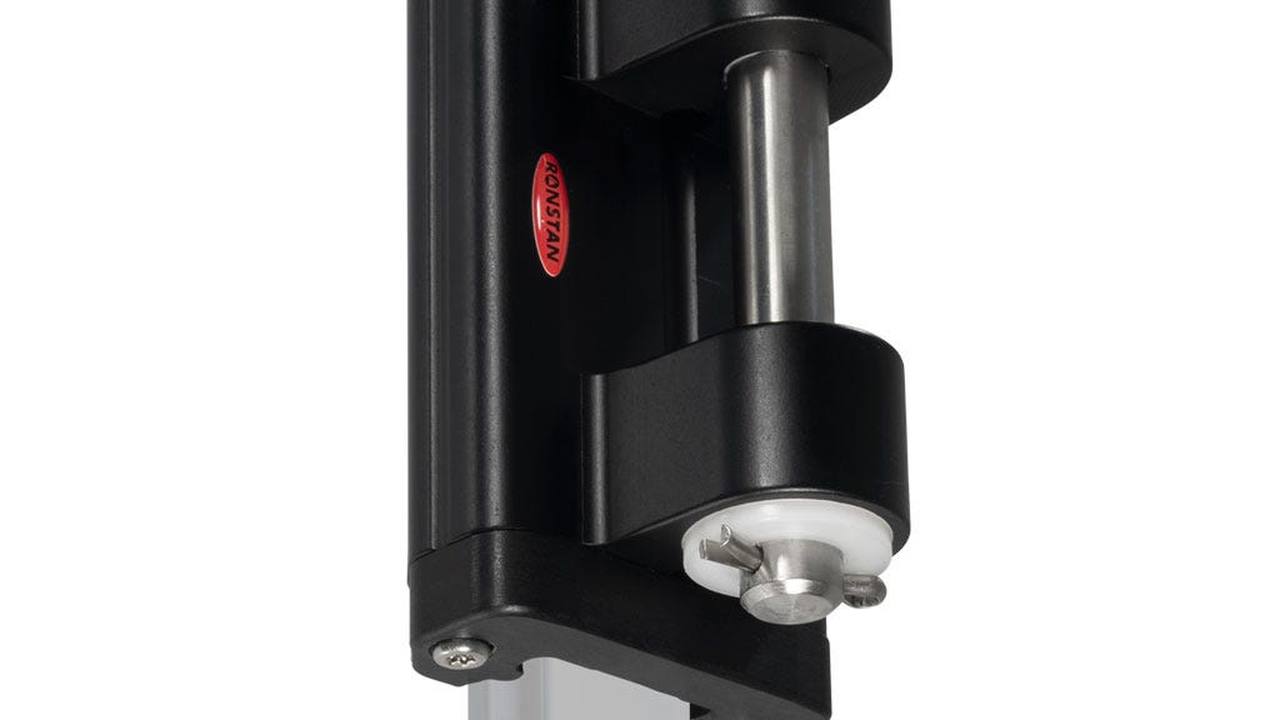
Le sfere captive facilitano la gestione del carrello fuori rotaia, mentre sliderod partecipano ai carichi statici. Restano però possibili contaminazione, danni, corpo deformato e uscita del carrello se manca il finecorsa. Durante l’ispezione non si sfrutta la ritenzione per lavorare senza contenimento. Ogni smontaggio segue una procedura e conserva ordine e orientamento dei componenti.
La luff groove richiede carrelli coerenti
Ronstan propone carrelli captive specifici per la variante luff groove, inclusi penna, intermedi, stecche, rapidi e reef. Un ricambio per la rotaia standard non viene scelto perché “entra”. Si confrontano codice, larghezza, profilo di contatto e funzione. Se l’identificazione non è certa, il componente resta fermo e si richiede una verifica professionale prima di rimontare la vela.
Il rumore deve essere collegato alla posizione
Un colpo secco sul gate, un raschiamento continuo o un cigolio sotto carico sono segnali differenti. Si registra quando iniziano e se coincidono con l’aumento di forza. Un rumore esterno può provenire da vela, lazy bag o stecca; rumore e resistenza simultanei impongono invece lo stop. Ripetere la manovra molte volte per ascoltare meglio può aggravare l’anomalia.
Il controllo in quota richiede competenza e condizioni sicure
Se il punto si trova presso la penna, non si improvvisa una salita con mare o vento. La barca viene assicurata, si adottano sistemi di protezione adeguati e opera personale competente. Molti indizi possono essere raccolti dal ponte osservando quota e risposta alle tensioni. La necessità di una visione ravvicinata non giustifica l’esposizione a un rischio maggiore del difetto stesso.
Crepe, deformazioni e fissaggi mobili chiudono la prova
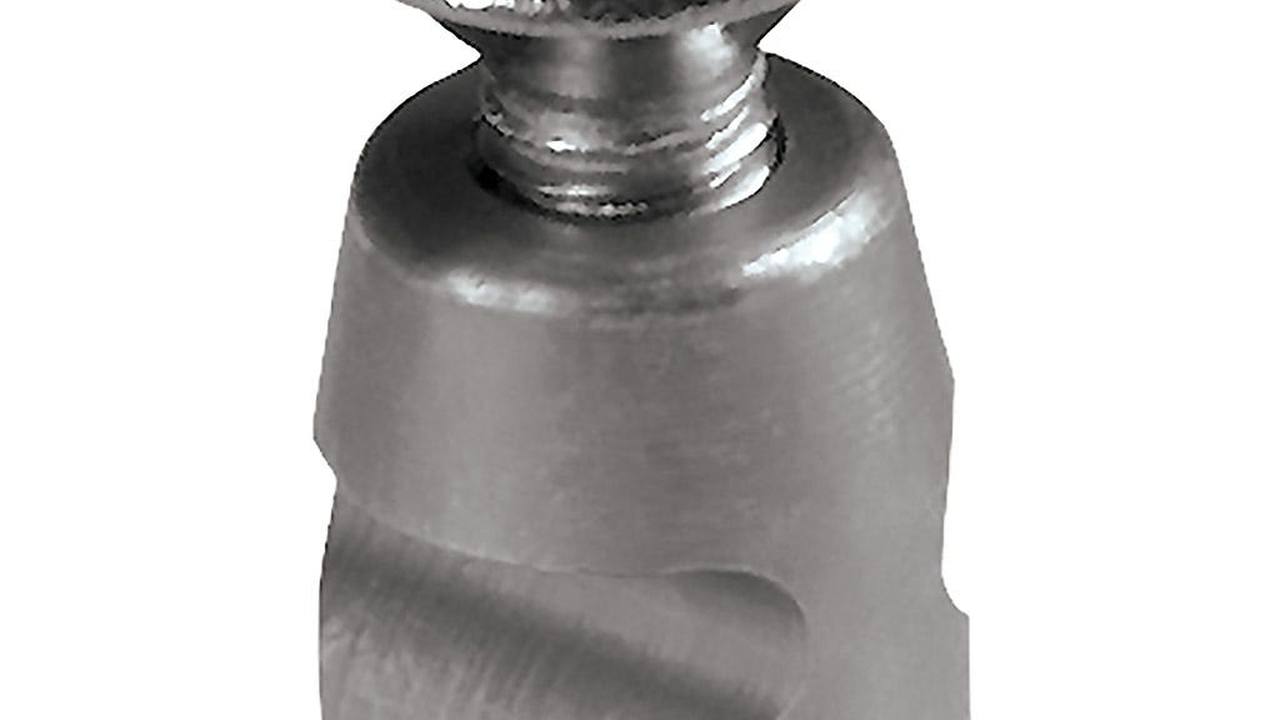
Un corpo crepato, una rotaia piegata, sfere mancanti, gate instabile o finecorsa danneggiato richiedono fermo e intervento qualificato. Non sono condizioni da “monitorare” continuando a issare la vela. Si documentano codice, quota e immagini, si mette la randa in sicurezza e si prepara la riparazione corretta. La diagnosi ha già raggiunto il suo scopo quando identifica un limite strutturale.
La verifica finale deve ripetere il percorso completo
Dopo pulizia o intervento approvato, si prova prima il tratto scarico, poi la vela con tensioni moderate. Salita e discesa vengono osservate separatamente. Si include il passaggio del gate e la presa del reef, perché il difetto può dipendere dall’assetto. Il risultato è accettabile solo se si ripete senza rumori nuovi, inclinazioni o variazioni improvvise di forza.
Una scheda tecnica evita la prossima caccia al guasto
Si annotano tipo di rotaia, codici dei carrelli, posizione del gate, quota del sintomo, pulizia eseguita e risposta delle prove. Una fotografia della sezione e dei fissaggi completa la scheda. Quando serve un ricambio, l’attrezzista riceve dati e non supposizioni. Lo storico permette inoltre di riconoscere se il punto duro si muove, peggiora o coincide con un intervento precedente.
Verificare la randa raccolta completa il controllo
Dopo aver provato salita e discesa, si osserva come i carrelli si dispongono nella zona bassa. Il peso del tessuto non deve spingere lateralmente sul gate o su un finecorsa, e le stecche non devono usare un carrello come leva. Se il punto duro compare soltanto mentre la vela si accumula, si controllano lazy bag, pieghe e sequenza dei carrelli. Il problema può quindi appartenere alla gestione della vela e non alla pista nella quota segnata durante una prova isolata.
Separare il comportamento a freddo da quello dopo l’uso
Una rotaia pulita può risultare fluida alla prima corsa e cambiare dopo ripetute manovre o dopo che la vela è rimasta caricata. Si confrontano le condizioni senza trasformare la prova in uno stress test. Se la resistenza cresce, si interrompe e si esaminano allineamento, contaminazione e segni di contatto. La variazione nel tempo è un dato importante: indica che il sistema modifica il proprio assetto oppure che una particella si sposta nel percorso.
La differenza fra salita e discesa localizza il carico
Durante la salita prevale la trazione della drizza; durante la discesa gravità, attriti e disposizione del tessuto. Se l’inciampo appare soltanto issando, si osservano penna, angolo della drizza e carrelli caricati verso l’alto. Se emerge soltanto ammainando, si controllano accumulo della vela e capacità dei corpi di restare allineati senza trazione. Un difetto identico in entrambe le direzioni rende più probabile un’ostruzione geometrica stabile.
La quota ricorrente è un dato, non un fastidio
Su Series 22, un arresto sempre uguale restringe rapidamente il campo se la manovra viene fermata in tempo. Confrontare più carrelli, separare carico della vela e pista, controllare gate e giunti porta a una diagnosi verificabile. La forza cancella queste differenze; l’osservazione le rende utilizzabili. Una randa sicura torna a scorrere perché è stata rimossa la causa, non perché il verricello l’ha superata.