
Una randa pesante che non scende non è automaticamente una randa con troppo attrito. Può restare caricata dalla drizza, dal vang, dalla scotta, dalle stecche o dalla direzione della barca. Su Ronstan Series 26 la diagnosi deve separare questi effetti dalla rotaia da 26 millimetri, dal gate e dai carrelli. Il test decisivo non consiste nel tirare più forte verso il basso: consiste nel togliere un carico alla volta, osservando se il comportamento cambia senza esporre l’equipaggio.
Mettere la barca in condizione prima di provare
La manovra viene eseguita con assetto e vento compatibili, area sotto la randa libera e comunicazione chiara. Si scaricano progressivamente scotta e vang e si controlla che la drizza possa filare senza sovrapposizioni. Nessuno si posiziona sotto componenti o vela in movimento. Se serve lavorare in quota, interviene personale competente con sistemi adeguati; la diagnosi dal ponte non autorizza improvvisazioni.
Il peso non deve essere confuso con un blocco
Una vela di grande superficie possiede inerzia e può richiedere una gestione ordinata, ma la forza dovrebbe cambiare in modo progressivo. Un arresto netto alla stessa quota indica un punto geometrico; una discesa lenta lungo tutta la corsa suggerisce attrito distribuito o carico ancora presente. Si descrive il sintomo prima di intervenire, distinguendo velocità ridotta, punto duro e inclinazione visibile di un carrello.
Identificare profilo e variante Series 26
La famiglia comprende mast track e luff groove, carrelli tradizionali larghi 69 millimetri e captive larghi 52 nei componenti principali. Si annotano codici, sezione e tipo di gate. Un carrello per luff groove non viene sostituito con una variante standard per somiglianza. L’identificazione corretta evita che una prova di ricambio introduca un secondo difetto nella pista.
Il gate da 325 millimetri merita un controllo dedicato
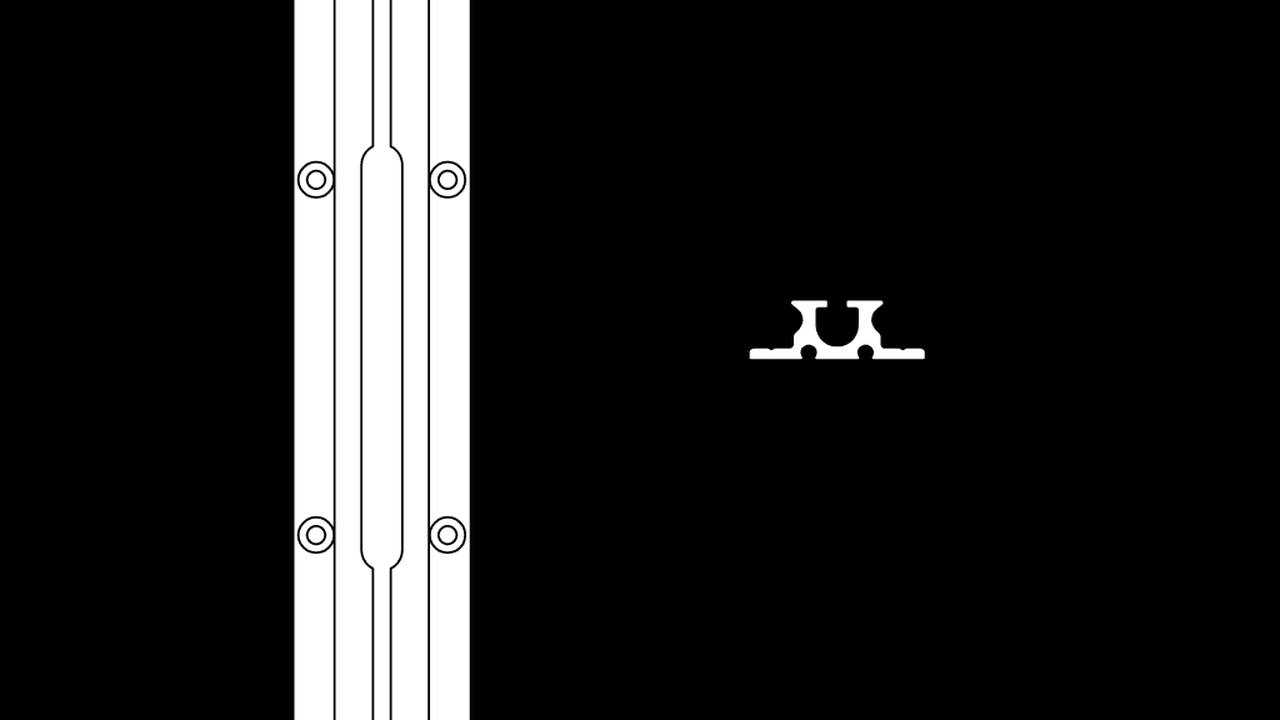
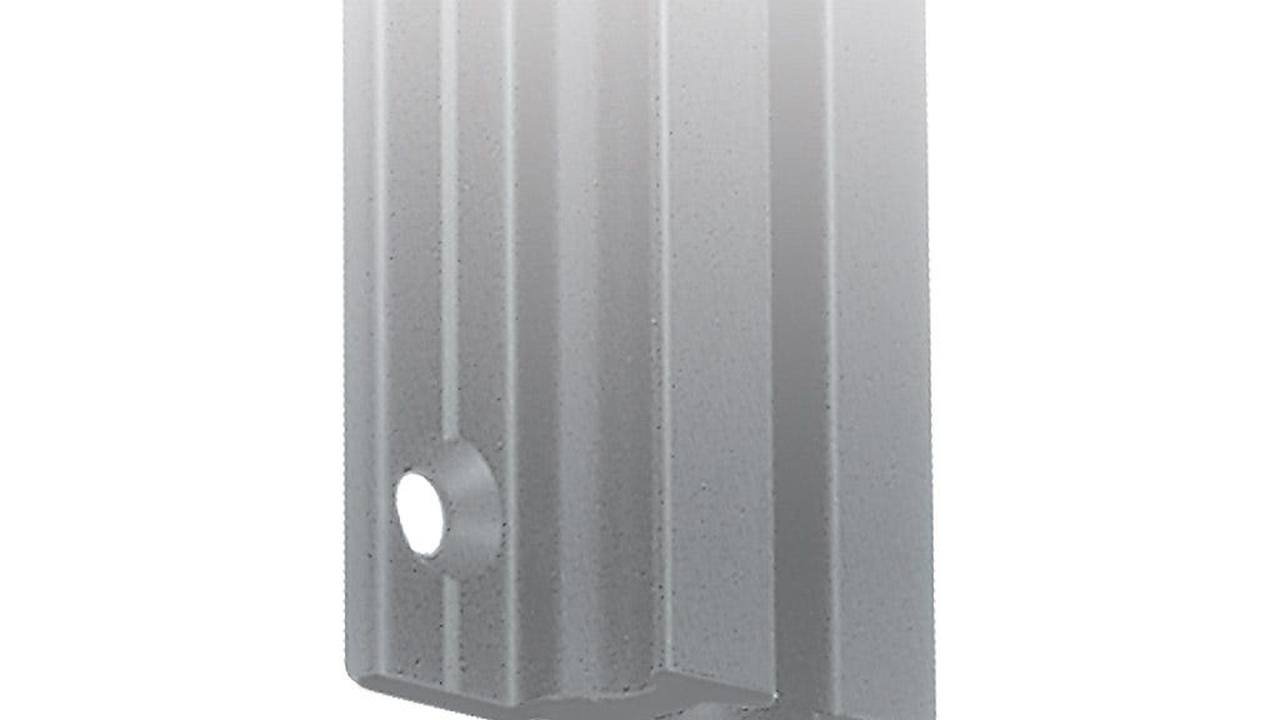
La mast track usa un gate da 325 millimetri con cinque slug e viti M6; la luff groove ha il proprio tratto apribile della stessa lunghezza. Si osservano chiusura, allineamento, teste dei fissaggi e bordi. Se più carrelli cambiano resistenza in corrispondenza del gate, non si lima o forza il passaggio: si ripristina la continuità prevista.
Il giunto localizza i difetti ripetibili
La mast track e la luff groove utilizzano sistemi di unione dedicati. Quando tutti i corpi esitano alla stessa quota, si confronta quella posizione con i giunti. La prova avviene scarica e con un carrello trattenuto. Un gradino può apparire soltanto quando la rotaia è caricata, quindi si ripete a tensione moderata osservando da distanza sicura, senza superare il punto con un verricello.
Un intermedio permette il confronto più pulito
L’intermedio tradizionale misura 70 per 69 millimetri, il captive 64 per 52. Non ricevendo direttamente la compressione di una stecca, aiuta a capire se l’attrito appartiene alla pista. Se supera la quota dove il rapido si arresta, l’attenzione passa al collegamento della stecca. Se frena nello stesso modo, il profilo, il gate o un fissaggio diventano prioritari.
Pulire senza cancellare la diagnosi
Sale e particelle aumentano l’attrito. Il sistema viene risciacquato con acqua dolce e lasciato drenare, poi la prova viene ripetuta nelle medesime condizioni. Non si aggiungono lubrificanti generici per ottenere una discesa temporanea: possono trattenere sporco o alterare la risposta. Se la resistenza resta, si continua l’analisi meccanica invece di coprire il sintomo.
La penna può tenere caricata tutta la randa
Il carrello tradizionale della penna è lungo 225 millimetri e largo 69; il captive misura 236 per 52. In alto si controllano angolo della drizza, tavoletta e libertà del collegamento. Se la drizza porta il corpo contro un bordo, l’attrito può impedire l’avvio della discesa. Riducendo la tensione in modo controllato si osserva se il carrello torna in asse.
La tabella distingue sintomo, carico e pista
| Sintomo | Prima ipotesi | Confronto | Azione vietata |
|---|---|---|---|
| Discesa lenta ovunque | Carico residuo o sporco | Scotta, vang, drizza | Tirare dal tessuto |
| Arresto alla stessa quota | Gate, giunto, fissaggio | Secondo carrello scarico | Forzare al verricello |
| Solo il rapido si ferma | Stecca o ricettacolo | Intermedio sulla quota | Irrigidire il link |
| Solo al reef | Borosa e carrello reef | Tensione progressiva | Cazzare di colpo |
La stecca può inclinare il rapido
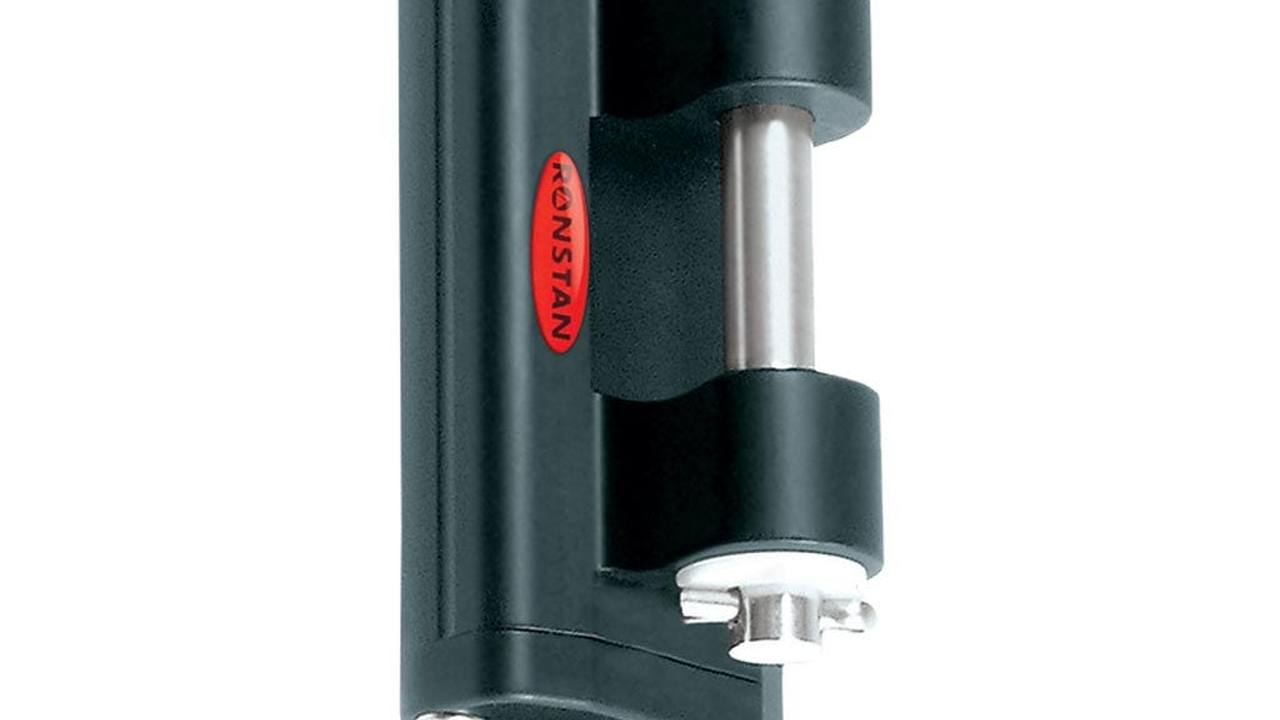
Il quick-release tradizionale misura 110 per 69 millimetri e il captive 115 per 52. Il ricettacolo deve articolarsi senza arrivare a battuta. Se la stecca è compressa o ruotata, il carrello può lavorare sul bordo e frenare. Si confronta la corsa con carico ridotto, senza aprire il rapido finché la vela non è trattenuta in modo indipendente.
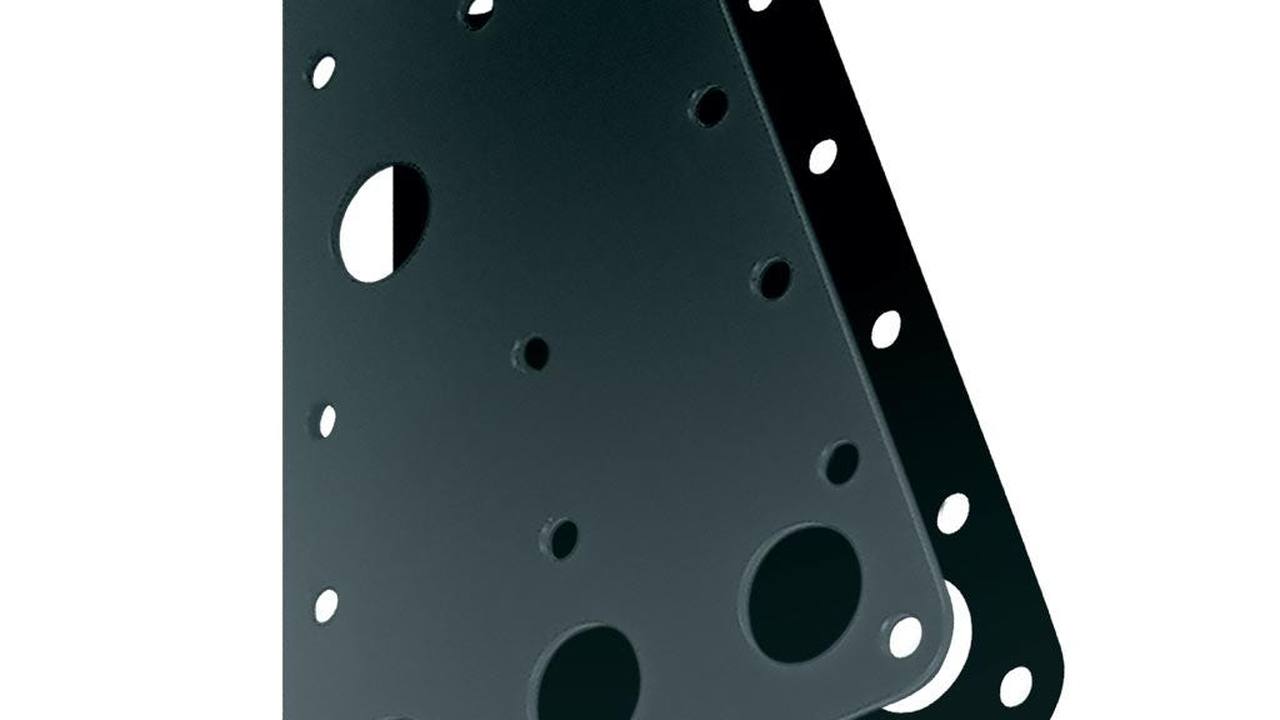
Le piastre della penna devono restare allineate
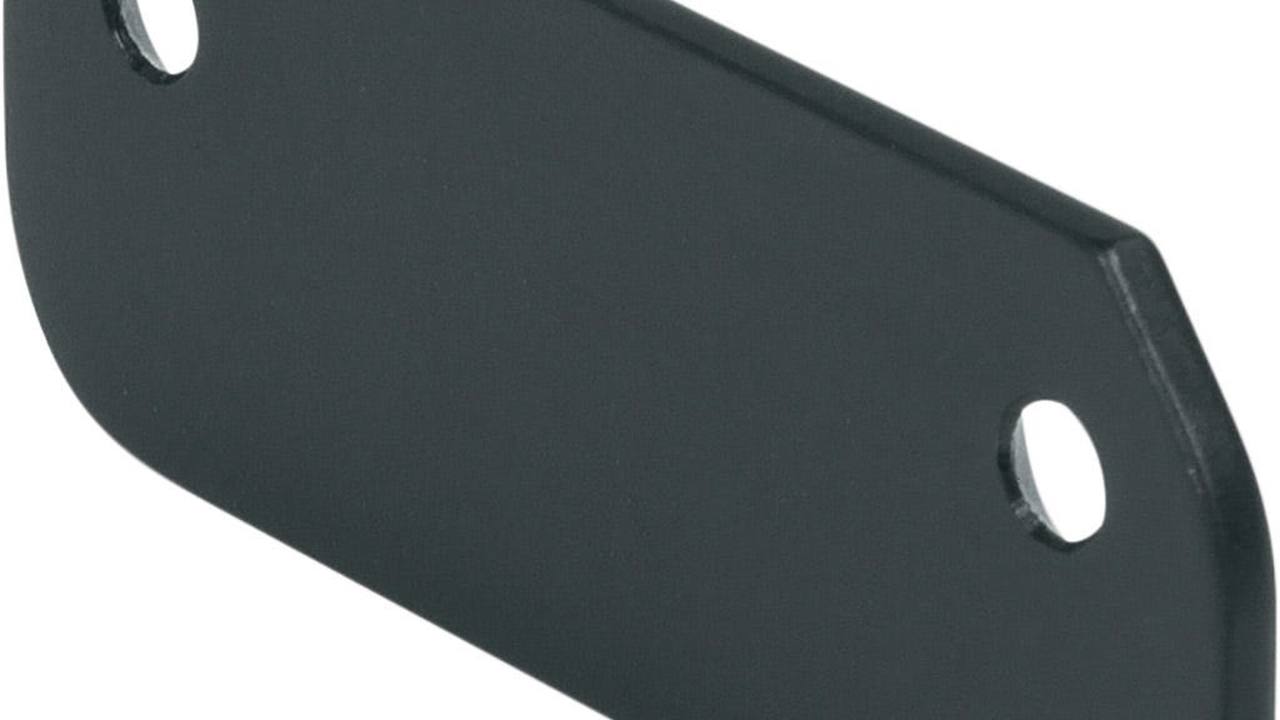
Un fissaggio allentato, un foro deformato o una tavoletta che ruota può trasformare la trazione della drizza in componente laterale. L’ispezione cerca gioco anomalo e segni di contatto, senza serrare casualmente sotto carico. Se le piastre o il carrello risultano deformati, la prova termina e interviene un velaio o attrezzista competente.
Il reef modifica la direzione delle forze
I carrelli reef tradizionale e captive sono lunghi 90 millimetri, con larghezze 69 e 52. Quando la vela viene ridotta, la borosa e il nuovo punto di mura possono trascinare il corpo lateralmente. Una randa che scende bene a vela piena ma si blocca alla mano richiede il controllo dei rinvii, non soltanto della pista. Ogni tensione viene applicata lentamente.
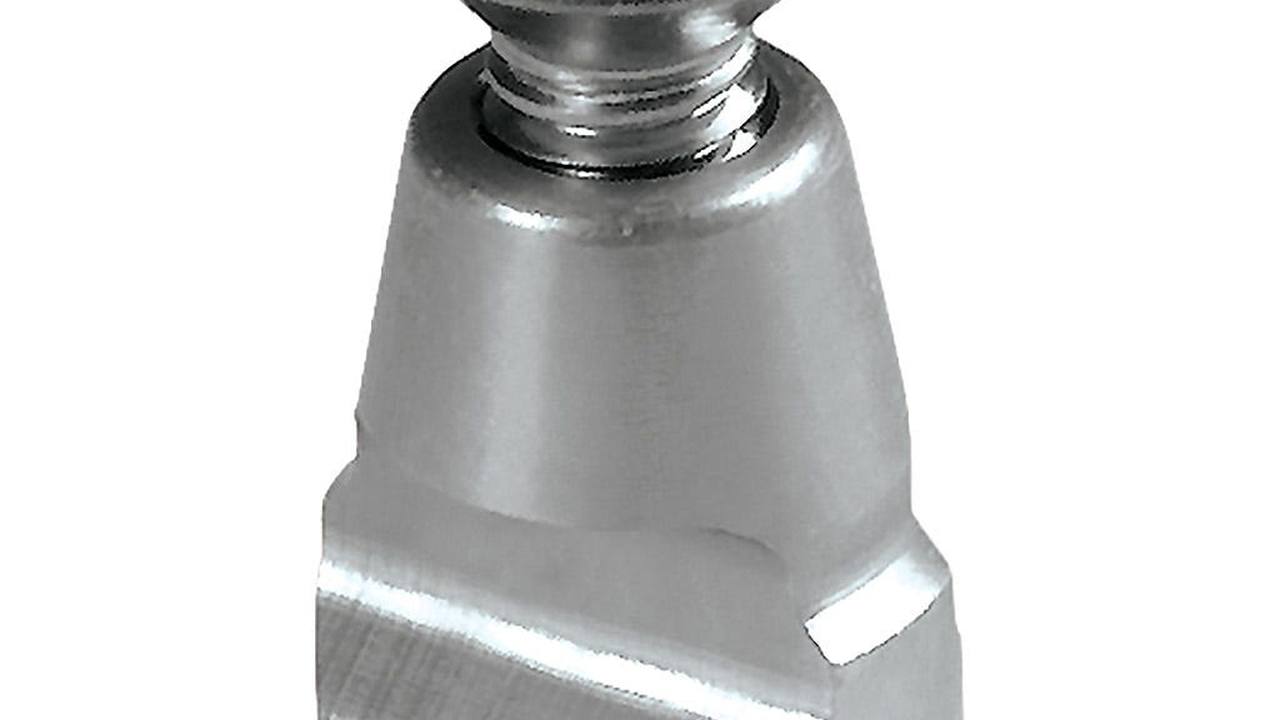
La luff groove ha una gola da 11,5 millimetri
Il profilo da 2.025 o 3.025 millimetri e i suoi joiner formano un’architettura specifica. Si verifica che i carrelli corrispondano e che la gola non sia stata deformata o ostruita. Non si usa la misura nominale da 26 millimetri come unica prova di compatibilità. Standard e luff groove condividono la famiglia, ma non ogni interfaccia.
Le sfere captive restano nel corpo, il carrello no
La ritenzione delle sfere semplifica alcune operazioni, ma il finecorsa continua a trattenere il corpo sulla rotaia. Prima di aprire gate o terminali si prepara un sistema di contenimento. Il carrello può cadere, urtare la coperta o trascinare la vela anche senza perdere sfere. Captive descrive il circuito interno e non sostituisce una procedura sicura.
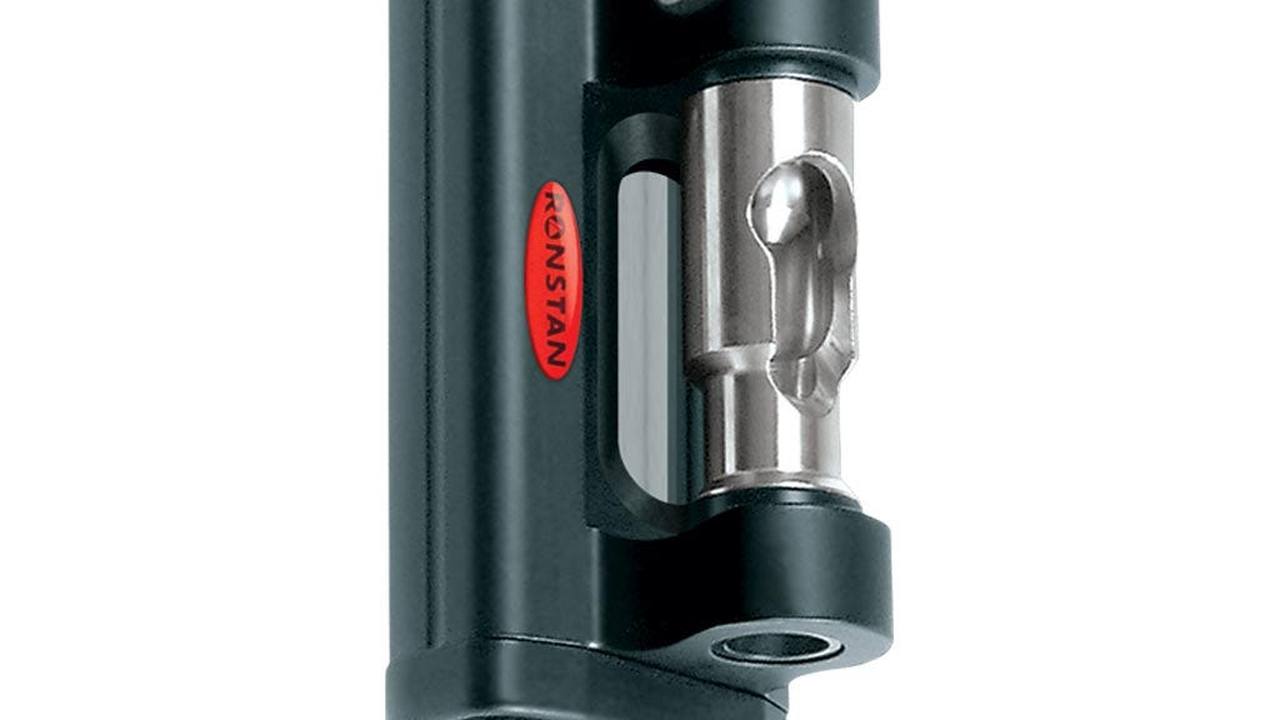
End cap ed end stop non sono intercambiabili
Il cappuccio plastico misura 34 per 32 millimetri; il finecorsa in lega 55 per 45. Il primo rifinisce il profilo, il secondo arresta i carrelli. Se il problema compare in fondo, si controlla che il fermo sia stabile e non interferisca. Non si affida il peso della vela a un cappuccio o a una soluzione provvisoria.
Il pacco vela può creare il difetto durante l’ammainata
Man mano che i carrelli si concentrano sotto, tessuto e stecche possono premere sul gate o inclinare i corpi. Si osserva come la randa entra nel lazy bag e si distribuisce sul boma. Se la resistenza cresce soltanto nella parte finale, si riordina la raccolta senza mettere mani fra carrelli in movimento. Il problema può essere esterno alla pista.
Confrontare salita e discesa rivela il vettore dominante
Se il punto duro appare solo issando, si controllano trazione della drizza e penna. Se compare solo scendendo, diventano centrali gravità, vela raccolta e carichi laterali. Un arresto identico in entrambe le direzioni suggerisce invece un ostacolo stabile. Le due manovre vengono registrate separatamente e non considerate prove equivalenti.
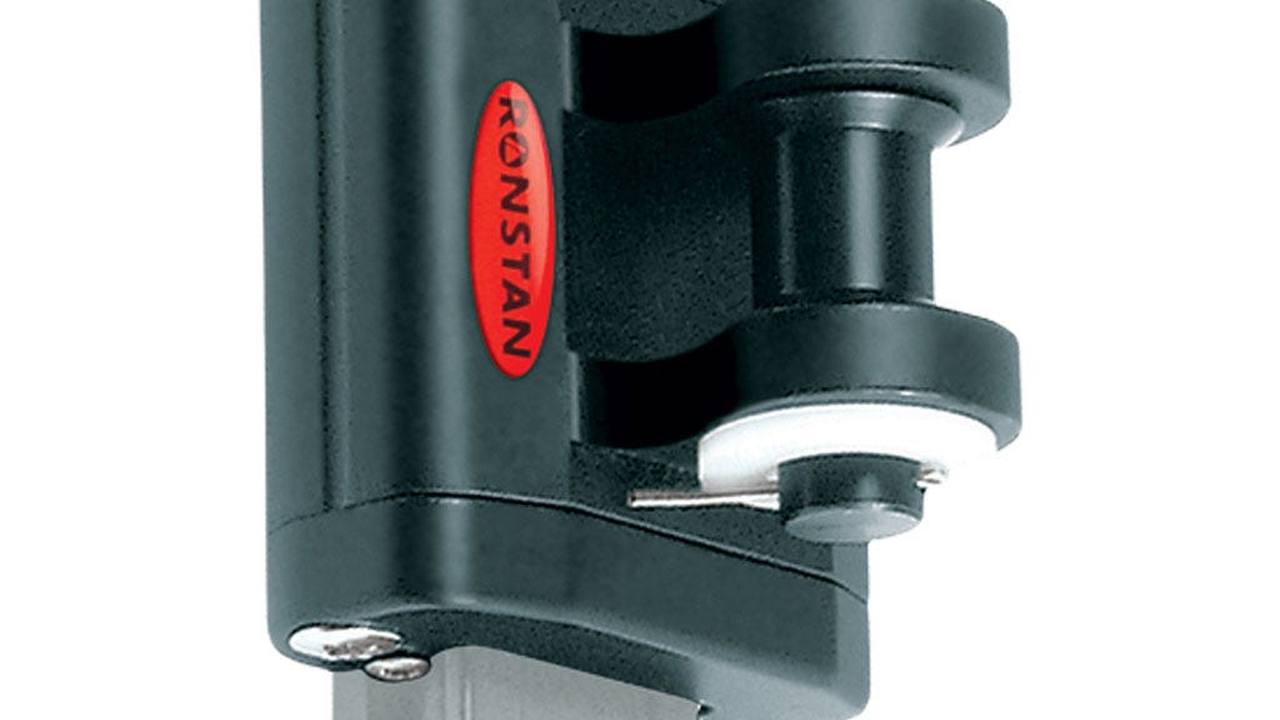
Rumore e forza devono essere correlati
Un colpo sul giunto, un raschiamento continuo o un aumento silenzioso della resistenza indicano fenomeni differenti. Si localizza il suono senza avvicinarsi alle parti caricate. Se rumore e forza crescono insieme, la manovra si interrompe. Ripetere molte volte per confermare può danneggiare sfere, profilo o fissaggi e non aggiunge informazioni utili.
Alcuni riscontri impongono il fermo immediato
Crepe, corpi deformati, sfere mancanti, rotaia piegata, gate mobile, fissaggi sporgenti o finecorsa danneggiato chiudono la prova. La vela viene assicurata e si documentano codice e quota. La diagnosi di bordo non sostituisce una riparazione strutturale e non deve trasformarsi in una serie di adattamenti temporanei su un sistema caricato.
La prova finale procede per livelli
Dopo pulizia o intervento approvato, un carrello trattenuto percorre il tratto scarico. Si prova poi la vela a tensione moderata, osservando penna, rapidi e gate. Infine si verifica il reef. Il risultato deve ripetersi senza rumori nuovi o variazioni improvvise. Una sola discesa riuscita non dimostra che la causa sia stata rimossa.
La scheda tecnica rende ripetibile il controllo
Si registrano tipo di rotaia, codici, posizione di gate e giunti, quota del difetto, carichi presenti e risultato delle prove. Fotografie di fissaggi e collegamenti completano la traccia. La prossima ispezione potrà confrontare dati e non impressioni, mentre il professionista potrà arrivare con il ricambio corretto e una diagnosi già circoscritta.
Il tempo impiegato a partire è un dato misurabile
Una randa può non essere bloccata ma richiedere alcuni secondi prima di iniziare a scendere. Si osserva il ritardo senza cronometrare una situazione pericolosa e si confronta con le tensioni presenti. Se basta alleggerire il vang perché la discesa inizi, il carico residuo è parte della spiegazione. Se il ritardo rimane con tutte le manovre correttamente scariche, diventano più importanti attrito distribuito, penna fuori asse e accumulo di particelle.
La temperatura e il tempo sotto carico possono cambiare la risposta
Dopo una lunga bolina, vela e rig non si trovano nelle stesse condizioni della prova all’ormeggio. Si annota se il problema appare soltanto dopo ore di carico, senza usare questa differenza per continuare una manovra anomala. Una variazione legata all’uso può indicare assestamento, disallineamento o contaminazione che si sposta. Il confronto va ripetuto in modo controllato e comunicato al tecnico con l’assetto in cui è comparso.
La raccolta assistita non deve trascinare i carrelli
Lazy jack, lazy bag e operatori aiutano a governare il tessuto, ma non devono tirare la vela lateralmente mentre i corpi scendono. Si controlla che le cime non catturino una stecca e che il tessuto non si incastri fra albero e carrello. Chi raccoglie accompagna la vela senza usarla come leva. Se liberando il sistema di raccolta la discesa torna regolare, la pista non va modificata: occorre correggere la gestione esterna.
Un confronto video è utile solo se la manovra resta sicura
Una ripresa può mostrare l’istante in cui un rapido ruota o il pacco vela preme sul gate. La camera si posiziona senza creare ostacoli e non si ripete un arresto violento per ottenere un’immagine migliore. Si confrontano fotogrammi di salita e discesa, collegandoli alla quota segnata. Il video integra codici e osservazioni, ma non sostituisce l’ispezione ravvicinata eseguita da personale competente.
Una randa pesante deve scendere per cause controllate
La gravità da sola non garantisce la manovra, ma ogni resistenza deve avere una spiegazione coerente. Scaricare le manovre, identificare la variante, confrontare intermedi e rapidi, controllare gate e reef separa carico e attrito. La Series 26 torna affidabile quando la randa scende senza che un componente debba vincere o compensare quello successivo.