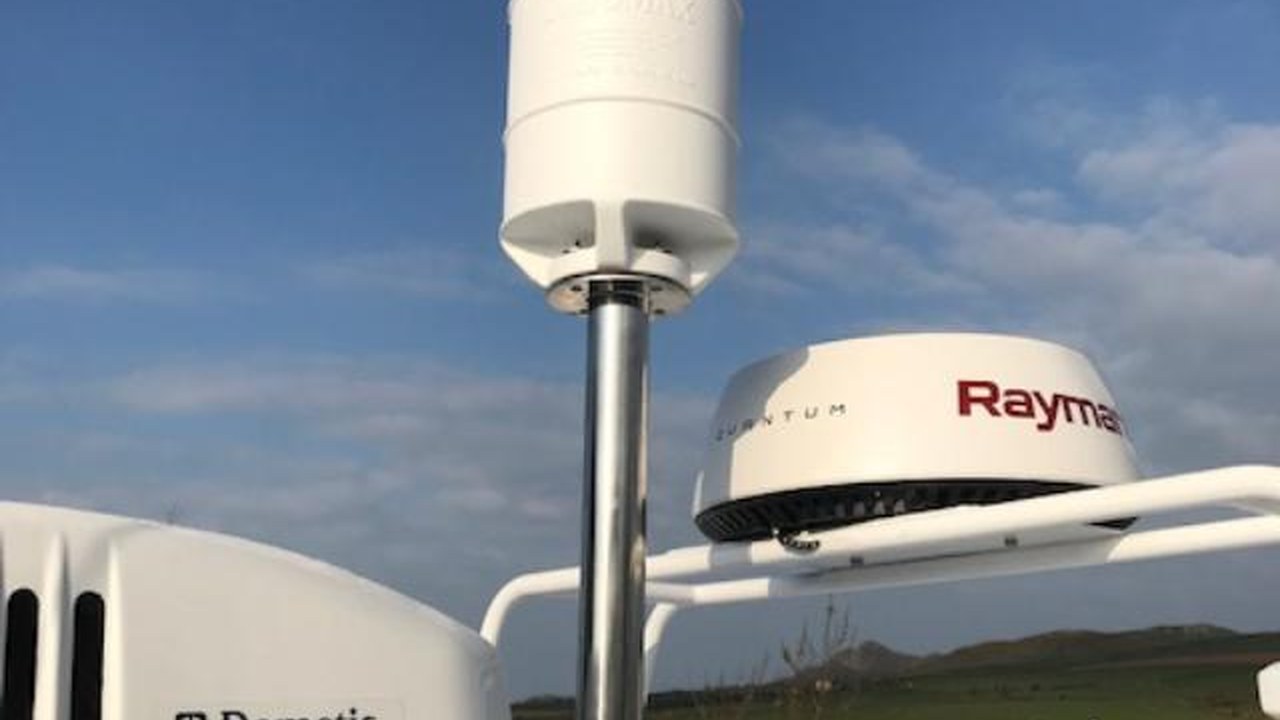
Il riflettore radar può essere presente a bordo e risultare comunque poco efficace: capovolto, inclinato, schermato o montato con un supporto che vibra. Il controllo non si chiude con la parola “presente”. Deve dimostrare identità, approvazione, orientamento, altezza, settore libero e coerenza con la bussola.
Questa checklist organizza verifiche documentali e visive senza promettere che un’altra nave rileverà sempre l’eco. Il riflettore è passivo e lavora dentro un sistema più ampio di vedetta, fanali, comunicazioni e condotta prudente.
1. Scrivi la fascia di navigazione
L’Allegato V richiede il riflettore radar per la navigazione senza limite ed entro cinquanta miglia. Non lo indica nelle fasce entro dodici, sei, tre e un miglio, entro trecento metri o nelle acque interne.
La checklist usa la rotta massima programmata. La presenza volontaria nelle altre fasce resta possibile, ma viene registrata come scelta e non come obbligo inesistente.
2. Conferma che sia un apparato passivo
Il riflettore radar rafforza l’eco di un piccolo bersaglio senza trasmettere autonomamente. Non è un AIS, non è un radar e non è un segnalatore di emergenza.
La scheda evita quindi voci generiche come “sistema anticollisione”. Registra la funzione effettiva e i suoi limiti.
3. Identifica modello e approvazione
Il prodotto deve essere conforme al prototipo approvato dall’amministrazione oppure a un tipo approvato per il diporto da uno Stato UE o SEE. Confronta modello fisico, dichiarazione e accessori.
Se l’etichetta è illeggibile o il documento riguarda una variante diversa, la riga resta aperta.
4. Ispeziona involucro e materiali
Il decreto richiede materiali robusti e di qualità adeguata, capaci di conservare le proprietà con moto ondoso, vibrazioni, umidità e variazioni di temperatura prevedibili. I materiali in ferro sono esclusi.
Cerca crepe, schiacciamenti, infiltrazioni, riparazioni, corrosione del supporto e fissaggi lenti. Non aprire involucri sigillati.
5. Controlla colore e leggibilità
La colorazione deve essere altamente visibile e non può essere nera. Verifica che vernici, custodie o sporco non abbiano alterato l’identificazione o coperto le marcature.
La visibilità ottica non dimostra quella radar. Entrambe vengono controllate per la propria funzione.
6. Registra la banda prevista
I requisiti minimi devono essere rispettati fra 9320 e 9500 MHz. È una verifica di conformità del tipo, non una prova da effettuare con strumenti improvvisati a bordo.
La scheda riporta il riferimento del prodotto e conserva la documentazione utile a dimostrare il requisito.

7. Leggi la sezione massima di riflessione
La sezione massima richiesta è almeno dieci metri quadrati e deve comparire nella marcatura. Non rappresenta l’area fisica dell’oggetto né una distanza garantita di rilevamento.
Se il dato commerciale usa grandezze diverse, non vengono sommate o convertite senza documentazione tecnica coerente.
8. Verifica il diagramma azimutale
Su 240 gradi la riflessione non deve restare sotto meno sei decibel rispetto al massimo, salvo intervalli non superiori a dieci gradi. La misura è riferita all’asse verticale entro tre gradi.
La checklist traduce il requisito in due controlli di installazione: verticalità e orientamento. Il picco isolato non basta.
9. Considera rollio e sbandamento
La risposta deve restare, fino ad almeno quindici gradi dall’orizzontale e per un settore totale di 240 gradi, sopra meno dodici decibel rispetto al massimo. Il movimento della barca è quindi parte del problema.
Un’asta flessibile o una drizza lasca può aggiungere inclinazioni non previste. Annotare gioco e oscillazione rende il controllo ripetibile.
10. Confronta l’altezza con la marcatura
L’altezza di installazione consigliata deve essere indicata sul riflettore. Misura il punto effettivo e verifica che il supporto e la posizione siano coerenti con le istruzioni del modello.
Più alto non significa automaticamente migliore se aumentano flessione, ombre, difficoltà di ispezione o carichi sulla struttura.
11. Controlla l’orientamento dichiarato
La marcatura comprende l’orientamento consigliato. Verifica frecce, riferimenti o configurazione descritta nelle istruzioni. I modelli sospesi devono mantenere la posizione prevista anche con movimento e vento.
Dopo rimessaggio o smontaggio la casella viene riaperta. Non si presume che il dispositivo sia stato rimontato allo stesso modo.
12. Misura la distanza dalla bussola
Il prodotto deve indicare una distanza di sicurezza dalle bussole magnetiche. Confrontala con la disposizione reale, comprendendo supporti e accessori aggiunti.
Se il rollbar è stato modificato, la bussola va considerata nel nuovo layout. La soluzione radar non deve creare un differenziale magnetico.
13. Verifica peso, leva e fissaggi
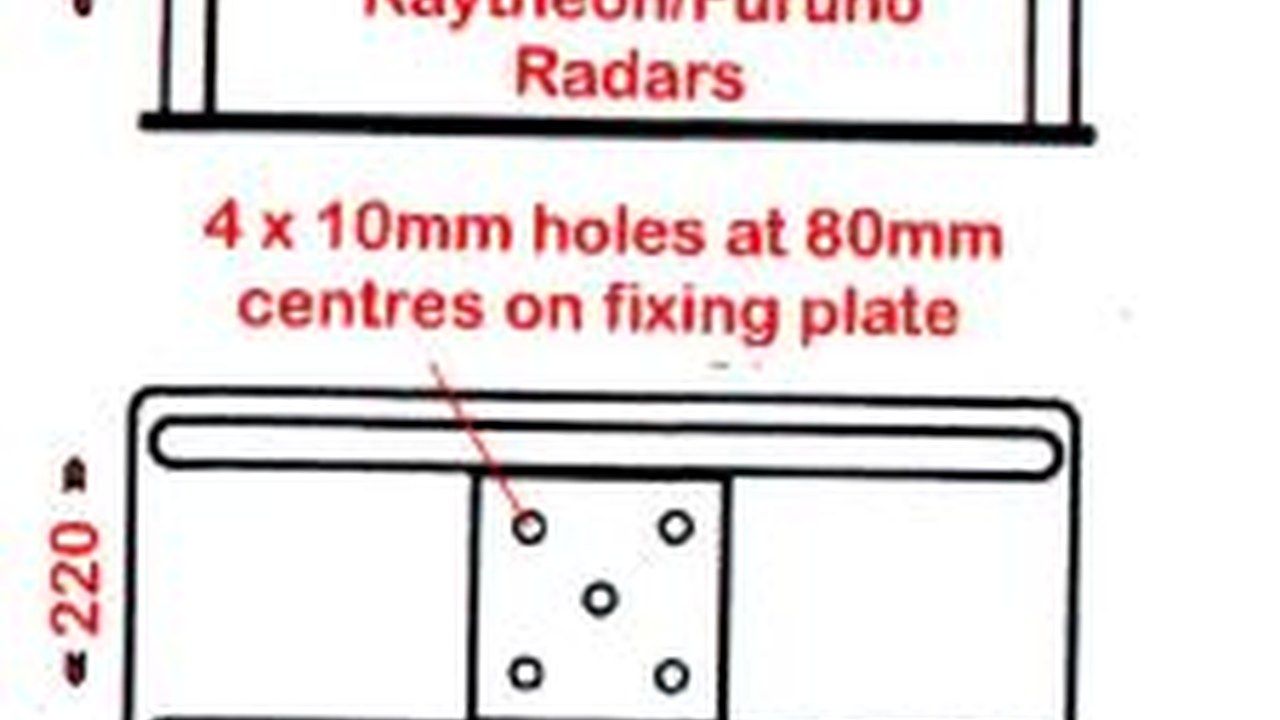
Il peso deve essere marcato. La verifica del supporto considera leva, accelerazioni, vibrazioni, vento e modalità di accesso, non soltanto la tenuta statica in porto.
Controlla bulloni, piastre, drizze e punti di sfregamento. Elementi provvisori non vengono accettati come montaggio permanente.
14. Compila la tabella senza formule vaghe
| Voce | Esito richiesto | Azione |
|---|---|---|
| Identità | Modello e approvazione leggibili | Riconciliare documenti |
| Integrità | Nessuna deformazione o infiltrazione | Valutazione tecnica |
| Assetto | Orientamento e verticalità corretti | Ripristinare supporto |
| Posizione | Altezza e settore coerenti | Rivedere installazione |
| Bussola | Distanza di sicurezza rispettata | Ridisporre apparati |
| Fissaggi | Robusti e controllabili | Sostituire componenti |
15. Cerca schermature su tutto l’orizzonte
Osserva radome, antenne, sartie, pannelli solari, fanali e attrezzature temporanee. Una vista libera da un solo lato non dimostra un settore utile attorno all’unità.
La configurazione viene verificata con tender, tendalini e carico di crociera nelle posizioni normali.
16. Esegui il controllo stagionale
Data, persona, modello, fotografia, fissaggi, assetto e anomalie vengono registrati. Dopo urto, disalberamento, trasporto o lavori in quota si esegue una nuova ispezione.
La manutenzione segue le istruzioni specifiche. Solventi, vernici e riparazioni improvvisate possono alterare involucro e identificazione.
17. Scrivi chiaramente i limiti operativi
La rilevazione dipende anche da radar osservatore, altezza dell’antenna, regolazioni, mare, pioggia, distanza e assetto. Nessun riflettore passivo garantisce che ogni operatore veda sempre la barca.
La checklist non chiude vedetta, fanali, comunicazioni e regole di condotta. Ogni sistema mantiene il proprio ruolo.
18. Checklist finale prima della partenza
Conferma fascia, tipo approvato, marcature, colore, integrità, sezione massima, altezza, orientamento, verticalità, settore libero, distanza dalla bussola e fissaggi. Verifica che nessun oggetto sia stato legato accanto al dispositivo.
Se una voce è incerta, indica responsabile e termine. L’acquisto di un ricambio non chiude il controllo finché il nuovo articolo non è stato identificato, installato e verificato.
La procedura di consegna spiega dove si trova il riflettore, se è permanente o da armare e quale orientamento richiede. Una persona nuova a bordo deve poter riconoscere la configurazione senza affidarsi a un trucco noto soltanto al proprietario.
Per un modello sospeso, la scheda include drizza, punto di ritenuta e altezza. Si controlla che non ruoti liberamente in una posizione sfavorevole e che non interferisca con vele, sartie o manovre. Il test resta a secco e in condizioni sicure.
Il confronto nel tempo è utile: fotografie dalla stessa posizione rivelano inclinazioni, spostamenti o nuovi ostacoli. La fotografia non certifica la risposta radar, ma rende evidente quando l’installazione non è più quella valutata.
Infine la scheda mantiene separati riflettore passivo, radar attivo, AIS ed eventuali target enhancer. Presenza e funzionamento di uno non cancellano automaticamente requisiti o limiti degli altri. Questa distinzione evita controlli nominali e rende l’audit comprensibile a tutto l’equipaggio.
Il controllo della marcatura viene svolto prima di montare una copertura o una staffa che possa nasconderla. Si trascrivono fabbricante o importatore, modello, data di fabbricazione, altezza consigliata, peso, sezione massima, distanza dalla bussola, orientamento ed estremi dell’approvazione. Ogni campo ha un esito; la dicitura “presente” non sostituisce la lettura dei dati.
Per valutare il settore, l’operatore compie un giro visivo attorno al dispositivo dalla coperta e, quando possibile in sicurezza, usa fotografie dai lati. Cerca oggetti permanenti e temporanei: antenne, sartie, pannelli, fanali, bandiere, tender e attrezzature legate per la traversata. L’obiettivo non è inventare una misura della risposta, ma individuare cambiamenti evidenti rispetto alla configurazione prevista.
La verticalità viene controllata rispetto alla barca nel suo assetto normale, tenendo conto che carico, serbatoi e persone possono modificarlo. La soglia di tre gradi citata dalla prova del diagramma non diventa una tolleranza da stimare a occhio. Se supporto o struttura risultano inclinati, la scheda richiede una misura appropriata e un intervento competente, senza chiudere la riga per approssimazione.
Il fissaggio viene osservato sia a riposo sia durante una verifica controllata delle vibrazioni ordinarie, senza forzare il dispositivo. Rumori, gioco, sfregamento o movimento della base sono registrati. Per una versione su drizza si controllano cima, nodi o attacchi prescritti, punti di contatto e possibilità di torsione. Il metodo segue sempre le istruzioni specifiche del modello.
La distanza dalla bussola viene misurata nel punto più vicino tra l’insieme installato e lo strumento magnetico, considerando non soltanto l’involucro ma anche staffe e accessori. Se un valore non è disponibile o la configurazione non coincide con il prodotto identificato, non si sceglie una distanza arbitraria. Si recupera la documentazione corretta o si richiede assistenza tecnica.
Nel registro stagionale, ogni fotografia è datata e collegata al medesimo identificativo. Un dispositivo sostituito riceve una nuova scheda; non eredita automaticamente l’approvazione, il peso o l’orientamento del precedente. Questa regola evita che documenti corretti vengano associati a un oggetto diverso soltanto perché occupa lo stesso supporto.
Se il riflettore è stivato e deve essere armato, la partenza include una prova a secco. L’equipaggio individua il contenitore, assembla soltanto quanto consentito, riconosce l’orientamento e verifica il percorso di sollevamento. La prova non espone persone a cadute e non interferisce con la manovra. Alla fine il materiale viene riposto secondo le istruzioni, pronto per l’impiego previsto.
La chiusura dell’audit richiede infine una dichiarazione semplice: configurazione conforme e verificata, oppure anomalia aperta. Non esistono esiti intermedi mascherati da note rassicuranti. Quando la verifica non può essere completata, la barca viene equipaggiata e impiegata soltanto dopo che il responsabile ha risolto il punto nel rispetto della fascia di navigazione programmata.