
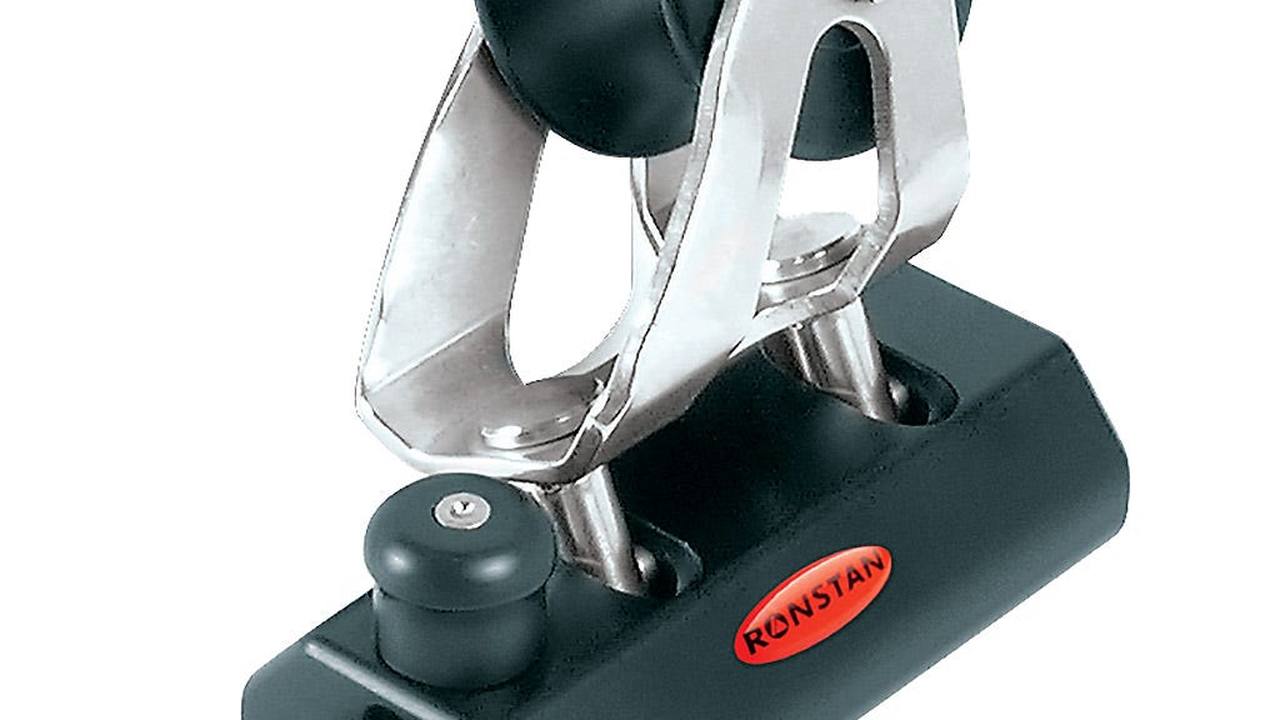
Un carrello che scorre bene sul banco può diventare duro appena la rotaia viene serrata in coperta. Un finecorsa montato tardi può sottrarre proprio i centimetri necessari alla regolazione. Una puleggia corretta può consumare la cima se il circuito entra di lato. La Ronstan Series 19 evita questi problemi soltanto quando identificazione, posa e collaudo vengono trattati come un’unica procedura.
La famiglia usa carrelli a basso profilo su due file di sfere Torlon a ricircolo ed è proposta soprattutto per trasti randa e punti di scotta del fiocco su sportboat e cabinati fino a 7 metri. La misura è un’indicazione applicativa del costruttore, non un’autorizzazione automatica. Prima del montaggio occorre confrontare il componente con carichi, piano velico, struttura, percorso delle cime e uso reale dell’imbarcazione. Questa guida traduce i codici principali in verifiche pratiche senza sostituire il dimensionamento professionale.
Iniziare dal codice completo, non dalla somiglianza visiva
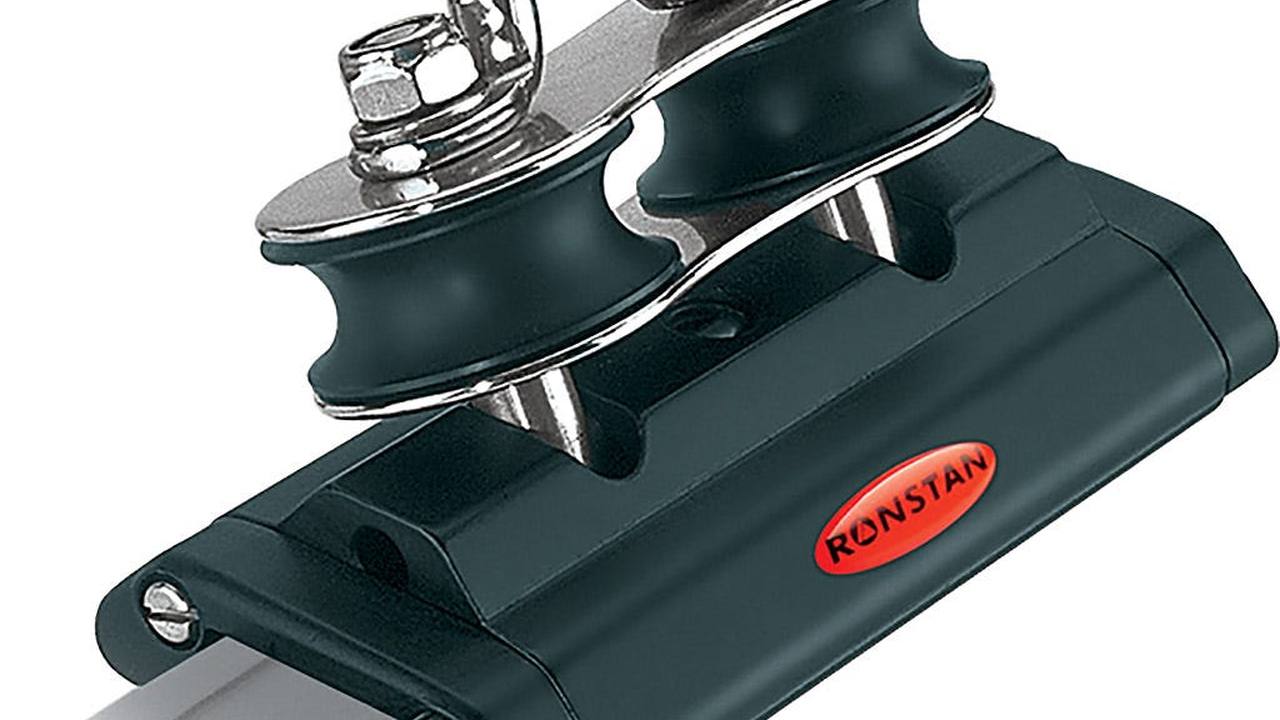
Fotografare etichetta, corpo del carrello, rotaia e terminali prima di smontare riduce gli errori. RC11902 e RC11903, per esempio, hanno entrambi il grillo pivotante ma lunghezze dichiarate rispettivamente di 50 e 70 millimetri. RC11910 e RC11912 hanno due pulegge di controllo, ma nel secondo caso sono pivotanti. La distinta deve riportare ogni codice, quantità, posizione e funzione prevista a bordo.
Misurare la corsa realmente disponibile
La lunghezza della rotaia non coincide con lo spostamento utile. Terminali, fermi e lunghezza del carrello occupano spazio; anche il bozzello superiore può incontrare elementi del pozzetto prima che il corpo raggiunga il limite meccanico. Si segnano quindi le posizioni estreme richieste dalla vela e si aggiungono gli ingombri dei componenti scelti. Solo dopo si decide la lunghezza di rotaia, evitando di usare il finecorsa come compensazione di una misura insufficiente.
Controllare la superficie prima di appoggiare la rotaia
La zona deve essere rigida, continua e compatibile con la rettilineità richiesta dal carrello. Si cercano bombature, avvallamenti, vecchi fori, delaminazioni, umidità e interferenze sotto coperta. Una rotaia sottile può seguire la deformazione imposta dal serraggio e mostrare il difetto soltanto quando il carrello attraversa quel punto. Un regolo e una prova a secco rivelano molto prima di forare.
Leggere correttamente interassi e fori
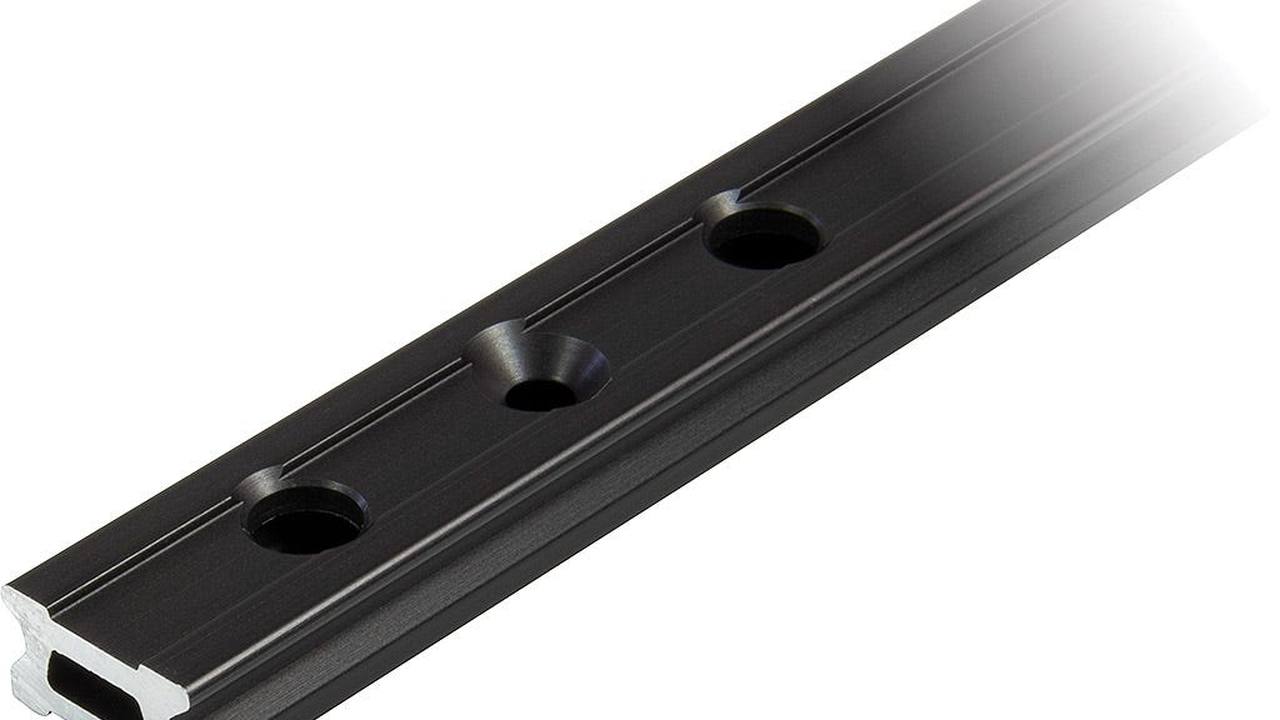
Per le rotaie RC1190 da 1,0, 1,5, 2,0 e 3,0 metri sono dichiarati fissaggi svasati da 5 millimetri con interasse di 100 millimetri e fori per i fermi ogni 50 millimetri. I due reticoli non vanno confusi. Il foro di arresto non sostituisce il fissaggio strutturale. La posizione viene trasferita sul supporto usando la rotaia integra come riferimento e verificata di nuovo prima dell’esecuzione.

Preparare il supporto secondo la costruzione della barca
La procedura cambia tra laminato pieno, sandwich, struttura metallica e supporto rinforzato. Il responsabile tecnico deve definire trattamento dei fori, eventuali distanziali, contropiastre, compatibilità dei metalli e serraggio. Si protegge l’interno da trucioli e polvere e si individua ogni impianto nascosto. Il sigillante serve alla tenuta, non a creare la resistenza che manca alla struttura.
Eseguire una posa a secco completa
Prima della sigillatura si montano temporaneamente rotaia, giunti, terminali e fermi. Il carrello viene fatto scorrere lentamente, senza circuito e senza carico. La resistenza dovrebbe rimanere regolare da un’estremità all’altra. Si controllano accesso alle viti, spazio per gli utensili, uscita delle cime e possibilità di rimuovere il carrello in futuro. Correggere ora costa molto meno che intervenire dopo il serraggio.
Usare il giunto RC1191J soltanto per la sua funzione
Il giunto serve ad allineare due lunghezze di rotaia. Le estremità devono incontrarsi senza gradino percepibile e poggiare su una base che impedisca movimenti relativi. Si passa il carrello scarico più volte sulla transizione, osservando ogni variazione. Se il giunto viene costretto a tenere insieme due piani diversi, le sfere urteranno il dislivello e il problema crescerà con l’uso.
Caricare il carrello senza perdere le sfere
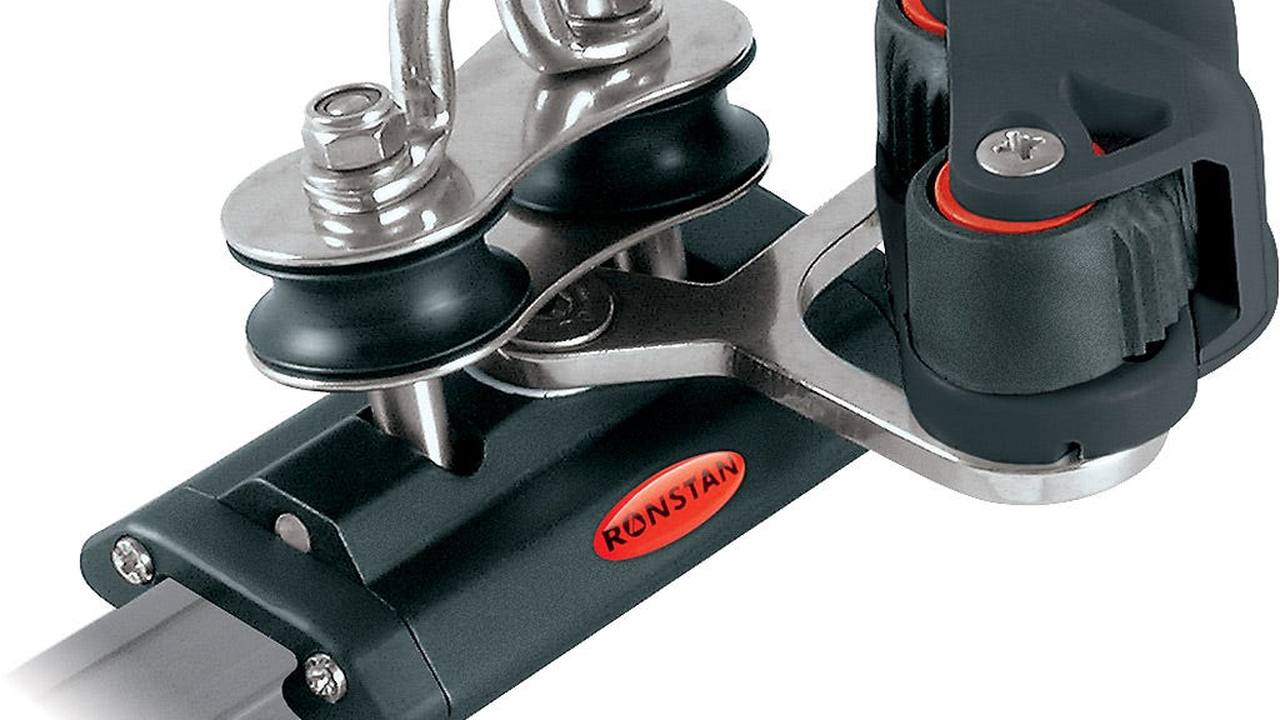
Un carrello a ricircolo non va sfilato senza la procedura e gli eventuali attrezzi previsti per trattenere gli elementi volventi. L’operazione deve avvenire su un piano pulito, con terminali e fermi già pronti per evitare un’uscita accidentale. Dopo l’inserimento si effettua una corsa completa a mano. Qualunque rumore anomalo, impuntamento o differenza rispetto alla prova precedente richiede arresto e diagnosi.
Installare i finecorsa prima di armare le cime
Il RC11983 è un fermo regolabile, mentre il RC11980 è un terminale per rotaia da 19 millimetri con ingombro dichiarato di 30 per 26 millimetri. La loro presenza impedisce l’uscita del carrello e definisce il limite meccanico. Devono essere fissati prima di qualsiasi prova dinamica. La corsa viene poi confrontata con le posizioni segnate, verificando che il bozzello e gli attacchi non colpiscano parti della barca.
Scegliere tra terminale semplice e terminale di controllo
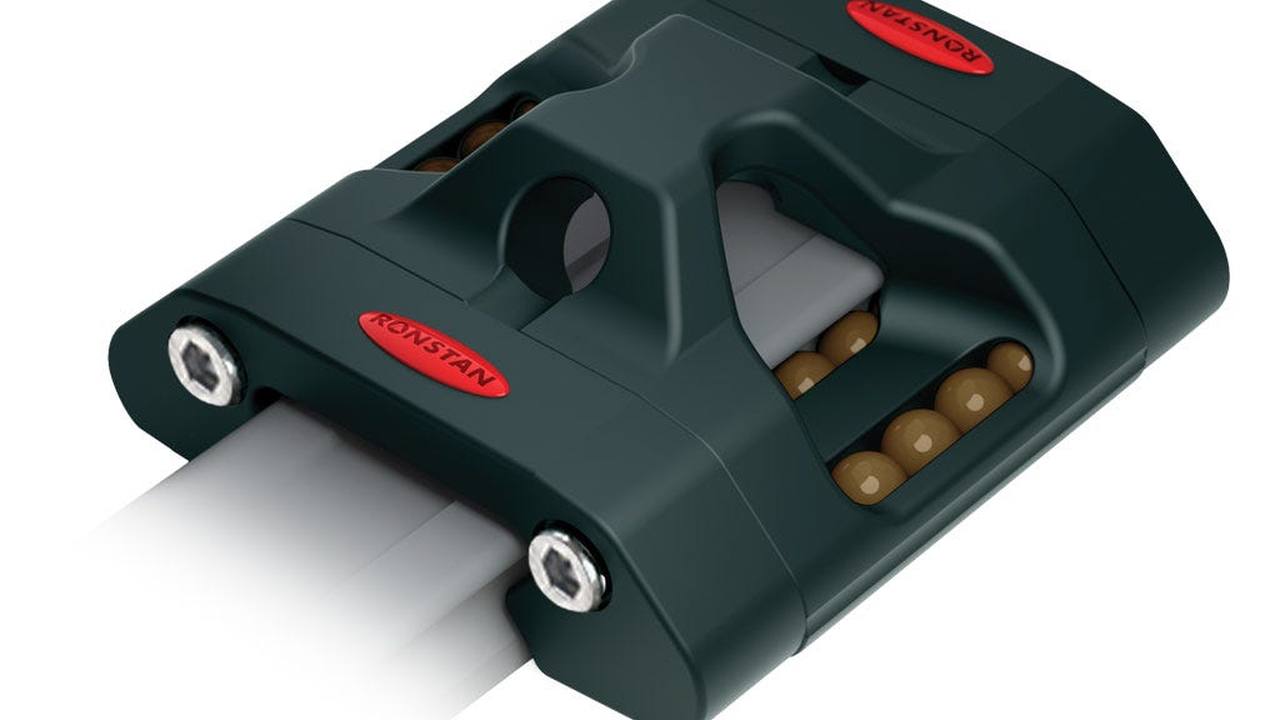
Il RC11984 integra una puleggia singola; il RC11985 aggiunge anche un punto terminale per il circuito. Il percorso va tracciato fisicamente con la cima prevista, osservandolo nelle due posizioni estreme del carrello. La cima non deve salire sulla guancia, sfregare sulla rotaia o cambiare direzione su uno spigolo. Il terminale viene serrato solo dopo aver confermato questo allineamento.
Regolare i carrelli con pulegge incorporate
Il RC11910 ha due pulegge di controllo; il RC11912 ne ha due pivotanti. Il movimento pivotante può seguire variazioni di angolo, ma non corregge un circuito disegnato male. Si tende la cima progressivamente e si osserva il corpo della puleggia in tutta la corsa. Se resta forzato contro un limite o se la cima entra lateralmente, si modifica il rinvio esterno prima della prova sotto carico.
Verificare strozzatori e rilascio nelle posizioni operative
Il RC11920 combina due pulegge e due strozzatori; il RC11921 usa quattro pulegge e due strozzatori; il RC11922 associa pulegge pivotanti e strozzatore. Ogni configurazione deve essere provata dal posto nel quale lavorerà l’equipaggio. La cima deve entrare con continuità, restare trattenuta quando richiesto e liberarsi con un gesto netto. Una seduta, una draglia o un’altra manovra non devono impedire il rilascio.
Gestire le due scotte sul carrello genoa
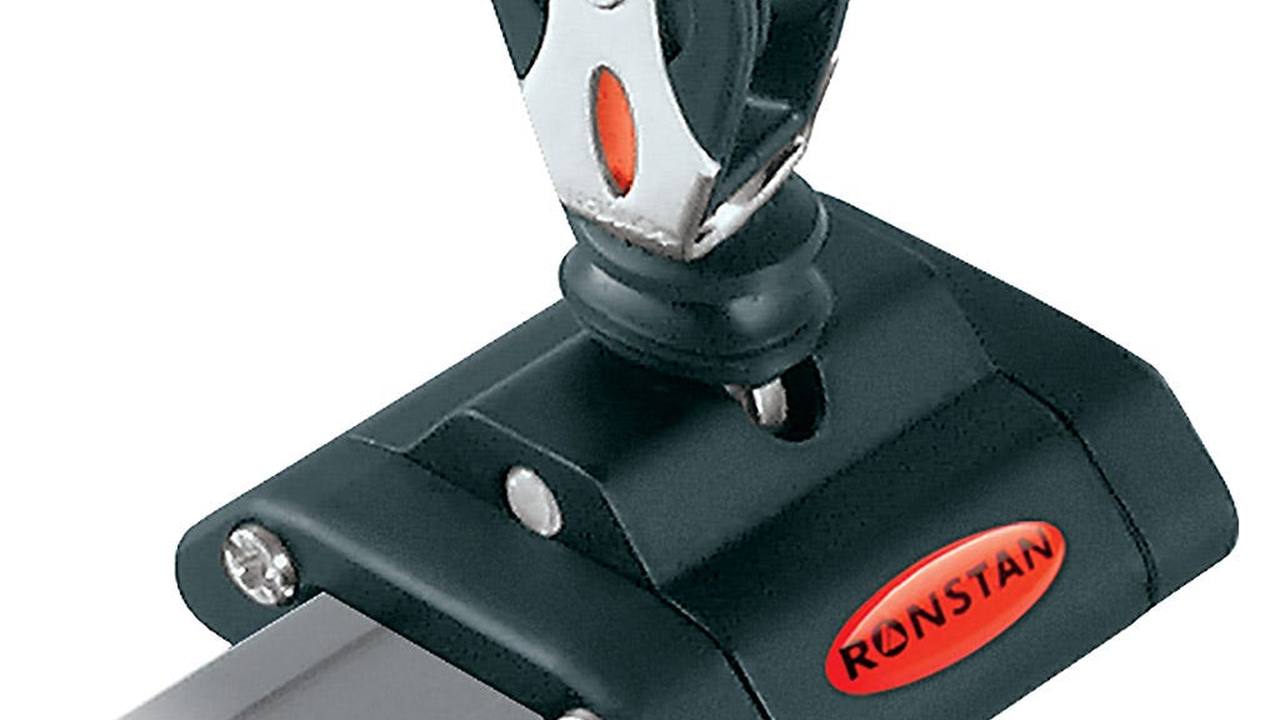
Il RC11930 monta una puleggia da 40 millimetri e la famiglia genoa adotta una gola più larga per due scotte. Le cime vanno disposte senza incroci e con diametro compatibile con i componenti collegati. Si prova prima una mura, poi l’altra, quindi il passaggio completo. Tracce lucide su una guancia o consumo asimmetrico indicano un ingresso fuori piano e non vanno considerati normale assestamento.
Provare il fermo a pistoncino senza carico
RC51930 e RC51940 utilizzano un fermo a pistoncino; il primo è un carrello genoa con puleggia e aste laterali, il secondo presenta un attacco a grillo. Il pistoncino deve scorrere libero e impegnare interamente il foro scelto. Si prova ogni posizione utile tirando il carrello in entrambe le direzioni. Se la presa è parziale, si controllano allineamento, sporco e compatibilità della rotaia prima di navigare.
Collaudare il RC11945 nel sistema autovirante completo
Il RC11945 è il carrello per fiocco autovirante con puleggia da 20 millimetri. Il collaudo non può fermarsi alla scorrevolezza del pezzo: deve includere curva e inclinazione della rotaia, punto di mura, uscita della scotta e arresti. La manovra viene simulata lentamente da una mura all’altra. Il carrello non deve arrivare con violenza al terminale né perdere continuità in prossimità del centro.
Una scheda di collaudo che evita controlli generici
| Fase | Osservazione richiesta | Esito che blocca il lavoro |
|---|---|---|
| Identificazione | Codice e funzione di ogni componente | Codice illeggibile o non coerente |
| Supporto | Piano continuo e struttura integra | Deformazione, umidità o rinforzo ignoto |
| Posa a secco | Scorrimento uniforme | Punto duro o giunto percepibile |
| Finecorsa | Arresto positivo e corsa sufficiente | Uscita possibile o urto dell’attacco |
| Rinvii | Cima centrata sulle pulegge | Sfregamento laterale |
| Strozzatori | Presa e rilascio da ogni posizione | Rilascio impedito |
| Prova progressiva | Nessun movimento del supporto | Allentamento, rumore o deformazione |
| Controllo finale | Scorrevolezza invariata | Aumento dell’attrito |
Aggiungere kit soltanto dopo aver verificato la compatibilità
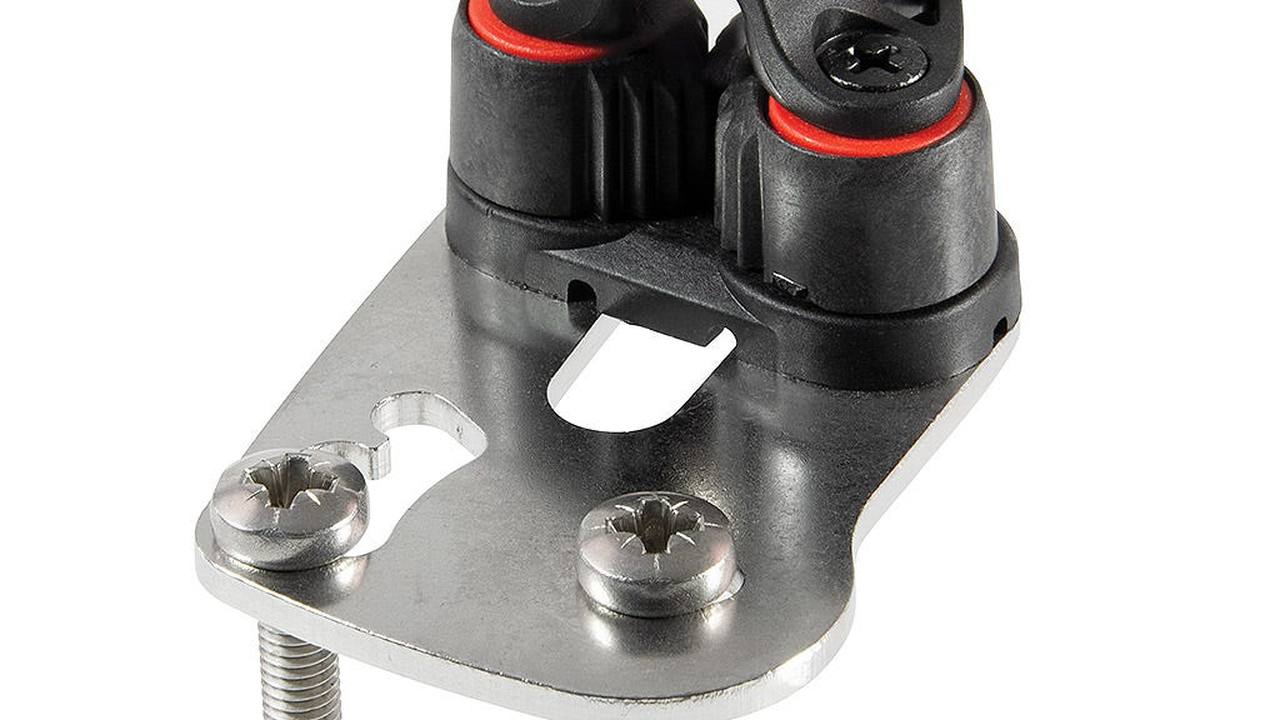
Il RC00410 consente di aggiungere pulegge di controllo; il RC00420 aggiunge strozzatori e comprende le viti previste. Prima dell’intervento si confrontano codice del carrello, ingombri e percorso aggiornato della cima. Si ripete quindi la posa a secco e la prova di accessibilità. Un kit correttamente fissato può comunque creare una manovra scomoda se l’uscita finisce dietro un ostacolo o fuori dalla portata dell’equipaggio.
Serrare in sequenza senza deformare la rotaia
La coppia e la procedura dipendono da fissaggi, supporto e indicazioni tecniche applicabili. Il principio operativo è evitare che un punto tiri la rotaia contro una superficie irregolare. Si procede in modo uniforme, controllando più volte il movimento del carrello durante l’avvicinamento. Se la scorrevolezza peggiora dopo un determinato fissaggio, non si completa il serraggio alla cieca: si riapre e si identifica la causa.
Eseguire una prova progressiva e osservabile
Dopo la verifica a vuoto si arma il circuito e si applica tensione per gradi in condizioni controllate. Un operatore muove la regolazione, un altro osserva rotaia, fissaggi, terminali e ingresso delle cime. Si attraversa tutta la corsa senza colpi. Qualsiasi movimento del supporto, rumore secco, variazione improvvisa della resistenza o contatto non previsto interrompe la prova. Il pieno carico operativo arriva soltanto dopo esiti coerenti.
Registrare il riferimento iniziale
Fotografie ravvicinate, posizione dei fermi, codici, stato delle cime e sensazione di scorrimento costituiscono il riferimento per i controlli successivi. È utile annotare data di posa, interventi, condizioni della prova e anomalie corrette. Questa traccia rende visibile un lento spostamento del terminale o un consumo che, osservato ogni volta isolatamente, potrebbe sembrare trascurabile.
Pulire senza trasformare la pista in un raccoglitore di abrasivi
Dopo sale, sabbia o polvere si risciacqua con acqua dolce e si muove il carrello a vuoto. Prodotti e lubrificanti si usano solo se compatibili con le prescrizioni del costruttore, perché una sostanza adesiva può trattenere particelle. L’ispezione cerca danni alle piste, elementi volventi irregolari, viti sporgenti, fermi incompleti e cime segnate. La pulizia è anche un test funzionale, non un gesto estetico.
Interpretare il punto duro invece di forzarlo
Se il carrello si impunta sempre nello stesso tratto, si controllano rettilineità, giunto, serraggio e contaminazione locale. Se è duro ovunque, si esaminano carrello e pulizia generale. Se peggiora soltanto sotto tensione, l’attenzione si sposta su deformazione del supporto e direzione del carico. Forzare la manovra può danneggiare pista e sfere e cancella indizi utili alla diagnosi.
Consegnare l’impianto con limiti e controlli chiari
La consegna deve spiegare quali posizioni usare, come azionare i fermi, da dove liberare gli strozzatori e quali segnali richiedono l’arresto. La pagina di famiglia comprende 28 prodotti, quindi la denominazione generica Series 19 non basta per ordinare un ricambio. Codici e configurazione installata devono restare nella documentazione di bordo insieme alle immagini del montaggio.
Il collaudo è concluso quando carrello, rotaia, terminali, cime e supporto si comportano come un solo sistema e l’esito è ripetibile. La scorrevolezza iniziale è importante, ma non basta: deve rimanere uniforme dopo serraggio, armamento e prova progressiva. È questo passaggio, eseguito senza scorciatoie, che impedisce a un accessorio compatto di diventare un problema grande durante una manovra.