
Un carrello Ronstan Series 30 può scorrere perfettamente in banchina e diventare duro quando la vela carica la manovra. Il sintomo non dimostra da solo un difetto delle sfere. Può nascere dalla flessione del supporto, da una rotaia deformata durante il serraggio, da un terminale fuori piano o da una cima che entra lateralmente. La diagnosi corretta separa questi fenomeni.
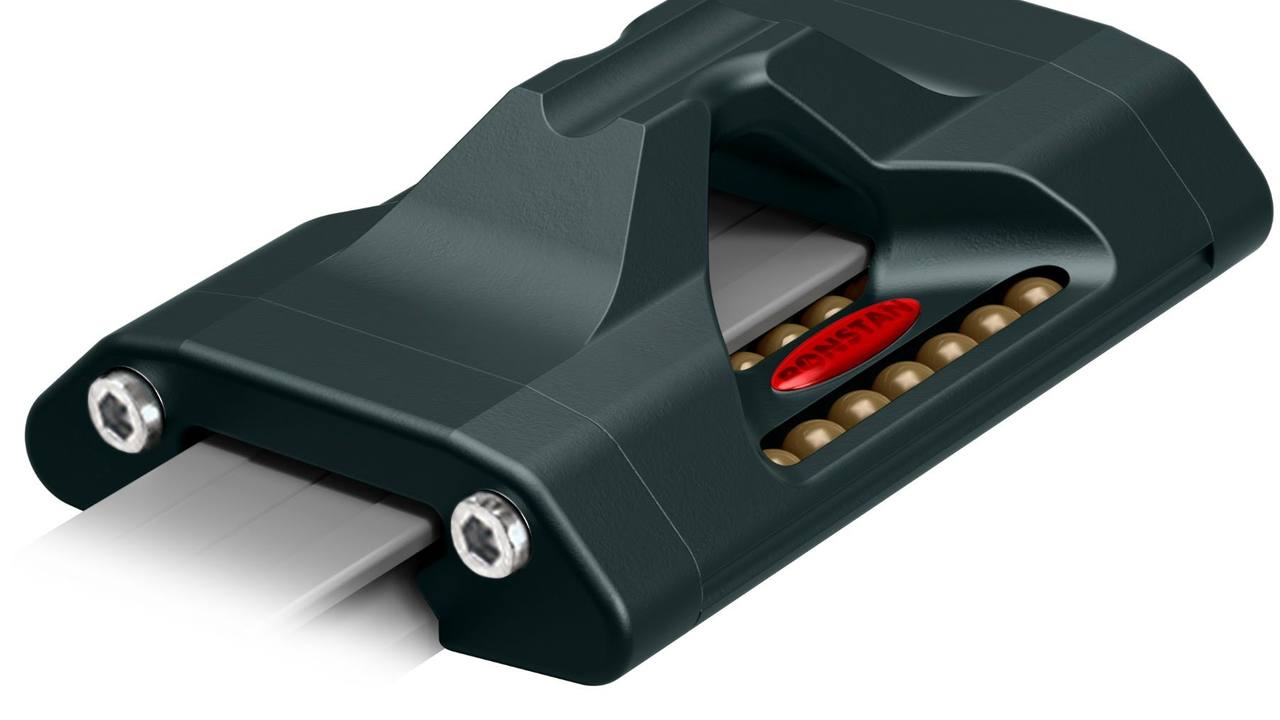
La famiglia usa carrelli in lega a basso profilo su due file di sfere Torlon a ricircolo. Ronstan la indica per trasti randa su barche fino a 18 metri e genoa fino a 17 metri. Sono campi applicativi: la selezione finale deve considerare piano velico, rapporti, angoli e struttura della singola barca.
Identificare il codice prima di aprire il sistema
Si fotografano carrello, rotaia, attacco superiore, terminali e percorso delle cime. RC13003, RC13004 e RC13005 hanno lunghezze e collegamenti diversi; RC13012, RC13013 e RC13023 cambiano numero di pulegge e presenza degli strozzatori. Una distinta iniziale impedisce di ricostruire il circuito a memoria e rende ordinabili i ricambi corretti.
Registrare una misura di scorrevolezza iniziale
Prima di allentare i fissaggi si muove il carrello lungo tutta la corsa scarica, annotando posizione e intensità di ogni punto duro. Si ripete con le cime scollegate quando possibile. Se il difetto rimane nello stesso tratto, la priorità va a rotaia e base; se segue il carico o una sola mura, si indagano attacco e circuiti.
Controllare l’accesso sotto la coperta
L’ispezione inferiore individua rinforzi, sandwich, contropiastre, cablaggi e spazio per gli utensili. Il tecnico definisce trattamento del nucleo, isolamento dei metalli e distribuzione del carico. Se la struttura non è conosciuta, la foratura si arresta. Il sigillante non crea rigidezza e una rondella non sostituisce automaticamente una superficie resistente adeguata.
Usare un regolo sul piano di appoggio
Avvallamenti, bombature e torsioni vengono cercati prima della posa. La rotaia non deve essere utilizzata per raddrizzare la coperta attraverso il serraggio. Spessori o correzioni richiedono materiali e procedure compatibili con la struttura. Si controlla anche che la base rimanga continua se il progetto prevede più spezzoni collegati.
Distinguere fissaggi e fori per pistoncino
RC1300 è larga 30 millimetri. I fissaggi svasati da 8 millimetri sono a interassi di 100 millimetri; i fori di arresto a 50. La rotaia da un metro misura 996 millimetri, mentre le versioni successive misurano 1.996 e 2.996. I due reticoli vengono marcati separatamente: usare un foro di fermo come punto strutturale altera la sequenza prevista.
Provare la rotaia con viti appena accostate
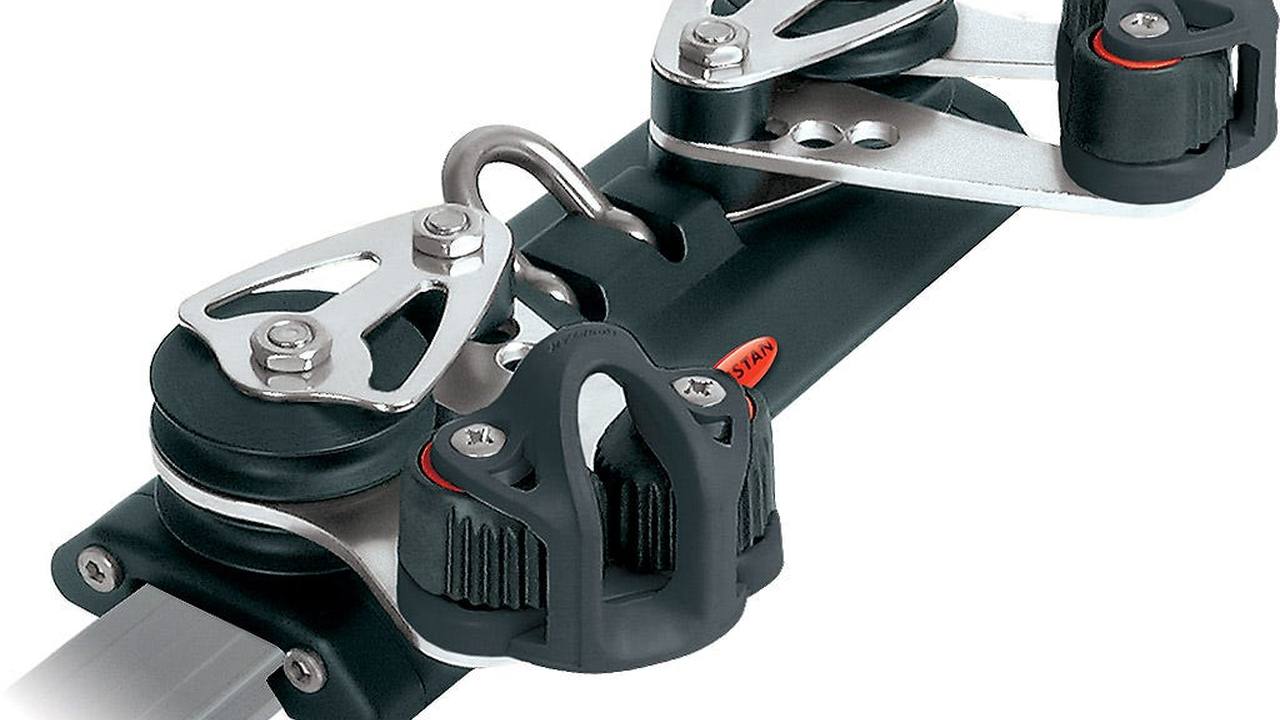
Il carrello viene caricato sulla rotaia secondo la procedura che mantiene le sfere sotto controllo. Si serrano pochi fissaggi per volta, ripetendo lo scorrimento. Una variazione immediata indica che la base o la sequenza sta deformando il profilo. Si corregge prima di applicare sigillante o completare il serraggio, quando l’intervento è ancora reversibile.
Attraversare il giunto lentamente in entrambe le direzioni
RC1301J allinea due spezzoni, ma non impedisce movimenti relativi del supporto. Il carrello deve attraversare il raccordo senza urto percepibile. La prova viene ripetuta dopo ogni gruppo di fissaggi vicino al giunto. Un gradino sotto carico richiede controllo della base, non la semplice lucidatura dell’estremità della rotaia.
Verificare grillo e legatura nelle posizioni estreme
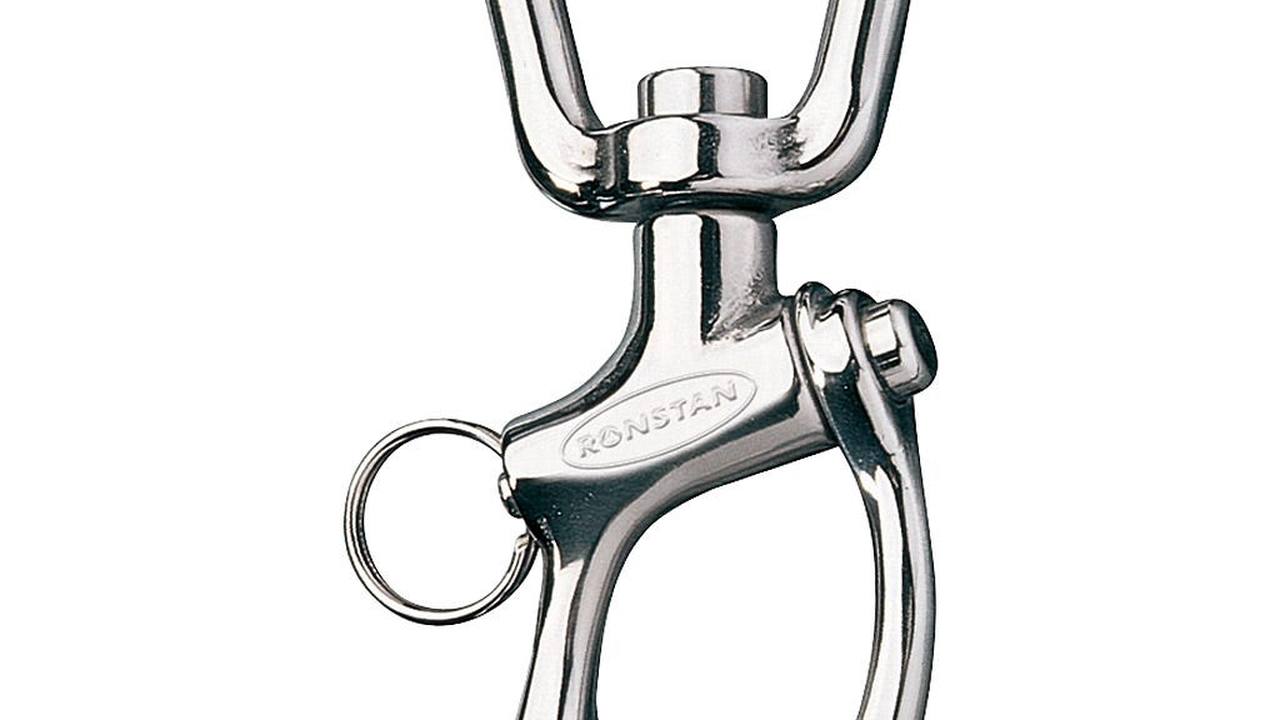
RC13003 usa un grillo pivotante su un corpo da 100 millimetri; RC13004 è lungo 150; RC13005 integra un occhio per link o lashing su 120 millimetri. L’attacco deve articolarsi senza toccare corpo, bozzello o coperta. La legatura resta visibile, priva di schiacciamenti e protetta dagli spigoli per tutta la corsa.
Armare prima il circuito più semplice
Con RC13012 si seguono le due pulegge di controllo e si verifica il centraggio. RC13013 e RC13023 portano a quattro i rinvii; il secondo aggiunge due C-Cleat. Ogni tratto viene posato e provato prima di aggiungere il successivo. Questo metodo rende evidente il punto in cui una cima si incrocia o esce fuori asse.
Separare il 2:1 principale del RC13017
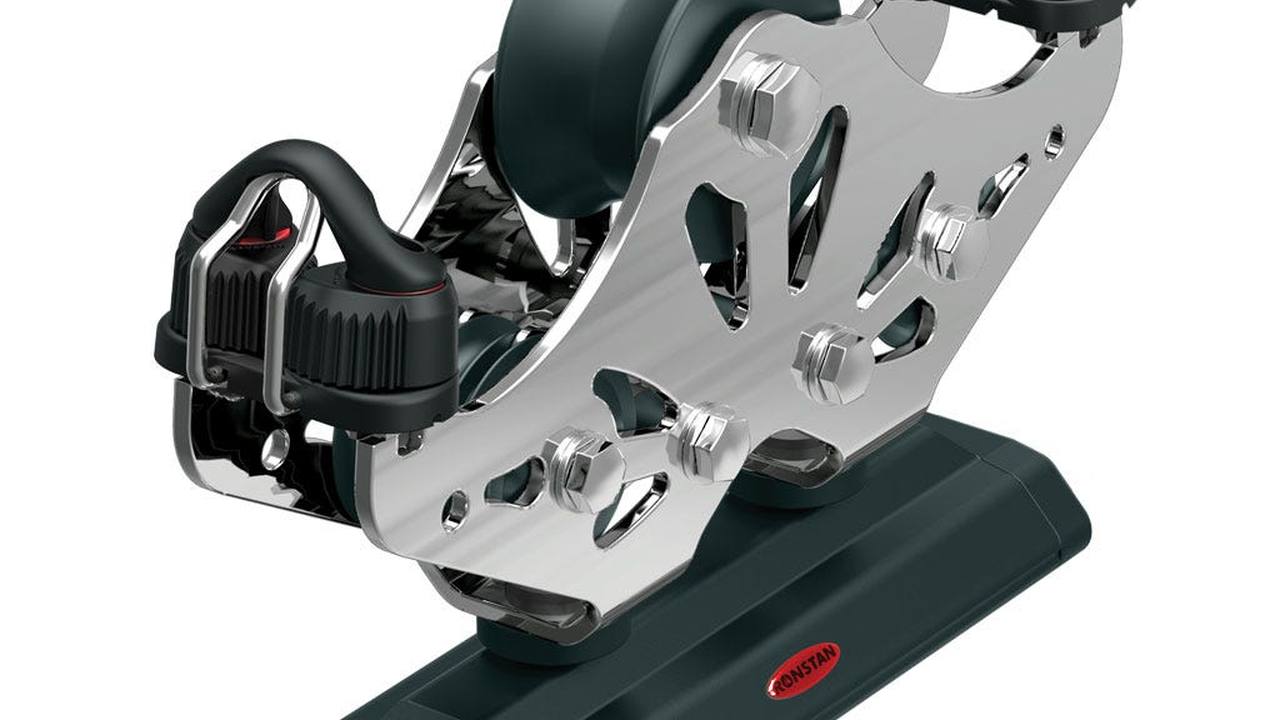
RC13017 integra una puleggia randa da 75 millimetri, tre pulegge di controllo da 50 e strozzatori. Si prova prima la scotta principale, poi il movimento laterale e infine l’insieme. Se il carrello diventa duro soltanto con il 2:1 in tensione, si controllano altezza del collegamento, direzione del tiro e flessione della base.
Far entrare due scotte separate nel RC13031
Il carrello genoa lungo 200 millimetri usa una puleggia larga per due scotte e contiene cento sfere. Ogni cima deve raggiungere il verricello senza sfregare sulla guancia. Si prova una mura alla volta e poi il cambio vela simulato. Segni lucidi su un lato o trefoli consumati rivelano disallineamento del rinvio.
Non confondere carico dichiarato e collaudo improvvisato
Per RC13031 Ronstan dichiara 1.800 chilogrammi di carico massimo di lavoro e 3.200 di rottura. Questi valori servono alla selezione tecnica e non sono obiettivi da riprodurre a bordo con mezzi non controllati. Il collaudo cresce per livelli operativi protetti, osservando base, viti, terminali e comportamento delle cime.
Controllare perno e toggle sui carrelli del tangone
RC13044 accetta un toggle da 32 millimetri con perno da 12,7; RC13046 un toggle da 37 con perno da 12. Il perno deve entrare completamente, l’articolazione deve restare libera e il carrello non deve raggiungere il finecorsa durante il movimento dell’asta. La prova segue tutta l’escursione verticale prevista.
Scegliere il terminale seguendo la cima
RC13084 ha una puleggia singola, RC13085 aggiunge un becket, RC13086 usa due pulegge e RC13087 due pulegge con becket. Il kit RC00424 introduce lo strozzatore sui modelli compatibili. Si parte dal punto morto della cima e si segue ogni passaggio fino alla postazione operativa, verificando presa e rilascio da entrambe le estremità.
Una matrice di diagnosi evita sostituzioni casuali
| Sintomo | Area probabile | Prova discriminante |
|---|---|---|
| Punto duro sempre uguale | Rotaia o fissaggi | Scorrimento con cime scollegate |
| Attrito solo sotto carico | Base o direzione del tiro | Carico progressivo osservato |
| Urto sul giunto | Spezzoni fuori piano | Passaggio lento nei due versi |
| Cima segnata lateralmente | Rinvio fuori asse | Osservazione dell’ingresso |
| Rilascio incerto | Angolo sul C-Cleat | Prova dalla postazione |
| Difetto su una mura | Circuito genoa | Prova separata delle scotte |
| Colpo a fine corsa | Regolazione o arresto | Movimento lento controllato |
| Variazione dopo serraggio | Piano di appoggio | Allentamento per gruppi |
Provare il RC13083 senza lanciarvi contro il carrello
Il pistoncino dell’arresto regolabile può essere bloccato sollevato e il componente può fungere da sicurezza per mantenere un carrello in posizione. Si verifica l’innesto completo nei fori a 50 millimetri e la possibilità di azionarlo con guanti. I tamponi riducono il contatto, ma non trasformano l’arresto in un freno per urti ripetuti.
Montare cappuccio e finecorsa nel ruolo corretto
RC13080 è il cappuccio da 37 per 37 millimetri; RC13081 è il finecorsa. Prima della prova dinamica si conferma che il carrello non possa lasciare la rotaia e che tutte le viti siano a filo. Il cappuccio protegge l’estremità ma non viene assunto come arresto strutturale se la configurazione richiede il componente dedicato.
Applicare la tenuta senza colmare dislivelli
Dopo la prova a secco si puliscono superfici e fori secondo i materiali. Il composto di tenuta limita le infiltrazioni e non viene usato come spessore per correggere il piano. La rotaia è posata senza torsione; l’eccesso viene rimosso e lo scorrimento ripetuto mentre il serraggio procede per gradi.
Aumentare il carico in passaggi osservabili
Il primo passaggio tende appena il circuito, il secondo percorre l’intera corsa, il terzo simula una regolazione reale in condizioni protette. Un operatore manovra e un altro osserva. Movimento della base, rumore secco, variazione dell’attrito o contatto inatteso interrompono la prova. Posizione e configurazione vengono annotate prima di intervenire.
Riesaminare il sistema dopo le prime navigazioni
Rollio, vibrazioni e carichi alternati possono rivelare fenomeni assenti in banchina. Dopo le prime uscite si confrontano fotografie, posizione delle viti, sigillante, legature, grillo e segni sulle cime. Una differenza ripetuta nello stesso punto viene diagnosticata prima di aumentare il serraggio o applicare prodotti non previsti.
Pulire senza nascondere i segnali utili
Sale e particelle vengono rimossi con risciacquo e movimento scarico, mantenendo libero il percorso del carrello. Prima della pulizia si fotografano però depositi anomali, polvere metallica, fibre e strisce lucidate: la loro posizione aiuta a riconoscere un contatto laterale o un disallineamento. Prodotti aggiuntivi vengono usati soltanto quando compatibili con le indicazioni del costruttore, perché un residuo appiccicoso può trattenere abrasivi e alterare la scorrevolezza osservata.
Stabilire quando fermare la manovra
L’equipaggio interrompe l’uso se il carrello perde improvvisamente uniformità, un fissaggio si muove, il supporto mostra una separazione, il pistoncino non entra completamente oppure una cima presenta danni rapidi e localizzati. Continuare a forzare rende meno leggibile la causa e può trasferire il carico su pochi punti. La prima azione è scaricare il sistema in sicurezza e registrare posizione, configurazione e condizioni in cui il sintomo è comparso.
La decisione successiva distingue un ripristino ordinario da un intervento tecnico. Pulizia e ispezione appartengono alla routine; modifica della base, sostituzione dei fissaggi, correzione dell’allineamento o revisione del dimensionamento richiedono dati e competenze adeguate. Questa soglia evita che un difetto strutturale venga mascherato con lubrificante o serraggio casuale.
Conservare schema, codici e risultato delle prove
La consegna comprende codici dei componenti, disegno dell’arricavo, posizione dei fermi, immagini dei fissaggi e comportamento rilevato. L’equipaggio deve sapere quali segnali impongono l’arresto della manovra. Dire soltanto “Series 30” non basta per un ricambio: corpo, terminale, pulegge e applicazione devono essere identificati.
La diagnosi efficace segue il percorso del carico
Quando un carrello diventa duro, si parte dal punto di tiro e si segue l’azione fino alla struttura. Ogni passaggio viene isolato e provato. Questo evita di attribuire alle sfere un problema nato nella coperta o nella cima e consente di correggere la causa prima che usura e urti la rendano più costosa.
La Series 30 offre molte configurazioni, ma il metodo resta stabile: identificare, misurare, montare a secco, serrare per gradi, armare un circuito alla volta e collaudare progressivamente. La velocità della manutenzione nasce da questa disciplina, non dal saltare verifiche che poi devono essere ripetute in emergenza.