
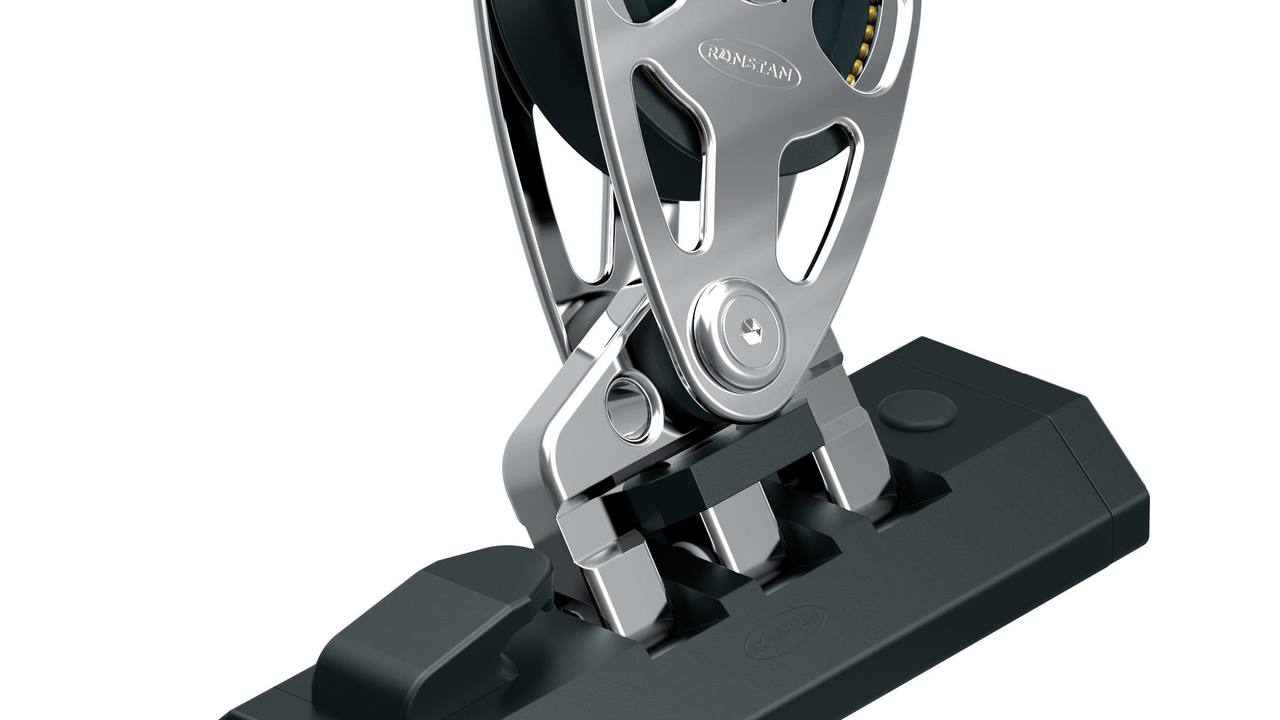
Un grande traveller può continuare a muoversi anche quando sta lavorando male. Un winch potente supera attriti, torsioni e punti duri che a mano sarebbero evidenti; il primo segnale diventa così una cima lucidata, un rumore nuovo o un carrello che arriva inclinato al finecorsa. Nella Ronstan Series 55 il peso dei componenti e i valori di carico impongono disciplina: ogni prova viene eseguita con sistema scarico, area protetta e incremento controllato, senza usare la forza come strumento diagnostico.
Si fotografa il sistema prima di toccarlo
Posizione del carrello, percorso delle cime, orientamento dei blocchi, stato dei fissaggi e segni di contatto vengono registrati. Le immagini iniziali conservano informazioni che la pulizia cancellerebbe. Si annota in quale manovra compare il difetto, se dipende dalla posizione e se è cambiato dopo un intervento. La cronologia distingue un problema graduale di contaminazione da una variazione improvvisa di appoggio, cima o connessione.
La prova a vuoto separa attrito e geometria
Dopo avere rimosso il carico secondo la procedura della barca, il carrello percorre lentamente l’intera rotaia. Un punto duro che resta fisso indirizza verso pista, giunto o fissaggio. Una corsa libera a vuoto e frenata con la scotta collegata porta invece a controllare angoli, pulegge e torsione del punto di presa. Non si attraversa un ostacolo con leva o verricello: ci si ferma prima e si misura la posizione.
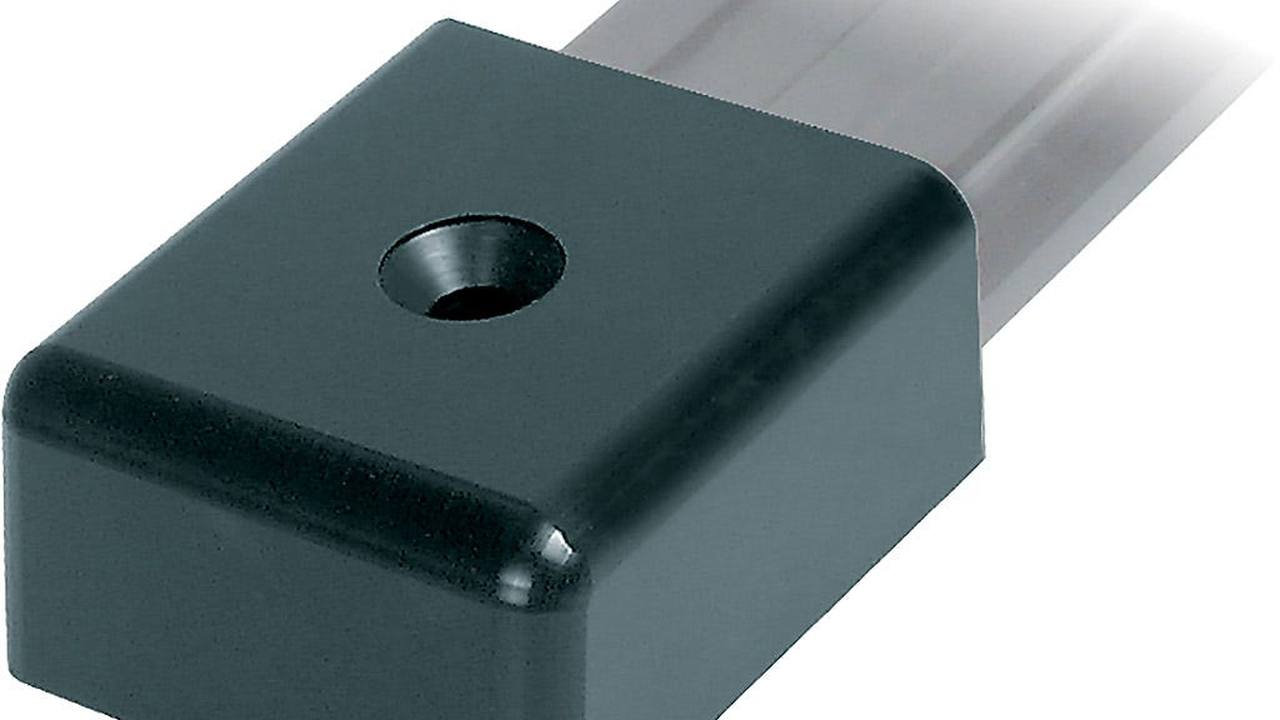
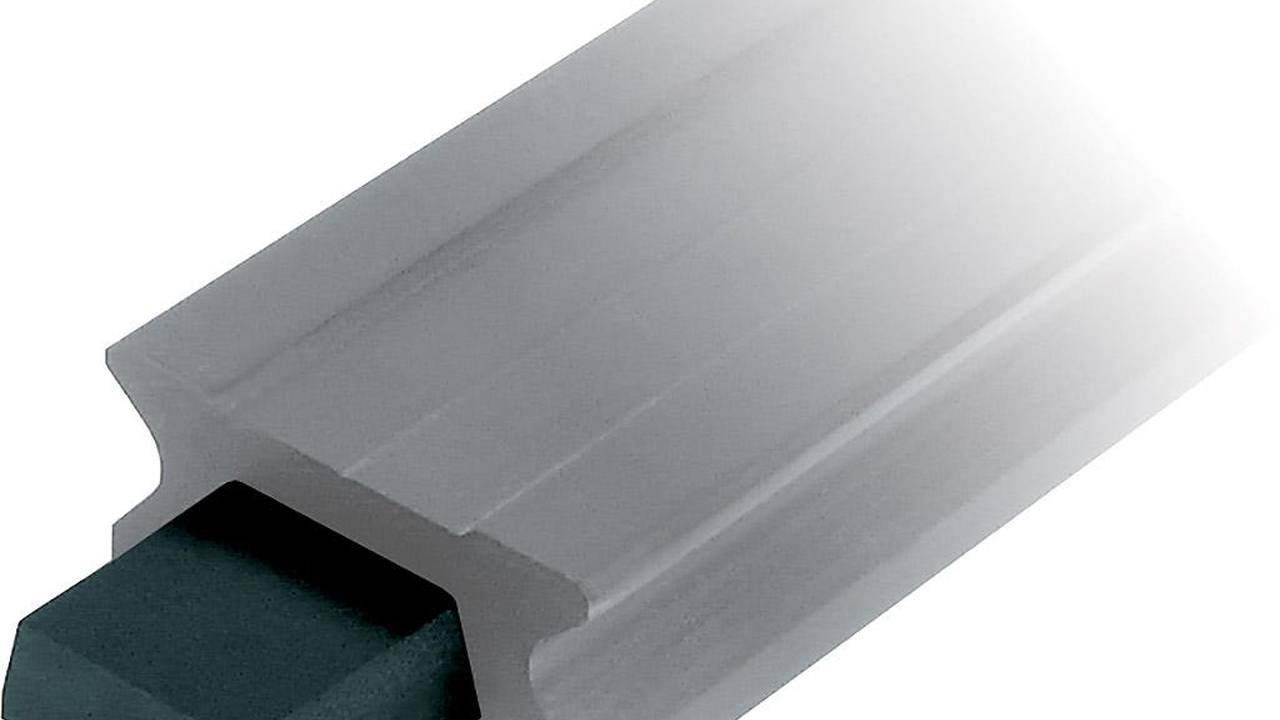
La pista da 55 millimetri ha due passi diversi
I tratti standard lunghi 1.996 e 2.996 millimetri impiegano fissaggi svasati M12 con interasse di 100 millimetri. I fori per gli arresti a pistoncino sono invece distanziati di 50 millimetri. Confondere le due serie porta a diagnosi sbagliate e interventi impropri. Si identifica il codice della pista e si verifica che nessun foro abbia bordo deformato, sporco o segni prodotti da un pistoncino entrato soltanto in parte.
Un serraggio irregolare crea una pista ondulata
La luce radente evidenzia zone in cui il profilo cambia quota vicino alla viteria. Un supporto discontinuo può permettere al serraggio di deformare la rotaia, soprattutto dove la struttura cambia spessore. Non si corregge allentando viti a caso: la pista riceve carichi elevati e l’intervento deve seguire il progetto di fissaggio. Si controllano base, contropiastre e isolamento, quindi si ripete la prova scarica dopo la correzione approvata.
Il giunto non deve diventare uno scalino
RC1551J è un joiner in acetal lungo 60 millimetri. Serve a conservare l’allineamento fra due tratti già presentati correttamente; non è una chiave per raddrizzare profili sostenuti male. Il carrello attraversa la giunzione nelle due direzioni, perché un bordo può manifestarsi soltanto in un verso. Se la resistenza cambia con il carico, si osserva anche l’appoggio sotto il giunto e la deformazione della struttura circostante.
Il corpo lungo amplifica un errore piccolo
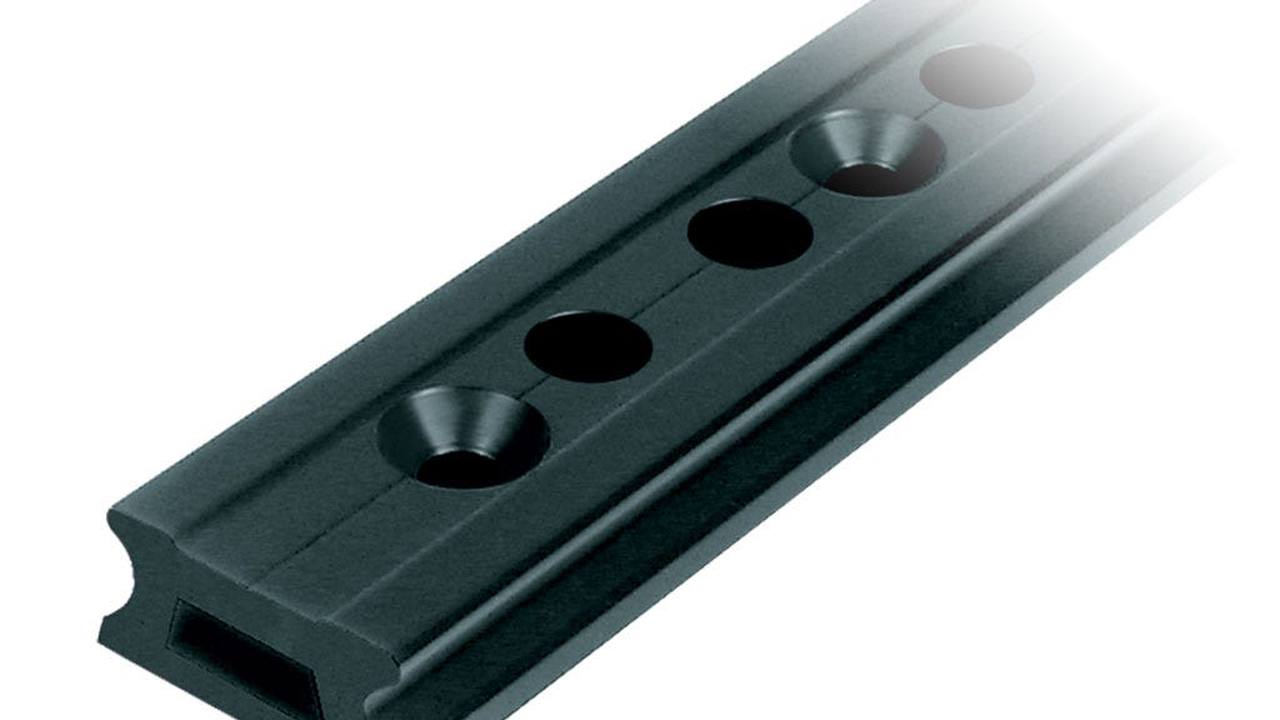
I carrelli principali misurano centinaia di millimetri. RC15518A è lungo 470, il tandem RC15515 arriva a 575. Un corpo lungo e largo 125 millimetri impegna una porzione maggiore della pista e rende evidente un cambio di asse che un elemento corto potrebbe superare. Durante la prova non si interpreta questa sensibilità come difetto automatico del carrello. Si confrontano posizione, giunti e supporto, evitando di trasferire sfere da un corpo all’altro senza procedura.
Le sfere Torlon lavorano in due circuiti
La Series 55 usa due file di sfere a ricircolo. Sporco, sale o particelle devono essere rimossi secondo le indicazioni di manutenzione applicabili al prodotto. Prodotti non previsti possono trattenere contaminanti o alterare lo scorrimento. Se il carrello deve uscire dalla rotaia, si prepara prima il supporto di trasferimento e la ritenzione: la massa può superare dieci chilogrammi e la perdita delle sfere complica il rimontaggio e rende inattendibile ogni confronto.
Il tandem deve restare libero sul ponte pivotante
RC15515 misura 575 per 125 millimetri, pesa 11.600 grammi, contiene 160 sfere e dichiara un massimo carico di lavoro di 9.500 chilogrammi. Il ponte pivotante porta i punti per la legatura dei blocchi della scotta. A sistema scarico si verifica che possa orientarsi senza urtare il corpo o la coperta. Sotto carico controllato si osserva se raggiunge una battuta angolare: in quel caso la torsione può passare al carrello anziché restare nel collegamento.
Il gruppo 2:1 va osservato anche al centro
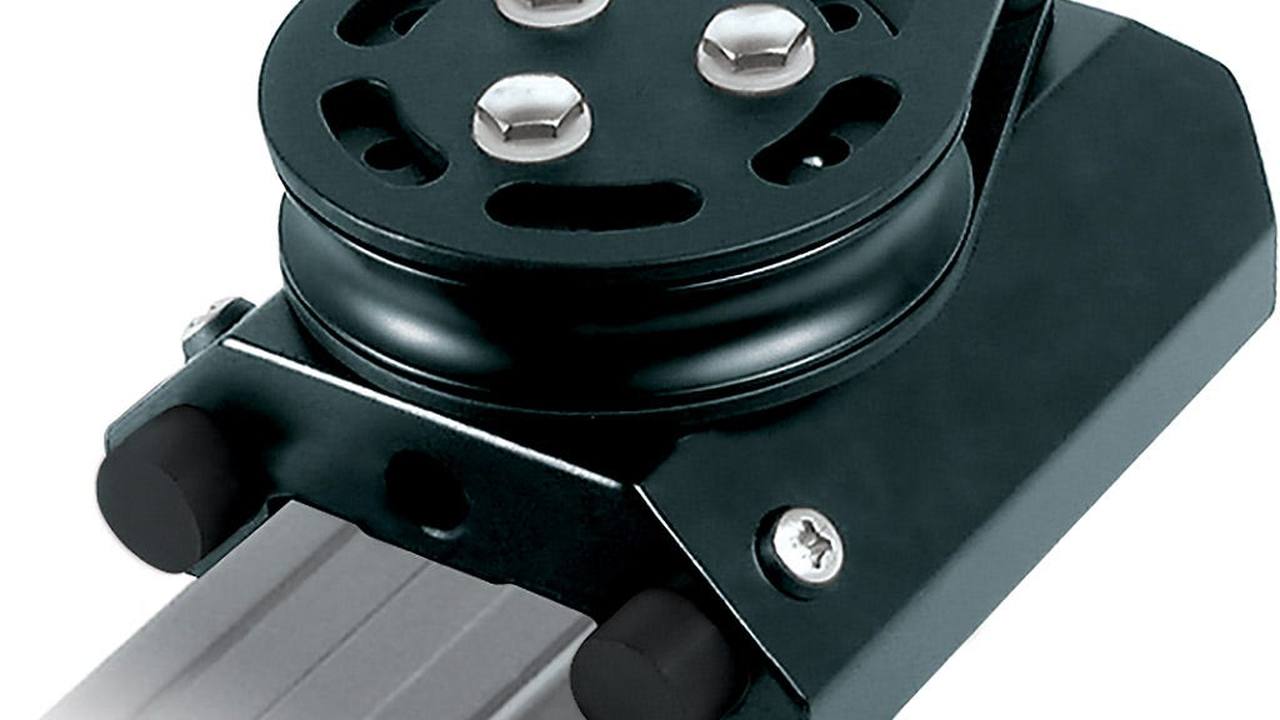
RC15518A integra due pulegge da 150 millimetri e un rullo centrale per mantenere allineata la scotta. È lungo 470 millimetri, pesa 10.500 grammi, usa 136 sfere e dichiara 6.000 chilogrammi. Si controlla che la cima appoggi nella gola corretta, passi sul rullo senza scavalcarlo e non venga trascinata lateralmente quando il carrello si sposta. Un segno centrale lucido indica un percorso da riesaminare, non un invito a tendere di più.
I terminali rivelano molti attriti nascosti
RC15584 con puleggia singola misura 160 per 125 millimetri, pesa 2.140 grammi e dichiara 2.800 chilogrammi. RC15585 aggiunge il becket e misura 210 per 102 con lo stesso peso e carico dichiarato. Isolando la cima dal carrello si può verificare la rotazione della puleggia e l’uscita del ramo. Se il circuito resta duro senza carrello, la pista non è la priorità: si cercano gola, guance, allineamento e condizione della cima.
Il punto morto per 20 millimetri non è universale
RC15585A ha puleggia singola, becket e dead end superiore per scotta fino a 20 millimetri. Misura 265 per 102 millimetri, pesa 3.380 grammi e dichiara 4.100 chilogrammi. Il limite di diametro non significa che una cima da 20 millimetri sia adatta a ogni circuito. Costruzione, rigidità, carico e compatibilità con gli altri elementi restano determinanti. Una cima gonfia o appiattita può frenare anche rispettando il valore nominale.
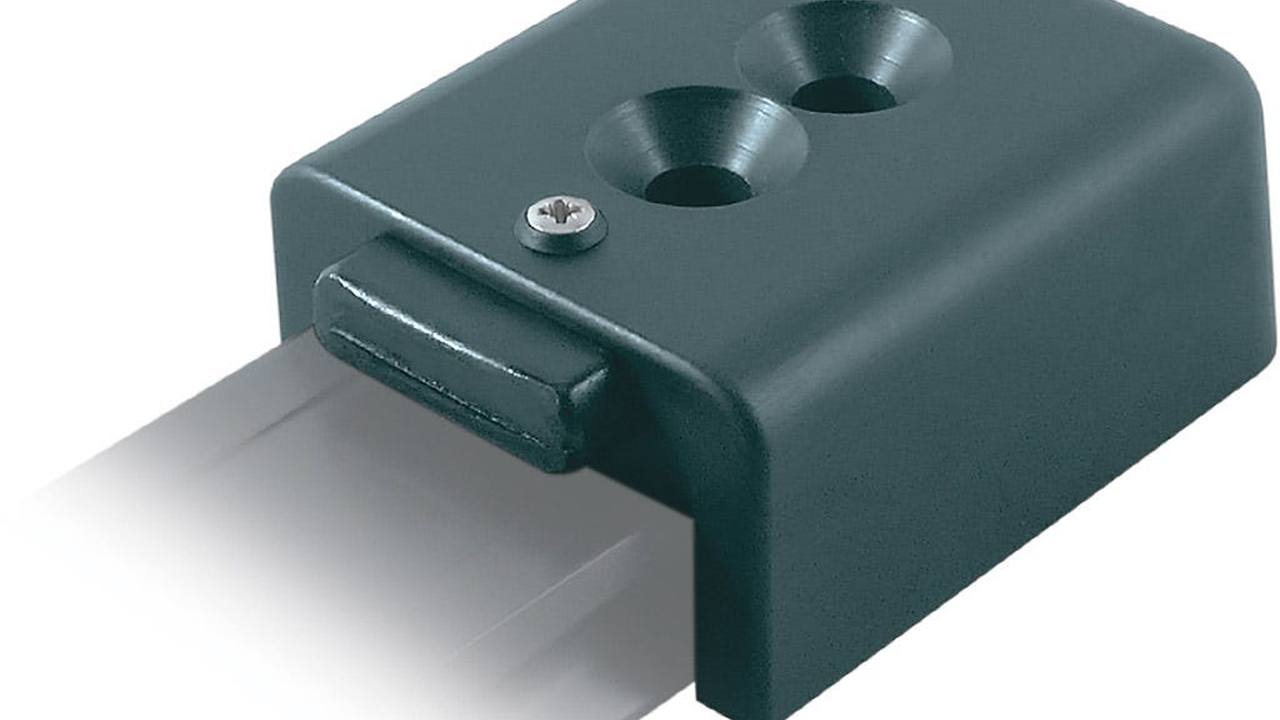
Il finecorsa racconta come arriva il carrello
RC15581 è la battuta in lega. Segni concentrati su un solo lato indicano che il corpo arriva inclinato o ruotato; tamponi compressi in modo diverso confermano un contatto non uniforme. Il finecorsa non deve correggere il carrello nell’ultimo centimetro. Prima si analizzano punto di attacco, uscita della cima e continuità della pista. Ogni verifica avviene con sistema scarico, perché la battuta può ricevere l’energia della massa mobile oltre alla forza della scotta.
RC15581A integra due attacchi distinti
La versione con becket misura 190 per 85 millimetri, pesa 2.250 grammi e riporta 6.000 chilogrammi di massimo carico di lavoro. Dispone di un punto morto con diametro interno di 25 millimetri per la scotta e di uno da 19 millimetri per cima di controllo o briglia del boma. Si verifica quale connessione usa ciascun foro. Scambiarne il compito o sovrapporre legature rende difficile valutare direzione e stato del carico.
L’arresto regolabile deve scattare davvero
RC15583 usa un pistoncino bloccabile in posizione sollevata per facilitare montaggio e rimozione e può agire come arresto di riserva. Si pulisce il foro dedicato e si osserva l’ingresso completo del pistoncino. Se resta sollevato, inclinato o appoggiato sul bordo, il carrello non è nella posizione prevista. La prova viene fatta scarica e poi confermata secondo la procedura operativa; non si colpisce la maniglia per vincere la contaminazione.
La tabella trasforma i segnali in prove mirate
| Segnale | Elemento da isolare | Osservazione | Esito atteso |
|---|---|---|---|
| Punto duro fisso | Carrello scarico | Pista e giunto | Corsa uniforme |
| Cima segnata | Terminale | Gola e uscita | Nessun contatto laterale |
| Battuta asimmetrica | Punto di presa | Angolo del carrello | Arrivo parallelo |
| Pistoncino incompleto | Foro da 50 mm | Sporco e allineamento | Innesto totale |
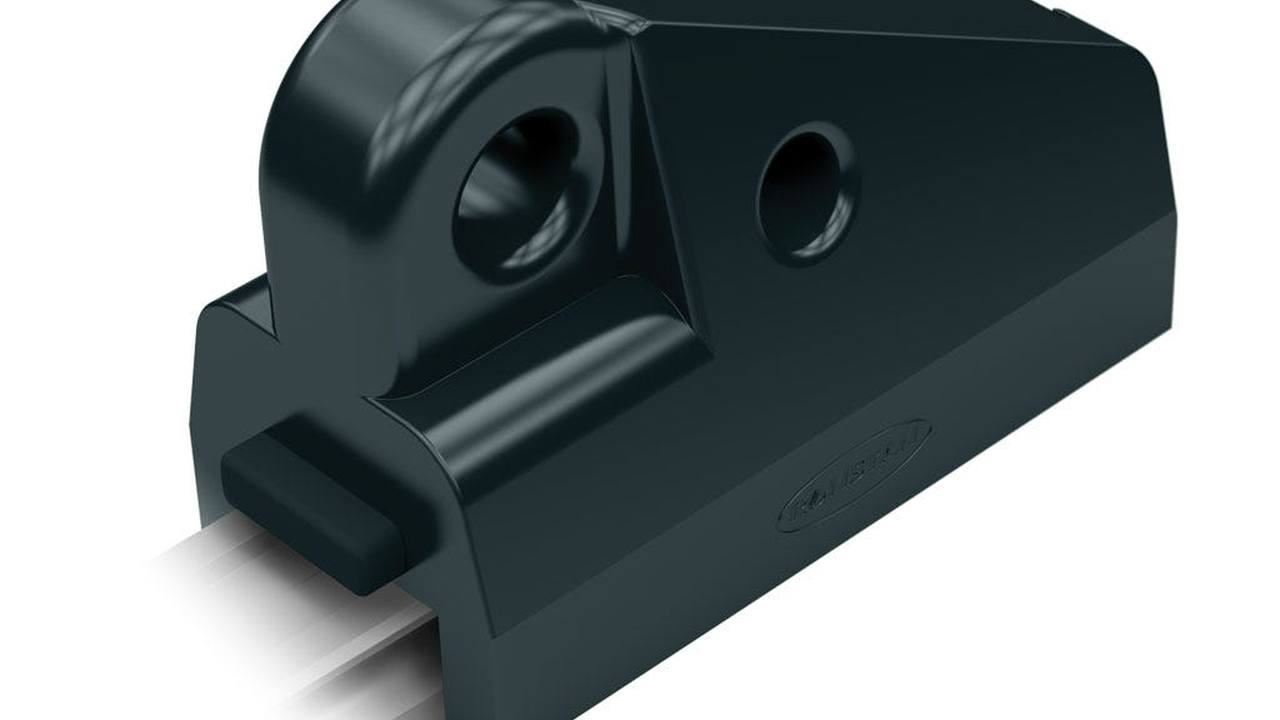
Il carrello genoa aggiunge il towing lug
I carrelli genoa Series 55 hanno due file di sfere e un towing lug per la regolazione. Le pulegge possono accettare due scotte nelle configurazioni previste. Durante il controllo si segue anche il ramo che muove il carrello: se tira fuori asse, può rendere difficile una regolazione altrimenti corretta. Si osservano inoltre blocco, stirrup e scotta genoa, perché un contatto con falchetta o tuga può comparire soltanto in una posizione della vela.
I numeri di portata non autorizzano la forza
Il tandem dichiara 9.500 chilogrammi, il gruppo 2:1 6.000 e il finecorsa con becket 6.000. Sono massimi carichi di lavoro associati a componenti diversi, non valori da usare per decidere quanto tirare durante una prova. Un sistema che richiede il winch per superare un punto duro sta fornendo un segnale. La diagnosi riduce il carico, isola l’elemento e cerca la causa prima di riprendere l’esercizio.
Corrosione e fissaggi richiedono competenza
La lega anodizzata e gli elementi in acciaio inox dipendono dall’isolamento previsto nell’installazione. Aloni, prodotto bianco, rigonfiamenti o viti che perdono serraggio non vengono coperti con sigillante. Si registra il fenomeno e si coinvolge il tecnico, soprattutto se interessa la base della rotaia o una zona di carico della coperta. Allentare un tratto può liberare il carrello ma peggiorare il trasferimento strutturale: scorrevolezza e integrità non sono la stessa cosa.
Il collaudo finale cresce in quattro passaggi
Prima si prova la pista con carrello scarico. Poi si verifica la cima nei terminali senza collegamento alla vela. Il terzo passaggio unisce circuito e carrello a bassa tensione. Soltanto l’ultimo riproduce le normali condizioni operative autorizzate, con area libera e incremento graduale. A ogni livello si confrontano rumore, sforzo e allineamento. La ricomparsa del difetto in una fase precisa identifica il sottosistema da riesaminare.
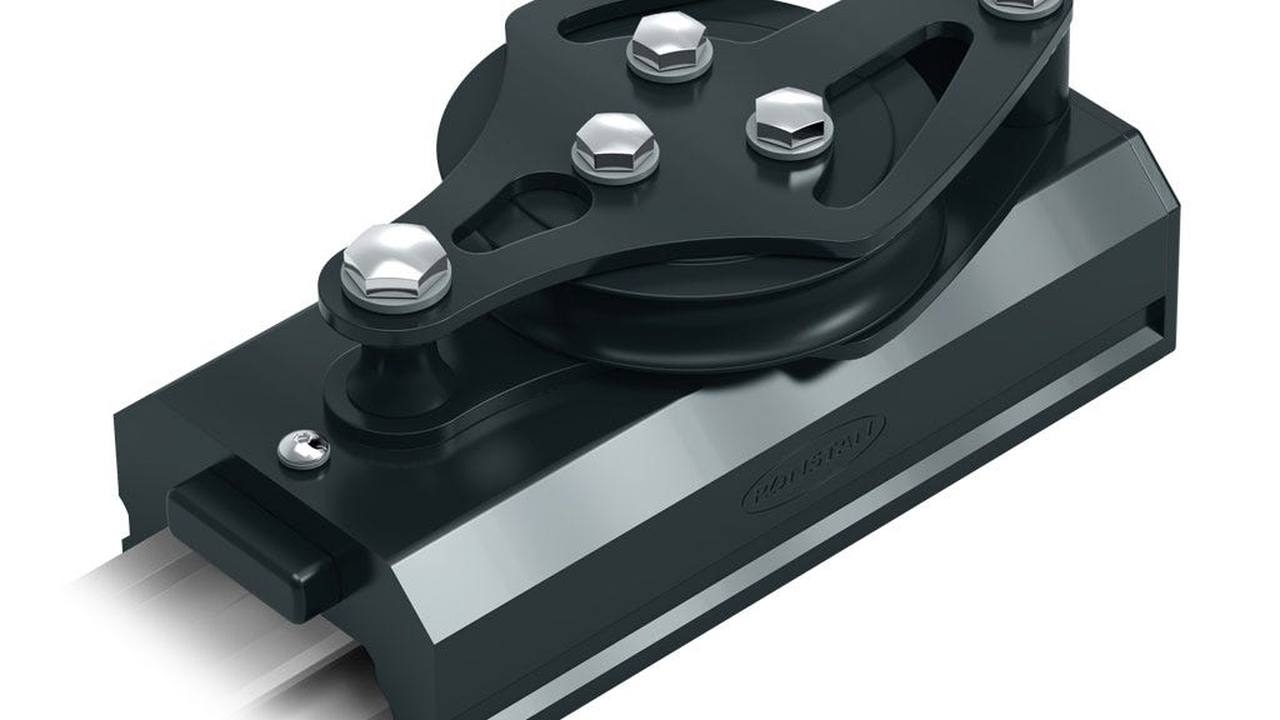
Un grande traveller deve restare leggibile
Codici, disegno della pista, raggio, fissaggi, cime, fotografie iniziali e interventi vengono conservati nel fascicolo della barca. La documentazione consente di riconoscere un RC15584 da un RC15585A e di sapere perché un certo punto morto è stato usato. Il vantaggio non è burocratico: quando compare un segnale, il tecnico parte da una configurazione nota. La Series 55 lavora bene quando ogni elemento resta allineato, ispezionabile e coerente con il progetto originale.