
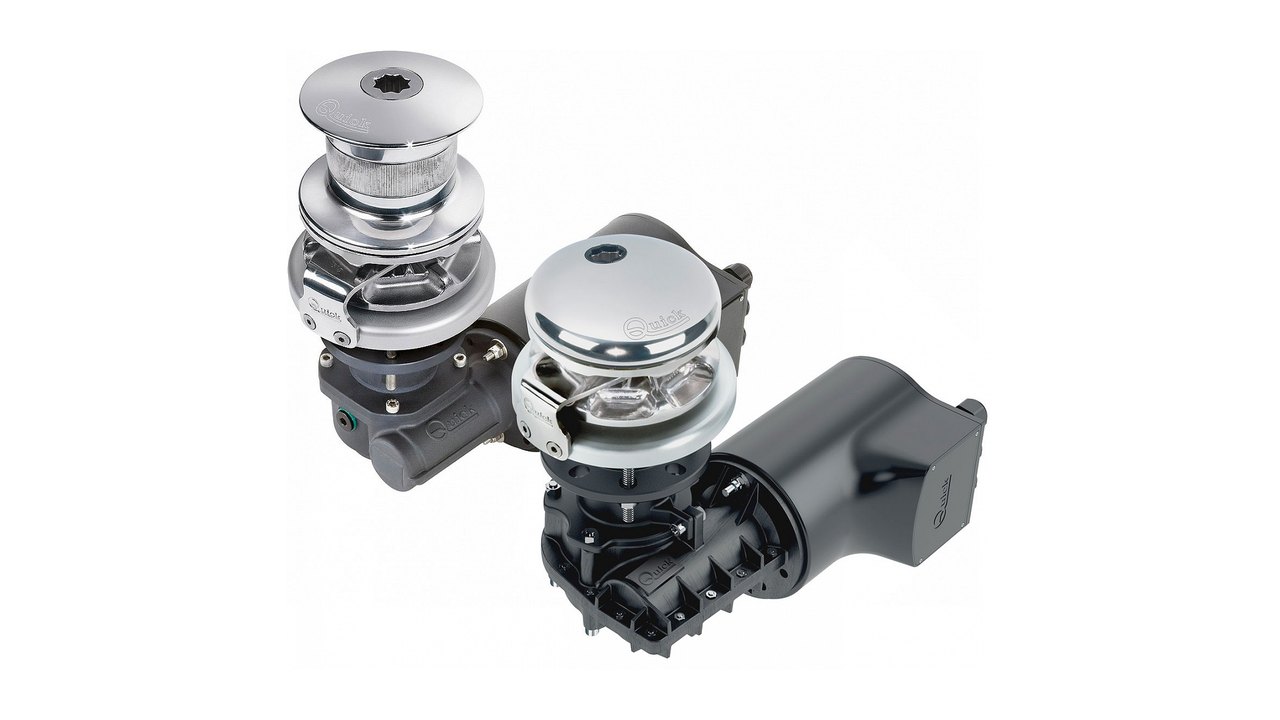
Un salpa ancora elettrico può superare il test in banchina e fermarsi al primo recupero reale. Succede quando il controllo si limita al rumore del motore e non verifica caduta della catena, tensione sotto carico, compatibilità del barbotin, protezioni e manovra dell’unità. La consegna corretta richiede una sequenza precisa: rilievo, installazione, collaudo, addestramento e manutenzione. questa analisi trasforma ogni passaggio in una verifica misurabile.
Prima di aprire la scatola fotografare l’impianto esistente
Un refitting ben documentato inizia con fotografie, misure e identificazione dei componenti. Si registrano modello del vecchio verricello, tensione, protezione, sezione e percorso dei cavi, tipo di comando, diametro della bulloneria e stato della coperta. Catena e cima vanno identificate separatamente, compresa la giunzione. Senza questa base è facile attribuire al nuovo componente difetti già presenti nel circuito o nella cala catena.
Le fotografie devono mostrare anche passaggi nascosti e connessioni prima dello smontaggio. Etichette temporanee sui cavi evitano inversioni e consentono di ricostruire ciò che è stato modificato. Se emergono ossidazione, surriscaldamento o infiltrazioni, il lavoro non può essere trattato come una semplice sostituzione uno a uno.
Confermare tensione, modello e senso di lavoro
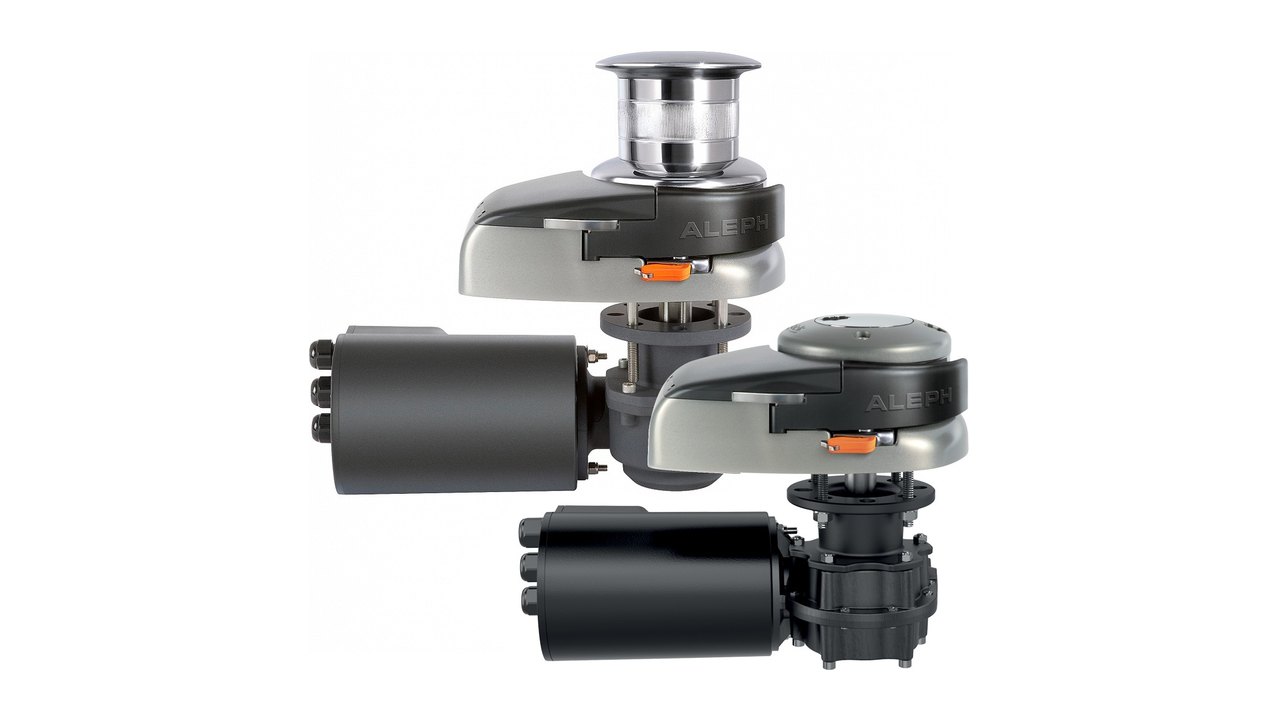
La targhetta del verricello deve corrispondere all’impianto di bordo. Modelli esteticamente identici possono avere tensioni e potenze diverse. Prima del montaggio si confrontano codice, manuale, schema elettrico, barbotin e accessori forniti. Nessun collegamento deve essere eseguito sulla base del colore dei cavi soltanto.
Si chiarisce inoltre come dovrà muoversi la linea rispetto alla prua. Il montaggio deve rispettare il verso indicato dal costruttore e consentire alla catena di impegnare correttamente il barbotin. Invertire i cavi per compensare un’installazione geometrica sbagliata non risolve il problema meccanico.
Misurare la caduta utile, non solo il volume del gavone
La prova decisiva consiste nel seguire il percorso della catena dal musone al fondo. La linea deve arrivare allineata, avvolgersi sul barbotin e cadere senza incontrare paratie, tubi o il proprio mucchio. Conta l’altezza libera sotto il punto di uscita, perché è questa a creare il peso che trascina la catena verso il basso. Un gavone largo ma basso può richiedere continui interventi manuali.
Prima di forare, si simula il percorso con una porzione reale di catena. La coperta viene marcata soltanto quando rullo, barbotin e caduta formano una linea coerente. Il drenaggio deve essere libero e il fondo privo di oggetti che possano intrappolare il calumo.
La matrice di accettazione dell’installazione
| Fase | Controllo | Criterio di accettazione | Se non passa |
|---|---|---|---|
| Rilievo | Codici e misure | Configurazione documentata | Fermare l’ordine |
| Meccanica | Base e allineamento | Nessun movimento o impuntamento | Rinforzare o riposizionare |
| Calumo | Presa e caduta | Scorrimento continuo e sicuro | Correggere linea o gavone |
| Elettrica | Tensione sotto carico | Entro i limiti del progetto | Verificare cavi e connessioni |
| Comandi | Direzione e arresto | Risposta coerente da ogni postazione | Isolare e correggere |
| Consegna | Emergenza e briefing | Equipaggio capace di ripetere la procedura | Ripetere addestramento |
Ogni riga deve essere firmata o registrata da chi esegue il collaudo. La dicitura generica “funzionante” non documenta né misura né condizioni della prova.
Preparare la coperta prima della bulloneria
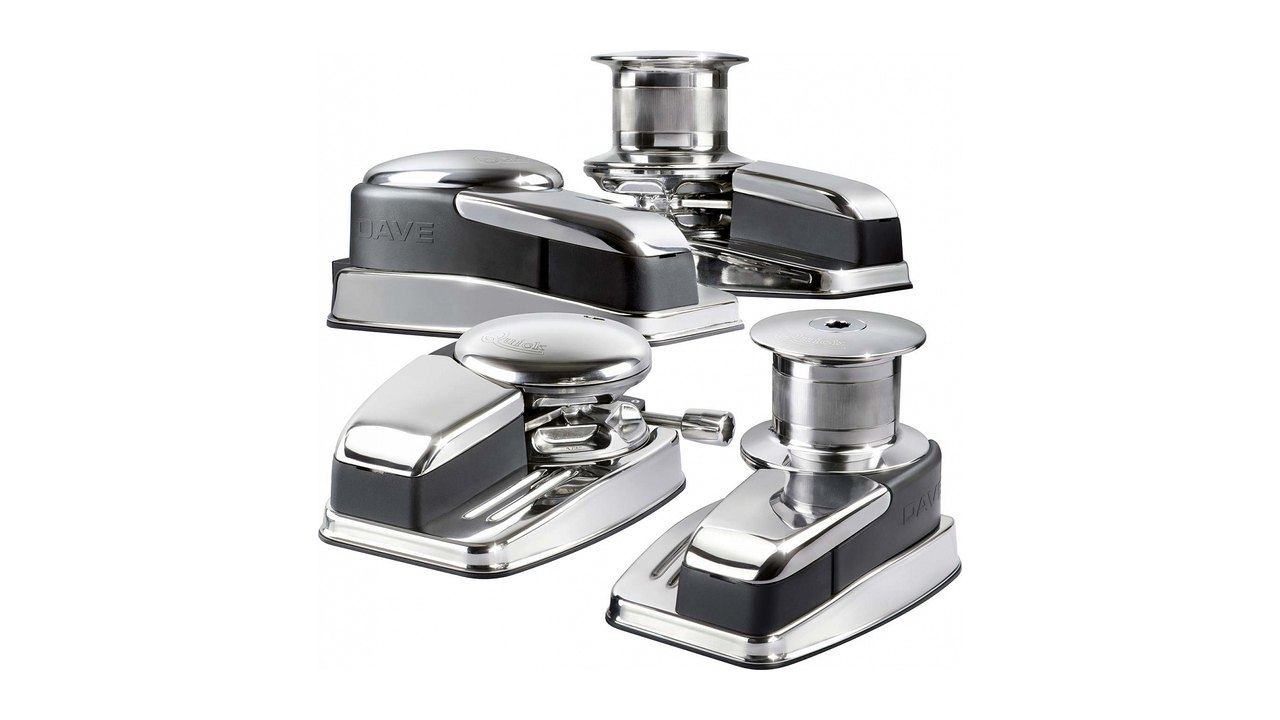
La superficie di appoggio deve essere piana e strutturalmente adeguata. Si controllano laminato, anima del sandwich, controstampo e accessibilità del lato inferiore. Se il materiale è degradato o compresso, stringere più forte peggiora il danno. Rinforzo e contropiastra devono distribuire i carichi senza interferire con motore, riduttore o manutenzione.
I fori si eseguono con la sequenza prevista per il materiale, proteggendo eventuale anima e superfici tagliate dall’acqua. Il sigillante deve essere compatibile e applicato senza ostruire drenaggi o componenti. La bulloneria viene serrata in modo uniforme secondo le indicazioni applicabili; il controllo successivo verifica assestamento e tenuta.
Allineare musone, barbotin e linea
Una catena che entra inclinata tende a lavorare sul bordo dei denti e sulle guide. Il musone deve accompagnare la linea verso il verricello senza creare sfregamenti anomali. La posizione dell’ancora a riposo merita una prova completa: deve fermarsi senza colpire scafo, musone, sensori o ferramenta.
Si verifica anche che la cima, se presente, attraversi la giunzione senza impuntarsi. La prova manuale iniziale, con alimentazione esclusa, permette di osservare ogni contatto lentamente. Se occorre spingere o tirare lateralmente, l’allineamento non è accettabile.
Installare il motore pensando alla manutenzione
Il motore sotto coperta deve poter essere ispezionato e rimosso senza demolire arredi o scollegare parti estranee. Servono spazio per utensili, visibilità dei terminali e protezione dagli spruzzi. I cavi non devono sostenere il proprio peso sui capicorda né sfregare contro la catena.
L’ambiente va mantenuto drenato e ragionevolmente ventilato. Coperture artigianali completamente chiuse possono trattenere condensa e calore. Una protezione efficace devia acqua e sporco lasciando al componente le condizioni previste dal produttore.
Calcolare il circuito sul percorso completo
Il dimensionamento elettrico considera andata e ritorno, corrente del modello, lunghezza reale, temperatura e posa. La distanza geometrica fra batteria e prua non coincide con la lunghezza del circuito. Curve, salite e passaggi possono aggiungere metri significativi. Il manuale del verricello e il progetto dell’impianto determinano sezione e protezione.
Quando si riutilizzano cavi esistenti, sezione apparente e colore non bastano. Si controllano marcature, stato del rame, capicorda, giunzioni nascoste e continuità. Un cavo ossidato sotto l’isolante può mostrare una tensione normale a vuoto e crollare durante il recupero.
Crimpare, sostenere e proteggere ogni collegamento
I capicorda devono corrispondere a cavo e prigioniero, essere crimpati con matrice adeguata e protetti dall’ambiente marino. Rondelle e ordine di montaggio seguono lo schema del componente. Vernici, grassi o prodotti protettivi non devono essere inseriti fra superfici elettriche se non previsti dalla procedura.
Il cablaggio viene fissato a intervalli regolari e lontano da spigoli, acqua stagnante e linea di ancoraggio. Le curve rispettano il raggio del cavo. Dopo il serraggio si applica un riferimento visivo che aiuta a individuare eventuali allentamenti nel controllo successivo.
Posizionare protezione e contattore in modo raggiungibile
La protezione dedicata deve poter interrompere il circuito e deve essere coordinata con il modello e i cavi. Il contattore di inversione va tenuto asciutto, fermo e accessibile. Montarlo in fondo a un vano umido perché vicino al motore rende il futuro intervento più difficile e aumenta il rischio di ossidazione.
Ogni cavo viene etichettato alle due estremità. Lo schema aggiornato resta a bordo insieme ai codici dei componenti. In emergenza, sapere quale dispositivo isola il verricello evita tentativi su interruttori non pertinenti.
Provare i comandi uno alla volta
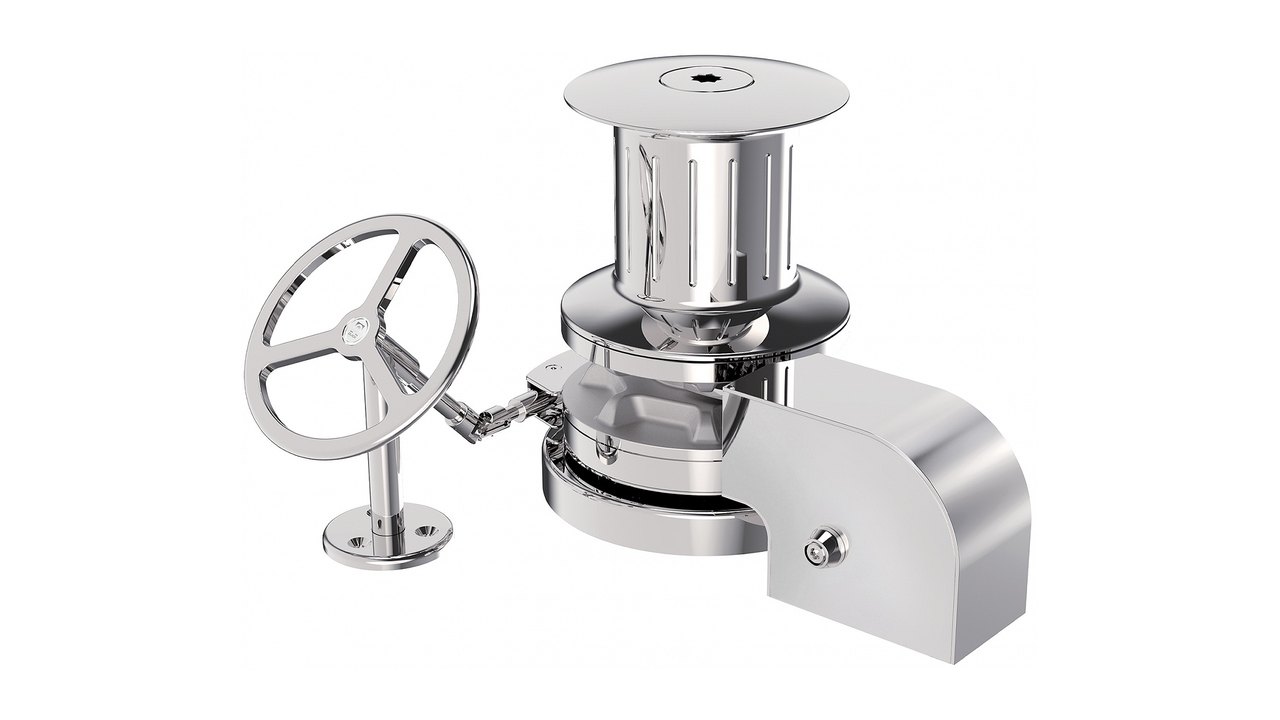
Con catena disimpegnata e area libera si alimenta il sistema e si prova una postazione alla volta. Si verifica che salita e discesa corrispondano alle etichette, che il rilascio del comando arresti il motore e che non esistano attivazioni intermittenti. Pulsanti a piede, comando al timone e telecomando devono produrre lo stesso comportamento.
Un comando remoto non autorizza l’uso senza visuale. L’operatore deve vedere la prua o lavorare con una comunicazione stabilita. Si controllano portata, batterie e modalità di abbinamento del telecomando, annotando cosa accade quando il segnale si interrompe.
Verificare il barbotin con tutta la catena
Una prova con poche maglie non scopre variazioni, torsioni o giunzioni difettose. Si stende e si ispeziona il calumo, eliminando nodi e controllando corrosione, deformazioni e marcature. Poi si recupera progressivamente osservando la presa dei denti. Rumori ritmici, scatti o sollevamento delle maglie indicano incompatibilità o usura.
La catena non si guida con mani o piedi. Se non cade, si arresta, si isola e si interviene a macchina ferma. Questa regola deve essere ripetuta a chiunque possa usare il sistema.
Misurare tensione e comportamento sotto carico
La misura a vuoto serve come riferimento, ma non certifica il circuito. Durante una prova controllata si rileva la tensione disponibile al verricello e la si confronta con quella alla sorgente. Una differenza anomala indirizza verso cavi, connessioni, protezione o contattore. Corrente e tempi di funzionamento vanno interpretati secondo specifiche e strumenti adeguati.
Odore, calore, variazioni di velocità o rumori sono motivi per interrompere la prova. Non si aumenta la taglia della protezione per farla restare inserita: si cerca la causa del sovraccarico o del difetto.
Collaudare in acqua con la barca in manovra
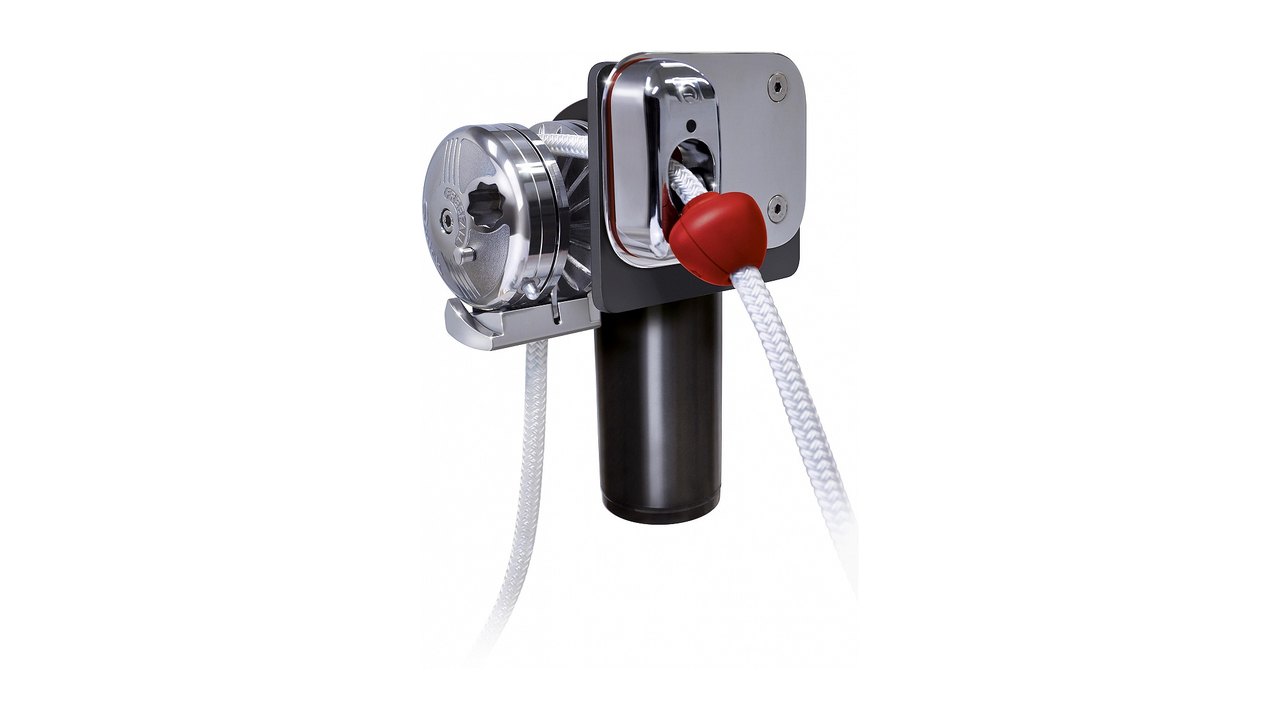
La prova finale richiede un fondale e condizioni che consentano di operare senza pressione. Si cala la linea, si verifica il controllo della discesa e si recupera mentre il timoniere porta lentamente la barca verso l’ancora. Il verricello solleva il calumo quasi verticale; non trascina lo scafo per tutta la distanza.
Si osservano accumulo nel gavone, passaggio della giunzione, ingresso dell’ancora sul musone e arresto finale. Un membro dell’equipaggio mantiene la visuale e comunica con il timoniere. Al termine si controllano temperatura, serraggi visibili e tracce d’acqua.
Provare l’emergenza a circuito isolato
Il manuale stabilisce se e come il modello consente rilascio o recupero manuale. Con alimentazione isolata si identifica l’attrezzo, si prova la frizione e si simula la procedura. Nessuno deve scoprire in rada che la manovella è della misura sbagliata o custodita sotto la catena.
Si prepara anche il piano per una catena bloccata o un’ancora incattivata: protezione delle persone, alleggerimento del carico, strumenti disponibili e possibilità di liberare l’estremità interna. La priorità è la sicurezza dell’equipaggio, non salvare ogni componente.
Consegnare una scheda che resti a bordo
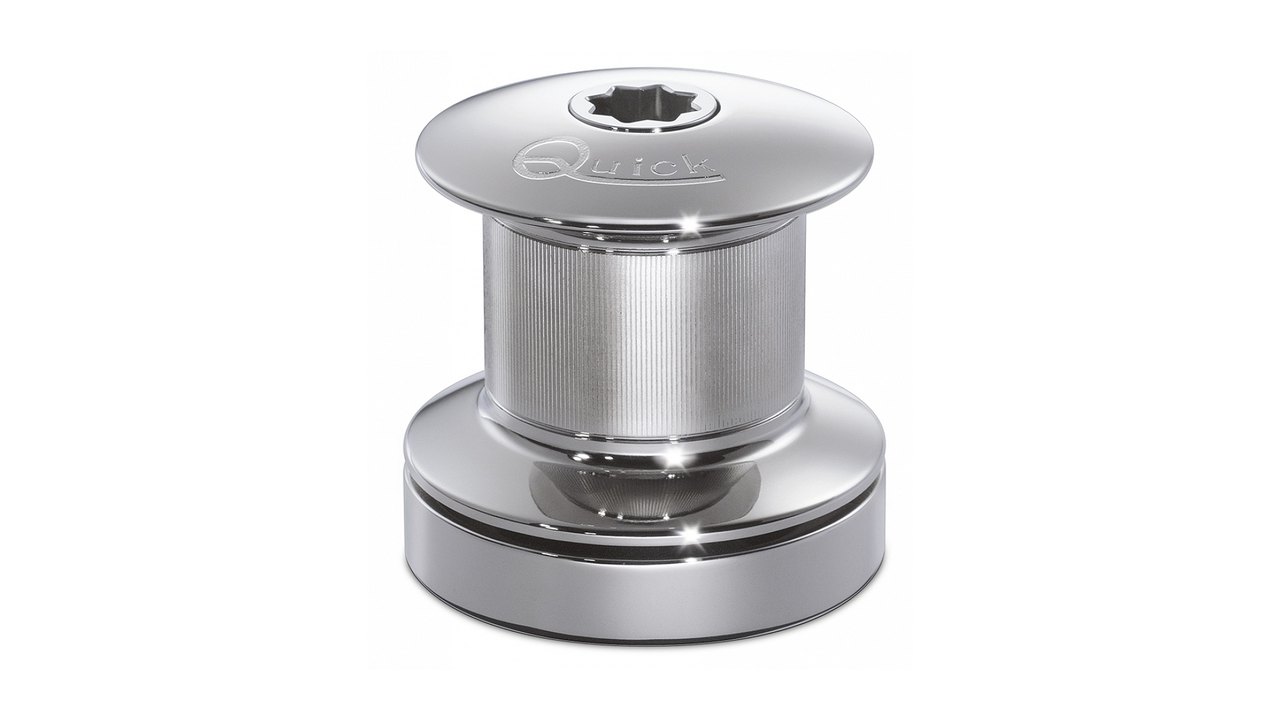
La consegna dovrebbe includere modello e matricola, specifica del barbotin, catena e cima compatibili, schema elettrico aggiornato, protezione, ubicazione del contattore, procedura di isolamento, manuale, attrezzi e piano di manutenzione. Si allegano fotografie finali e valori misurati durante il collaudo.
L’equipaggio esegue davanti al tecnico una salita, una discesa, l’alleggerimento sulla bitta o sullo stroppo e l’isolamento. Solo la ripetizione dimostra che il briefing è stato compreso. La firma chiude il lavoro, ma la capacità operativa chiude davvero il rischio.
La manutenzione in quattro intervalli
Dopo l’uso si risciacquano sale e sedimenti senza dirigere getti dove il produttore lo sconsiglia. Prima di ogni partenza si provano comandi e arresto, si libera il gavone e si controlla lo stroppo. A intervalli periodici si ispezionano barbotin, frizione, bulloneria, cavi, contattore e drenaggi. Secondo il manuale si eseguono lubrificazione e interventi programmati.
Ogni anomalia viene annotata con data e condizione. La storia di un rallentamento progressivo è molto più utile di una descrizione generica fatta mesi dopo. Qualsiasi surriscaldamento o infiltrazione richiede un controllo prima del successivo uso impegnativo.
Diagnosi rapida senza sostituire pezzi a caso
- Motore fermo: verificare isolamento, protezione, comando, contattore e alimentazione.
- Motore lento: misurare tensione sotto carico e controllare attriti e sovraccarico.
- Catena che salta: confermare compatibilità e usura di catena e barbotin.
- Catena che non cade: rivedere altezza libera, mucchio e percorso.
- Movimento della base: isolare e controllare struttura, bulloneria e supporto.
- Funzionamento intermittente: controllare comandi, contattore e connessioni.
La diagnosi procede dal sintomo alla misura. Cambiare il motore perché “sembra stanco” non corregge una connessione resistiva o una catena fuori specifica.
La verifica conclusiva prima di dichiararlo pronto
- Modello, tensione e barbotin sono documentati.
- Coperta e contropiastra non mostrano movimento o infiltrazioni.
- Catena e cima scorrono senza assistenza manuale.
- Drenaggio e caduta del gavone restano liberi.
- Cavi, protezione e contattore corrispondono al progetto.
- Tutti i comandi hanno direzione e arresto corretti.
- La prova sotto carico non produce calore o cadute anomale.
- Il recupero in acqua è stato completato con la barca in manovra.
- Emergenza, isolamento e alleggerimento sono stati provati.
- Manuale, schema, attrezzi e verbale sono a bordo.
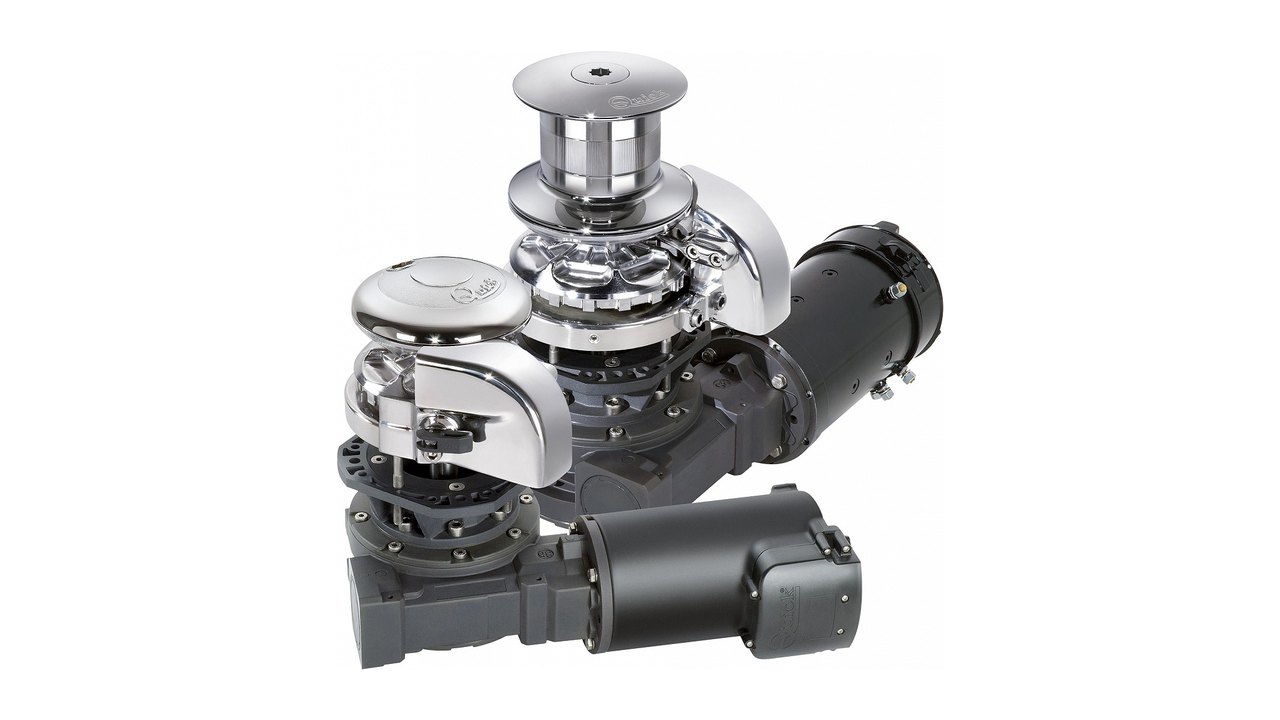
Se una voce non è verificata, l’impianto non è ancora consegnato. Il vantaggio della procedura è proprio questo: impedisce che una prova superficiale venga scambiata per affidabilità. Un salpa ancora performante nasce da molte verifiche semplici eseguite nell’ordine giusto.