
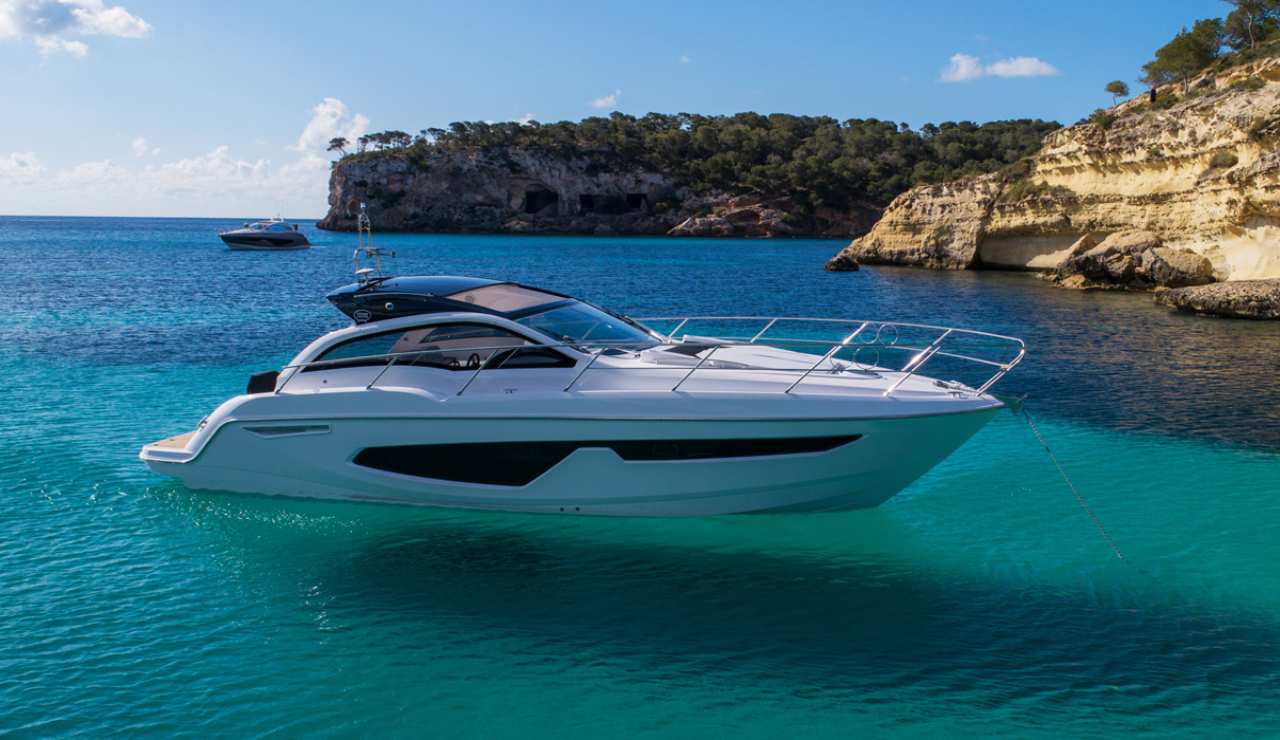
Nel segmento degli hardtop tra 37 e 40 piedi la concorrenza è spietata: in pochi metri bisogna far convivere prestazioni da sport-cruiser, ergonomia da dayboat, autonomia da weekend e finiture allineate alle aspettative del mercato premium. Il Sessa Marine C38 si colloca proprio in questo incrocio, con una ricetta chiara: carena planante, hardtop con ampia apertura, vetrature laterali maggiorate (l’effetto “veranda” richiamato dal cantiere) e un’impostazione di coperta costruita per la socialità senza rinunciare a una zona notte credibile, composta da due cabine e un bagno sovradimensionato per la categoria.
Questa analisi nasce con un obiettivo pratico: offrire una recensione completa — leggibile anche da chi non è un tecnico — ma fondata su dati concreti (quote principali, capacità impiantistiche, architettura di propulsione, numeri di prova in mare) e su una lettura “da perito”: cosa funziona davvero, dove il progetto è particolarmente riuscito e quali scelte di allestimento rendono il C38 più coerente con il profilo d’armatore a cui si rivolge.
Profilo del cantiere: Sessa Marine tra cultura del composito e “industrializzazione del lusso”
Origini nei materiali: quando la nautica nasce dalla chimica
Il DNA di Sessa Marine è diverso da molti cantieri nati “solo” in ambito nautico. La storia parte nel 1958, quando l’azienda è tra le prime in Italia a introdurre impianti per polveri fenoliche e resine poliesteri. La divisione nautica prende forma nel 1968 con la partecipazione al Salone di Genova e con la scelta di portare un approccio più industriale in un settore che, all’epoca, era ancora fortemente artigianale. È un dettaglio che oggi conta: in un 38 piedi di fascia medio-alta, la ripetibilità di processo (stampaggio, assemblaggio, cablaggi, impiantistica) è ciò che separa la “bella barca” dalla barca davvero affidabile nel tempo.
Da sperimentazioni (jet) a una gamma globale
Negli anni ’70 e ’80 Sessa amplia siti produttivi e know-how; in quegli anni arrivano anche sperimentazioni su piccole unità con soluzioni non convenzionali (storicamente viene citata la scelta di installare sistemi jet su unità entrobordo). Più avanti, con l’acquisizione di competenze legate a stampaggi di dimensioni importanti e con una progressiva internazionalizzazione, il marchio consolida un’immagine precisa: stile italiano supportato da una produzione di serie curata, un equilibrio spesso ricercato dal cliente che vuole design e comfort, ma non accetta compromessi su assistenza e qualità di assemblaggio.
La fase recente: governance e fabbriche in sinergia
Nel racconto ufficiale del brand, il 2023 segna un passaggio strategico: un gruppo di imprenditori (già proprietari della linea produttiva in Brasile) acquisisce il 100% delle azioni, avviando una nuova era con due poli produttivi in sinergia tra Italia e Brasile. Tradotto in chiave prodotto: capacità di presidiare volumi, tempi e mercati differenti, e un’impostazione più “globale” anche per modelli come il C38, che si rivolge tanto al Mediterraneo quanto a bacini dove il daycruising ad alte prestazioni è cultura consolidata.
Dimensioni e architettura navale: numeri essenziali e conseguenze progettuali
Quote principali: quando 30 cm contano più di quanto sembri
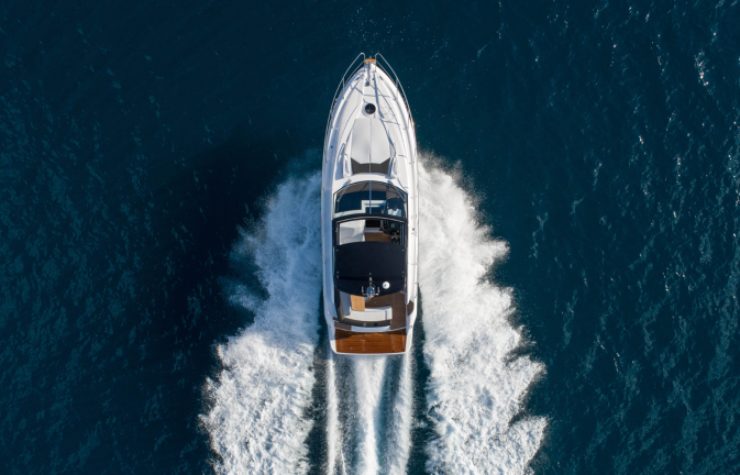
Il C38 dichiara lunghezza fuori tutto 11,83 m (lunghezza di omologazione 11,50 m), baglio massimo 3,75 m e pescaggio 0,96 m. Il peso con motori è indicato in 9,3 t, con categoria di progettazione B e una portata fino a 12 persone. Sono numeri che disegnano un profilo molto preciso: baglio generoso per la classe (utile per volumi e stabilità di forma), pescaggio contenuto per accesso a rade e marina turistici, e una massa che — se ben distribuita — aiuta la barca a “tagliare” l’onda e a dare sensazione di solidità alle andature medio-alte.
Carena planante: efficienza e comfort non sono nemici, se lavori sul bilanciamento
Il C38 nasce come monocarena planante in vetroresina (GRP). In termini ingegneristici, su un 38 piedi la partita si gioca su tre variabili: angolo di deadrise (quanto “V” hai a poppa), posizione del baricentro longitudinale e superfici di controllo (trim, flap, eventuali logiche integrate con il controllo motori). Qui Sessa affida buona parte della “regia” a un pacchetto coerente: trasmissioni sterndrive, flaps elettroidraulici e controllo integrato dei motori via sistema Volvo EVC. Lo scopo non è solo fare velocità, ma rendere replicabile l’assetto corretto per carichi diversi (equipaggio, carburante, tender in plancetta) e per stati di mare variabili.
Categoria B: cosa significa davvero per l’armatore
La categoria B (Offshore) non è un “bollino marketing”: indica un livello di progetto pensato per affrontare condizioni più impegnative rispetto alla categoria C. Per l’armatore mediterraneo, significa poter pianificare trasferimenti e rotte costiere anche con meteo meno perfetto, a patto di mantenere la regola d’oro: la sicurezza in mare dipende dal progetto, ma anche (e soprattutto) da assetto, carichi, manutenzione e decisioni operative.
Materiali e costruzione: GRP, vetrature e finiture pensate per durare
Scafo e sovrastruttura in GRP: il valore sta nei dettagli invisibili
Il C38 è costruito in vetroresina (GRP) per scafo e sovrastruttura. In sé non è una notizia — quasi tutti in questa fascia usano composito — ma conta come lo usi: rigidità globale, assenza di scricchiolii, gestione delle vibrazioni e qualità delle aree “stressate” (zona specchio di poppa, appoggi degli sterndrive, passaggi impiantistici). Il pregio di un’impostazione industriale è che, a parità di progetto, riduce la variabilità: cablaggi fissati e etichettati, tubazioni ordinate, accessi ragionati. È un aspetto che emerge anche da osservazioni indipendenti sull’organizzazione della sala macchine e sulla facilità di ispezione dei componenti.
Coperta: cristalli, hardtop e ferramenta come elementi “funzionali”
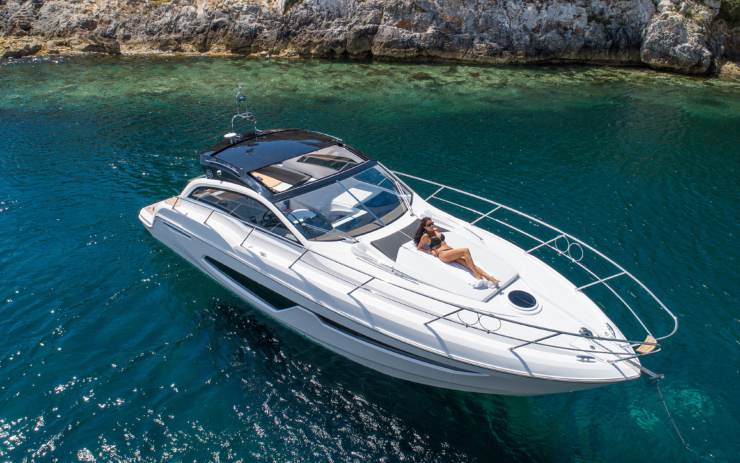
La coperta non è solo estetica. Il parabrezza e i laterali in cristallo, l’hardtop con parte mobile e movimentazione elettrica, le luci di cortesia, il teak su plancetta e gavoni, il tientibene e le bitte in inox: sono componenti che incidono su sicurezza, manutenzione e fruibilità quotidiana. Nel C38 molte scelte vanno lette in chiave “weekend boat”: sali a bordo, apri l’hardtop, vivi il pozzetto come salotto marino, e hai tutto a portata senza trasformare la barca in un cantiere di accessori post-vendita.
Interni: essenze, superfici e resistenza all’ambiente marino
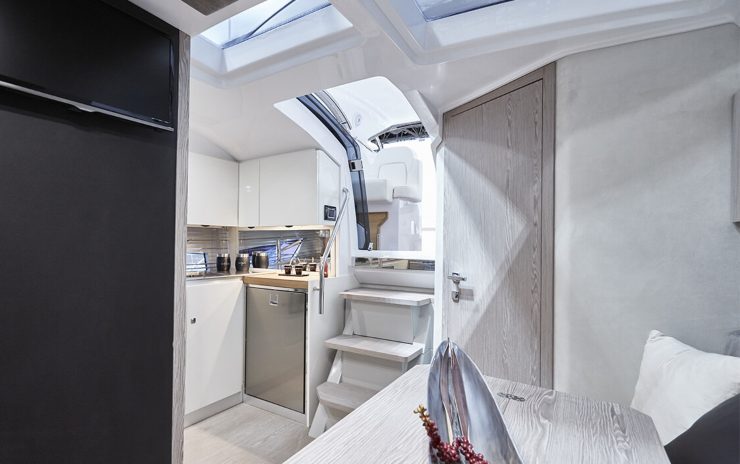
Nel listino dotazioni e nelle configurazioni più frequenti compaiono finiture come pavimenti in noce in dinette/cabine e dettagli di arredo orientati a un look contemporaneo ma caldo. Più importante dell’essenza scelta è il trattamento: in mare, l’interno “premium” è quello che non si segna con facilità, non si gonfia con l’umidità, non vibra e non “suona vuoto” quando la barca lavora. La percezione di qualità nasce da giunzioni, guarnizioni, cornici, e soprattutto dall’assenza di punti dove condensa e salsedine possono fare danni nel tempo.
Motorizzazioni, propulsione e trasmissione: il cuore tecnico del C38
Le opzioni di potenza: diesel razionale, benzina prestazionale
Il cantiere indica una motorizzazione massima 700 HP. In una delle configurazioni più rappresentative, troviamo la coppia 2× Volvo Penta D4-300 (circa 300 HP ciascuno) con trasmissione sterndrive; in prove e schede viene esplicitato l’abbinamento con DPH Duoprop. In alcune fonti di mercato compaiono anche alternative come 2× Volvo Penta D4-260 e una proposta benzina Volvo Penta V8 in fascia superiore di potenza, pensata per chi privilegia accelerazione e sound rispetto ai consumi tipici del diesel. La logica è chiara: due filosofie per due armatori diversi, mantenendo il medesimo scafo e la medesima architettura di coperta.
Sterndrive: vantaggi reali e cosa richiedono in cambio
La scelta sterndrive su un 38 piedi ha pro e contro. Tra i pro: efficienza alle andature medio-alte, facilità di variazione assetto tramite trim, e la possibilità di ottenere buone velocità di punta con potenze non estreme. Tra i contro: maggiore attenzione a manutenzione di cuffie/soffietti, anodi e componenti esposti, e una sensibilità più marcata all’assetto quando il carico cambia. Nel C38 questa sensibilità viene “domata” da un insieme di strumenti: trim motori, flaps e — nelle configurazioni più complete — joystick docking e bow thruster.
Controllo digitale: Volvo EVC, dialogo serbatoi e manovra
La parte spesso sottovalutata è l’integrazione. Nel C38 sono indicati elementi come doppia sonda carburante dialogante con sistema Volvo EVC, oltre alla presenza di comandi elettronici. Questo approccio porta un vantaggio concreto: quando la barca è pensata per essere usata davvero (non solo posseduta), l’armatore vuole prevedibilità. Prevedibilità dei consumi, dello stato dei serbatoi, delle ore motore, dei messaggi di diagnostica, e soprattutto della manovra in spazi stretti. Il joystick, dove installato, diventa un “moltiplicatore di serenità”: riduce stress, riduce errori, rende la barca più fruibile anche con equipaggio ridotto.
Prestazioni, velocità e consumi: numeri e interpretazione da “uso reale”
Velocità massima: il dato di progetto e la sensazione in mare
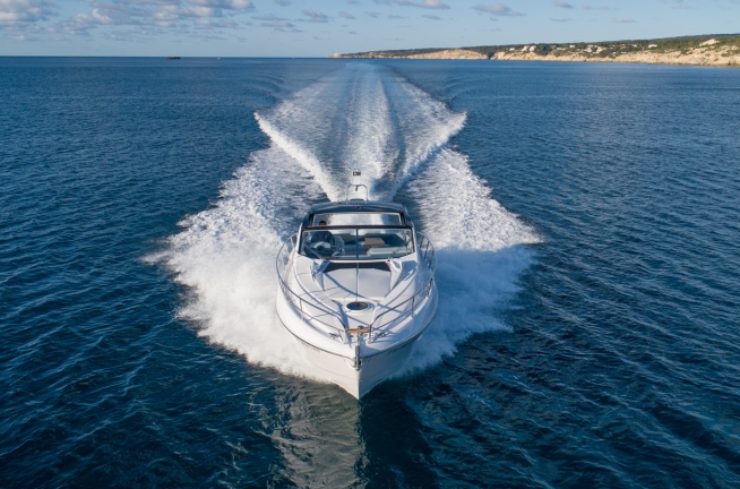
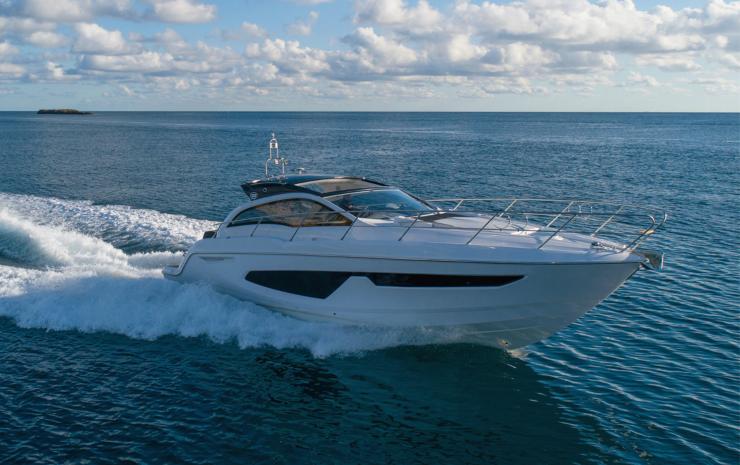
Con 2× D4-300 il cantiere dichiara una velocità massima di 36 nodi. In una prova in mare, la barca arriva a circa 35,7 nodi a 3400 rpm, con una sensazione descritta come solida e stabile anche quando la si “butta” in virate strette. Questo è un punto importante: la velocità massima è un numero, ma la qualità del progetto emerge quando la barca non si scompone nelle manovre dinamiche, perché è lì che carena, rigidità e distribuzione pesi mostrano la loro vera firma.
Crociera: la fascia intelligente del progetto
Il regime di crociera “utile” non coincide sempre con la velocità più alta possibile. In prova, a 2600 rpm vengono indicati 24 nodi con un consumo complessivo di circa 62 l/h. È un valore interessante perché posiziona il C38 in una zona dove si copre molta distanza senza trasformare ogni uscita in un pieno. A 2800 rpm si sale a 28,5 nodi con consumi più elevati (circa 72 l/h), mentre oltre i 3000 rpm la curva diventa più “sportiva” e l’incremento di velocità va pagato con litri/ora crescenti. In sintesi: il C38 dà il meglio tra 22 e 28 nodi, dove comfort, controllo e costi d’esercizio si bilanciano con coerenza.
Autonomia: perché i litri contano meno delle scelte di rotta
La barca dichiara serbatoi carburante 2×445 l (totale 890 l) e acqua 286 l. L’autonomia non si legge solo da questi numeri: dipende dalla tua andatura media, dal mare, dal carico e dall’assetto. Una fonte indipendente indica una safe cruising range nell’ordine delle 300 miglia per un impiego turistico razionale; un’altra riporta un valore massimo teorico fino a circa 600 nm a 7 nodi, ovvero in dislocamento/andatura molto economica. La lettura corretta è questa: il C38 è pensato per weekend e mini-crociera con tappe sensate; se vuoi autonomia “da trawler”, stai chiedendo alla barca un mestiere diverso.
Sistemi di bordo: elettronica, domotica “realistica” e impianti ben dimensionati
Elettrico: semplicità robusta e predisposizioni sensate
La dotazione impiantistica standard descrive un impianto 12V con presa banchina 230V, caricabatterie automatico, pacco batterie (motori/servizi) e staccabatterie. È un’impostazione coerente con l’uso tipico: marina, rada, trasferimenti brevi. Il punto vero sta negli optional “giusti”: generatore, inverter e aria condizionata sono spesso ciò che trasforma un 38 piedi da dayboat “lunga” a cruiser da più giorni. Non a caso, in una prova viene sottolineato che la barca può risultare ancora più completa proprio con queste aggiunte, in base al profilo d’uso.
Idraulico e acqua: capacità e praticità
La presenza di un serbatoio acqua da 286 l, autoclave con filtro, boiler (anche con scambio motore) e pompe di sentina automatiche/manuali è il minimo sindacale per vivere bene. L’impianto acque nere prevede serbatoio 110 l con possibilità di svuotamento da banchina: dettaglio non banale, perché un cruiser di questa fascia viene spesso usato in porti dove il rispetto delle procedure è imprescindibile.
Sicurezza: antincendio, intercettazioni e accessibilità
La sicurezza su un motoryacht compatto è fatta di scelte pratiche: valvole di intercettazione, filtri acqua/carburante raggiungibili, impianto antincendio con attivazione manuale/automatica, e una sala macchine che non sia un “pozzo” impossibile da ispezionare. In una valutazione indipendente, viene evidenziata proprio la pulizia e l’ordine dell’engine room, con componenti stivati e accessibili: è il genere di qualità che non fa scena in banchina, ma fa la differenza dopo tre stagioni.
Design e architettura degli spazi: l’effetto “veranda” e la doppia cucina come firma di progetto
Finestrature laterali: più luce, ma anche più percezione di volume
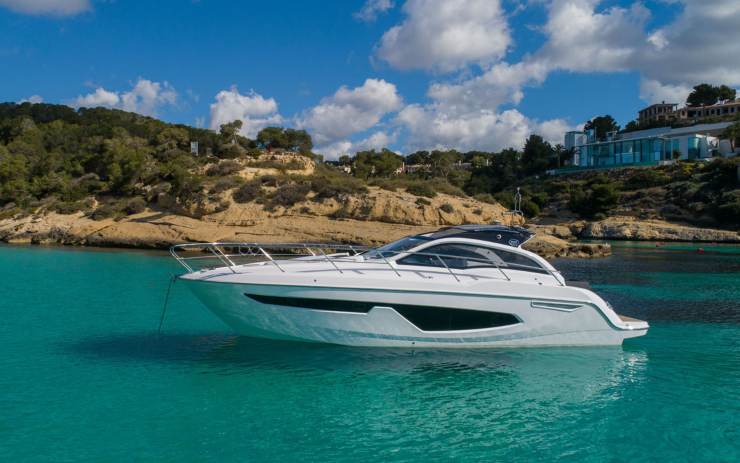
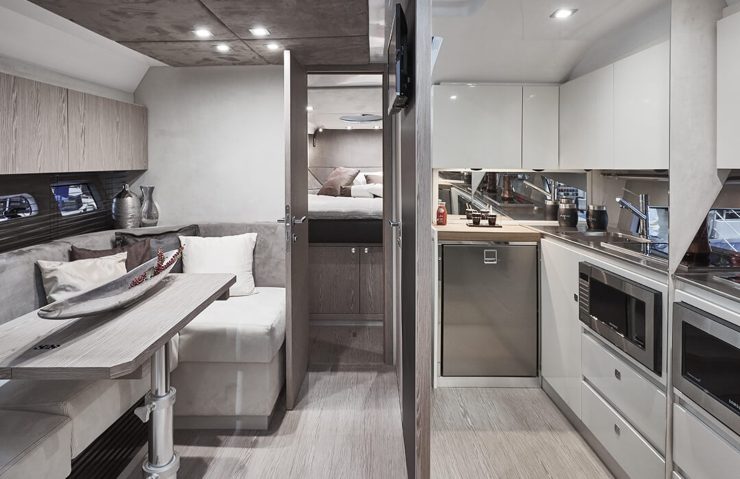
Il C38 viene raccontato come un’icona di comfort anche grazie alle ampie finestrature laterali: la luce trasforma gli interni, fa percepire volumi superiori alla lunghezza reale e riduce la sensazione di “cabina chiusa”. Dal punto di vista tecnico, vetrature grandi richiedono un buon controllo di irrigidimenti e cornici, perché la sovrastruttura deve rimanere rigida e silenziosa. Se il risultato è corretto, il beneficio è immediato: la barca sembra più grande, più ariosa, più “casa sul mare”.
Pozzetto: socialità guidata dall’ergonomia
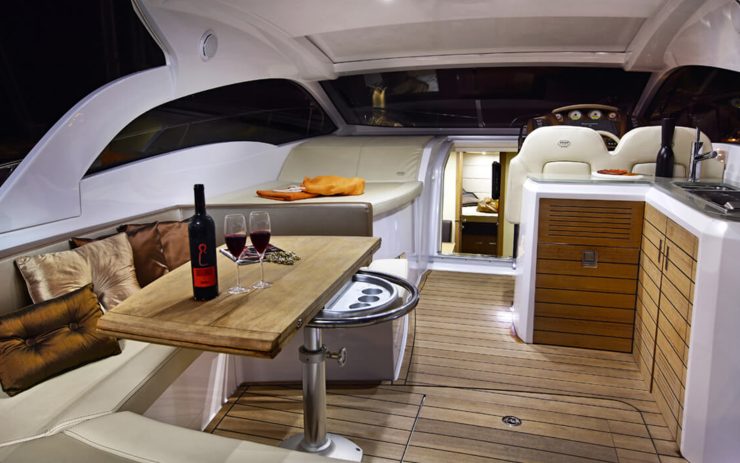
La lista dotazioni descrive un pozzetto pensato come living: ampio divano, chaise longue, tavolo telescopico con top raddoppiabile, cuscinerie anti-UV e resistenti all’acqua, luci LED su hardtop e accessi razionali allo stivaggio. Il mobile pozzetto con lavello inox e top dedicato, unito alla cucina interna, è la ragione per cui Sessa parla di due cucine: una per la vita “da crociera”, l’altra per la vita “da giornata”, quando il pozzetto è il centro della barca e nessuno vuole scendere sotto coperta con costume bagnato e salsedine addosso.
Sottocoperta: due cabine e un bagno “da categoria superiore”
La zona notte è progettata per essere usata davvero. La cabina di prua è un matrimoniale con accesso diretto al bagno; la cabina di poppa nasce come doppia (letti singoli) ma è convertibile in matrimoniale, soluzione tipica dei cruiser moderni perché consente di adattare l’unità a coppie, famiglie o amici. Il bagno si distingue per dimensioni e impostazione: doccia, carabottino in teak e doppio accesso (dinette/prua) rendono la gestione più simile a barche più grandi, con un salto netto rispetto a molte concorrenti dove il locale toilette è “solo” funzionale.
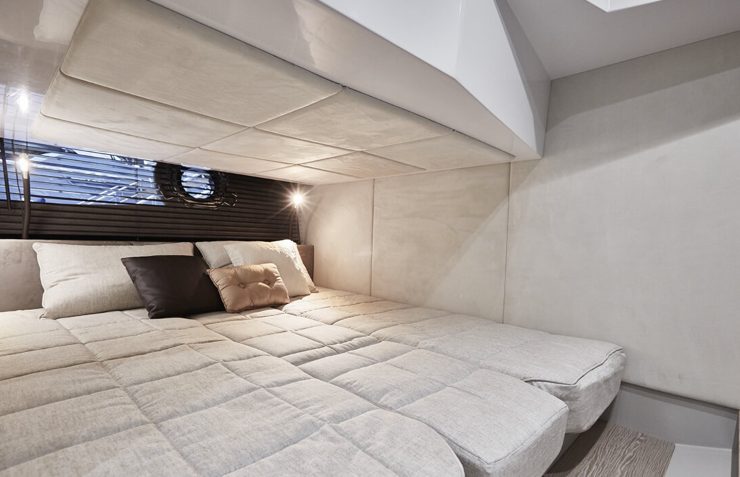
Vita a bordo, comfort e layout: come si comporta il C38 quando smette di essere “oggetto” e diventa “casa mobile”
Posto di comando: visibilità, postura e controllo
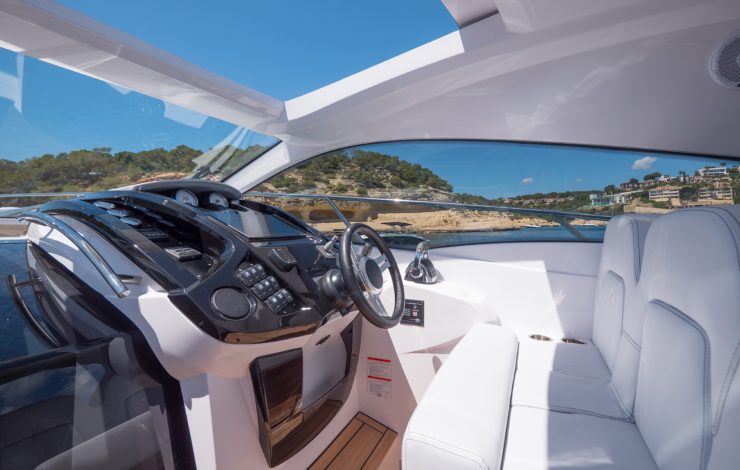
Una delle qualità più apprezzate nelle prove è la posizione di guida: buona visibilità, seduta confortevole e la possibilità di guidare in piedi grazie a una pedana dedicata (molto “med style”: sole, hardtop aperto, vento in faccia). Sono dettagli che cambiano l’esperienza, perché la barca si guida meglio quando l’operatore è comodo, vede bene e non combatte con riflessi e punti ciechi. Anche la plancia, con finiture studiate per ridurre abbagliamento, rientra nella logica del prodotto: sportività sì, ma senza stress.
Rumore e vibrazioni: il “comfort invisibile”
In navigazione, viene segnalato un livello di rumorosità contenuto al punto da permettere conversazioni normali al timone. È un indicatore indiretto ma molto utile: se motori e trasmissioni sono ben installati e se la struttura è sufficientemente rigida, la barca non “stanca” l’equipaggio. Su un cruiser da weekend questo è fondamentale: la differenza tra una barca che si usa ogni domenica e una che rimane in banchina spesso è proprio la fatica percepita a bordo.
Stivaggio e praticità: la barca che non ti obbliga a scegliere cosa lasciare a casa
Il C38 lavora molto su gavoni e volumi: stivaggi in dinette, sotto le sedute, e spazi tecnici accessibili. È un aspetto che si nota soprattutto in crociera: la barca resta ordinata, e l’equipaggio non vive con borse sempre in mezzo. In un 38 piedi la vera “lusso” è questo: spazio gestibile, non solo spazio “dichiarato”.
Layout
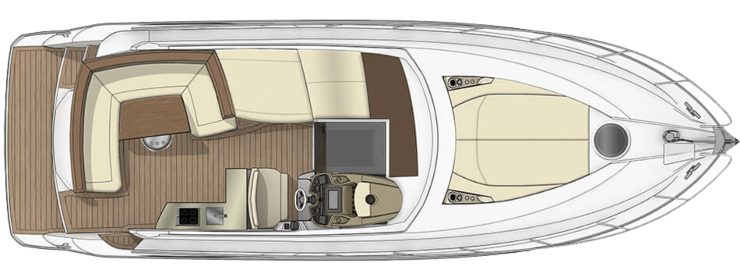
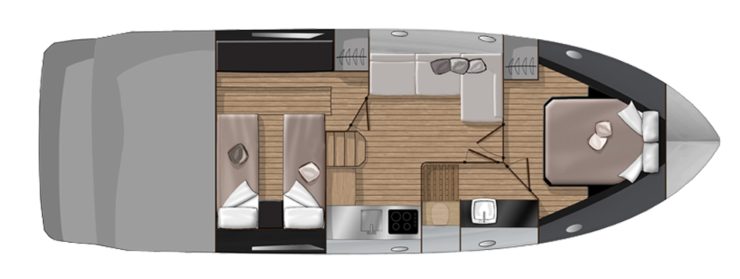
Innovazione e ricerca: dove si vede la modernità (e dove è giusto essere realistici)
Efficienza: soluzioni concrete più che slogan
Quando si parla di riduzione consumi ed emissioni, su un 38 piedi diesel la via più efficace è quasi sempre la stessa: carena corretta, assetto facile da ottenere, fascia di crociera efficiente. Il C38 punta su questo: permette di navigare veloce, ma invita a usare la barca nella “zona intelligente” (circa 24–28 nodi) dove il rapporto miglia/litro resta accettabile per la categoria. In futuro il segmento vedrà più ibrido e più elettrico, ma oggi — per peso, costi e infrastrutture — la vera innovazione è rendere la barca prevedibile e ottimizzabile da un armatore normale.
Sicurezza e controllo: manovre facili, navigazione più serena
Joystick docking, bow thruster, controllo elettronico motori, flaps: non sono “gadget”, sono strumenti che abbassano la soglia di stress e aumentano la probabilità che la barca venga usata. È un punto cruciale anche in ottica charter premium: una barca facile da manovrare e da gestire è una barca che genera meno incidenti minori, meno usura e più soddisfazione del cliente finale.
Scheda tecnica sintetica (dati principali)
- Lunghezza fuori tutto: 11,83 m (omologazione 11,50 m)
- Larghezza: 3,75 m
- Pescaggio: 0,96 m
- Peso con motori: 9,3 t
- Categoria di progettazione: B
- Cabine / posti letto: 2 cabine / 4+1 posti letto
- Persone trasportabili: 12
- Serbatoi carburante: 2×445 l (totale 890 l)
- Serbatoio acqua: 286 l
- Serbatoio acque nere: 110 l
- Trasmissione: Sterndrive
- Motorizzazione tipica: 2× Volvo Penta D4-300
- Velocità massima dichiarata: 36 kn (con 2× D4-300)
Mercato e concorrenza: dove si colloca il C38 e contro chi gioca davvero
Segmento e posizionamento: premium accessibile, se lo configuri bene
Il C38 si posiziona nel cuore del mercato “hardtop weekender” premium: abbastanza grande da offrire due cabine e un bagno serio, abbastanza compatto da rimanere gestibile con equipaggio ridotto e costi d’ormeggio ancora ragionevoli. Un riferimento di prezzo “base” viene indicato in alcune schede generaliste, ma va interpretato con cautela: su questa taglia, la differenza tra una barca essenziale e una “pronta per la crociera vera” (generatore, clima, elettronica avanzata, pacchetti comfort) può essere ampia. La lettura corretta è che il C38 è competitivo quando lo si valuta a parità di dotazioni, perché offre un layout forte (luci, volumi, doppia cucina) senza obbligare a salire di taglia per ottenere abitabilità.
Competitor diretti: la lista “sensata”
Nel confronto con rivali contemporanei, il C38 viene spesso affiancato a modelli come Fairline Targa 40, Jeanneau DB/37, Bavaria SR35 HT e Regal 36 Grande Coupé; in chiave più “dayboat americana”, può entrare in radar anche Sea Ray SLX 400. La differenza non è solo nel nome: è nella filosofia. Dove alcuni competitor puntano su layout più “open” e linee tese, Sessa lavora su un’identità precisa: hardtop protettivo + veranda di luce + interni caldi + praticità mediterranea (cucina in pozzetto, prendisole, accessi diretti). In altre parole: non è la barca che vuole imitare tutti; è la barca che vuole essere riconosciuta a colpo d’occhio.
Clientela target: a chi è “giusta” questa barca
Armatore privato: coppia o famiglia che vuole weekend veloci, trasferimenti rapidi e comfort di bordo senza salire su un 45 piedi. Charter di lusso: profilo day-charter o weekend charter, dove l’impatto estetico (finestrature, pozzetto, hardtop) e la maneggevolezza (joystick) contano quanto le prestazioni. Società di rappresentanza: unità ideale per ospitalità aziendale, perché la coperta è un salotto e l’immagine del brand è immediatamente “Made in Italy”.
Immagini extra
Risultati, riconoscimenti e percezione del modello
Il C38 viene presentato come un’icona della gamma e il brand ricorda che la linea ha ottenuto un riconoscimento di “barca dell’anno” in Inghilterra nel 2010. Al di là del titolo specifico, ciò che conta è la coerenza: il C38 continua a essere raccontato come un prodotto capace di unire stile e comfort con prestazioni credibili, e le prove in mare disponibili ne supportano il posizionamento come sport-cruiser solido e ben guidabile.
Prospettive future: cosa racconta il C38 sulla direzione del cantiere (e del settore)
Nel mercato attuale, il futuro del 38–40 piedi è segnato da tre traiettorie: più integrazione digitale (controlli, monitoraggio, manutenzione predittiva), più comfort “a consumo ridotto” (clima efficiente, gestione energia), e — quando le condizioni lo permetteranno — elettrificazione progressiva. Il C38, pur restando un progetto coerente con la propulsione tradizionale, anticipa già due di queste strade: integrazione (EVC/joystick) e comfort strutturale (luce, volumi, vivibilità reale). È una barca che non promette rivoluzioni impossibili: promette una cosa più utile, cioè un’esperienza di mare moderna costruita con scelte concrete.
Video
Conclusioni: i veri punti di forza
Se dovessimo sintetizzare il Sessa Marine C38 con una frase tecnica ma onesta, sarebbe questa: è un hardtop planante che massimizza la vivibilità percepita senza rinunciare alla qualità di guida. I suoi punti forti emergono dove il progetto è più coerente: la luce e l’effetto “veranda”, il pozzetto come living, la doppia cucina come scelta d’uso (non di stile), e una motorizzazione diesel che porta la barca in una fascia di crociera intelligente, con consumi ancora gestibili per la categoria.