
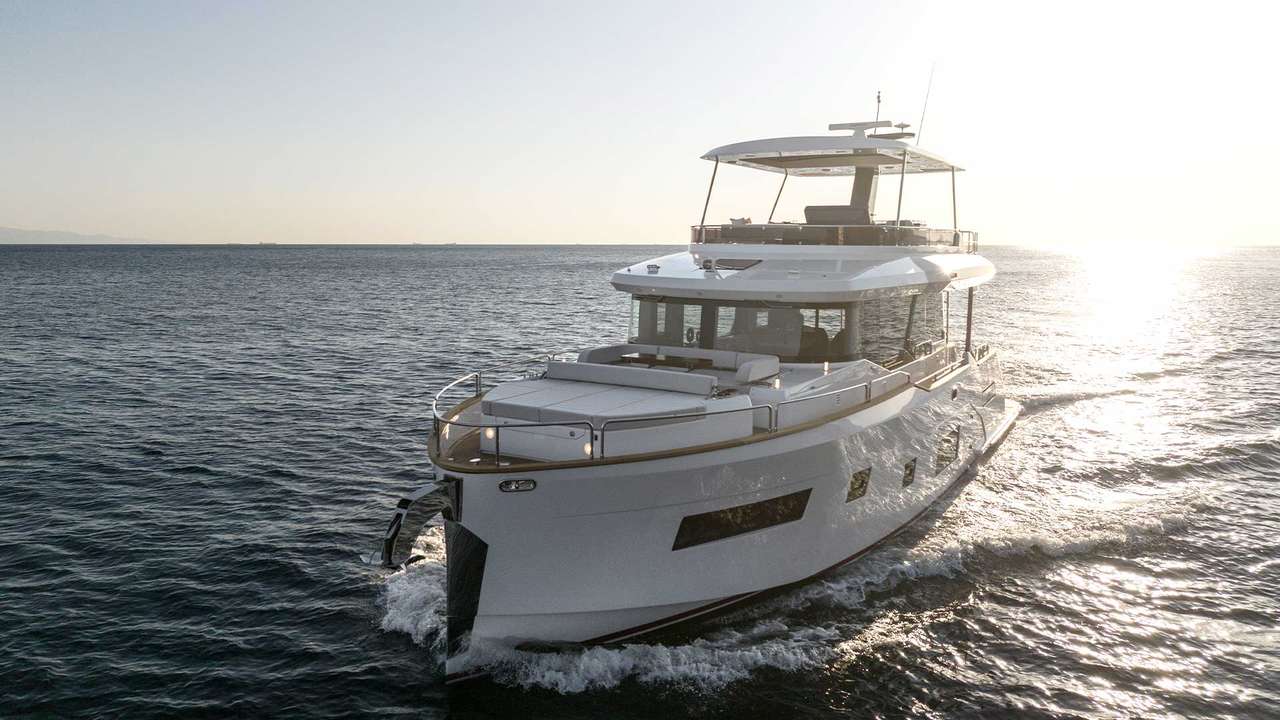
Il Sirena 60 porta una logica semi-dislocante in 19,45 metri, con due livelli di propulsione Volvo, V-drive, 3.600 litri di gasolio e autonomia dichiarata di 800 miglia a 10 nodi. La configurazione cambia sensibilmente fra D11 da 670 hp e D13 da 900 hp, soprattutto per massa, velocità e bilancio termico.
Questa guida non è una prova in mare. Organizza dati ufficiali e verifiche da inserire in ordine, collaudo e consegna. L’obiettivo è scegliere motori, layout, energia e accessori in funzione di persone, rada, porti e miglia, senza attribuire all’esemplare risultati non misurati.
Dati della configurazione
| Voce | Dichiarato | Controllo |
|---|---|---|
| Lunghezza / scafo | 19,45 / 17,18 m | Ingombro reale |
| Baglio / pescaggio | 5,36 / 1,24 m | Ormeggio e carico |
| Pieno carico | 35,1 t D11 / 35,9 t D13 | Optional inclusi |
| Motori | 2 × D11 670 hp | Missione economica |
| Opzione | 2 × D13 900 hp | Prestazioni e calore |
| Carburante / acqua | 3.600 / 800 l | Utilizzabile e riserva |
| Autonomia | 800 nm a 10 kn | Condizioni dichiarate |
D11 o D13
I D11 promettono una configurazione più leggera; i D13 aggiungono 230 hp per lato e circa 800 kg alla massa dichiarata a pieno carico. La scelta deve considerare carico tipico, mare, velocità abituale, assistenza e costo totale.
Il collaudo costruisce curve di giri, velocità, consumo, carico e temperature. I 23,5 nodi dichiarati con D11 e 25,8 con D13 sono riferimenti di progetto, non risultati automatici.
V-drive e accessibilità
Motori, ZF 325 IV, V-drive, assi, eliche, raffreddamento e scarichi formano la catena propulsiva. Matricole, rapporti ed eliche devono coincidere con il fascicolo.
Filtri, giranti, cinghie e valvole devono essere raggiungibili. Dopo la prova si controllano allineamenti, oli, supporti e trafilamenti.
Carena e 800 miglia
La carena Frers lavora fra regime dislocante e veloce. Le 800 miglia a 10 nodi devono essere lette con condizioni, carico e riserva dichiarati dal costruttore.
Il verbale registra mare, vento, temperatura e livelli dei serbatoi. Solo consumi misurati permettono di pianificare una rotta dell’esemplare.
Tremilaseicento litri
Capacità nominale e utilizzabile non coincidono. Fondo, riserva e generatore riducono il carburante disponibile. Sfiati, ritorni, valvole e filtri vengono mappati.
Gli indicatori si calibrano a più livelli. Rifornimenti misurati costruiscono una curva e aiutano a identificare differenze fra lettura e quantità reale.
Configurazione di coperta
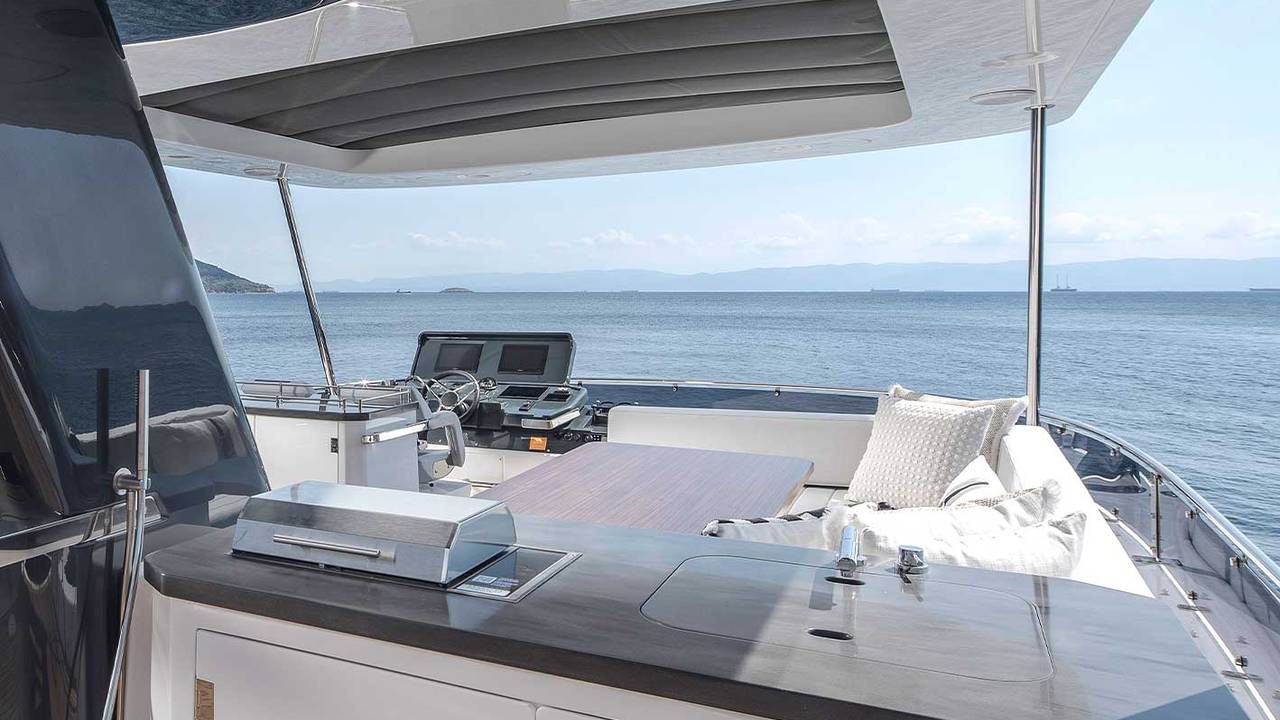
Prua, passavanti, poppa e flybridge hanno configurazioni distinte per rada e navigazione. Tavoli, cuscini e coperture richiedono ritenute e stivaggi.
Drenaggi, superfici antisdrucciolo, battagliole e tientibene si provano bagnati. La visuale dalla plancia viene verificata con persone e tendalini presenti.
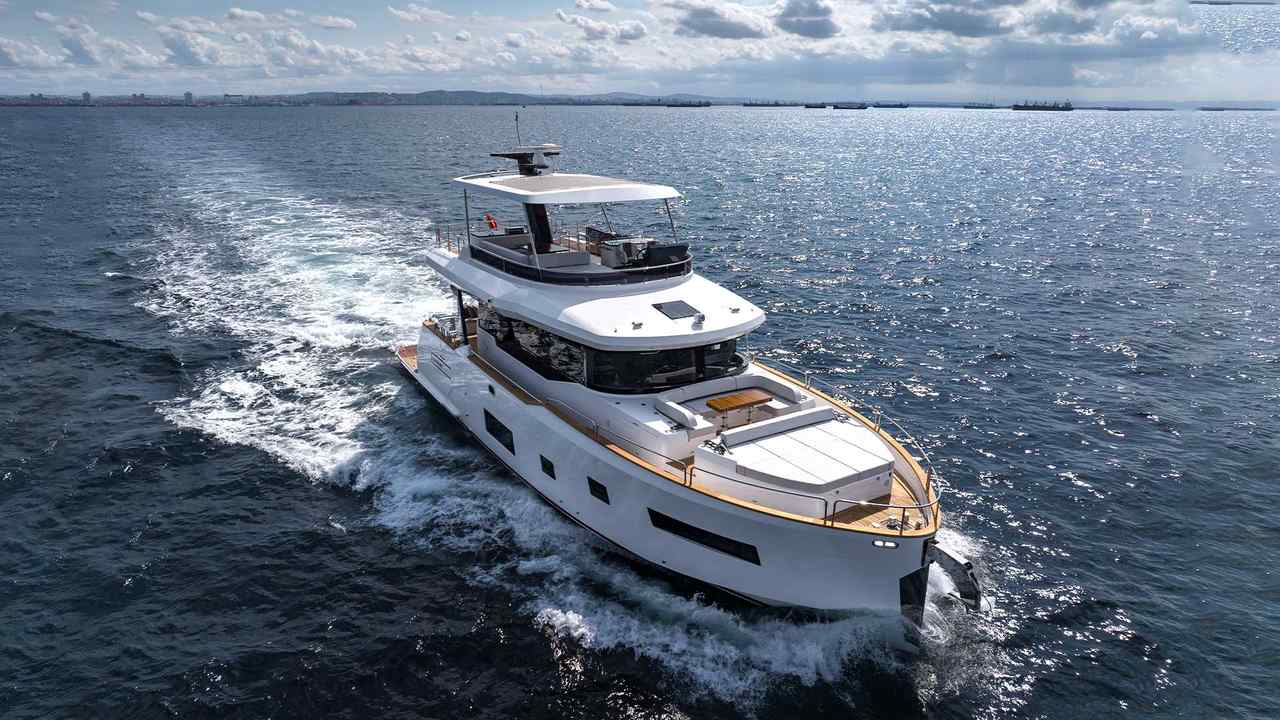
Profilo semi-dislocante
Il volume alto deve essere bilanciato da una distribuzione dei pesi credibile. Tender, batterie, stabilizzazione e accessori entrano nella distinta con massa e posizione.
Immersioni e assetto vengono rilevati a diversi livelli dei serbatoi. Correttori non devono mascherare uno sbilanciamento statico.
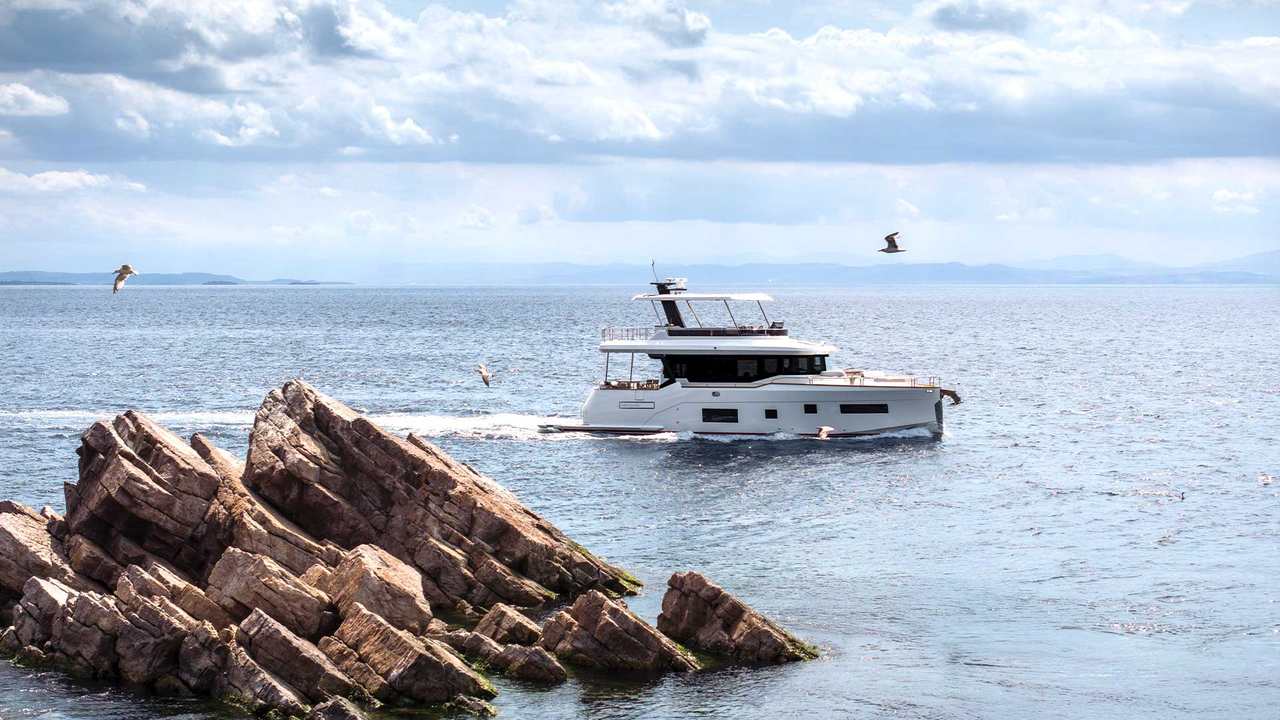
Poppa e accesso al mare
Ormeggio, piattaforma, passaggio e stivaggio convergono a poppa. Le cime devono poter essere gestite anche con arredi in uso.
Attuatori, scalette, drenaggi e comandi manuali vengono provati per cicli. Il tender deve rispettare portata e geometria della configurazione.
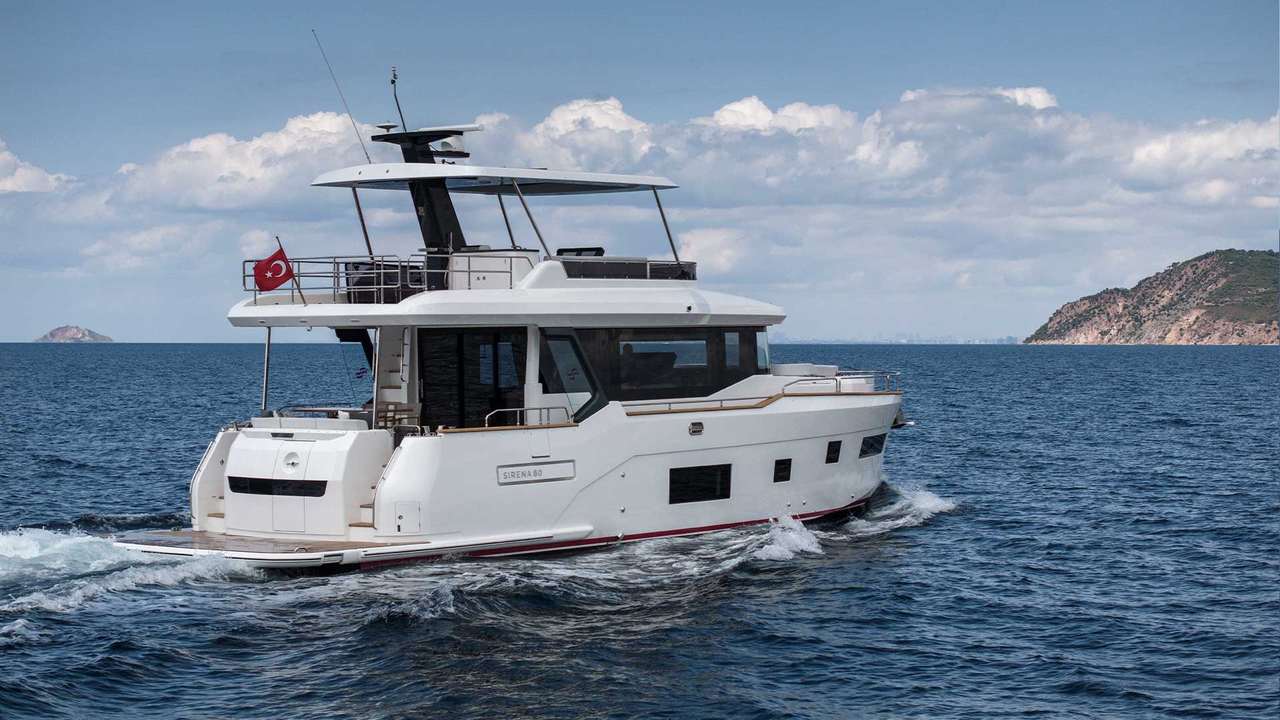
Flybridge
Il flybridge aggiunge plancia, sedute e ombra nella zona più alta. Massa e presa al vento devono comparire nel piano di carico.
Si verificano visibilità, trasferimento dei comandi, fermi, drenaggi e procedure con un display o una postazione indisponibili.
Salone e cucina
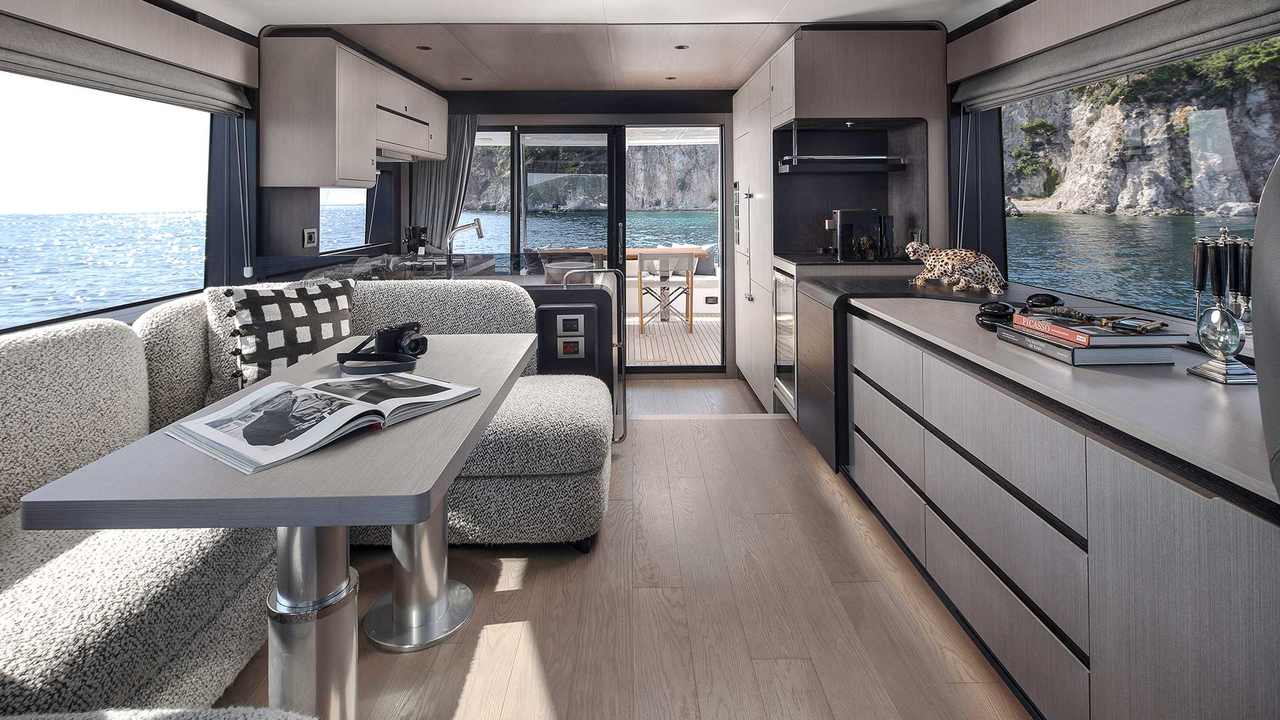
Il ponte principale collega cucina, pranzo e poppa. Clima, refrigerazione e cottura vengono provati insieme con persone e sole.
Temperatura, umidità, assorbimento e rumore sono registrati. Cassetti e apparecchi hanno fermi e non bloccano vie di fuga.
Plancia e reti
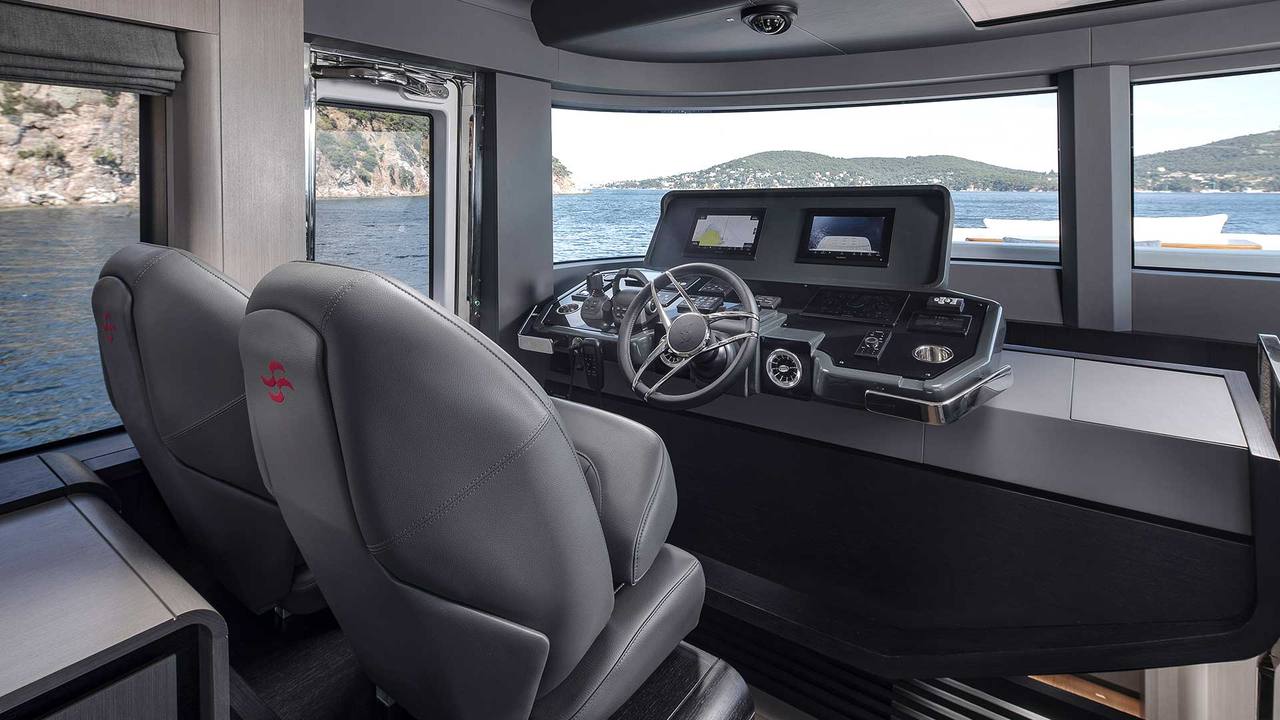
Display multipli possono condividere sensori e alimentazioni. Una mappa distingue GNSS, radar, AIS, autopilota, VHF, allarmi e dati motore.
Si simula la perdita di un display e di una sorgente. Configurazioni, versioni e password vengono consegnate all’armatore.
Cucina e bilancio elettrico
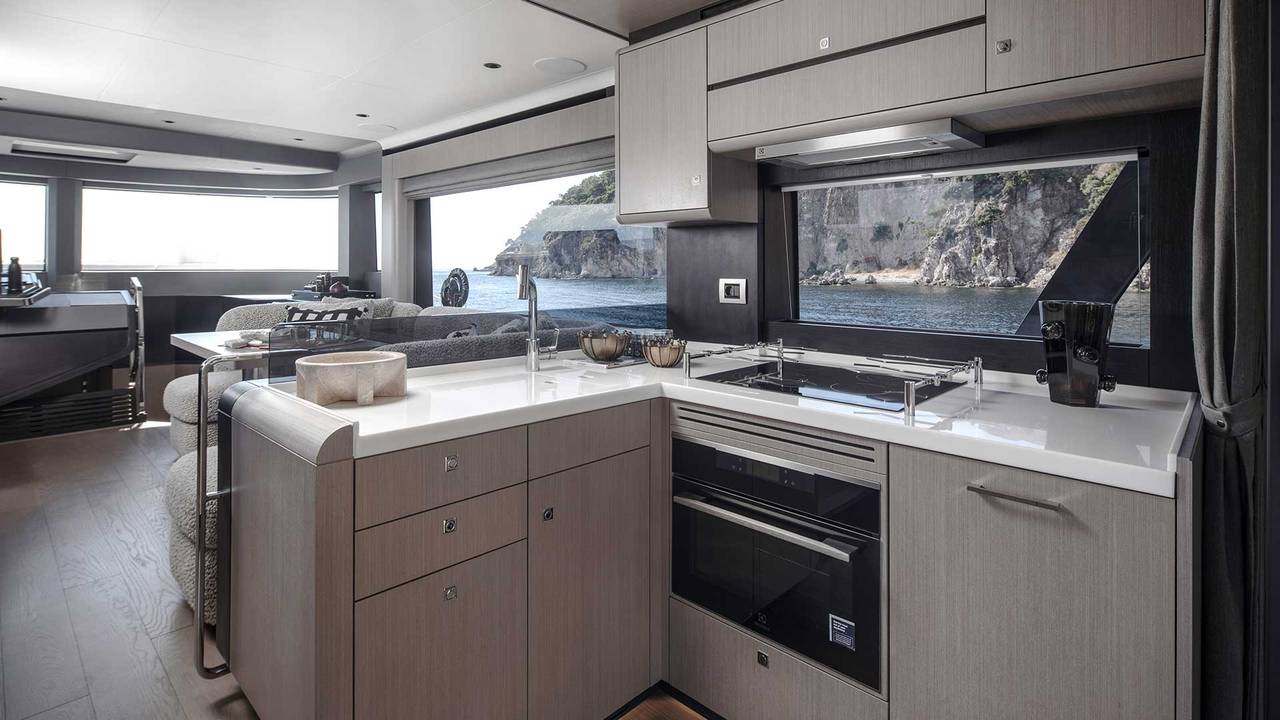
Piastre, forno, frigoriferi, aspirazione e lavello aggiungono energia, calore, acqua e scarichi. Si provano contemporaneamente.
Ogni apparecchio deve poter essere isolato. Ventilazione e drenaggi restano accessibili senza smontare arredi permanenti.
Sei posti letto più equipaggio
Tre cabine e un posto equipaggio richiedono un bilancio realistico di aria, acqua, scarichi e biancheria. Letti e bagagli non devono bloccare vie di fuga.
Il layout contrattuale deve coincidere con porte, armadi, bagni e pannelli tecnici dell’esemplare.
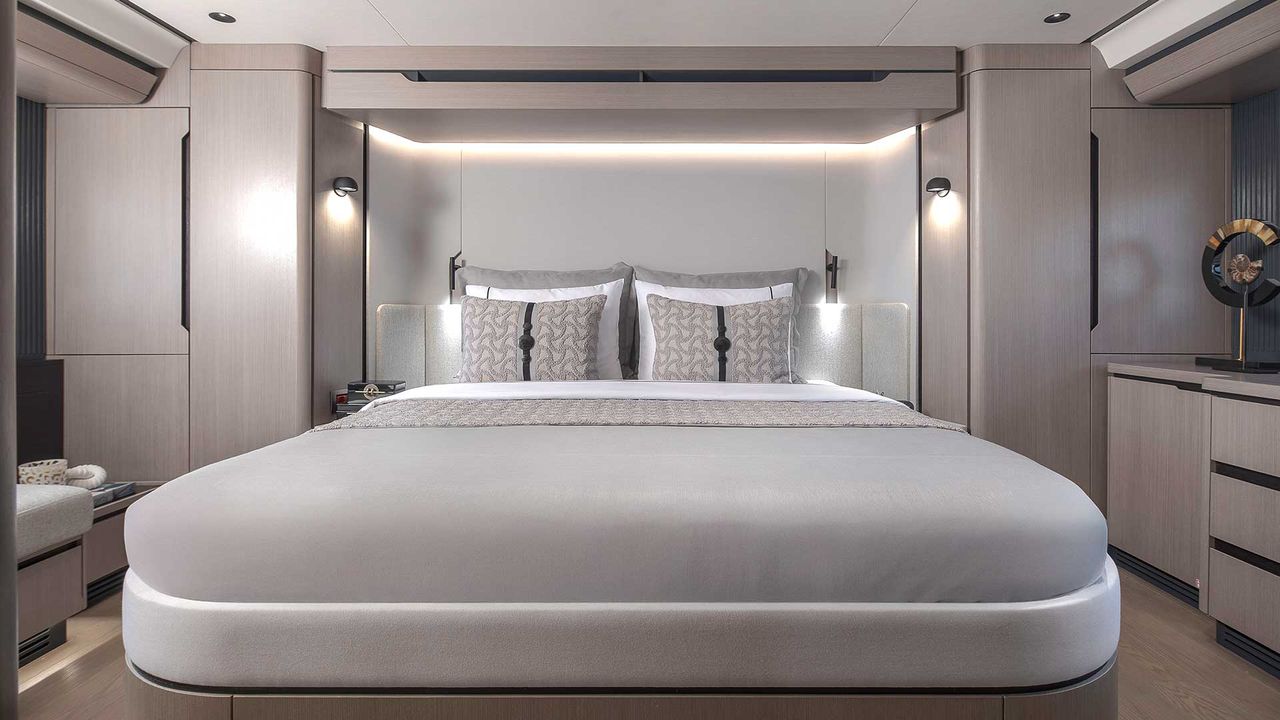
Suite armatoriale
Rumore e vibrazioni vengono misurati con motori, generatore, clima e pompe in combinazioni ripetibili. I valori diventano baseline.
Si controllano condensa, oscuramento, ventilazione e tenuta. Gli accessi dietro gli arredi devono restare praticabili.
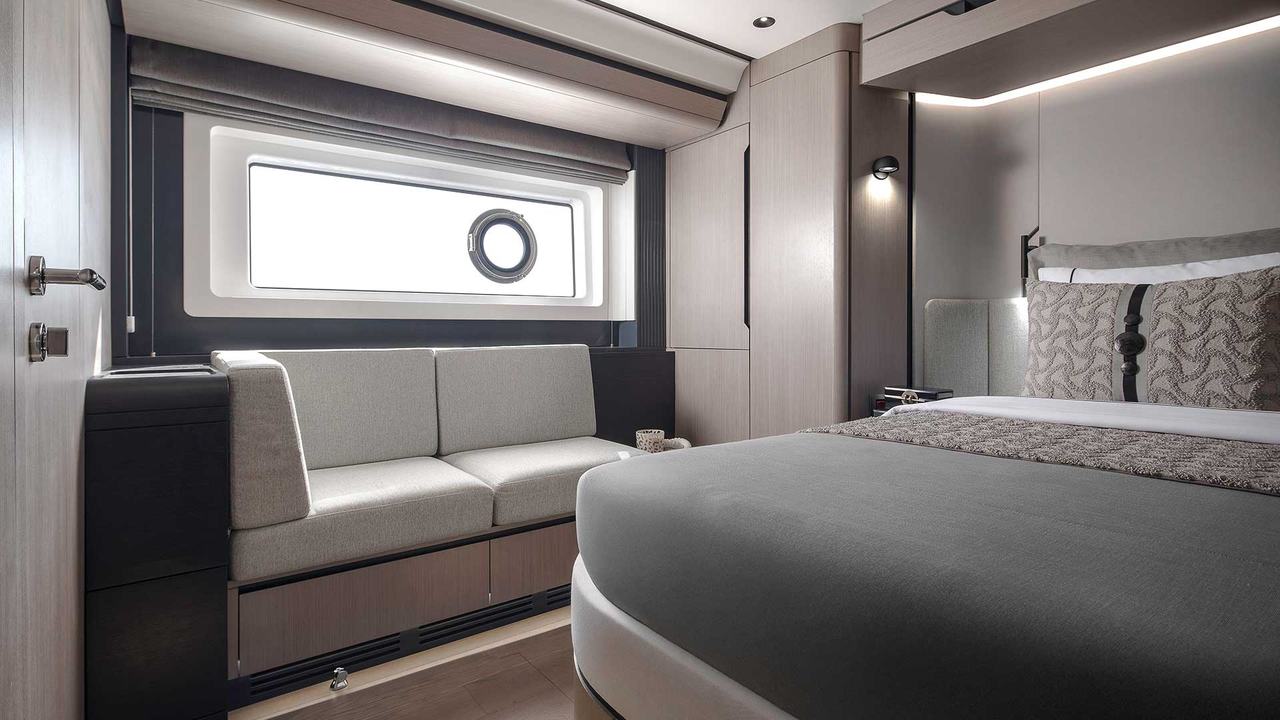
Cabina ospiti
Ogni posto letto viene provato con prese, luci, ventilazione e stivaggi in uso. Oblò e passauomo ricevono una prova d’acqua.
Più utenze vengono azionate per verificare pressione, acqua calda, odori e riflussi nei bagni.
Ottocento litri d’acqua
La capacità va divisa per persone e giorni. Un eventuale dissalatore entra nel bilancio con portata, qualità, filtri e consumo.
Pompe, boiler e indicatori vengono calibrati. Le soglie operative definiscono quando produrre acqua o rientrare.
Reflui
I 450 litri di nere e 225 di grigie richiedono livelli, sfiati, valvole e scarichi documentati. Gli allarmi vengono attivati in prova.
La procedura deve rispettare l’area di navigazione e indicare chi autorizza trasferimento o svuotamento.
Energia e guasti
Il bilancio separa navigazione, rada, notte ed emergenza. Batterie, caricabatterie, inverter e generatore vengono provati sotto carico.
Si isola una sorgente in sicurezza per verificare cosa resta disponibile. Schemi e protezioni devono coincidere con le etichette.
Stabilizzatori e correttori d’assetto
La scelta di pinne o stabilizzazione giroscopica modifica peso, volume, energia e manutenzione. Le pinne aggiungono appendici e attuatori; un giroscopio richiede spazio, raffreddamento e una struttura capace di assorbire i carichi. Il capitolato deve riportare modello, massa, posizione, limiti e prestazioni attese nelle condizioni d’uso.
Il collaudo confronta sistema attivo e disattivo con rotta e mare annotati. Si provano allarmi, esclusione e riavvio controllato. Stabilizzazione e correttori non devono impartire comandi contrastanti, mentre il comandante conserva una procedura per il funzionamento degradato.
Tender, gruetta e carichi mobili
Il tender viene scelto insieme a portata della piattaforma, geometria di stivaggio e sistema di varo. Peso reale con motore, carburante e dotazioni deve rientrare nel limite, non soltanto il guscio a vuoto. Culla, punti di ritenuta e interferenze con passaggio e ormeggio vengono controllati.
Varo e recupero si provano con persone nelle posizioni previste. Attuatori, verricelli, fine corsa e comando manuale devono restare accessibili. SUP, biciclette e water toy ricevono stivaggi propri, evitando di bloccare pompe, valvole o vie d’emergenza.
Climatizzazione e condensa
Vetrate, flybridge e cucina producono carichi termici diversi. Il collaudo si esegue con sole, persone ed elettrodomestici attivi, misurando temperatura e umidità in salone e cabine. Portate d’aria e rumorosità vengono registrate alle diverse velocità dei ventilatori.
Scarichi condensa, vasche e pompe sono ispezionati dopo ore di funzionamento. Un pannello bagnato o un odore persistente non viene trattato come dettaglio estetico: segnala drenaggio, isolamento o ventilazione da correggere.
Autopilota, radar e comunicazioni
Radar, AIS, GNSS, ecoscandaglio, autopilota e VHF devono essere configurati sul profilo reale, non lasciati con impostazioni generiche. Offset, allarmi, target, rotte e dati di profondità vengono verificati con una prova nota. Le antenne e i cavi sono mappati per rendere visibile ogni punto condiviso.
Una seconda visualizzazione non è ridondanza se usa lo stesso sensore. Il collaudo perde in sicurezza una sorgente e controlla il passaggio a quella alternativa. Chiamata DSC, posizione trasmessa e audio VHF vengono provati senza generare falsi allarmi.
Manutenzione programmata e ricambi
Il piano separa controlli giornalieri, ore motore, mensili, stagionali e alaggio. D11 e D13 richiedono quantità e ricambi differenti; l’elenco definitivo deriva dalle matricole installate. Filtri carburante, giranti, cinghie, anodi, fluidi e fusibili formano la dotazione iniziale.
Per ciascun componente si registra posizione, utensile e procedura. Un ricambio presente ma irraggiungibile non riduce il fermo. Ore, allarmi e interventi restano in un registro comune, così equipaggio e assistenza lavorano sulla stessa storia tecnica.
Prova di manovra e governo degradato
La prova in banchina comprende marcia avanti e indietro, arresto, accosto sui due lati e risposta con vento misurato. Timone, eliche di manovra e comandi delle diverse postazioni devono reagire in modo progressivo e coerente. Telecamere e sensori aiutano, ma non sostituiscono visuale, comunicazioni e preparazione delle cime.
Si verifica inoltre la procedura con un motore indisponibile, una postazione esclusa o un dato di governo mancante. L’equipaggio deve sapere come trasferire il comando, isolare il guasto e mantenere la direzione. Le istruzioni essenziali restano disponibili anche senza connettività o accesso a un portale remoto.
Impianto antincendio e sentine
Rivelatori, centrale, estintori, sistema fisso della sala macchine e arresti remoti devono corrispondere allo schema dell’esemplare. Ogni zona viene identificata e gli allarmi sono provati con metodo controllato. Valvole carburante, ventilatori e serrande devono poter essere isolati dalla posizione prevista senza entrare nel locale interessato.
Le pompe di sentina vengono provate in automatico e manuale, verificando livelli di intervento, valvole di non ritorno e allarmi. Le sentine devono rimanere pulite dopo la prova in mare: acqua, olio o refrigerante richiedono una causa documentata, non una semplice pulizia prima della consegna.
Documentazione e formazione dell’armatore
Manuali, schemi, matricole, certificati e intervalli di manutenzione vengono consegnati in una struttura consultabile. La formazione comprende accensione, spegnimento, trasferimento delle sorgenti, gestione degli allarmi e isolamento dei principali circuiti. Le spiegazioni verbali non sostituiscono procedure scritte.
Al termine si esegue una prova pratica con l’armatore o il comandante: localizzare una valvola, passare a una sorgente alternativa, leggere un allarme e ripristinare un sistema. Eventuali lacune vengono chiuse prima dell’accettazione e registrate nel verbale.
controlli di consegna
In porto si provano utenze, protezioni, drenaggi e allarmi. In mare si registrano curve, temperature, manovra, rumore e assetto. Al rientro si cercano perdite e allentamenti.
Ogni rilievo ha responsabile, scadenza ed evidenza. La prova viene ripetuta dopo la correzione e resta nel fascicolo tecnico.
Configurazione coerente
Il Sirena 60 può privilegiare efficienza con D11 o margine prestazionale con D13. La scelta migliore dipende da carico e missione, non dal numero più alto.
Motori, energia, layout, tender e servizi devono appartenere allo stesso progetto operativo. Solo così 19,45 metri diventano una piattaforma affidabile, misurabile e manutenibile.