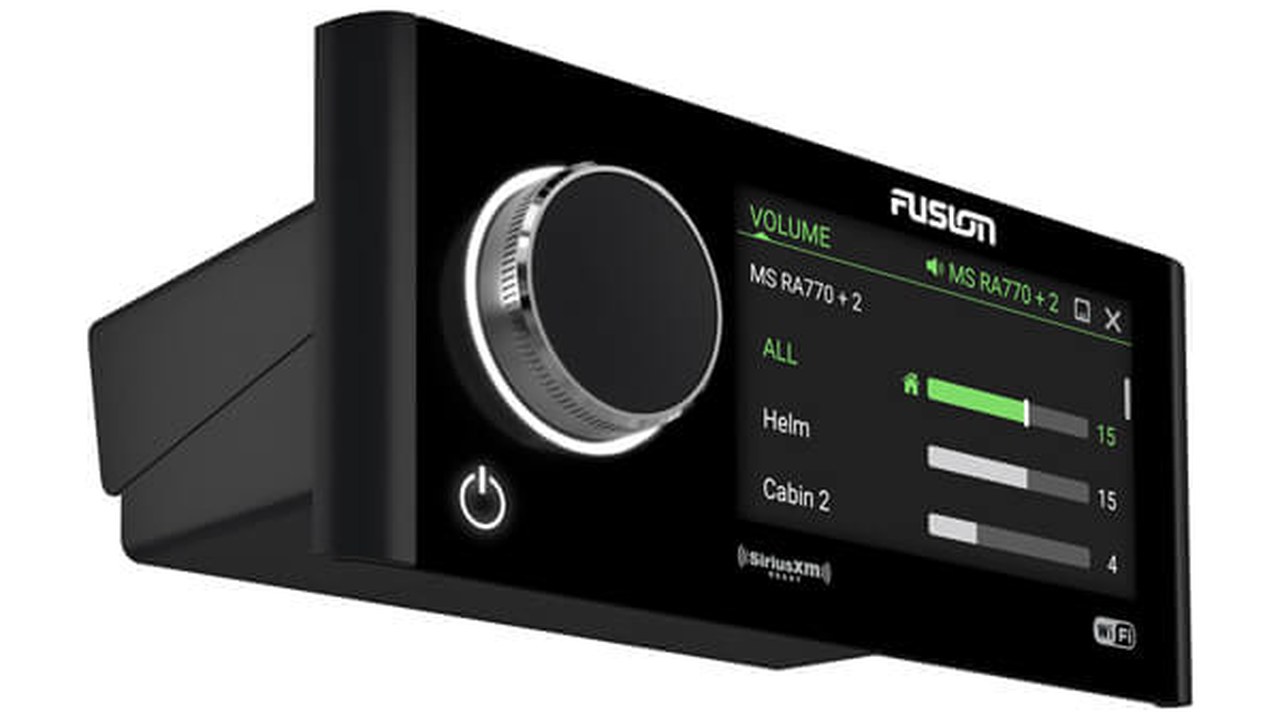
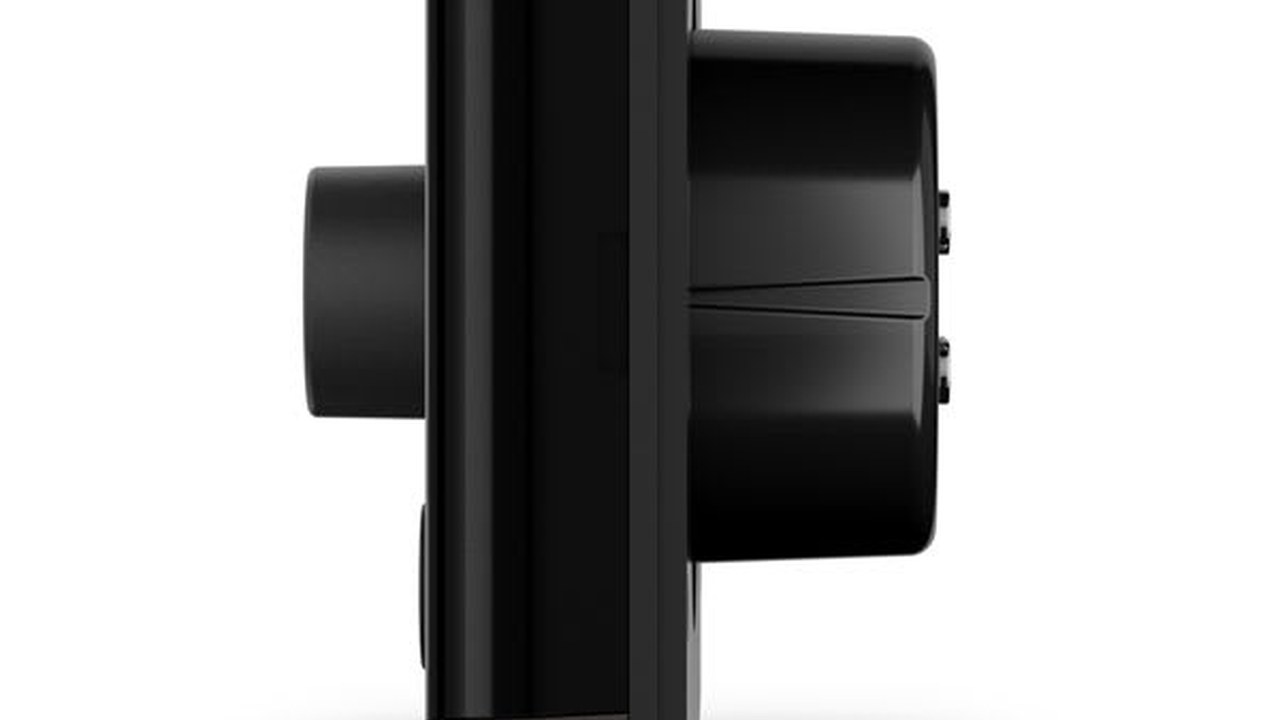
Bassi assenti e rimbombo possono provenire dallo stesso impianto. Polarita, fase, incrocio, posizione, pannello, carico o caduta di tensione producono sintomi che non si risolvono alzando il gain. questa analisi identifica il subwoofer Fusion Apollo e l amplificatore reale, prova una variabile alla volta, misura sotto carico e conserva il profilo. Ogni dato resta associato al modello, senza estensioni tra taglie e varianti. La diagnosi non parte dal volume percepito, ma dalla ricostruzione completa della catena: sorgente, impostazioni di zona, uscita dedicata, cablaggio di segnale, alimentazione, amplificatore, carico e montaggio. Prima di scollegare qualsiasi elemento si registrano posizione dei controlli, profilo attivo e condizioni nelle quali compare il difetto. Una prova utile conserva sempre lo stesso brano o tono, lo stesso punto di ascolto e lo stesso livello sorgente. In questo modo ogni variazione puo essere attribuita al singolo controllo eseguito, senza confondere un miglioramento momentaneo con la soluzione. Le verifiche elettriche richiedono strumenti adatti e impianto messo in sicurezza; presenza di acqua, odore, calore o protezione impone lo stop. Il risultato finale deve restare stabile sia con alimentazione ordinaria sia con le utenze di bordo realistiche, e deve poter essere ripetuto da un tecnico leggendo il verbale senza affidarsi alla memoria dell operatore.
Identificare subwoofer, amplificatore e zona
la procedura registra modello, taglia, posizione, canale, impedenza e profilo. Componenti simili possono avere dati diversi. Prima di cambiare filtri o fase si fotografa lo stato e si verifica la combinazione ufficiale, evitando di trasferire potenze e montaggi tra varianti Apollo. Il controllo 1 annota stato iniziale, segnale, singola modifica ed esito. Acqua, raschiamento, odore, calore, clipping o protezione fermano la prova. La sequenza riparte soltanto dopo il ripristino documentato con gli stessi livelli e posizioni.
Ispezionare griglia, cono e sospensione
Crepe, deformazioni, sale e fissaggi allentati vengono annotati a impianto spento. Il componente non viene premuto o bagnato per prova. Un danno meccanico evidente viene risolto prima di aumentare il volume, per non aggravare guasto e diagnosi. Il controllo 2 annota stato iniziale, segnale, singola modifica ed esito. Acqua, raschiamento, odore, calore, clipping o protezione fermano la prova. La sequenza riparte soltanto dopo il ripristino documentato con gli stessi livelli e posizioni.
Controllare il retro e il drenaggio
Quando accessibile si osservano connettori, condensa, gocce, cavo e superficie. La protezione della parte esterna non rende impermeabile il vano. Acqua o ossido sospendono la prova finche percorso e danno non sono stati rimossi con materiali compatibili. Il controllo 3 annota stato iniziale, segnale, singola modifica ed esito. Acqua, raschiamento, odore, calore, clipping o protezione fermano la prova. La sequenza riparte soltanto dopo il ripristino documentato con gli stessi livelli e posizioni.
Ricostruire collegamenti e impedenza
Serie, parallelo e ponte cambiano il carico visto dall amplificatore. Schema, etichette e morsetti vengono confrontati. Un impianto non documentato viene isolato e misurato con procedura sicura prima della prova prolungata, evitando protezioni termiche o danni da carico non ammesso. Il controllo 4 annota stato iniziale, segnale, singola modifica ed esito. Acqua, raschiamento, odore, calore, clipping o protezione fermano la prova. La sequenza riparte soltanto dopo il ripristino documentato con gli stessi livelli e posizioni.
| Controllo | Metodo | Esito |
|---|---|---|
| Polarita | Tono e confronto | Bassi coerenti |
| Carico | Schema e misura | Impedenza ammessa |
| Filtro | Frequenza progressiva | Nessun buco |
| Fase | Posizioni reali | Risposta uniforme |
| Pannello | Ascolto localizzato | Niente risonanze |
| Potenza | Misura ai morsetti | Nessuna protezione |
Verificare polarita prima di toccare il DSP
Una inversione puo cancellare i bassi nella zona di incrocio. Si usa un segnale noto e si confronta il subwoofer con i diffusori principali. La correzione avviene sul punto identificato; non si scambiano fili a caso finche non compare piu pressione. Il controllo 5 annota stato iniziale, segnale, singola modifica ed esito. Acqua, raschiamento, odore, calore, clipping o protezione fermano la prova. La sequenza riparte soltanto dopo il ripristino documentato con gli stessi livelli e posizioni.

Provare il solo subwoofer a livello prudente
I canali principali vengono ridotti secondo procedura e il subwoofer viene ascoltato senza superare limiti. Raschiamenti, battiti o interruzioni vengono localizzati. Un rumore meccanico non viene mascherato con equalizzazione o con un filtro piu stretto. Il controllo 6 annota stato iniziale, segnale, singola modifica ed esito. Acqua, raschiamento, odore, calore, clipping o protezione fermano la prova. La sequenza riparte soltanto dopo il ripristino documentato con gli stessi livelli e posizioni.
Provare i diffusori principali separatamente
Bassi assenti possono dipendere da una coppia principale fuori fase, non dal subwoofer. Ogni canale viene verificato con la stessa sorgente. Solo dopo polarita e livello corretti si riunisce il sistema e si valuta la transizione nella zona. Il controllo 7 annota stato iniziale, segnale, singola modifica ed esito. Acqua, raschiamento, odore, calore, clipping o protezione fermano la prova. La sequenza riparte soltanto dopo il ripristino documentato con gli stessi livelli e posizioni.
Controllare passa-basso e passa-alto
Frequenze, pendenze e modalita vengono confrontate con profilo e componenti reali. Un buco o una sovrapposizione non si correggono cambiando piu parametri insieme. la procedura modifica un solo valore, ripete lo stesso sweep e conserva il risultato. Il controllo 8 annota stato iniziale, segnale, singola modifica ed esito. Acqua, raschiamento, odore, calore, clipping o protezione fermano la prova. La sequenza riparte soltanto dopo il ripristino documentato con gli stessi livelli e posizioni.
Confrontare fase dalle sedute reali
La fase viene provata dove ascoltano comandante e ospiti, non soltanto davanti alla griglia. Si annotano punti di massimo e cancellazione. Una soluzione che migliora una seduta ma peggiora tutta la zona viene riconsiderata insieme a posizione e filtro. Il controllo 9 annota stato iniziale, segnale, singola modifica ed esito. Acqua, raschiamento, odore, calore, clipping o protezione fermano la prova. La sequenza riparte soltanto dopo il ripristino documentato con gli stessi livelli e posizioni.
Regolare il gain con riferimento
La posizione iniziale viene fotografata. Si usa un segnale noto e un livello sorgente definito, aumentando gradualmente senza clipping. Il gain non diventa volume utente. Se il basso resta debole, si torna a polarita, carico, tensione e pannello. Il controllo 10 annota stato iniziale, segnale, singola modifica ed esito. Acqua, raschiamento, odore, calore, clipping o protezione fermano la prova. La sequenza riparte soltanto dopo il ripristino documentato con gli stessi livelli e posizioni.
Misurare tensione ai morsetti sotto carico
La lettura a batteria non mostra la caduta sulla tratta. Si osservano tensione e stato dell amplificatore durante passaggi a bassa frequenza. Riavvio o protezione aprono il controllo di fusibile, sezione, massa e giunzioni prima della sostituzione del componente. Il controllo 11 annota stato iniziale, segnale, singola modifica ed esito. Acqua, raschiamento, odore, calore, clipping o protezione fermano la prova. La sequenza riparte soltanto dopo il ripristino documentato con gli stessi livelli e posizioni.
Controllare temperatura e ventilazione
Dopo una prova progressiva si ispezionano vano, spazio libero e indicatori. Calore anomalo o protezione fermano la sequenza. Carico, gain, alimentazione e filtro vengono verificati insieme; aggiungere una ventola non sostituisce la correzione di una configurazione errata. Il controllo 12 annota stato iniziale, segnale, singola modifica ed esito. Acqua, raschiamento, odore, calore, clipping o protezione fermano la prova. La sequenza riparte soltanto dopo il ripristino documentato con gli stessi livelli e posizioni.
Cercare vibrazioni nel pannello
Uno sweep lento consente di localizzare frequenze che muovono superficie, gavoni o arredi. Si immobilizza temporaneamente un elemento alla volta. La soluzione definitiva deve rispettare struttura, drenaggio e manutenzione, non riempire il vano con materiali che trattengono acqua. Il controllo 13 annota stato iniziale, segnale, singola modifica ed esito. Acqua, raschiamento, odore, calore, clipping o protezione fermano la prova. La sequenza riparte soltanto dopo il ripristino documentato con gli stessi livelli e posizioni.
Ascoltare rimbombo e ritardo
Basso lungo o concentrato puo dipendere da zona, posizione, filtro o profilo. la procedura confronta piu punti e non giudica dal solo volume. Le modifiche restano reversibili finche una risposta uniforme e stabile non viene confermata con i diffusori principali. Il controllo 14 annota stato iniziale, segnale, singola modifica ed esito. Acqua, raschiamento, odore, calore, clipping o protezione fermano la prova. La sequenza riparte soltanto dopo il ripristino documentato con gli stessi livelli e posizioni.
Confermare il profilo DSP esatto
L app compatibile viene confrontata con modelli installati. Profili simili non vengono scelti per completare la procedura. Prima dell aggiornamento si conserva la configurazione; dopo la scrittura si ripetono polarita, filtri, fase, livelli e riavvio con alimentazione stabile. Il controllo 15 annota stato iniziale, segnale, singola modifica ed esito. Acqua, raschiamento, odore, calore, clipping o protezione fermano la prova. La sequenza riparte soltanto dopo il ripristino documentato con gli stessi livelli e posizioni.
Provare motore e utenze reali
Alternatore, caricabatterie, inverter e pompe vengono attivati uno alla volta. Ronzii, cali o protezioni vengono correlati alla condizione. Il difetto viene separato tra alimentazione, segnale e vibrazione, senza modificare masse in modo improvvisato. Il controllo 16 annota stato iniziale, segnale, singola modifica ed esito. Acqua, raschiamento, odore, calore, clipping o protezione fermano la prova. La sequenza riparte soltanto dopo il ripristino documentato con gli stessi livelli e posizioni.
Ripetere la prova in navigazione
Con rumore e carico realistici si controllano equilibrio, intelligibilita, tensione e temperatura. Il limite utile viene salvato prima della distorsione. Un comportamento intermittente resta aperto anche se scompare al rientro in porto o dopo il raffreddamento. Il controllo 17 annota stato iniziale, segnale, singola modifica ed esito. Acqua, raschiamento, odore, calore, clipping o protezione fermano la prova. La sequenza riparte soltanto dopo il ripristino documentato con gli stessi livelli e posizioni.
Chiudere con un verbale del basso
Il rapporto conserva modelli, impedenza, tensioni, filtri, fase, gain, profilo, temperature e vibrazioni. Ogni prova ha esito. L armatore riceve limiti e comandi, mentre il tecnico futuro puo confrontare il sistema con una base verificata senza resettare tutto. Il controllo 18 annota stato iniziale, segnale, singola modifica ed esito. Acqua, raschiamento, odore, calore, clipping o protezione fermano la prova. La sequenza riparte soltanto dopo il ripristino documentato con gli stessi livelli e posizioni.