
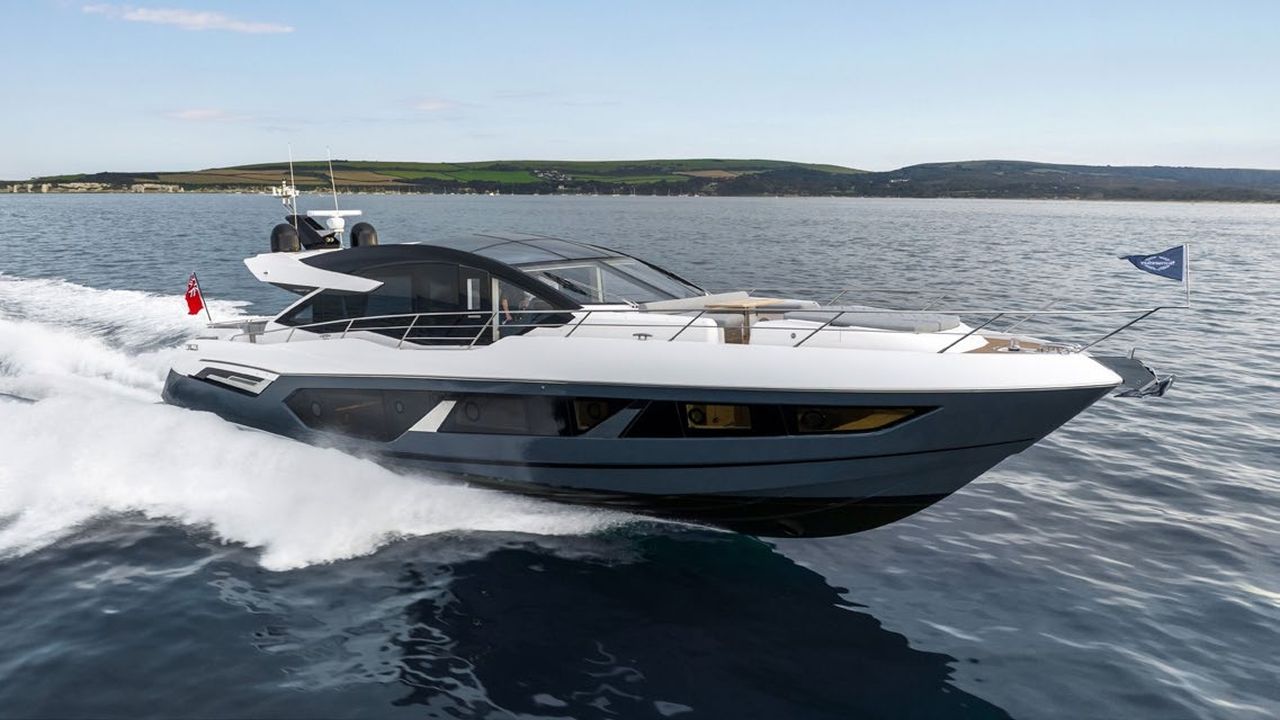
Il Sunseeker Predator 75 è uno sport yacht di 23,06 metri che dichiara fino a 40 nodi con motorizzazione MAN complessiva fino a 3.800 PS. Il baglio è di 5,38 metri, il pescaggio a pieno carico con appendici raggiunge 1,87 metri e il dislocamento indicato è 46.900 kg. La configurazione può prevedere tre cabine oppure una quarta cabina opzionale, con capacità fino a otto ospiti e due persone di equipaggio.
Questa lettura non è una prova in mare. Prestazioni e autonomie sono valori dichiarati per condizioni definite e devono essere ricostruiti sull’esemplare. Il metodo NauticMag parte dai sistemi: identità dei componenti, rete elettrica e dati, serbatoi, accessibilità, modalità degradata e verbale di collaudo. La velocità ha senso soltanto se impianti e struttura mantengono margine.
Configurazione tecnica di riferimento
| Sistema | Dato dichiarato | Controllo da eseguire |
|---|---|---|
| Lunghezza / baglio | 23,06 / 5,38 m | Posto barca e passaggi |
| Pescaggio | 1,87 m a pieno carico | Condizione e appendici |
| Dislocamento | 46.900 kg | Distinta pesi |
| Carburante | 4.800 l | Utilizzabile e riserva |
| Acqua / reflui | 800 / 200 l | Autonomia e scarichi |
| Motori | MAN fino a 3.800 PS | Versione e matricole |
| Velocità | Fino a 40 nodi | Passate reciproche |
| Autonomia | Fino a 700 nm a 10 nodi | Curva e riserva |
| Cabine | 3, quarta opzionale | Layout contrattuale |
| Trasmissione | Linee d’asse | Allineamento e vibrazioni |
Identità dell’esemplare prima di ogni prova
Numero di scafo, anno, motori, invertitori, eliche, generatori ed elettronica devono corrispondere ai documenti. Si registrano matricole, ore, versioni software, lavori e campagne tecniche. La dicitura commerciale “Predator 75” non definisce da sola la configurazione. Anche una variante di cabina, una diversa coppia di motori o un accessorio pesante cambia le condizioni con cui interpretare consumi e assetto.

Carena e verifica dell’assetto
I 40 nodi dichiarati richiedono una geometria e una distribuzione dei pesi precise. La sequenza di verifiche registra angolo di corsa, transizione in planata, correzioni e risposta nelle virate. Un uso continuo di flap o trim può indicare carico sbilanciato, carena sporca, eliche non corrette o un allestimento diverso dalla configurazione di riferimento. Ogni osservazione va associata a velocità e stato del mare.
MAN V12 da 1.550 o 1.900 PS
La presentazione del modello associa la potenza massima a due MAN V12 da 1.900 PS, con alternativa da 1.550 PS. La verifica parte dalle targhe e prosegue con supporti, raffreddamento, scarichi, alimentazione e diagnostica. Il contratto deve riportare anche invertitori, rapporto ed eliche. Due potenze diverse richiedono curve di accettazione differenti e non vanno confrontate soltanto sul dato di velocità.
Linee d’asse: allineamento e tenute
Dall’invertitore alla pala si controllano giunti, assi, tenute, supporti, cavalletti, boccole ed eliche. L’allineamento statico viene completato da misure sotto carico, perché la struttura e le temperature modificano il comportamento. Dopo la prova si cercano trafilamenti e punti caldi. Vibrazioni diverse fra dritta e sinistra meritano una diagnosi prima di attribuirle genericamente alla velocità.
Quaranta nodi con un protocollo ripetibile
La massima si misura con passate reciproche e motori stabilizzati, annotando giri, velocità, consumo, carico, temperature, pressioni e correzioni. È altrettanto importante costruire la curva ai regimi di uso frequente. Si controlla che entrambi i motori raggiungano i parametri attesi senza scarti. Dopo il rientro, oli, sentine, supporti e vano motori vengono riesaminati a caldo.

Due autonomie dichiarate, due regimi
La documentazione corrente indica fino a 700 miglia nautiche a 10 nodi; una brochure di gamma riporta anche 330 miglia a 21 nodi. Non sono dati intercambiabili, perché descrivono regimi diversi. Sull’esemplare si costruisce una tabella con carburante utilizzabile, riserva, consumo del generatore e condizioni. La pianificazione deve adottare il valore più prudente coerente con la rotta reale.
Quattromilaottocento litri da calibrare
Serbatoi, sfiati, bocchettoni, ritorni, valvole e indicatori vengono seguiti fisicamente. La quantità imbarcata si confronta con la variazione letta a più livelli. Filtri e separatori devono poter essere sostituiti senza versamenti e con accesso sicuro. Il volume nominale va ridotto per fondo, assetto e riserva; la percentuale disponibile non si deduce da una lancetta non calibrata.
Poppa e masse all’estremità
Piattaforma, prendisole e grande vano sottostante offrono spazio per attrezzature, ma ogni massa aggiunta influenza immersione e assetto. Tender, passerella, giochi acquatici e batterie devono comparire nella distinta. Si provano ritenute, drenaggi, movimentazioni e accesso agli impianti. Lo stivaggio è corretto quando l’oggetto resta fermo in navigazione e non blocca componenti essenziali.

Coperta vista dall’alto
La vista zenitale evidenzia passaggi laterali, prendisole di prua, cockpit e collegamenti. La sequenza di verifiche percorre l’intera barca con superfici bagnate, verificando corrimani, ostacoli, gradini e illuminazione. Bitte e passacavi si provano con cime della sezione prevista. Cuscinerie e tavoli devono avere una posizione di navigazione definita, non affidata a soluzioni improvvisate.
Scafo e colori: controllo della superficie
Il modello è proposto anche con diverse tonalità grigie. La finitura scelta deve essere esaminata in luce radente per uniformità, riprese e segni di movimento. Colore e temperatura superficiale possono influenzare la percezione dei difetti, ma non cambiano il metodo: spessori, sigillature, giunzioni e riparazioni vengono documentati. La livrea non deve nascondere una discontinuità.

Porta e finestra a scomparsa
Il collegamento fra cockpit e salone utilizza una porta scorrevole e una finestra che scendono sotto la seduta. L’effetto aperto è notevole, ma aggiunge attuatori, guide, fine corsa, drenaggi e guarnizioni. Si eseguono più cicli a barca ferma e dopo la navigazione, controllando allineamento e arresto manuale. Il sistema deve poter essere messo in sicurezza in caso di guasto.
Tetto apribile in carbonio
Il grande sunroof sopra la plancia è descritto con struttura in fibra di carbonio lucidata. Il collaudo comprende scorrimento, tenuta, drenaggi, sensori, rumorosità e procedura d’emergenza. Si osservano riflessi e irraggiamento sulla timoneria. Un’apertura ampia migliora luce e ventilazione, ma deve restare gestibile quando pioggia, salsedine o una perdita di alimentazione interrompono l’automatismo.

Plancia ed ergonomia ad alta velocità
Display, comandi motore, autopilota, radar, VHF e allarmi devono essere leggibili senza distogliere lo sguardo. Si verifica la visuale con persone sedute e tetto nelle diverse posizioni. La sequenza di verifiche simula la perdita di uno schermo e di una sorgente dati, controllando cosa rimane operativo. Un’interfaccia elegante non è ridondante se tutti i servizi dipendono dallo stesso alimentatore.
Rete dati e configurazioni software
La topologia delle reti va consegnata insieme alle versioni e ai backup. Terminazioni, gateway, sensori e alimentazioni vengono identificati. Gli aggiornamenti si eseguono con una procedura e una copia delle configurazioni precedenti. Motori, pompe e allarmi essenziali devono funzionare localmente senza dipendere da internet. Credenziali e accessi remoti passano all’armatore al momento della consegna.
Cucina inferiore sotto carico
La cucina sul ponte inferiore concentra piastre, forno, frigoriferi, acqua, scarichi e ventilazione. Si attivano più utenze insieme, registrando assorbimenti e tensioni. Ante e cassetti devono restare chiusi con accelerazioni e rollio; valvole e filtri devono essere raggiungibili senza svuotare ogni stivaggio. Calore e odori non devono compromettere cabine e via di fuga.

Bilancio elettrico per quattro scenari
Si distinguono navigazione, rada, notte e picco di cucina. Alternatori, batterie, caricabatterie, inverter, generatore e banchina vengono misurati in ciascuno scenario. Una prova di blackout controllato mostra sequenza di arresto e ripartenza. Le utenze essenziali devono avere priorità e protezioni selettive; due apparecchi collegati allo stesso quadro non costituiscono vera ridondanza.
Cockpit e salone come unico ambiente
Quando porta e finestra sono aperte, cockpit e interno diventano continui. La verifica considera drenaggi, ventilazione, climatizzazione e sicurezza degli oggetti mobili. Il tavolo in carbonio regolabile e la seduta a U devono bloccarsi nelle posizioni previste. La soglia rimane un punto tecnico: acqua e sporco non devono raggiungere guide, cablaggi o finiture interne.

Tre cabine o quarta opzionale
La scelta cambia stivaggi, ventilazione, impianti e circolazione sul ponte inferiore. La versione deve apparire nel contratto, nei disegni e nel piano di evacuazione. Ogni cuccetta viene provata con occupante, illuminazione e prese in uso. Pannelli e materassi si sollevano per ispezionare condensa, fissaggi e passaggi tecnici. La capienza nominale non sostituisce la vivibilità misurata.
Cabina armatoriale a tutto baglio
La cabina dispone di arredi e stivaggi che possono trasmettere vibrazioni. La mappa acustica viene eseguita a più regimi, con climatizzazione e generatore separati. Si annotano porte e posizione dello strumento. Oblò, oscuramenti, ventilazione e accessi dietro le pannellature completano il controllo. Battimenti o differenze laterali meritano un’analisi della catena propulsiva.

Cabine ospiti e servizi
Le tre suite ospiti della configurazione standard dispongono di servizio dedicato, mentre un accesso day head è previsto dal corridoio inferiore. Pompe, WC, docce, ventilazione e scarichi si provano contemporaneamente. Si controllano riflusso, odori e tempi di svuotamento. In una configurazione a otto ospiti, pressione idrica e capacità dei reflui devono essere valutate con uso realistico.

Ottocento litri di acqua dolce
Autoclavi, accumulo, boiler, filtri e indicatori devono sostenere cucina e servizi senza cadute eccessive. La prova apre più rubinetti, registra pressione e tempi di recupero, quindi controlla perdite. Un eventuale dissalatore richiede prefiltri, lavaggio e conservazione. L’accesso per sostituire un componente deve restare possibile anche con cambusa e bagagli a bordo.
Duecento litri di reflui
Il serbatoio necessita di sensore calibrato, sfiato libero e valvole chiaramente identificate. La sequenza di verifiche verifica riempimento, allarme, aspirazione e procedura di scarico conforme all’area di navigazione. Tubazioni con avvallamenti possono trattenere materiale e generare odori. Ogni intervento deve poter essere eseguito senza contaminare locali abitati o componenti elettrici.
Climatizzazione e grandi superfici vetrate
Vetrate, parabrezza e tetto apribile aumentano il carico solare. Si misura la temperatura in salone e cabine con piena occupazione, cucina attiva e sole. Portate, riprese, filtri, pompe acqua mare e scarichi condensa vengono controllati. La capacità nominale è insufficiente come giudizio se un ambiente rimane caldo o se la condensa raggiunge arredi e cablaggi.
Ventilazione del locale motori
Fino a 3.800 PS generano un carico termico importante. Temperature di aspirazione, vano e scarico si registrano a pieno regime e dopo l’arresto. Estrattori, condotti e serrande devono rispettare anche la strategia antincendio. Manicotti, cablaggi e centraline mostrano rapidamente un margine termico ridotto. L’assenza di allarmi non dimostra che la ventilazione sia corretta.
Incendio e arresti di emergenza
Rivelatori, estintori, sistema fisso, arresto ventilazione e intercettazione carburante devono corrispondere agli schemi. Si controllano scadenze, accessibilità e segnalazioni senza scaricare l’agente. Batterie e quadri hanno procedure di isolamento distinte. L’equipaggio esegue la sequenza e verifica che un comando sia raggiungibile senza entrare nel locale coinvolto.
Sentine e allagamento
Ogni pompa viene attivata manualmente e dal proprio sensore. Si verificano portata effettiva, valvole di non ritorno, allarmi e percorsi degli scarichi. Zone separate richiedono rilevazione propria. La prova include la perdita di una pompa e la possibilità di alimentarne un’altra. Etichette, schema e posizione fisica devono coincidere senza ambiguità.
Accessori senza compromettere il margine
Stabilizzazione, dissalatore, connettività, passerella, tender e audiovisivi aggiungono massa e assorbimento. Per ogni optional si controllano alimentazione, raffreddamento, accesso e inserimento negli schemi. La domanda corretta non è se il componente possa essere montato, ma se la barca mantenga assetto, capacità elettrica e manutenzione dopo l’installazione. Le predisposizioni vanno verificate, non presunte.
Alaggio e appendici
Con carena pulita si esaminano urti, riparazioni, umidità, prese a mare, timoni, assi e supporti. Eliche e boccole vengono misurate e fotografate. Dopo il varo si controllano subito tenute, raffreddamento e vibrazioni. La documentazione fotografica diventa la baseline per il successivo alaggio e rende più semplice distinguere usura, danno recente e lavorazione precedente.
Collaudo finale e chiusura delle anomalie
Documenti, ispezione a secco, prova in porto, navigazione e controllo post-rientro confluiscono in un unico verbale. Ogni anomalia riceve responsabile, scadenza e prova di chiusura. Motori e prestazioni vengono accettati soltanto nella configurazione realmente consegnata. Armatore ed equipaggio devono provare personalmente comando degradato, blackout, isolamento e procedure d’emergenza.
Valutazione complessiva
Il Predator 75 combina profilo sportivo, linee d’asse e una potenza dichiarata notevole con interni configurabili. Il progetto è convincente quando la velocità non nasconde la complessità dei sistemi. Un esemplare ben documentato deve mostrare bilanci coerenti, accessi reali, rete leggibile e comportamento ripetibile. I 40 nodi sono il dato più visibile; il margine tecnico è quello che protegge l’acquisto.