
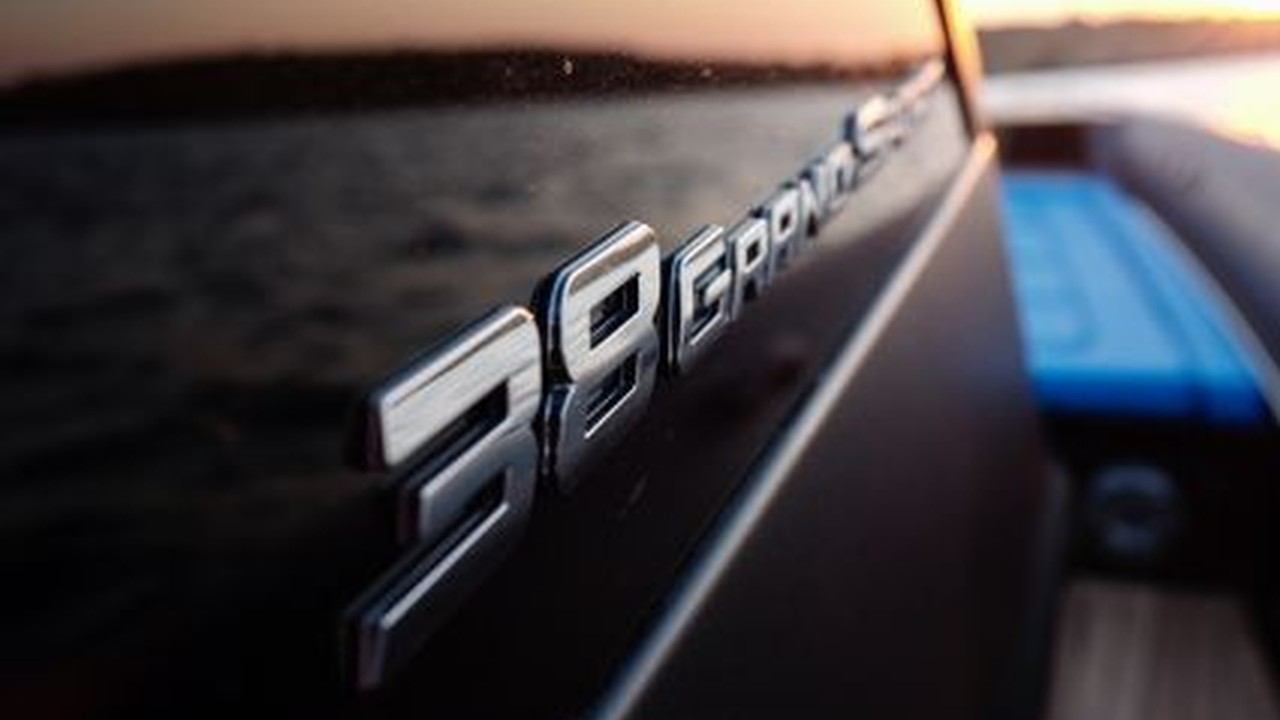
Configurare un Technohull 38 Grand Sport significa trasformare una piattaforma molto veloce in un sistema gestibile, verificabile e coerente con l’uso reale. La scheda tecnica dichiara 11,10 metri di lunghezza, 3,20 di baglio, due fuoribordo fino a 500 hp ciascuno, 600 litri di carburante, 100 d’acqua, dieci persone e due posti letto. Sono dati sufficienti per costruire una sequenza di verifiche seria, non per inventare autonomia, consumi o velocità di crociera. Questa guida mantiene separata la versione standard dalla Super Fast Edition a tre motori e concentra l’attenzione su configurazione, consegna, impianti e controlli periodici.
Congelare la configurazione prima di parlare di prestazioni
Il primo documento da ottenere è una distinta che identifichi modello, coppia di motori, potenza, pesi installati, eliche, comandi e disposizione della coperta. La pagina del cantiere mostra più allestimenti e descrive la modularità della zona poppiera e delle sedute di governo. Le fotografie non sostituiscono la specifica contrattuale: un componente visibile può appartenere a un’opzione o a un esemplare diverso. Prima di confrontare numeri di velocità bisogna quindi definire quale barca si sta acquistando. Questo semplice passaggio evita di trasferire alla versione standard caratteristiche della Super Fast Edition.

Motorizzazione standard: due fuoribordo fino a 500 hp
La tabella tecnica indica motori fuoribordo e un massimo di due unità da 500 hp. Non specifica nella stessa sede marca, modello, rapporto al piede o elica, quindi questi elementi devono comparire nell’offerta definitiva. La potenza complessiva è solo una parte del sistema: contano massa a poppa, altezza di montaggio, alimentazione, sterzo e compatibilità dei comandi. Durante la consegna occorre verificare che le targhette corrispondano alla distinta e che documenti e numeri seriali siano registrati. Qualsiasi prova va eseguita con carico e condizioni annotati.
Super Fast Edition: una configurazione da non confondere
Il costruttore dedica un passaggio separato alla Super Fast Edition, dotata di tre fuoribordo e associata a un risultato dichiarato di 103 nodi. Quel dato non appartiene automaticamente alla barca bimotore della scheda standard. Anche l’affermazione secondo cui due motori renderebbero ordinaria la soglia di 90 mph resta una comunicazione del cantiere priva, nella pagina, di tutte le condizioni di prova. Chi considera una configurazione speciale deve ottenere omologazione, pesi, limiti, allestimento e procedura di collaudo specifici, senza usare per analogia i dati della versione ordinaria.

Serbatoio carburante: 600 litri da gestire
La capacità dichiarata del carburante è 600 litri. Non esiste però un consumo ufficiale completo nella scheda pubblica, quindi non è corretto ricavare un’autonomia semplicemente moltiplicando valori generici. La sequenza di verifiche deve comprendere indicatore, allarmi, tenuta, sfiato, bocchettone, intercettazioni e accessibilità dei componenti previsti sull’esemplare. In prova è utile confrontare il livello indicato con una quantità nota e osservare il comportamento in differenti assetti. La pianificazione conserva sempre una riserva e considera che mare, carico e velocità possono cambiare molto il consumo reale.
Impianto acqua: cento litri e nessuna dotazione presunta
Il serbatoio acqua è indicato in 100 litri. Il dato non dice quali utenze siano installate, né consente di presumere pompa, boiler o componenti non elencati per la singola unità. L’armatore dovrebbe farsi consegnare lo schema dell’impianto e identificare riempimento, sfiato, scarichi, valvole e punti di ispezione effettivamente presenti. Una prova funzionale controlla portata, arresto della pompa e assenza di perdite nelle utenze ordinate. Prima del rimessaggio è importante conoscere la procedura di svuotamento e protezione prevista dal costruttore.

Plancia: comandi, visuale e allarmi
Il grande parabrezza e l’hardtop in carbonio definiscono la zona di governo, ma la verifica operativa riguarda ciò che il pilota vede e raggiunge. Seduti e in piedi, occorre controllare orizzonte, prua, settori laterali e interferenze dei montanti. Comandi di motore e sterzo devono muoversi senza impuntamenti; gli allarmi vanno identificati attraverso i manuali consegnati. La pagina mostra una strumentazione su un esemplare, ma non autorizza a dedurre marca o pacchetto standard. Il collaudo deve quindi riferirsi ai dispositivi realmente montati e alla loro configurazione software.
Sedute ammortizzate: regolazioni e fissaggi
Technohull dichiara sedute di guida ammortizzate. Prima della navigazione si verificano fissaggi, regolazioni, ritorno del meccanismo e assenza di giochi anomali. Ogni pilota deve trovare una postura che consenta controllo del timone e delle manette senza perdere appoggio. Se la configurazione prevede più sedute, va controllato che passeggeri e conducente possano usare appigli e superfici di sostegno. L’ammortizzazione riduce parte delle sollecitazioni, ma non sostituisce la scelta di una velocità compatibile con mare, esperienza e posizione delle persone.

Tabella di configurazione essenziale
| Voce | Dato dichiarato | Controllo richiesto |
|---|---|---|
| Lunghezza | 11,10 m | Documenti dell’unità |
| Baglio | 3,20 m | Ingombri di ormeggio |
| Peso a vuoto | circa 3.500 kg | Configurazione e carichi |
| Motori | fuoribordo, max 2 × 500 hp | Seriali, eliche, comandi |
| Carburante | 600 l | Tenuta, indicatore, sfiato |
| Acqua | 100 l | Schema, pompa, scarichi |
| Persone | 10 | Posti protetti e carico |
| Posti letto | 2 | Accesso e ventilazione |
| Categoria | B — Offshore | Dotazioni e limiti |
Distribuzione del carico e peso a vuoto
Il peso a vuoto è dichiarato in circa 3.500 chilogrammi. L’avverbio e la condizione leggera sono importanti: liquidi, motori, dotazioni e persone fanno crescere la massa operativa. Con dieci occupanti, la distribuzione diventa una decisione di sicurezza oltre che di comfort. Prima della prova si annotano livelli dei serbatoi, numero di persone e materiale imbarcato. Se l’assetto cambia in modo sensibile, non si corregge alla cieca inseguendo una velocità; si verifica prima la sistemazione dei carichi e poi si applicano le regolazioni previste per i motori.

Coperta modulare: controllare il layout ordinato
La zona sociale poppiera e le sedute di governo possono assumere configurazioni diverse. La consegna deve quindi confrontare fisicamente la barca con la planimetria firmata. Si misurano passaggi utili, si provano aperture e si verifica che i percorsi verso la postazione di guida e i motori rimangano praticabili. Cuscini e moduli devono essere fissati secondo progetto e non ostacolare punti tecnici. La modularità migliora l’adattamento al programma d’uso, ma richiede più attenzione documentale: il nome del modello non identifica da solo il layout dell’esemplare.
Due prendisole e movimenti in coperta
Il cantiere descrive due zone prendisole a tutta larghezza, una a prua e una a poppa. Durante la sosta offrono superfici distinte; in movimento diventano aree da gestire con regole chiare. Si controllano appigli, bordi, passaggi laterali e modalità di accesso. Le impugnature triangolari integrate nel linguaggio del modello vanno provate con mani bagnate e da diverse stature. Nessun numero massimo di persone garantisce da solo che ogni posizione sia adatta alla navigazione veloce: il comandante assegna posti protetti in base alle condizioni.

Carena Dynastream e ispezione visiva
La carena Dynastream è descritta con V profonda, ingresso affilato, deadrise variabile e due step ventilati. Queste geometrie richiedono una verifica visiva accurata, soprattutto lungo spigoli, gradini e zone di appoggio. Alla consegna si osservano uniformità delle superfici, eventuali segni, prese e scarichi realmente presenti. Dopo urti o alaggi anomali è prudente far controllare le aree sollecitate da personale qualificato. La forma promessa dal progetto non elimina la manutenzione; rende invece importante distinguere subito un segno superficiale da un danno che richiede approfondimento.
Tubolari, maniglie e punti di contatto
La scheda pubblica non specifica il materiale dei tubolari, quindi composizione, camere, valvole e procedura di riparazione devono essere richieste per l’unità. La sequenza di verifiche visiva comprende pressione conforme alle indicazioni del costruttore, valvole protette, assenza di abrasioni e integrità delle giunzioni osservabili. Le maniglie triangolari vanno controllate nei fissaggi e nell’accessibilità. Detergenti, pressione e modalità di rimessaggio devono seguire il manuale del materiale effettivo: generalizzare una procedura senza conoscere la specifica può provocare danni invece di prevenirli.
Hardtop in carbonio e parabrezza
Per l’hardtop è dichiarata la fibra di carbonio. L’ispezione riguarda fissaggi, eventuali accessori installati e assenza di giochi o rumori nuovi. Non bisogna forare, caricare o modificare il componente senza autorizzazione tecnica. Il parabrezza va controllato per trasparenza, fissaggio e interferenze con la visuale; la pulizia deve usare prodotti compatibili con il materiale reale. Dopo navigazioni impegnative è utile osservare i punti di collegamento tra struttura e coperta, annotando ogni variazione. Il controllo periodico è più efficace quando esiste un riferimento fotografico della condizione iniziale.

Due posti letto: controlli del volume interno
I due posti letto dichiarati rendono possibile un riposo protetto, ma il vano deve essere verificato come qualunque spazio interno. Si controllano accesso, chiusure, ventilazione prevista, illuminazione effettivamente installata e stivaggio degli oggetti. Non si presume la presenza di impianti non elencati. Prima di pernottare, l’equipaggio deve conoscere le vie d’uscita e mantenere liberi i passaggi. Umidità e odori anomali possono segnalare la necessità di ispezionare guarnizioni o comparti, senza attribuire la causa prima di una diagnosi.
Categoria B: dotazioni e limiti operativi
La categoria di progetto B — Offshore è un dato dell’unità, non un invito a ignorare previsioni e limiti. La conformità va riscontrata nei documenti e nella marcatura, mentre le dotazioni devono corrispondere a navigazione, persone e normativa applicabile. Il comandante resta responsabile di meteo, rotta e velocità. Con prestazioni potenzialmente elevate, briefing e disposizione dei passeggeri diventano essenziali. Anche un’imbarcazione progettata per ambiente offshore deve poter rinunciare a una partenza quando equipaggio o condizioni non offrono margini adeguati.
Prova in acqua: una sequenza ripetibile
Il collaudo comincia a basso regime con sterzo, innesti, risposta delle manette e strumenti. Si passa poi a regimi progressivi, annotando carico, mare, vento e livelli dei serbatoi. Si osservano assetto, visibilità, allarmi e comportamento nelle virate senza cercare subito il dato massimo. Una velocità ha valore solo se associata a condizioni e configurazione. Al rientro si esegue un’ispezione per perdite, fissaggi allentati o anomalie. L’obiettivo della prova non è replicare un messaggio promozionale, ma verificare che l’esemplare consegnato funzioni in modo coerente e documentabile.
Controlli dopo ogni uscita
Dopo la navigazione si registrano ore motore, eventuali allarmi e osservazioni dell’equipaggio. Si eseguono lavaggi e controlli secondo i manuali della motorizzazione e dei materiali, senza improvvisare prodotti o pressioni. Vanno osservati piedi, eliche, prese, tubolari, sedute e fissaggi del nucleo di governo. Carburante e acqua residui aiutano a costruire uno storico reale dei consumi, più utile di una stima generica. Piccole variazioni annotate con continuità permettono di riconoscere prima una tendenza e di rivolgersi all’assistenza con informazioni precise.
Documenti da conservare a bordo e a terra
La cartella tecnica dovrebbe includere documenti dell’unità, manuali, schemi effettivi, seriali, distinta degli optional e verbale di consegna. Una copia può restare protetta a bordo e una seconda essere archiviata a terra. Modifiche e interventi devono essere registrati con data, componente e operatore. Per una barca configurabile è particolarmente importante conservare la planimetria ordinata: aiuta manutentori e futuri proprietari a distinguere ciò che appartiene all’esemplare da ciò che compare soltanto nelle immagini del modello.
sequenza di verifiche finale di accettazione
Prima della firma definitiva si confrontano scafo, motori, coperta e interni con la distinta. Si provano comandi, allarmi, sterzo, sedute, chiusure e utenze realmente installate; si verificano serbatoi, assenza di perdite e documenti. La prova in mare viene verbalizzata con carico e condizioni. Restano aperte solo anomalie descritte con responsabile e termine di risoluzione. Sul Technohull 38 Grand Sport la disciplina di consegna è il miglior complemento alla carena e alla potenza: consente di trasformare un progetto ad alte prestazioni in una barca conosciuta, mantenibile e usata con margine.