
Quando un traveller diventa duro, la tentazione è aggiungere forza alla cima o lubrificare tutto. È il modo più rapido per nascondere la causa. Nella Ronstan Series 42 la scorrevolezza dipende da rotaia, due file di sfere Torlon a ricircolo, carrello, terminali, cima e direzione del carico. La diagnosi efficace separa questi elementi con prove brevi e progressive. Se il difetto è localizzato, non si forza il passaggio: si scarica il sistema e si identifica il punto esatto.
Prima domanda: il problema esiste anche a vuoto?
Si libera la scotta secondo la procedura sicura della barca e si muove il carrello senza carico significativo. Se la resistenza resta nello stesso punto della rotaia, l’indagine riguarda profilo, giunto, fissaggi o contaminazione. Se a vuoto il movimento è regolare e il problema compare soltanto in lavoro, diventano prioritari angolo della scotta, allineamento del padeye, terminali e torsione del corpo. Questa distinzione evita di smontare sfere sane per un rinvio mal orientato.
Il rumore racconta dove cercare
Un aumento uniforme dello sforzo lungo tutta la corsa suggerisce sporco diffuso, cima poco adatta o carico laterale costante. Un colpo singolo sempre alla stessa quota indica più spesso una discontinuità della pista o un elemento sporgente. Un movimento alternatamente libero e frenato può dipendere dall’angolo del circuito mentre il carrello cambia posizione. Le sensazioni vengono annotate senza trasformarle in diagnosi definitiva: servono a scegliere la prova successiva.
La pista standard ha quote riconoscibili
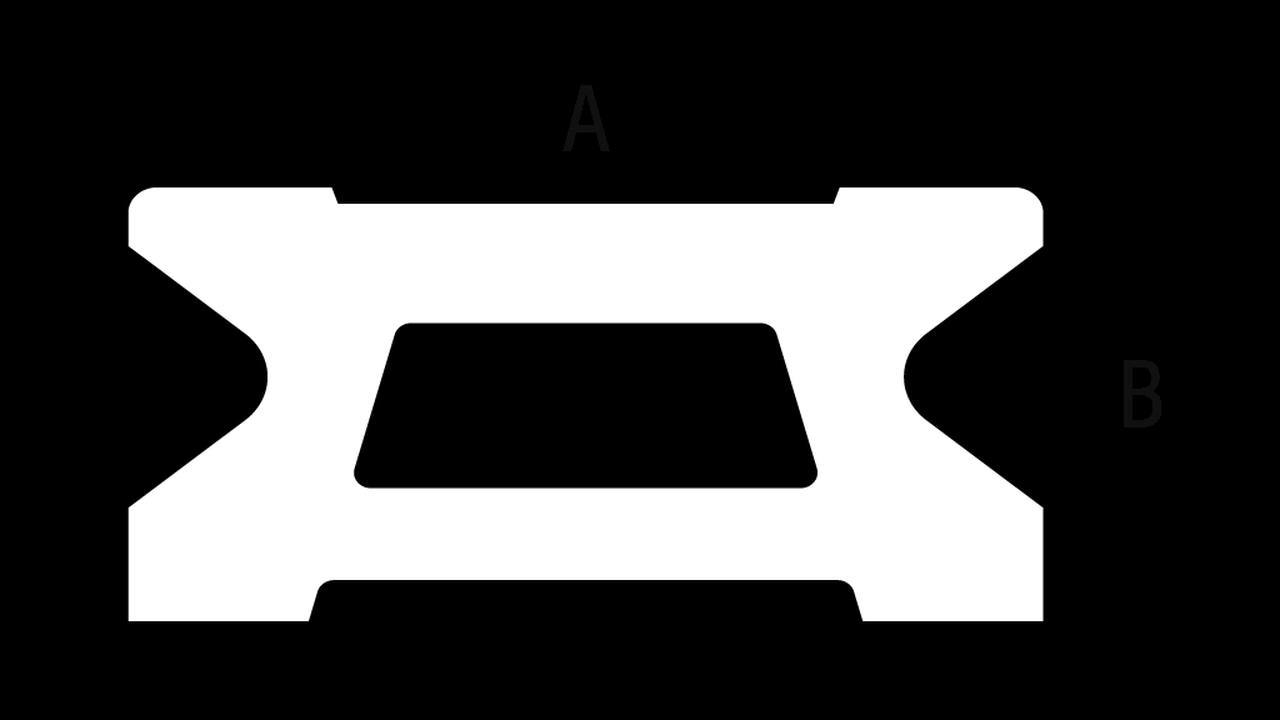
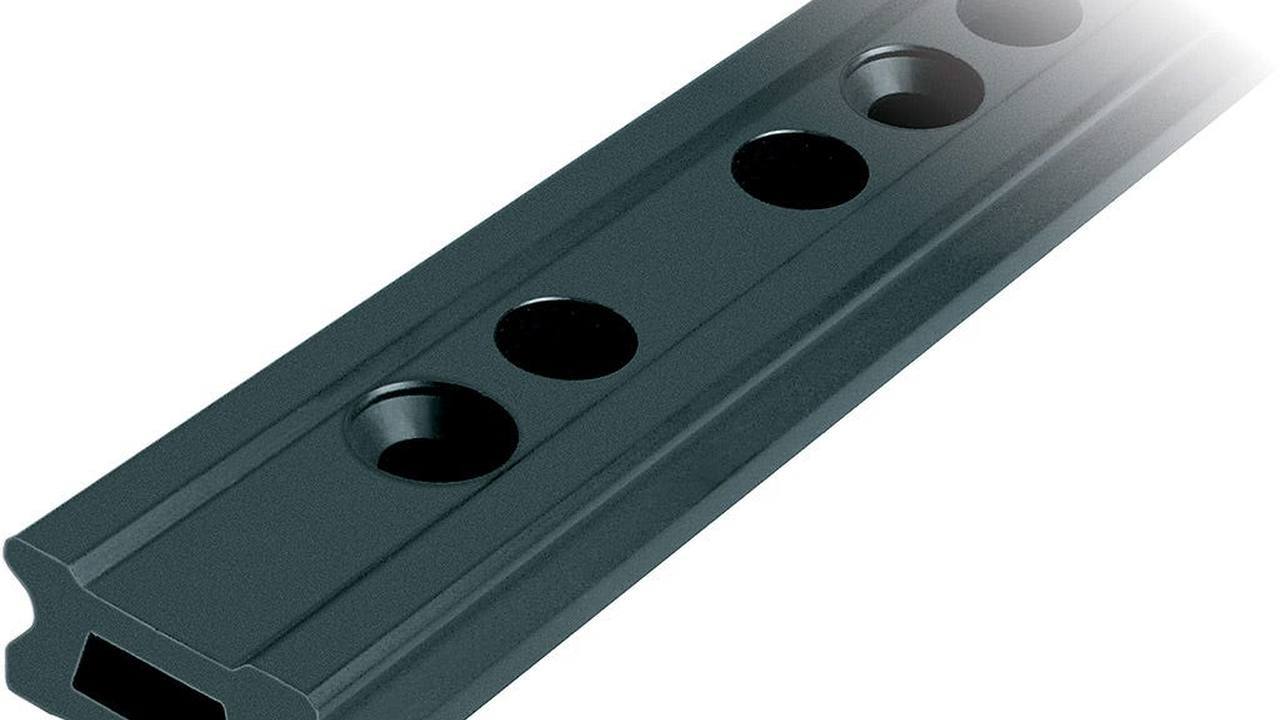
Il profilo Series 42 ribassato misura 42 millimetri di larghezza e 21 di altezza. I tratti nominali da 996, 1.996 e 2.996 millimetri hanno fori svasati per fissaggi da 10 millimetri a interasse di 100 millimetri e fori per pistoncino a 50 millimetri. Un rilievo che non corrisponde a queste quote impone di verificare codice e configurazione prima di ordinare ricambi. Fori di fissaggio e fori di arresto svolgono funzioni diverse.
I fissaggi possono deformare un profilo sano
Si osserva la pista in luce radente e si controlla ogni zona attorno alle viti. Un appoggio discontinuo o un serraggio che trascina il profilo può creare un cambio di quota impercettibile a vista ma evidente al carrello lungo. Non si allenta casualmente la viteria sotto carico. La correzione richiede accesso alla struttura, procedura per il materiale della coperta e nuovo controllo di tenuta. Se la base è deformata, sostituire il carrello non risolve.
La beam track va controllata come una trave
La versione Series 42 a trave da 2.996 millimetri è non forata ed è destinata anche a campate non sostenute sopra pozzetti o tambucci. In questo caso la flessione sotto carico è un dato centrale. Si confronta il movimento a vuoto con quello in lavoro e si osservano i vincoli terminali. Un cambiamento recente può indicare allentamento, assestamento o problema strutturale; non si compensa aumentando il gioco del sistema mobile.
Le sfere Torlon non vanno trattate alla cieca
I carrelli lavorano su due file di sfere a ricircolo. Prima di applicare qualsiasi prodotto si segue la documentazione di manutenzione prevista e si identifica ciò che ha contaminato la pista. Sale, polvere, residui di sigillante e particelle metalliche richiedono rimozione controllata. Un lubrificante non previsto può trattenere sporco o cambiare il comportamento del ricircolo. Durante lo smontaggio si evita di perdere sfere e si usa il supporto appropriato per trasferire il corpo fuori dalla rotaia.
Un corpo corto e uno lungo reagiscono diversamente
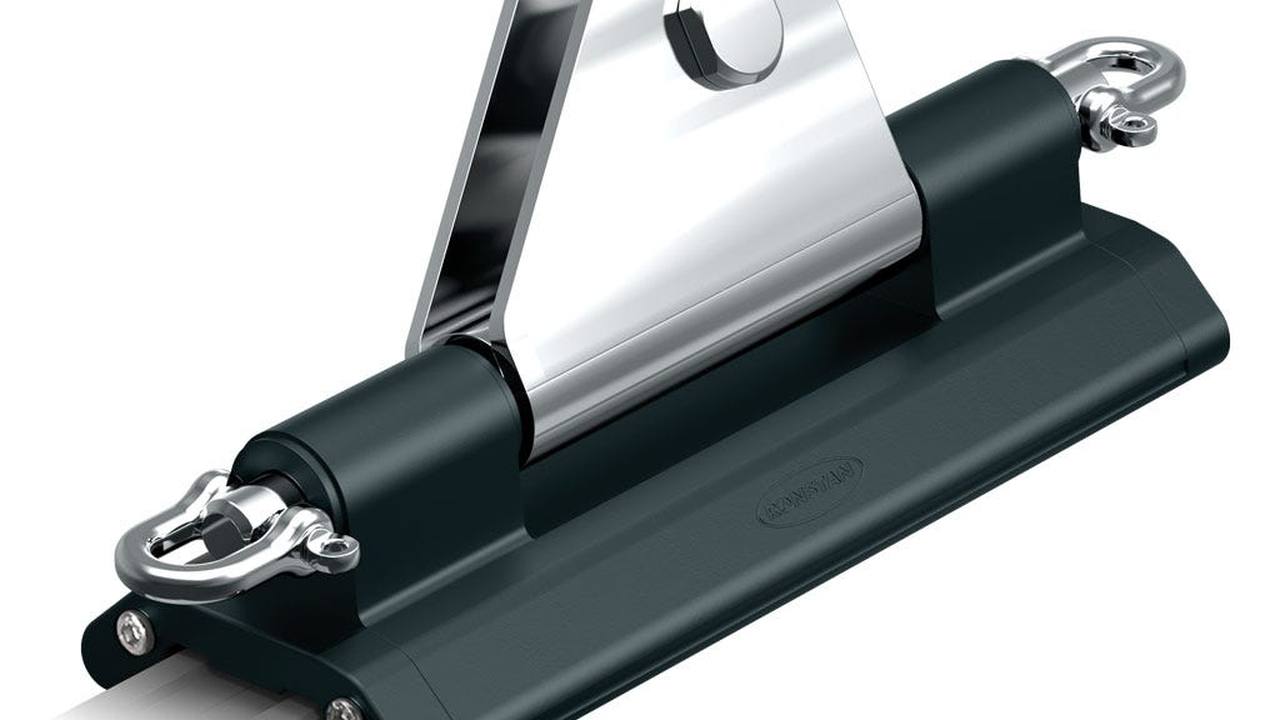
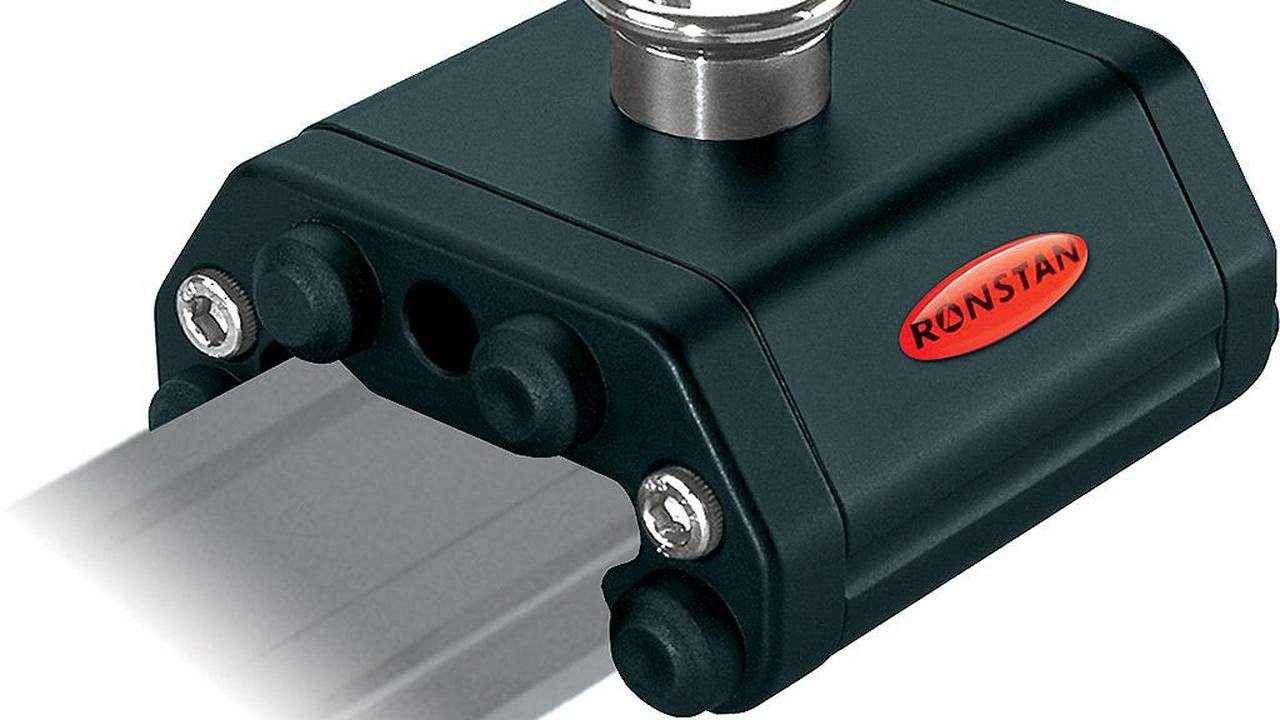
RC14205 è lungo 145 millimetri, largo 96 e usa 52 sfere; RC14214 arriva a 270 millimetri e 104 sfere; RC14215 misura 340 millimetri e ne impiega 132. Il tandem RC14215A raggiunge 485 millimetri con 188 sfere. Un corpo lungo rende evidente una variazione di asse che il carrello corto attraversa con meno contrasto. Confrontare due corpi compatibili e scarichi può quindi aiutare a localizzare un difetto di geometria.
Il valore di carico non misura la scorrevolezza
I massimi carichi di lavoro dichiarati sono 2.200 chilogrammi per RC14205, 3.000 per RC14214, 4.500 per RC14215 e 6.700 per il tandem RC14215A. Sono valori associati ai componenti nelle condizioni previste; non indicano quanta forza sia normale applicare alla cima per muovere il carrello. Un traveller duro non si diagnostica confrontando lo sforzo della mano con la portata. Si elimina il carico e si cerca attrito, disallineamento o interferenza.
La cima può essere la vera origine del difetto
Le pulegge integrate da 60 millimetri del carrello RC14214 sono indicate per cima fino a 14 millimetri. Anche i terminali Series 42 con puleggia da 75 millimetri accettano fino a 14 millimetri. Una cima gonfia, appiattita o più grande può stringere nella gola; una troppo rigida può aumentare la resistenza nei cambi di direzione. Si verifica l’intero percorso, inclusi incroci, uscita dai terminali, stopper e punti in cui la calza mostra lucidature o abrasioni.
Il terminale va provato senza il carrello
Con il sistema scarico e messo in sicurezza si fa lavorare la cima nei terminali isolandola dal carrello. Se lo sforzo rimane, il problema è nel circuito o nelle pulegge. RC14287 usa una doppia puleggia da 50 millimetri con becket; RC14285 impiega una puleggia da 75 millimetri con becket. Le geometrie non sono intercambiabili soltanto perché montano sulla stessa famiglia di pista. Si controllano rotazione, guance, allineamento e compatibilità della cima.
Il rapporto di rinvio cambia ciò che si percepisce
Più rinvii riducono lo sforzo richiesto ma aumentano la lunghezza di cima in movimento e il numero di punti di attrito. Un sistema che sembra pesante può avere una puleggia frenata; uno che scorre leggero ma non mantiene la regolazione può avere un problema in un elemento di ritenzione esterno al carrello. Prima di modificare il paranco si ricostruisce lo schema reale, si confronta con la configurazione approvata e si verifica che ogni ramo lavori nella gola corretta.
Il finecorsa deve fermare, non raddrizzare
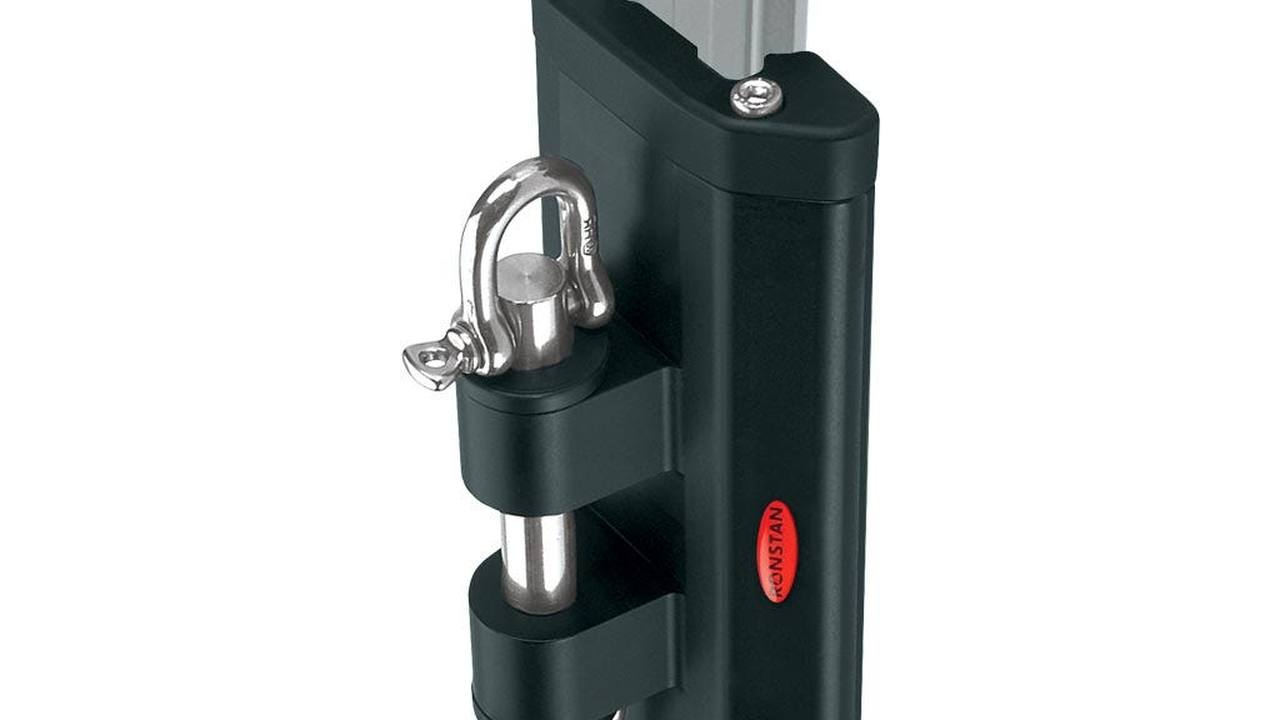
RC14281 è il finecorsa in lega; RC14281A integra un becket, misura 98 per 55 millimetri, pesa 360 grammi e riporta un massimo carico di lavoro di 2.000 chilogrammi. Tamponi e terminale devono arrestare il corpo prima che esso incontri ostacoli. Se la pista o il carrello arrivano al finecorsa inclinati, l’arresto riceve anche una spinta laterale che non va ignorata. Si cerca quindi la causa dell’angolo prima di intervenire sulla battuta.
L’arresto regolabile deve entrare fino in fondo
RC14283 ha un pistoncino bloccabile in posizione sollevata, utile durante installazione e rimozione, e può fungere da riserva per mantenere il carrello in posizione. Durante il controllo si puliscono i fori dedicati e si verifica l’inserimento completo, senza carico laterale. Un pistoncino che appoggia soltanto sul bordo può sembrare chiuso ma non ha la geometria prevista. Il passo di 50 millimetri offre posizioni discrete, non una regolazione continua.
La tabella guida le prove senza confondere i sintomi
| Sintomo | Prova isolata | Area probabile | Azione sicura |
|---|---|---|---|
| Punto duro fisso | Carrello scarico | Pista o fissaggio | Fermarsi prima del punto |
| Sforzo solo sotto carico | Cima scollegata | Angolo o struttura | Verificare allineamento |
| Cima frenata | Terminali isolati | Puleggia o diametro | Controllare percorso |
| Arresto incerto | Pistoncino scarico | Foro o contaminazione | Pulire e verificare innesto |
Segni lucidi e polvere indicano contatto
Si cercano lucidature nuove sui fianchi della rotaia, sulle guance delle pulegge, vicino ai padeye e sui bordi del carrello. Polvere scura o metallica segnala materiale asportato, non normale patina. Anche una cima localmente piatta racconta che la gola o l’angolo stanno comprimendo la calza. Le superfici vengono fotografate prima della pulizia, così il tecnico può distinguere la direzione del contatto e confrontarla dopo la correzione.
Il carico laterale nasce spesso fuori dalla rotaia
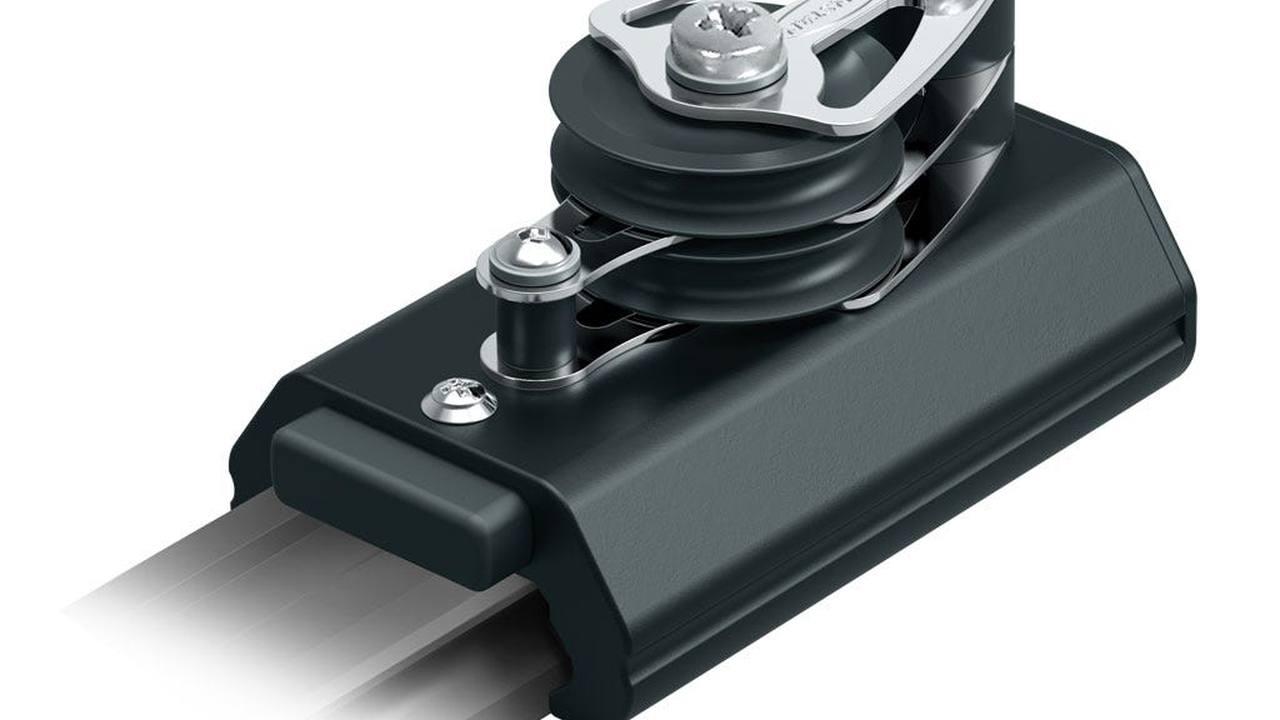
Un blocco sul boma, un padeye ruotato o una cima che cambia piano possono torcere il carrello. Si osserva il sistema da prua e di lato nelle diverse posizioni, senza mettere persone nel raggio della manovra. Il punto di attacco dovrebbe accompagnare l’orientamento previsto, non portare il corpo contro un bordo della pista. Nel tandem con ponte pivotante si controlla inoltre che il ponte sia libero e non raggiunga un arresto angolare.
La corrosione si valuta nelle interfacce
Corpo e pista sono in lega anodizzata, mentre diversi elementi sono in acciaio inox. La protezione dipende anche da isolamento, drenaggio e condizioni di montaggio. Aloni, rigonfiamenti, prodotto bianco o fissaggi che non mantengono il serraggio richiedono ispezione competente. Non si carteggia indiscriminatamente l’anodizzazione e non si copre il segno con sigillante: prima si determina se il fenomeno è superficiale o interessa l’interfaccia strutturale.
La prova finale ripete la corsa per livelli
Dopo la correzione, il carrello compie l’intera corsa a vuoto in entrambe le direzioni. Si collega quindi la cima e si verifica il circuito senza carico rilevante. Solo in seguito si prova la regolazione nelle normali condizioni autorizzate, aumentando gradualmente la tensione. Ogni fase deve restare uniforme e silenziosa. Se il punto duro ritorna sotto carico, il risultato indirizza verso struttura o geometria invece che verso sfere e pulizia.
Quando interrompere e chiamare il tecnico
La prova si ferma se compaiono fissaggi mobili, crepe, deformazioni, corrosione sotto la pista, sfere mancanti, carrello che tenta di uscire, finecorsa danneggiato o variazioni evidenti della beam track. Si interrompe anche quando il difetto richiede di allentare elementi strutturali o applicare un carico non controllato. In questi casi servono attrezzista e, secondo la costruzione, cantiere o progettista. La scorrevolezza non giustifica scorciatoie su una parte che riceve la scotta.
Una diagnosi ordinata è più veloce di un tentativo
Il metodo efficace segue il percorso dell’energia: carrello scarico, pista, fissaggi, sfere, cima, pulegge, punti di attacco e struttura. Ogni prova modifica una sola variabile e lascia un risultato osservabile. In questo modo un problema di 50 millimetri sulla rotaia non viene confuso con un terminale frenato, e una cima inadatta non porta a sostituire un carrello sano. La Series 42 torna a lavorare correttamente quando la causa viene rimossa, non quando la forza applicata riesce momentaneamente a superarla.