
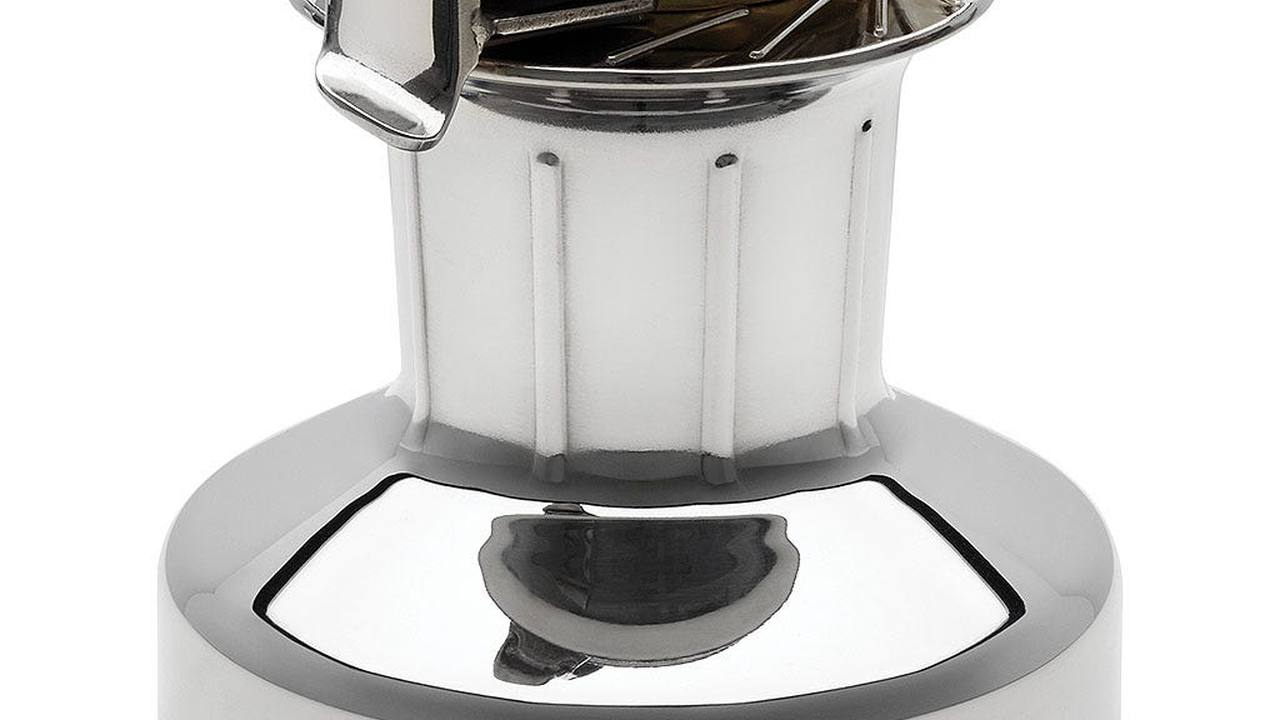
Un winch può sembrare perfetto perché gira e brilla, mentre una spira sovrapposta, una ganascia sporca o una base che si muove stanno già preparando il problema. La serie manuale Andersen Full Stainless va dalla 12ST alla 72ST. questa analisi traduce le caratteristiche dichiarate in controlli concreti da eseguire prima, durante e dopo la manovra, mantenendo separate osservazione, uso e manutenzione.
Prima regola: identificare il modello installato
Si legge il codice e si registra la taglia, senza dedurli dal diametro apparente. La gamma include 12, 18, 28, 34, 40, 46, 50, 52, 58, 62, 68 e 72. Le 12ST e 18ST sono a una velocità; dalla 28ST le versioni manuali considerate sono a due velocità. Disegno, ricambi e procedura devono appartenere a quella precisa unità. Un manuale simile non diventa corretto per somiglianza.
Controllo a barca ferma prima di caricare
La campana deve ruotare libera, senza grattare o oscillare. Si osservano base, anelli, braccio self-tailing, ganasce e attacco della maniglia. Sale, sabbia, fibre, ossidazione estranea e tracce d’acqua vengono annotati e rimossi con metodi compatibili. Dadi e contropiastra sotto coperta non devono mostrare movimento o infiltrazioni. Se appare una variazione rispetto al controllo precedente, il winch resta scarico fino alla diagnosi.
| Momento | Controllo | Stop immediato se |
|---|---|---|
| prima dell’uso | base, rotazione, ganasce, cima | gioco, danno o contaminazione |
| durante il recupero | spire, risalita, suono, postura | incrocio, scatto o rumore nuovo |
| durante il lasco | presa e controllo della coda | rilascio imprevedibile |
| dopo l’uso | pulizia, fissaggi, registro | calore, usura o infiltrazione |
La cima va verificata per diametro e stato
Le ganasce regolabili accettano differenti diametri entro i limiti del modello, ma non ogni cima disponibile a bordo. Si controllano diametro, costruzione, rigidità, appiattimento, lucidatura da calore e fibre rotte. Una scotta contaminata cambia attrito e comportamento. La regolazione del self-tailer si esegue senza carico seguendo la documentazione. Non si forza una cima sovradimensionata e non si considera sicura una troppo sottile soltanto perché entra nella gola.
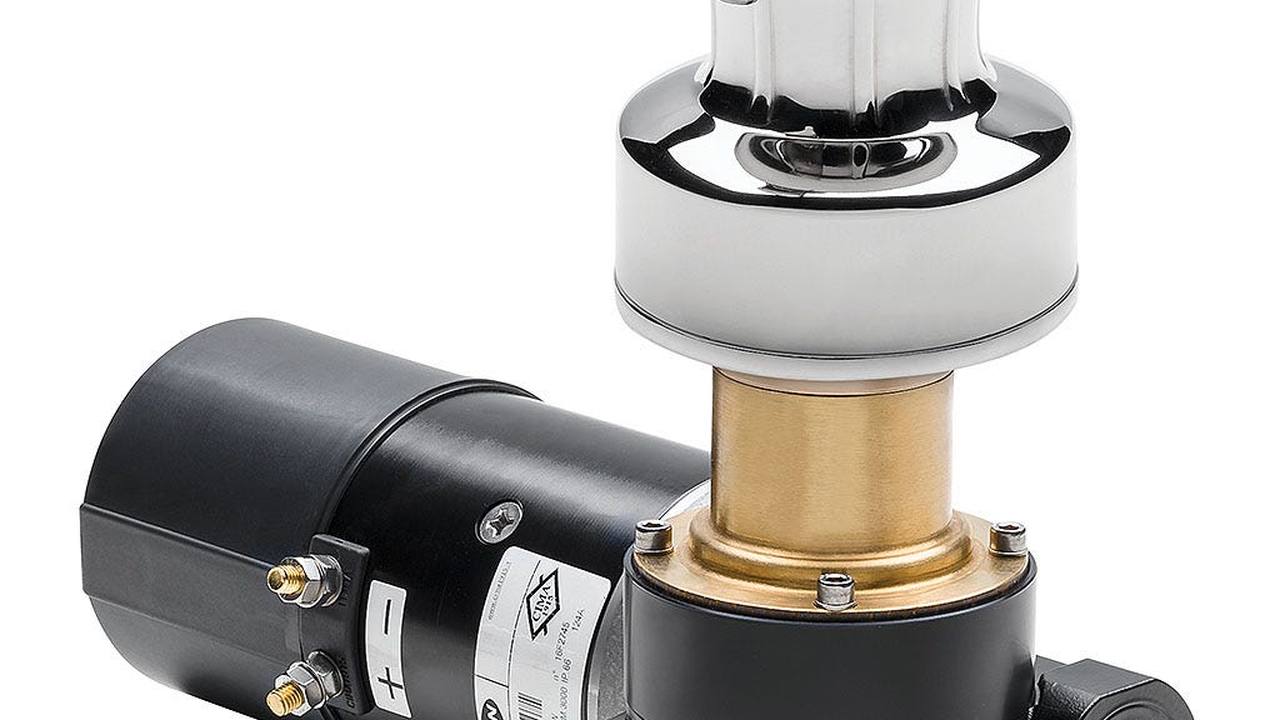
Il verso di avvolgimento non si improvvisa
La cima deve avvolgersi nel verso previsto e risalire dalla parte bassa della campana verso il self-tailer. Prima di applicare forza si verifica l’arrivo dal rinvio, l’assenza di torsioni e lo spazio per la coda. Un avvolgimento contrario o un ingresso troppo alto può produrre sovrapposizioni. La mano che accompagna la coda resta distante dalle spire caricate e non tenta mai di correggere un incattivamento mentre il winch è sotto tensione.
Power Rib non elimina la necessità delle spire corrette
Il profilo Power Rib è progettato per offrire presa controllata in recupero e rilascio; la superficie verticale lucidata favorisce la risalita delle spire con minore attrito verticale. Il comportamento dipende comunque da cima, carico e condizioni. Si adotta il numero di spire indicato per la manovra e lo si aumenta o riduce soltanto con procedura consapevole. Se la cima scivola, non si stringe a mani nude sulla campana: si scarica e si individua la causa.
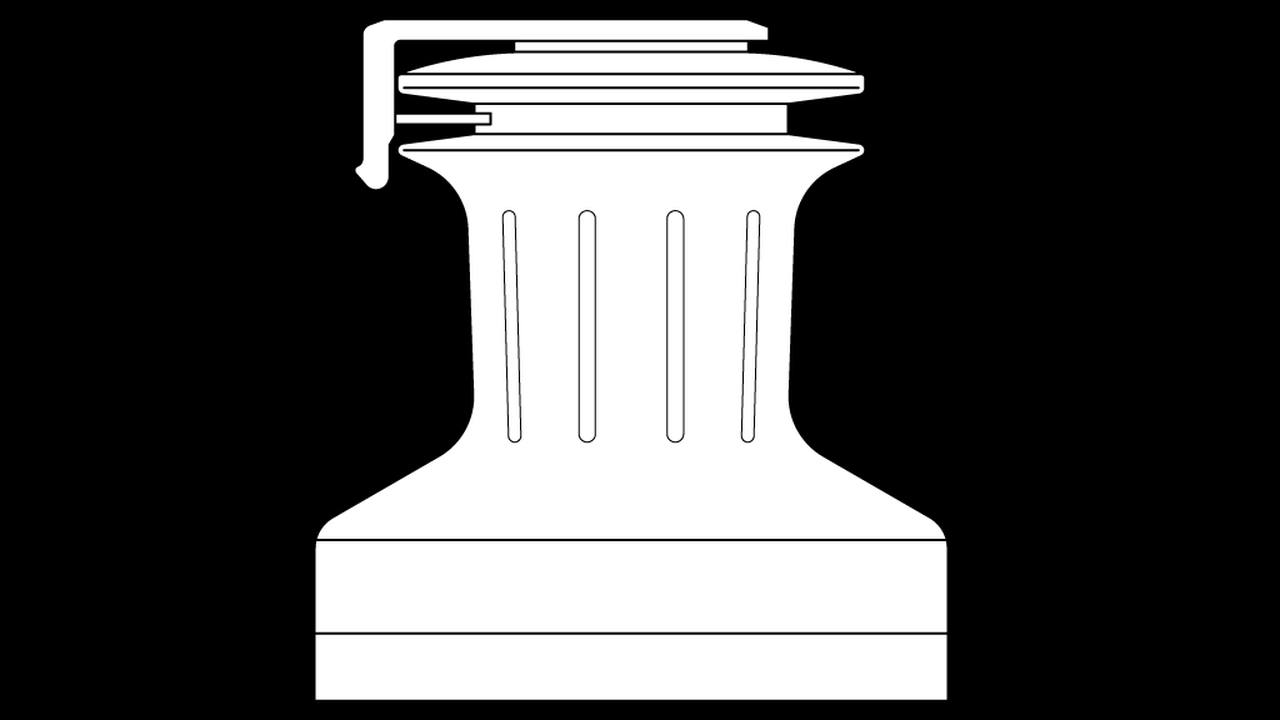
Le spire devono restare ordinate e separate
Durante il recupero si osserva che ogni giro salga senza cavalcare quello superiore. Una sovrapposizione può serrare la cima e bloccare la possibilità di filarla. Quando compare un accumulo si interrompe la forza prima che il carico cresca. L’operatore non inserisce dita o utensili tra i giri. La soluzione avviene scaricando la manovra con un metodo previsto e con comunicazione chiara tra timoniere e addetto alla scotta.
Il self-tailer trattiene, l’operatore controlla
La cima entra nelle ganasce e viene orientata dal braccio. Si controlla che sia seduta correttamente e che la coda esca verso un’area libera. Sui modelli 40ST e maggiori il braccio può ruotare di 360 gradi: l’orientamento va stabilito a vuoto per evitare interferenze. Non si usa il self-tailer come giustificazione per abbandonare una manovra caricata. Chi opera deve vedere campana, rinvio e zona di uscita.
Una velocità richiede un ritmo coerente
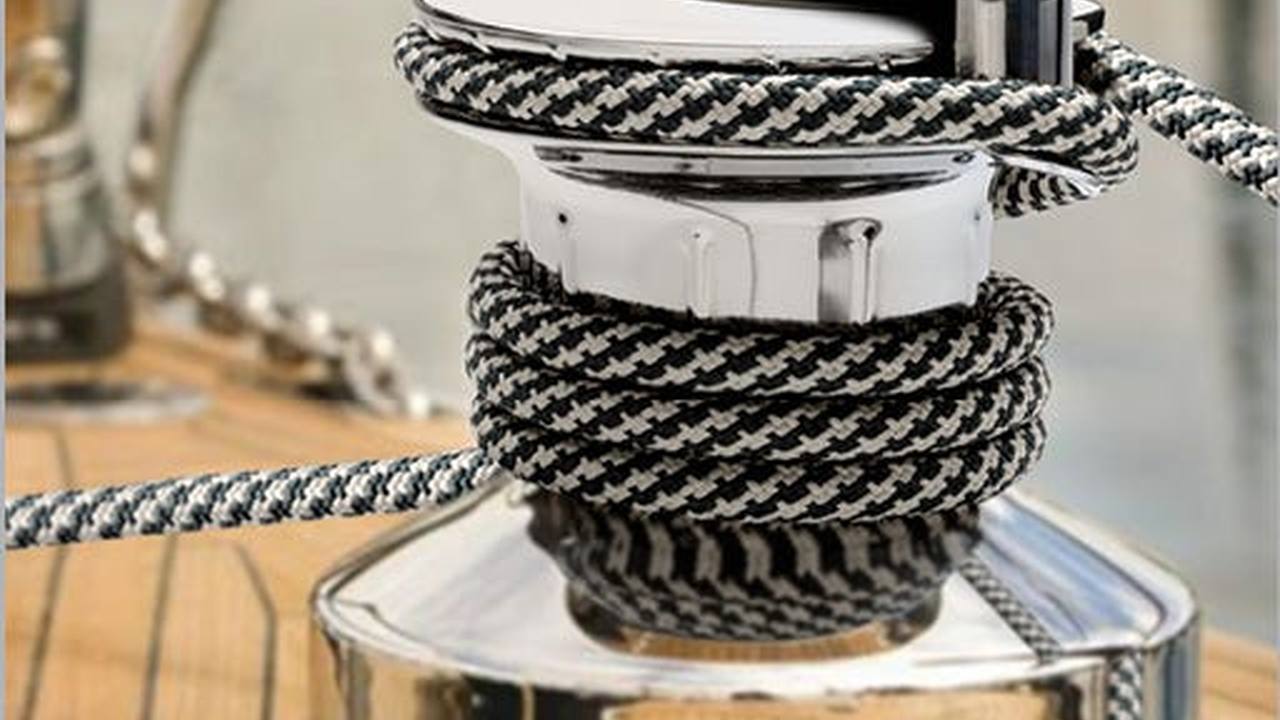
12ST e 18ST hanno rapporto unico. Sul 12ST il costruttore dichiara rapporto di ingranaggio 1,3:1 e rapporto di potenza 9,5:1. L’operatore recupera il lasco senza strappi e riduce il ritmo quando aumenta la resistenza. Se occorre uno sforzo sproporzionato, si controllano assetto della vela, rinvii e cima; non si allunga la maniglia e non si aggiunge una seconda persona sulla stessa leva.
Due velocità vanno provate prima dell’emergenza
Dalla 28ST la serie manuale esaminata usa due velocità ottenute cambiando il senso della maniglia. La sequenza deve essere nota a tutto l’equipaggio. Sul 28ST sono dichiarati rapporti di ingranaggio 1,3:1 e 4,0:1, con rapporti di potenza 9,5:1 e 28,6:1. In porto si prova la transizione a carico leggero, verificando che innesto, suono e resistenza siano netti. Un cambio incerto impone ispezione.
La maniglia deve entrare, bloccarsi e uscire
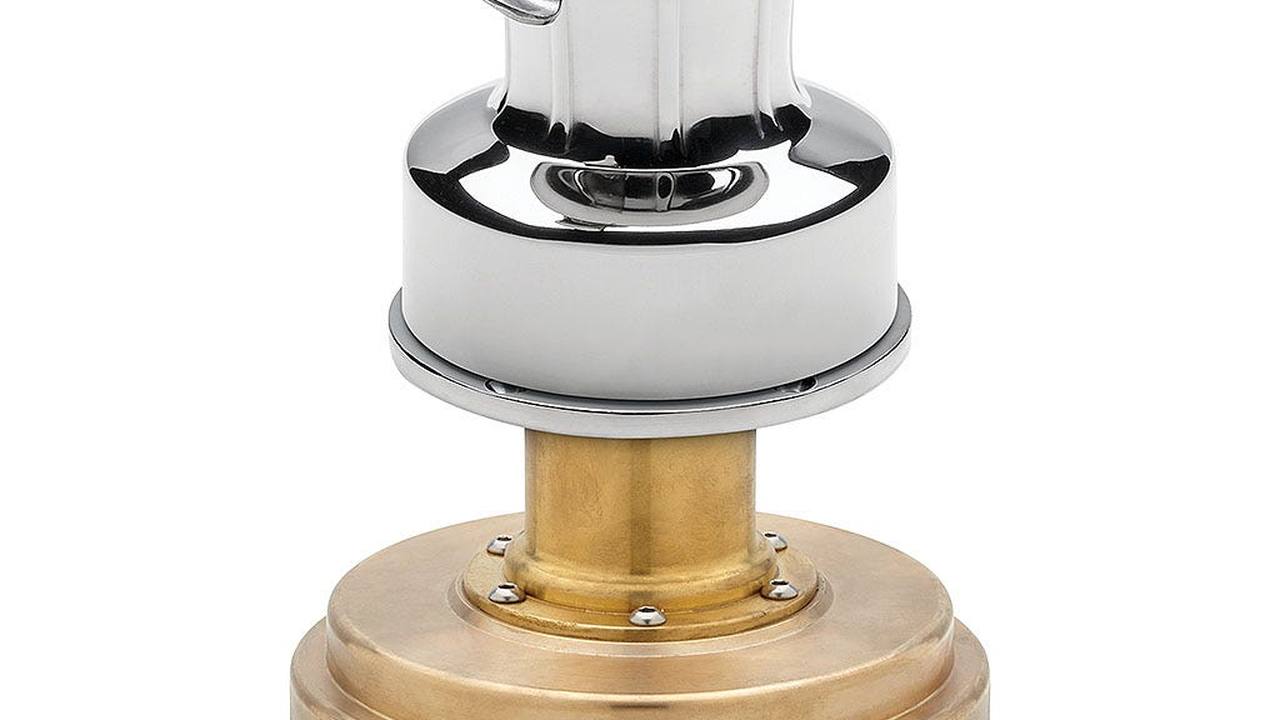
Attacco e meccanismo di ritenuta devono essere puliti. La maniglia compatibile viene inserita e controllata prima di caricare; al termine viene rimossa e stivata. Non la si lascia sul winch durante passaggi in coperta. La rotazione completa deve essere libera da strumenti, tientibene e persone. Guanti e posizione del corpo sono provati in anticipo, perché un ostacolo che sembra marginale a barca ferma diventa critico con sbandamento e onda.
La base racconta ciò che accade sotto coperta
Qualunque movimento tra winch e coperta segnala un problema. Si osservano fessure del sigillante, impronte, deformazioni e acqua. Sotto coperta si controllano dadi, rondelle e contropiastra senza serrare automaticamente: una variazione richiede confronto con la procedura e verifica della struttura. Il semplice aumento della coppia può comprimere un sandwich danneggiato. Data e risultato entrano nel registro, con fotografia se appare un segno nuovo.
Acciaio 316 lucidato non significa manutenzione zero
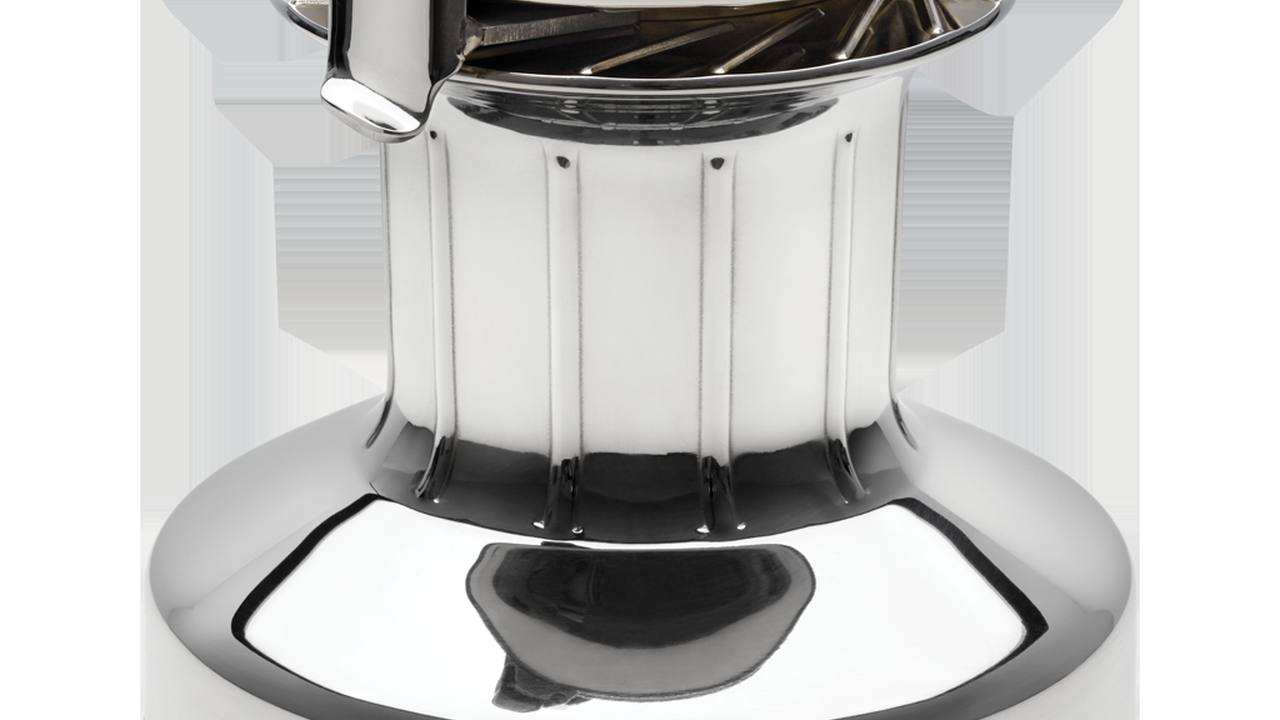
Campana, ganasce, anelli, albero di trasmissione e braccio stripper sono dichiarati in acciaio inossidabile grado 316 lucidato. Sale e contaminanti ferrosi possono comunque macchiare o alterare le superfici. Dopo l’uso si risciacqua secondo le indicazioni applicabili, evitando abrasivi e prodotti non compatibili. Il lavaggio esterno non sostituisce la manutenzione interna e non deve spingere sporco o sostanze aggressive nei cuscinetti.
Rumore e gioco sono dati, non impressioni
Il sistema usa cuscinetti a rulli e a sfere in acciaio per trasferire i carichi della campana al fusto centrale limitando le perdite per attrito. Un rumore nuovo, un punto duro, un ritorno irregolare o gioco laterale vengono confrontati con la condizione registrata. Non si applica lubrificante dall’esterno per nascondere il sintomo. Il winch viene scaricato e aperto soltanto da chi dispone di procedura, spazio e capacità adeguati.
La manutenzione biennale è un riferimento, non una garanzia
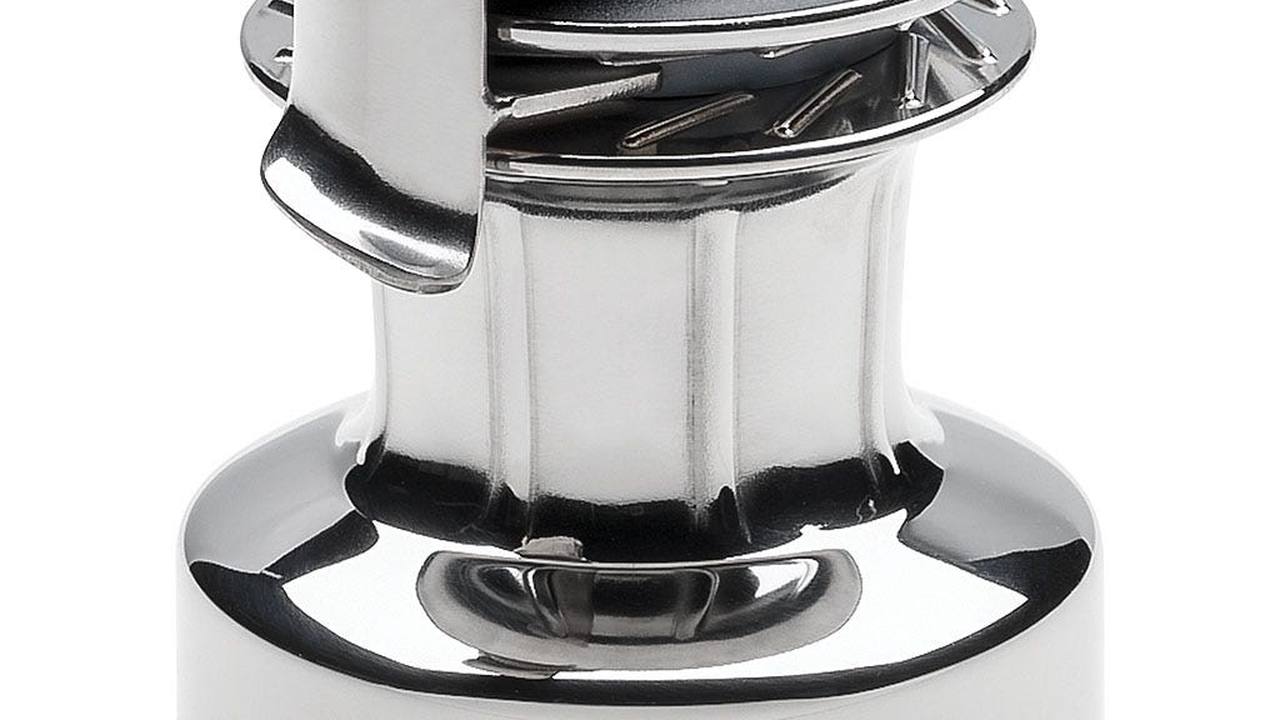
Per uso normale il costruttore indica un intervento all’incirca ogni due anni. Acqua salata intensa, regate, sabbia, lunga inattività o sintomi anticipano la scadenza. L’intervallo si basa quindi su calendario e condizioni. Cricche e molle sono costruite per restare trattenute durante lo smontaggio, facilitando il servizio, ma parti piccole e sequenze richiedono ordine. Si usano ricambi e grasso prescritti per il modello identificato.
Lo smontaggio parte da un banco preparato
Prima di aprire si scarica completamente la cima, si rimuove la maniglia e si impedisce l’uso della postazione. Foto progressive, contenitori numerati e superficie pulita riducono gli errori. Non si mescolano pezzi tra winch gemelli senza averne verificato l’identità. Usura, depositi e orientamento vengono documentati. Se una fase non corrisponde alla procedura ufficiale, il lavoro si ferma: forzare una campana o una vite può creare un danno non immediatamente visibile.
La prova dopo il servizio procede per livelli
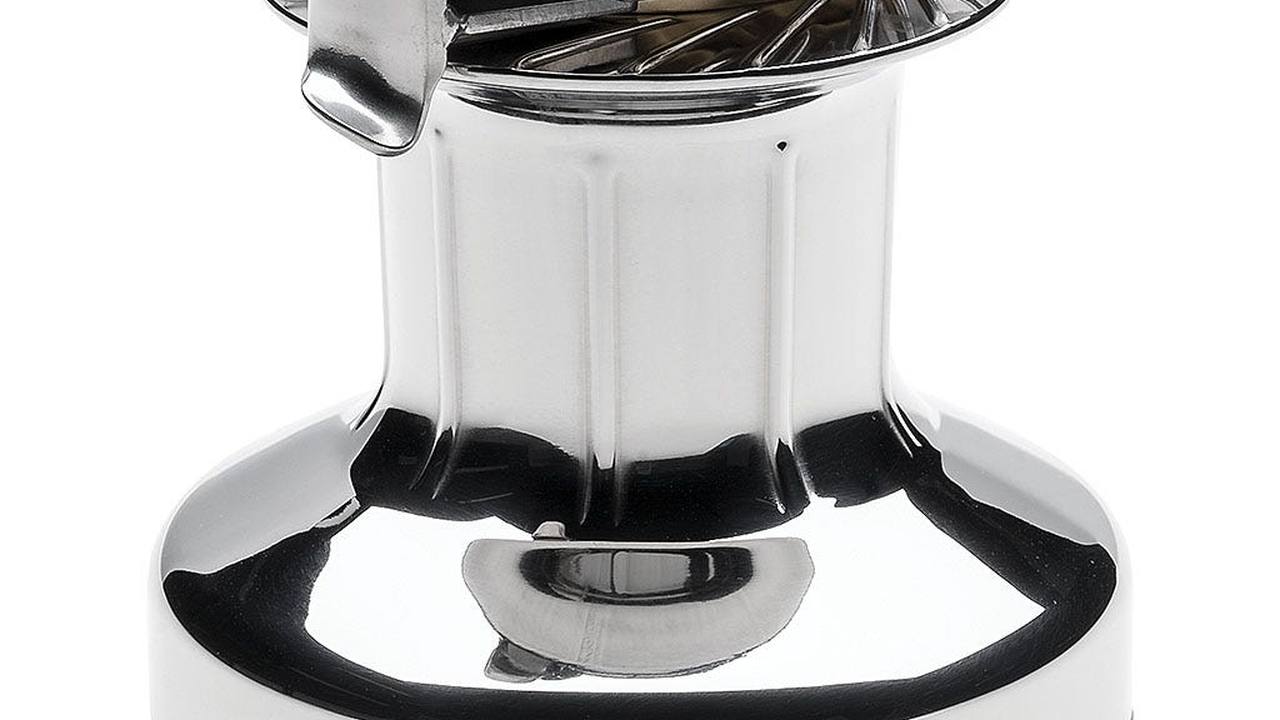
Il rimontaggio viene seguito da rotazione manuale a vuoto, prova della maniglia nelle direzioni previste, controllo del self-tailer e verifica dei fissaggi. Solo dopo si usa una cima con carico contenuto in ambiente controllato. Si osservano risalita, presa, cambio di velocità e rilascio. Nessuno tiene le mani vicino alle spire. Un esito positivo viene registrato; un’anomalia riporta immediatamente il sistema allo stato non operativo.
Il controllo cambia dopo un lungo periodo di inattività
Una barca rimasta ferma non riparte dal presupposto che il winch sia nelle stesse condizioni dell’ultima uscita. Si cercano sale cristallizzato, polvere, irrigidimento della cima, infiltrazioni e movimenti della base. La rotazione a vuoto viene confrontata tra unità gemelle senza considerare la differenza una diagnosi definitiva. Prima di una manovra impegnativa si esegue una prova progressiva in porto. Se l’intervallo di servizio è scaduto o sconosciuto, la rimessa in uso non lo azzera.
Una cima nuova richiede una nuova prova
Diametro nominale uguale non garantisce identico comportamento: costruzione, calza, rigidità e trattamento superficiale cambiano presa e risalita. Dopo la sostituzione si verifica l’alloggiamento nelle ganasce e si osservano le spire a carico ridotto. La regolazione del self-tailer segue i limiti del modello. La prima uscita viene considerata parte del collaudo e l’equipaggio mantiene margine per interrompere. Segni di schiacciamento o scorrimento vengono documentati prima di continuare a utilizzare la nuova cima.
Passaggio di consegne e ospiti richiedono una dimostrazione
Chi sale a bordo deve conoscere verso di avvolgimento, uso della maniglia, cambio di velocità e comando di stop. La spiegazione avviene a winch scarico e include ciò che non va fatto: mani tra le spire, tentativi di liberare una sovrapposizione sotto carico e maniglia lasciata inserita. Nelle manovre con più persone si assegna chi gira, chi controlla la coda e chi coordina con il timoniere. Parole brevi e concordate riducono l’ambiguità quando vento e rumore aumentano.
La procedura pre-uscita deve essere breve e ripetibile
Modello noto, base ferma, campana libera, maniglia efficiente, cima integra, percorso pulito, ganasce operative e coda libera: questi controlli devono poter essere completati senza memoria selettiva. La scheda di bordo assegna un responsabile e distingue i difetti che vietano l’uso dalle osservazioni da monitorare. In manovra una sola voce coordina carico e rilascio. Velocità non compensa incertezza: se qualcosa non appare normale, si ferma prima di moltiplicare la forza.
La sicurezza nasce dalla possibilità di dire stop
Un Andersen Full Stainless efficiente rende il lavoro fluido, ma la lucidatura non mostra cosa accade nei rinvii o sotto la base. La vera verifica è la prevedibilità: la cima sale ordinata, il cambio è netto, il self-tailer trattiene e il carico può essere ridotto in modo controllato. Equipaggio addestrato, registro e manutenzione trasformano queste condizioni in una routine. Quando manca una sola risposta, il winch non viene “provato meglio” sotto carico: viene controllato.