

Una zattera costiera può essere nuova, omologata e comunque non pronta. Basta una revisione calcolata male, un contenitore bloccato, una capacità inferiore alle persone o un tender trattato come equivalente senza possedere tutti i requisiti. La checklist tecnica deve quindi seguire un ordine rigoroso: identificazione del prodotto, disciplina applicabile, capacità, confezionamento, installazione, documenti, scadenze e prova di accesso.
Per la navigazione entro dodici miglia l’Allegato V aggiornato richiede la zattera costiera per tutte le persone a bordo. Il decreto tecnico del 2009 ne stabilisce caratteristiche e intervalli di revisione: prima a trentasei mesi, poi ogni ventiquattro. Le equivalenze introdotte nel quadro aggiornato sono reali, ma condizionate. Questa guida serve a verificare il sistema senza aprire il pacco o improvvisare manutenzioni.
1. Apri la commessa con rotta, persone e unità
La scheda iniziale registra distanza massima dalla costa, tipo di unità, marcatura, numero di persone previste e configurazione di coperta. La voce “entro dodici miglia” va collegata al punto più lontano della rotta. Se il cliente chiede una dotazione valida anche oltre quel limite, il tecnico non propone una zattera costiera come soluzione universale.
Si rilevano inoltre spazio disponibile, passaggi, altezza dei gavoni, presenza di selle esterne, drenaggi, punti strutturali e carichi vicini. Il rilievo fotografa la posizione prima di qualsiasi modifica. Una installazione corretta nasce dai dati reali e non da una misura approssimativa del solo contenitore.
2. Verifica capacità e identificazione senza aprire il pacco
Il contenitore deve riportare dati leggibili e corrispondenti alla documentazione. Si rilevano fabbricante, modello, matricola, capacità, dicitura per la navigazione entro dodici miglia, data di fabbricazione e riferimenti della revisione. La capacità deve coprire tutte le persone a bordo previste per quella navigazione.
Non si apre la sacca sottovuoto per un controllo visivo informale. Se il sigillo è danneggiato, i dati non coincidono o l’involucro presenta urti, infiltrazioni o deformazioni, la zattera viene classificata “non pronta” e inviata al centro competente. La checklist separa sempre ispezione esterna e revisione interna.
3. Controlla la marcatura specifica della versione costiera
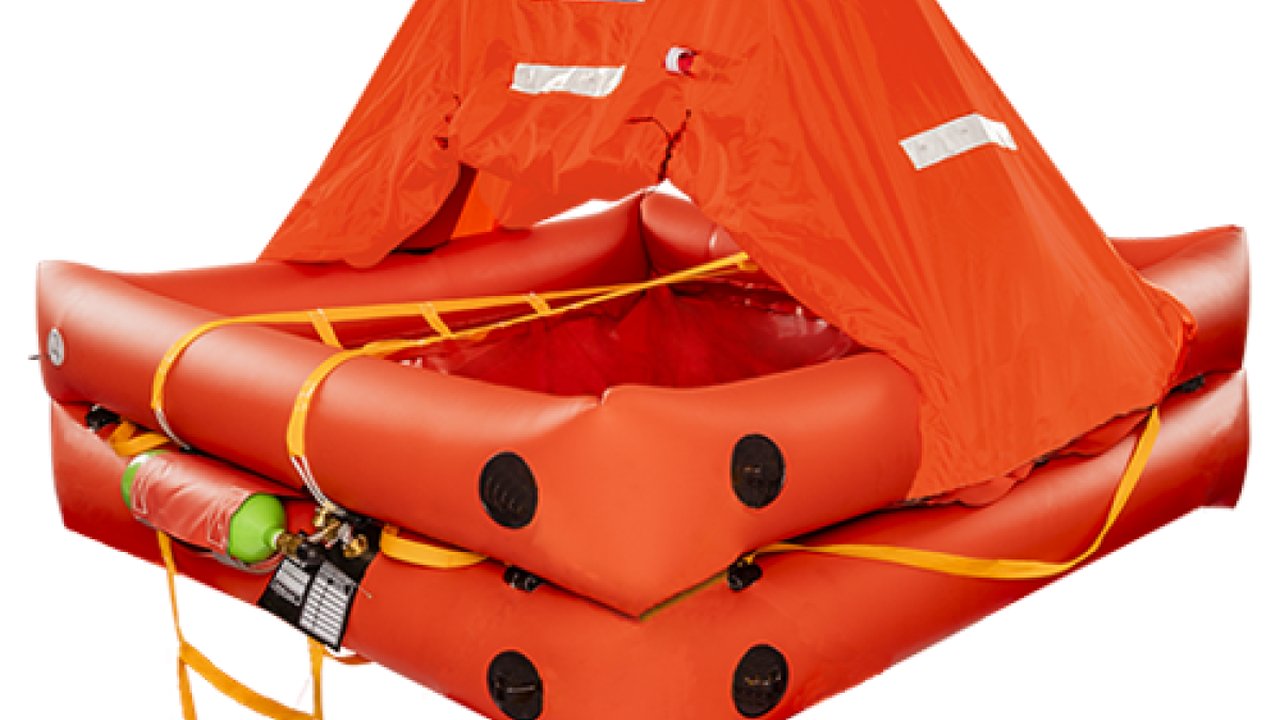
Il modello deve essere riconoscibile come zattera aperta per la navigazione entro dodici miglia. La denominazione commerciale da sola non prova l’idoneità. Il tecnico confronta etichetta, certificato, approvazione e manuale, verificando che la configurazione non sia stata ricostruita con un contenitore appartenente a un altro modello.
Le zattere riconosciute da amministrazioni di Stati dell’Unione europea o dello Spazio economico europeo possono essere ammesse quando garantiscono un livello di protezione equivalente secondo le condizioni previste. Questa equivalenza non si presume dalla sola marcatura estera: va documentata per il prodotto e l’impiego concreto.
4. Confezionamento: sacca sottovuoto e contenitore sono un sistema
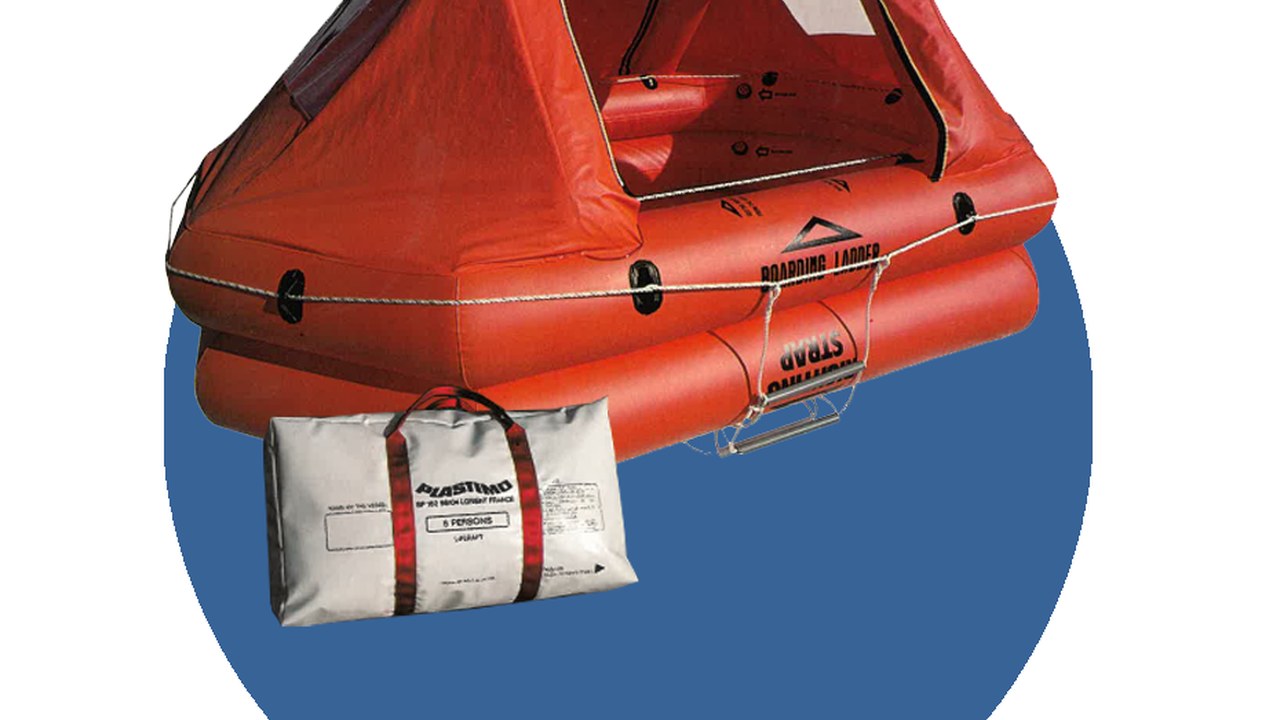
La zattera con le dotazioni deve essere racchiusa in una sacca che permetta il sottovuoto e inserita in un contenitore idoneo. La checklist esterna controlla integrità, chiusure, deformazioni, abrasioni, segni di calore, contaminazione e leggibilità. Non si applicano nastri, viti o sigillanti estranei che possano ostacolare l’apertura.
Se il contenitore è in valigia, si prova l’estrazione dal gavone. Se è rigido e montato su sella, si verifica che cinghie e liberazione siano conformi alle istruzioni. Il supporto protegge durante la navigazione ma deve consentire il rilascio nel momento previsto. Protezione e accessibilità vengono collaudate insieme.
5. Elementi tecnici da riscontrare nei documenti
| Voce | Requisito del modello costiero | Evidenza |
|---|---|---|
| Stabilizzazione | Almeno due tasche simmetriche; totale non inferiore a 80 litri | Scheda approvata |
| Visibilità | Tubolare superiore altamente visibile | Specifiche e foto revisione |
| Retroriflettente | Superficie complessiva minima prevista | Scheda tecnica |
| Fondo isolato | Non richiesto nella configurazione costiera | Modello identificato |
| Tenda | Non richiesta | Modello identificato |
| Luci interne/esterne | Non richieste | Modello identificato |
Il tecnico non apre la zattera per verificare queste caratteristiche fra una revisione e l’altra. Controlla che i documenti approvati descrivano il modello presente e che il rapporto di revisione attesti l’intervento. Eventuali incongruenze vengono risolte prima di chiudere la commessa.
6. Inventario del corredo di emergenza
La configurazione costiera comprende soffietto, coltello galleggiante a lama fissa collegato a sagola, torcia stagna con pile separate in busta stagna, sassola, kit di riparazione, due pagaie, due spugne, fischietto e acqua in quantità di 0,250 litri per persona. La verifica interna appartiene alla revisione autorizzata.
Alla riconsegna il tecnico controlla che il rapporto indichi capacità e interventi eseguiti. Non basta ricevere un contenitore richiuso. Se il cliente impiega un kit di sopravvivenza per una equivalenza ammessa, quel kit ha inventario e documentazione propri e non viene confuso con il corredo sigillato della zattera.
7. Calcola la revisione senza scorciatoie
La prima revisione della zattera costiera è prevista a trentasei mesi; le successive ogni ventiquattro. Il software di manutenzione registra data di fabbricazione o messa in servizio pertinente, ultima revisione, prossima scadenza e documento associato. La data non viene spostata perché la barca è rimasta a terra o ha navigato poco.
Si imposta un preavviso che consenta di sbarcare, trasportare, revisionare e reinstallare il mezzo prima dell’uscita programmata. Se il contenitore subisce un evento anomalo, la scadenza ordinaria non è un lasciapassare. La checklist apre una valutazione straordinaria e mantiene la dotazione fuori servizio fino all’esito.
8. Ispeziona il luogo di stivaggio
Il vano deve essere asciutto, raggiungibile e libero da carburante, solventi, batterie non protette, spigoli, scarichi ostruiti e carichi pesanti. La valigia non viene compressa sotto attrezzature stagionali. Il coperchio deve aprirsi con la barca allestita, non soltanto durante il rimessaggio quando i gavoni sono vuoti.
La prova viene eseguita con parabordi, tender, bagagli e dotazioni nelle posizioni reali. Si cronometrano apertura, presa e trasferimento al punto di varo senza attivare il mezzo. Se servono chiavi nascoste o occorre spostare troppi oggetti, la posizione viene riprogettata.
9. Collauda selle, cinghie e liberazione
Una sella esterna viene fissata su una struttura capace di sostenere massa e carichi dinamici. Il montaggio rispetta orientamento e compatibilità del contenitore, evita ristagni e non crea interferenze con passaggi, timoneria, tientibene o aperture. Le cinghie trattengono il mezzo in navigazione ma seguono la procedura di rilascio prevista.
Il tecnico controlla corrosione, serraggi, bordi, gioco e accesso. Non sostituisce componenti con soluzioni generiche senza verificarne l’idoneità. Ogni modifica è fotografata e riportata nel verbale. Il collaudo a secco dimostra che almeno due persone possono liberare e movimentare il contenitore nella configurazione normale.
10. Verifica peso, trasporto e movimentazione
Il peso della zattera, del contenitore e del supporto deve essere noto. Si verifica la portata della struttura e si valuta l’effetto sull’assetto, soprattutto su unità piccole o con installazione a poppa. Il percorso di sbarco per la revisione deve essere praticabile senza danneggiare arredi, cavi o il contenitore stesso.
La checklist indica numero di operatori, punti di presa e attrezzature ammesse. Trascinare la valigia, sollevarla da parti non previste o farla cadere può compromettere il sistema. La consegna al centro di revisione comprende identificazione e protezione durante il trasporto.
11. Tender equivalente: compila una verifica separata
Il battello pneumatico di servizio può assumere la funzione prevista entro dodici miglia soltanto se è marcato CE, conforme agli standard richiamati, pronto all’uso, varabile a mano, capace di accogliere tutte le persone, dotato di dispositivo di risalita e del kit di sopravvivenza previsto. La checklist riporta ogni riga con evidenza.
Un tender piegato, installato su una gru non manovrabile a mano, privo di risalita o di capacità sufficiente non supera il controllo. Si effettua una prova senza mettere in pericolo persone o barca, registrando tempi e ostacoli. L’equivalenza viene riesaminata dopo ogni cambio di tender, motore, gru o disposizione.
12. Unità pneumatiche: non applicare esenzioni per abitudine
Per alcune unità pneumatiche, comprese quelle a carena rigida, il quadro aggiornato prevede condizioni specifiche legate a categoria, standard e presenza del kit di sopravvivenza. Il tecnico acquisisce la documentazione dell’unità e verifica la corrispondenza completa. La forma dei tubolari non basta a dimostrare il diritto all’esenzione.
Se manca un documento o il modello non rientra con certezza, l’esito resta aperto. Non si sostituisce un requisito normativo con una dichiarazione commerciale. Il verbale indica la fonte della verifica e la data, perché aggiornamenti o modifiche dell’unità possono cambiare la configurazione richiesta.
13. Prova operativa con equipaggio e giubbotti
Il collaudo finale non gonfia la zattera. Simula accesso, liberazione, movimentazione e lettura delle istruzioni con giubbotti indossati e coperta allestita. Si assegnano ruoli e si verifica che la persona incaricata possa eseguire le operazioni senza attraversare zone pericolose o sciogliere fissaggi non previsti.
Il briefing chiarisce che la zattera viene utilizzata secondo istruzioni e comando del responsabile. Si mostra dove sono documenti, apparati di comunicazione e dotazioni complementari senza creare un elenco che ritardi l’emergenza. Almeno un secondo componente dell’equipaggio deve conoscere posizione e procedura.
14. Diagnosi delle anomalie più comuni
Le non conformità ricorrenti sono revisione scaduta, etichetta illeggibile, capacità insufficiente, contenitore deformato, valigia bloccata, supporto corroso, cinghia improvvisata, documenti non corrispondenti e falsa equivalenza con il tender. Ogni anomalia riceve stato, responsabile, azione e data di chiusura.
La voce viene chiusa soltanto quando il componente è ripristinato, reinstallato e verificato. Un preventivo accettato o una zattera in viaggio verso il centro non equivalgono a una dotazione disponibile a bordo. Prima della partenza il controllo finale confronta inventario digitale e presenza fisica.
15. Verbale di consegna: cosa deve contenere
Il verbale riporta unità, armatore, navigazione prevista, persone, fabbricante, modello, matricola, capacità, posizione, tipo di contenitore, peso rilevante, ultima e prossima revisione, documenti allegati, esito del supporto, prova di accesso ed eventuali equivalenze. Le fotografie mostrano etichetta, posizione e percorso libero.
Si consegnano istruzioni del modello e si registra il briefing. Il tecnico non certifica attività che non ha eseguito e non inventa dati mancanti: usa “non disponibile” e apre una azione. Questa trasparenza protegge armatore e installatore e rende il controllo ripetibile alla stagione successiva.
16. Checklist finale prima di dichiararla pronta
La zattera è pronta soltanto quando fascia di navigazione, capacità, identificazione, approvazione, confezionamento, revisione, posizione, supporto e accesso risultano tutti conformi. Se si usa un tender o una condizione speciale per unità pneumatica, la verifica separata deve essere completa. Nessuna riga critica può essere chiusa “a vista”.
Il metodo tecnico è semplice ma severo: rilevare, documentare, installare, provare e programmare la manutenzione. Evita sia la falsa sicurezza del contenitore mai controllato sia l’intervento invasivo fuori procedura. Quando la checklist coincide con l’oggetto a bordo, la dotazione è realmente disponibile per la navigazione prevista.